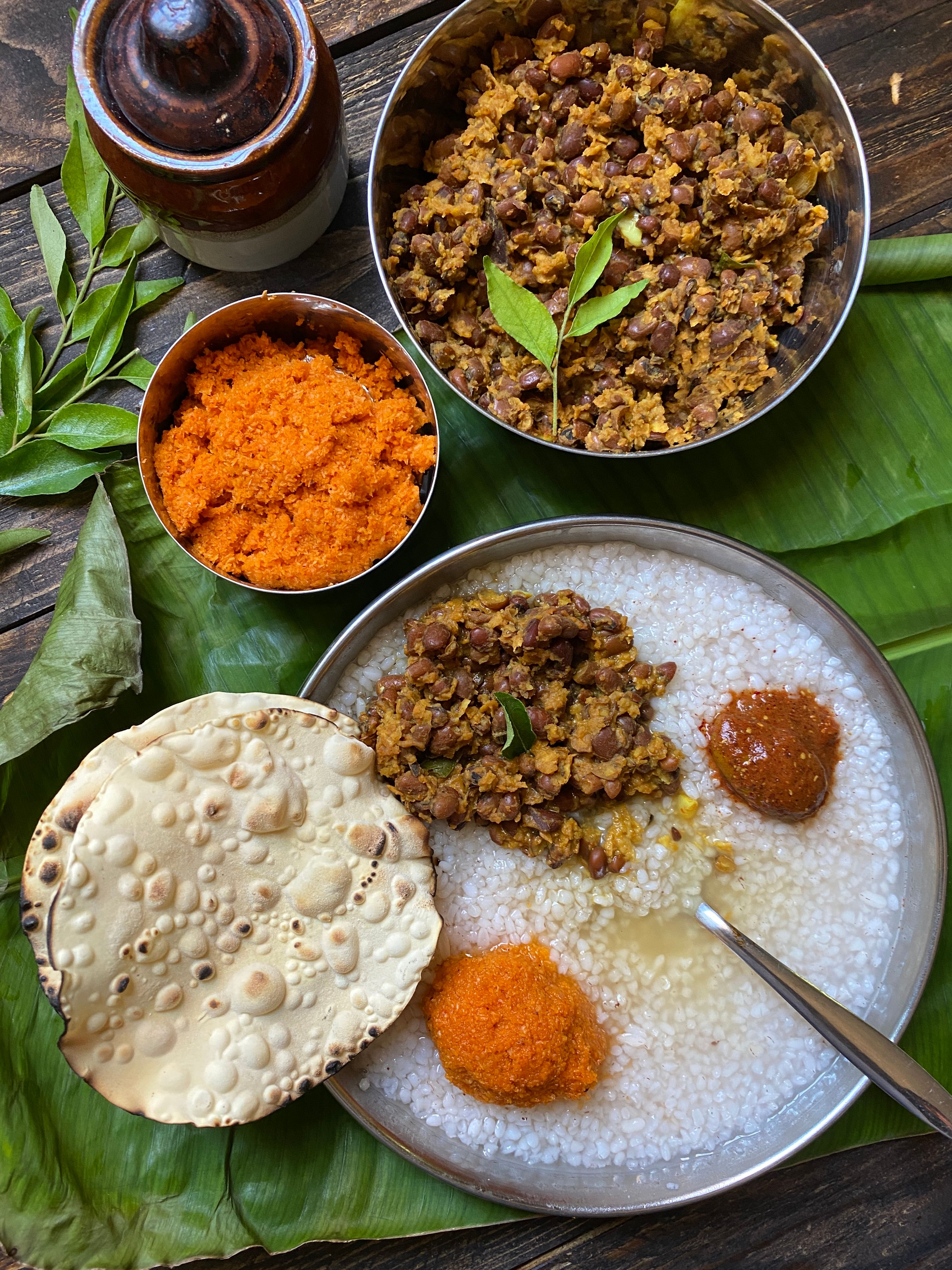
Photo: Saveurs Secretes / Pexels
The diets react (see scores below)
Common Ingredients
- rice
- water
- green chiles
- onion
- salt
- mustard oil
Specific recipes may vary.
Incompatible with 7 of 11 diets
Diet Ratings
Panta Bhat is fermented rice soaked in water, and rice is one of the most keto-incompatible foods possible. A single cup of cooked rice contains approximately 45g of net carbs, which alone can exceed the entire daily carb allowance on a ketogenic diet. Fermentation does slightly reduce carbohydrate content but not to any meaningful degree for ketosis. While mustard oil and green chiles are keto-friendly, they are present in negligible amounts relative to the dominant rice base. This dish is fundamentally a high-carb starch and is entirely incompatible with ketogenic macros.
Panta Bhat is fermented rice soaked in water, traditionally served with green chiles, raw onion, salt, and mustard oil. Every ingredient in this dish is entirely plant-based with no animal products or animal-derived ingredients. Rice and water form the base, mustard oil is a plant-derived fat pressed from mustard seeds, and the accompaniments (green chiles, onion, salt) are unambiguously vegan. The dish is a traditional whole-food preparation from Bangladesh and eastern India, relying on natural fermentation rather than processing. It scores well as a whole-food plant-based meal, though it is relatively low in protein and may be nutritionally limited as a standalone dish.
Panta Bhat is fermented rice soaked overnight in water — rice is a grain and is categorically excluded from the Paleo diet. Beyond the primary ingredient, the dish also contains added salt and mustard oil, both of which are non-paleo (salt is an excluded additive; mustard oil is a seed oil). The only paleo-compliant ingredients in the entire dish are water, green chiles, and onion. With three separate non-paleo violations — including a grain as the foundational ingredient — this dish cannot be considered paleo in any interpretation.
Panta Bhat is fermented leftover rice soaked in water, served with green chiles and onion. The core ingredient is white rice, which is a refined grain not emphasized in Mediterranean diet principles — whole grains are preferred. However, the dish is minimally processed and fermented, which offers some probiotic benefit. The accompaniments (green chiles, onion) are positive plant-based additions. The main concern is mustard oil: while it is a plant-based fat with a favorable fatty acid profile (high in monounsaturated and omega-3 fats), it is not traditional to the Mediterranean diet, where extra virgin olive oil is the canonical fat. The dish has no protein source, added sugars, or processed ingredients, and the fermentation process is a mild positive. Overall, it sits in 'caution' territory due to refined white rice as the staple and non-canonical fat, though its simplicity and plant-based nature keep it from being an outright avoid.
Some Mediterranean diet interpreters, particularly those aligned with traditional regional practices, note that white rice is consumed in parts of Southern Europe (e.g., Spain, Greece, Italy) and can be acceptable in moderation. Additionally, mustard oil's high monounsaturated and ALA omega-3 content leads some modern dietitians to consider it a reasonable olive oil substitute in plant-fat-forward diets, softening the caution slightly.
Panta Bhat is fermented rice soaked in water, served with green chiles, onion, and mustard oil. Every single ingredient is plant-derived — rice (grain), green chiles (plant), onion (vegetable), and mustard oil (plant oil). There is no animal product whatsoever in this dish. It is entirely incompatible with the carnivore diet, which excludes all grains, vegetables, and plant-based oils. This is one of the clearest possible 'avoid' cases with no ambiguity.
Panta Bhat is a fermented rice dish (cooked rice soaked overnight in water). Rice is explicitly excluded on the Whole30 program as a grain, regardless of preparation method. The fermentation process does not change the fact that rice is the primary and non-negotiable base ingredient. All other ingredients — water, green chiles, onion, salt, and mustard oil — are individually Whole30-compliant, but the dish cannot be made without rice, making it incompatible with the program.
Panta Bhat is a traditional Bengali/Indian dish of fermented rice soaked in water overnight. The primary FODMAP concern is onion, which is high in fructans and must be avoided even in small amounts during the elimination phase — it is one of the most reliably high-FODMAP ingredients in the Monash system. Green chiles are generally low-FODMAP in small amounts (the flesh is safe; seeds in quantity may cause issues but not FODMAP-related). Plain white rice is a cornerstone low-FODMAP grain, mustard oil is FODMAP-free (fat-soluble), and salt is fine. However, the inclusion of onion — a standard and non-optional ingredient in traditional Panta Bhat — makes this dish unsuitable during the elimination phase. The fermentation process of the rice itself does not reduce FODMAP content in the way sourdough fermentation reduces fructans in wheat, so the rice fermentation is not a mitigating factor here. The dish cannot be considered low-FODMAP as traditionally prepared.
If onion is omitted or substituted with the green tops of spring onions (which are low-FODMAP), the remaining ingredients (fermented rice, water, mustard oil, salt, green chiles) would be low-FODMAP and the dish could be approved. Some clinical FODMAP practitioners may suggest this modification, but the traditional recipe as listed cannot be approved during elimination.
Panta Bhat (fermented rice soaked overnight in water) is a traditional Bengali/South Asian dish with a mixed DASH profile. The base ingredient — white rice — is a refined grain, which DASH de-emphasizes in favor of whole grains. However, it provides no saturated fat and is low in sodium from the rice itself. The fermentation process may increase B vitamins and beneficial organic acids, and the accompaniments (green chiles, onion) are DASH-friendly vegetables. The primary concerns are: (1) mustard oil — while a vegetable oil and thus preferable to tropical oils, it contains erucic acid and is not a highlighted DASH oil (DASH favors oils lower in saturated fat like olive or canola); its use here is likely small in quantity. (2) Added salt — amount is variable but represents a controllable sodium source. (3) White rice as the dominant ingredient — low fiber, high glycemic index, not a whole grain. The dish has no significant potassium, calcium, magnesium, or fiber contribution beyond the vegetable garnishes, and provides minimal protein. It is not harmful in moderation but is not a core DASH food.
NIH DASH guidelines emphasize whole grains over refined grains like white rice, which would typically keep this dish in the 'caution' category. However, some updated clinical interpretations note that fermentation of white rice may lower its glycemic index and improve gut microbiome outcomes, and some DASH-aligned dietitians working with South Asian populations accept white rice as a cultural staple when portion-controlled and paired with vegetables and lean protein.
Panta Bhat is fermented leftover rice soaked in water, served with green chiles, onion, salt, and mustard oil. From a Zone Diet perspective, this dish is fundamentally incompatible as a complete meal or even a meal component. The macro profile is severely imbalanced: it is almost entirely carbohydrate (high-glycemic white rice), contains no meaningful protein source whatsoever, and has minimal fat from mustard oil. White rice is explicitly listed as an 'unfavorable' carbohydrate in Zone methodology — it is high-glycemic and spikes insulin. The fermentation process does slightly lower the glycemic index and adds some beneficial probiotics, but not enough to redeem the dish's structural problems. There is no protein block present at all, making it impossible to achieve the 40/30/30 ratio without completely rebuilding the meal. Mustard oil is an omega-6 heavy oil, which conflicts with Zone's anti-inflammatory fat priorities (monounsaturated fats like olive oil, avocado). The green chiles and onion are favorable low-glycemic vegetables, but they represent a trivial fraction of the dish's caloric content. As a breakfast, this would trigger a significant insulin spike with no protein to moderate it — the opposite of what Zone breakfast construction aims to achieve.
Panta Bhat is a traditional Bengali/South Asian dish of fermented leftover rice soaked overnight in water, typically served with green chiles, raw onion, and mustard oil. The anti-inflammatory profile is mixed. On the positive side: fermentation creates probiotics and short-chain fatty acids that can reduce gut inflammation and improve microbiome diversity — fermented rice shows modest reductions in glycemic index compared to freshly cooked rice. Green chiles contribute capsaicin, a known anti-inflammatory compound. Raw onion provides quercetin, a potent anti-inflammatory flavonoid. These are genuinely beneficial elements. On the negative side: the base is plain white rice, a refined carbohydrate with a high glycemic load that can promote inflammatory markers (CRP, IL-6) when consumed regularly without fiber-rich accompaniments. Mustard oil is the most contested ingredient here — it is widely used in South Asian cooking and contains erucic acid and a favorable ALA-to-omega-6 ratio, but cold-pressed (kachchi ghani) mustard oil has meaningful anti-inflammatory properties (ALA, glucosinolates), while refined mustard oil is more neutral. In the US, mustard oil is technically restricted for culinary use by the FDA due to erucic acid content, though South Asian populations have consumed it traditionally for centuries. The dish lacks protein, significant fiber, or substantial anti-inflammatory anchor ingredients. Overall, it is a traditional, minimally processed fermented food with genuine benefits but a refined carbohydrate base and limited anti-inflammatory density.
Proponents of traditional and fermented food research (including work aligned with Dr. David Perlmutter's gut-brain axis framework and fermented food advocates like Dr. Sonpal) would rate fermented rice higher due to its probiotic potential, reduced glycemic impact post-fermentation, and B-vitamin bioavailability. Conversely, strict anti-inflammatory protocols focusing on glycemic control — including Dr. Barry Sears' Zone Diet or low-carb anti-inflammatory approaches — would rate any white rice-based dish poorly regardless of fermentation, emphasizing the insulin response over the gut benefits.
Panta Bhat is fermented leftover rice soaked overnight in water, served with green chiles, raw onion, salt, and mustard oil. For GLP-1 patients, this dish is deeply problematic on multiple fronts. It is almost entirely refined carbohydrate with negligible protein (roughly 2-3g per serving) and minimal fiber, meaning it provides essentially empty calories at a time when every bite must count nutritionally. The fermentation process does not meaningfully improve its protein or fiber profile. Green chiles may worsen nausea and reflux, which are already common GLP-1 side effects. Mustard oil adds fat without the compensating protein or fiber density that would justify it. As a breakfast, it fails the 15-30g protein-per-meal target almost entirely, setting up poor satiety and potential muscle-loss risk over time. The dish does offer some hydration benefit from the water content of the soaked rice and has cultural significance, but these positives do not offset its nutritional shortcomings for GLP-1 patients.
Some GLP-1-focused dietitians note that fermented rice may have modest prebiotic and digestive benefits due to its fermentation byproducts, and the soft, water-logged texture is extremely easy to digest — a meaningful advantage for patients experiencing severe GI side effects. However, the consensus in obesity medicine nutrition is that the near-zero protein content makes it unsuitable as a standalone meal on GLP-1 therapy without significant protein augmentation (e.g., adding eggs, lentils, or fish alongside).
*See how scores were generated at our methodology page.
Nutritional profile
Six traits that cut across every diet.
Fiber & Plants
How much whole-plant food and fiber it delivers.
Healthy Fats
The quality of its fats (unsaturated, omega-3).
Whole / Unprocessed
How close it is to its natural, unprocessed form.
Gut Gentle
How easy it is on digestion (low FODMAP, few irritants).
Low Glycemic
How little it spikes your blood sugar.
Protein Density
How much protein it packs per calorie.
Controversy Index
Higher controversy = more disagreement between diets.
Diet-Specific Tips
 Vegan — 8/10
View tips
- Rice is a whole-grain plant food — fully vegan
- Fermentation process uses only water — no dairy or animal cultures involved
- Mustard oil is plant-derived (pressed from Brassica seeds)
- Green chiles, onion, and salt are unambiguously plant-based
- No animal products, by-products, or animal-derived processing agents present
- Minimal processing — traditional fermented preparation aligns with whole-food plant-based principles
 Mediterranean — 4/10
View tips
- White rice is a refined grain, not the whole grains emphasized by Mediterranean diet guidelines
- Mustard oil is not the canonical Mediterranean fat (extra virgin olive oil preferred), though it is plant-based with a favorable fatty acid profile
- Fermentation process adds mild probiotic benefit not common in typical Mediterranean foods
- Green chiles and onion are positive plant-based components
- No red meat, added sugars, or highly processed ingredients
- Dish lacks a protein source, limiting its nutritional completeness for a Mediterranean-style meal
 DASH — 5/10
View tips
- White rice is a refined grain — DASH prefers whole grains
- Fermentation may modestly improve glycemic response and add probiotic benefit
- Mustard oil is a vegetable oil but not a DASH-recommended oil; erucic acid content is a minor concern
- Added salt is a controllable sodium variable — low-sodium preparation would improve score
- Green chiles and onion are DASH-friendly vegetables
- No significant source of potassium, calcium, magnesium, or fiber
- No protein source — nutritionally incomplete as a standalone meal
- No saturated fat, trans fat, or added sugar
 Anti-Inflammatory — 4/10
View tips
- Fermented rice base provides modest probiotic and gut-health benefits, slightly reducing glycemic impact vs. plain white rice
- White rice is a refined carbohydrate with high glycemic load — a concern in mainstream anti-inflammatory frameworks
- Green chiles contribute capsaicin, an anti-inflammatory phytochemical
- Raw onion is a source of quercetin, a well-researched anti-inflammatory flavonoid
- Mustard oil is debated — cold-pressed form has ALA and glucosinolates with anti-inflammatory properties; refined form is more neutral
- No significant protein, omega-3 source, or substantial fiber to anchor an anti-inflammatory profile
- Traditionally consumed dish with centuries of use in South Asian populations — processing is minimal