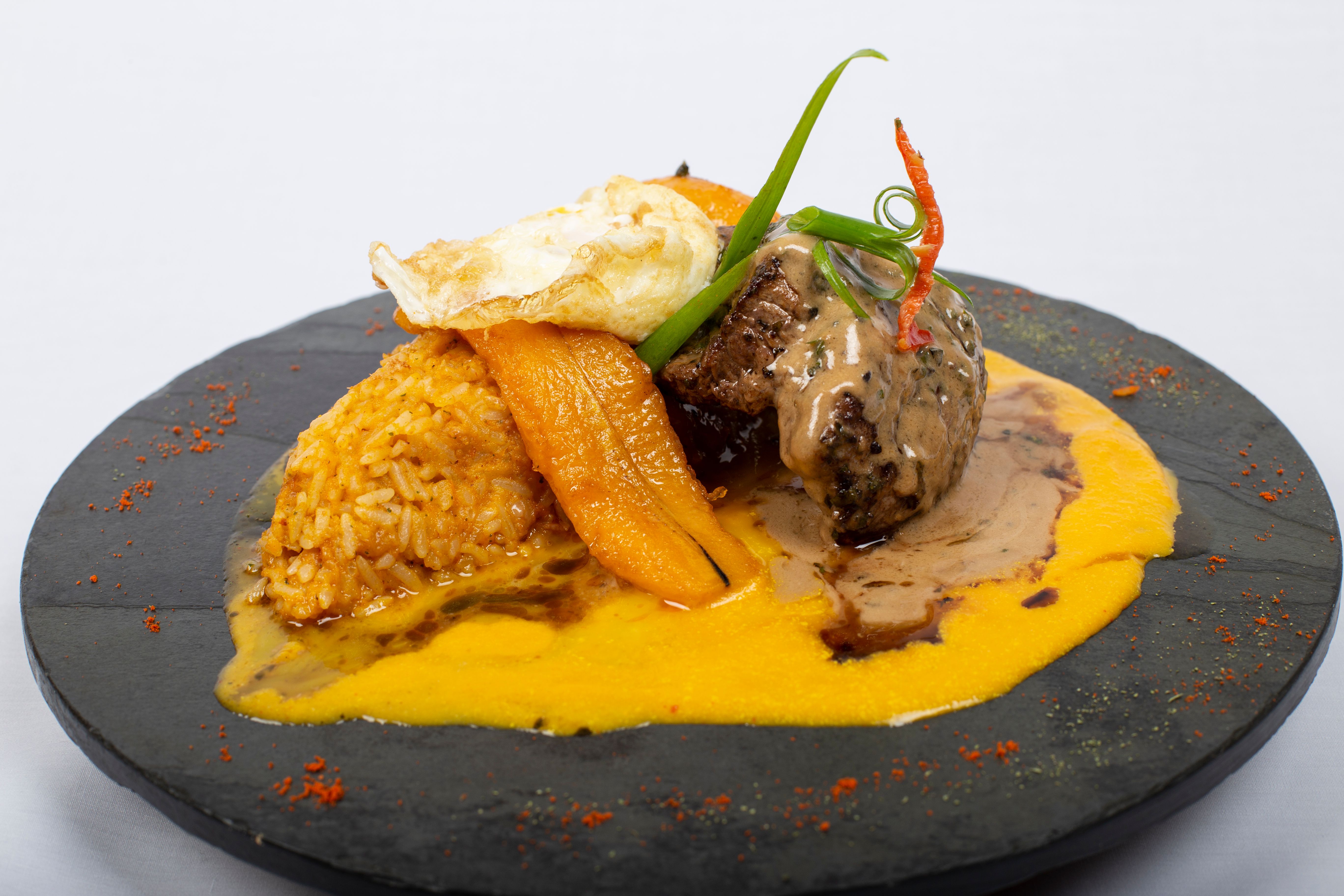
Photo: Joao Sócola / Pexels
The diets react (see scores below)
Common Ingredients
- charqui
- rice
- onion
- tomato
- bell pepper
- achiote
- garlic
- eggs
- plantain
Specific recipes may vary.
Incompatible with 7 of 11 diets
Diet Ratings
Majadito is a traditional Bolivian rice dish that is fundamentally incompatible with a ketogenic diet. Rice is the primary base ingredient and a major source of net carbs — a single cup of cooked rice contains approximately 45g of net carbs, easily exceeding the entire daily keto limit on its own. Plantain adds additional significant carbohydrate load (roughly 24g net carbs per half cup). While several ingredients are keto-friendly — charqui (dried beef), eggs, onion, tomato, bell pepper, garlic, and achiote — they cannot offset the massive carb burden from rice and plantain. This dish is structurally a high-carb meal and cannot be made keto-compliant without fundamentally reconstructing it (e.g., replacing rice with cauliflower rice and omitting plantain), which would no longer constitute Majadito.
Majadito contains multiple animal-derived ingredients that make it incompatible with a vegan diet. Charqui is dried/salted meat (typically beef or llama in Bolivia), which is a direct animal product. Eggs are also listed as an ingredient, another clear animal product. These two ingredients alone disqualify this dish from vegan compliance, regardless of the otherwise plant-based components (rice, onion, tomato, bell pepper, achiote, garlic, plantain).
Majadito is a traditional Bolivian rice dish centered on charqui (dried/salted beef) and rice. Rice is a grain and is excluded from the paleo diet, making it the primary disqualifying ingredient. Additionally, charqui (jerky) is typically prepared with added salt, which is also discouraged on strict paleo. The remaining ingredients — onion, tomato, bell pepper, garlic, eggs, and plantain — are all paleo-approved, and achiote (annatto seed) is a natural spice that is generally accepted. However, rice is the structural foundation of the dish, not a minor ingredient, so the dish as a whole cannot be considered paleo-compatible.
Majadito is a traditional Bolivian dish centered on charqui (dried/salted beef jerky), which is a processed red meat — one of the most restricted categories in the Mediterranean diet. Red meat should be limited to a few times per month, and processed/cured red meat is especially discouraged due to high sodium and saturated fat content. The base is white rice, a refined grain that Mediterranean guidelines prefer to replace with whole grains. Eggs add further saturated fat load. On the positive side, the dish includes several Mediterranean-friendly vegetables (onion, tomato, bell pepper, garlic) and plantain provides some fruit-based nutrition. However, the core protein source (processed beef) and the refined grain base make this dish fundamentally misaligned with Mediterranean principles.
Some Mediterranean diet interpreters acknowledge that eggs and modest amounts of animal protein within a vegetable-rich preparation can be acceptable in moderation. A small portion of this dish, if olive oil replaced other cooking fats and the charqui quantity were reduced, could be viewed as a cautionary indulgence rather than a strict avoid by more flexible practitioners.
Majadito is a Bolivian rice dish that is fundamentally incompatible with the carnivore diet. While it contains carnivore-approved ingredients (charqui/dried beef and eggs), the dish is built around rice as its primary base — a grain that is strictly excluded. It also includes multiple plant-based ingredients: onion, tomato, bell pepper, achiote (annatto spice), garlic, and plantain. The majority of this dish's volume and character comes from plant foods, making it a clear avoid regardless of the animal protein present. No amount of charqui or eggs redeems a grain-and-vegetable-based dish on the carnivore diet.
Majadito contains rice, which is explicitly excluded on the Whole30 as a grain. Regardless of the other ingredients — charqui (dried beef), onion, tomato, bell pepper, achiote, garlic, eggs, and plantain, all of which are Whole30-compatible — the inclusion of rice disqualifies this dish entirely. There is no compliant workaround within the traditional preparation of Majadito, as rice is a foundational, structural ingredient of the dish.
Majadito contains multiple high-FODMAP ingredients that make it unsuitable during the elimination phase. Onion is one of the highest-FODMAP foods (rich in fructans) and is a core structural ingredient in this dish — it cannot be reduced to a safe portion when cooked throughout. Garlic similarly contains high levels of fructans and is a primary flavoring agent. These two ingredients alone disqualify the dish. Plantain has also been identified by Monash as high-FODMAP at typical serving sizes (ripe plantain contains excess fructose and polyols at standard servings). The remaining ingredients — charqui (dried beef, generally low-FODMAP), rice (low-FODMAP staple), tomato (low-FODMAP at standard serving), bell pepper (low-FODMAP), achiote/annatto (low-FODMAP spice), and eggs (low-FODMAP) — are individually safe, but they do not offset the high-FODMAP contributors that are central to the dish's identity and preparation.
Majadito is a traditional Bolivian dish centered on charqui (dried/salted jerky beef), rice, and eggs with vegetables and achiote. The vegetable components (onion, tomato, bell pepper, garlic) are strongly DASH-aligned, providing potassium, fiber, and micronutrients. Rice is an acceptable grain, though white rice is less preferred than whole grain. Eggs in moderation are acceptable under contemporary DASH interpretations. Plantain adds natural potassium and fiber. However, the primary concern is charqui — a heavily salted, dried meat that is extremely high in sodium, which is a core component DASH explicitly targets for limitation. A single serving of charqui can contain 600–1,200mg of sodium or more, potentially consuming a large portion of the daily DASH sodium budget (1,500–2,300mg). Additionally, charqui is red meat (beef), which DASH advises limiting. The dish can be DASH-compatible in modified form with reduced charqui portions, rinsing the jerky to reduce sodium, or substituting with lean poultry, but as traditionally prepared it warrants caution due to sodium load.
NIH DASH guidelines focus on overall sodium intake patterns rather than single ingredients in isolation; some DASH-oriented dietitians note that if charqui is used in small amounts as a flavoring agent (as in some preparations) rather than a bulk protein, the total sodium per serving may remain within limits. Updated clinical interpretations also increasingly allow eggs and lean red meat in moderate portions, making a small-portion, vegetable-heavy serving of Majadito more acceptable than a categorical caution might suggest.
Majadito is a traditional Bolivian dish built around charqui (dried/salted beef jerky), rice, eggs, vegetables, and fried plantain. From a Zone perspective, the dish has both favorable and unfavorable elements. On the positive side, charqui and eggs provide lean-to-moderate protein sources that can fill Zone protein blocks, and the aromatic vegetables (onion, tomato, bell pepper, garlic) are favorable low-glycemic carbohydrate contributors with polyphenol benefits. Achiote adds color and anti-inflammatory compounds. However, the dish is carbohydrate-heavy and glycemically challenging: white rice is a high-glycemic, 'unfavorable' Zone carb that dominates the carbohydrate profile, and plantain is also a higher-sugar, higher-glycemic fruit that Zone classifies similarly to bananas — both 'unfavorable' carbs. Together, rice and plantain create a carbohydrate load that is difficult to balance into a 40/30/30 ratio without dramatically reducing portions. Charqui (dried salted beef) also tends to be fattier and saltier than Zone's preferred lean proteins, though it does provide concentrated protein per gram. Eggs contribute both protein and fat (some saturated). As served traditionally, the dish skews heavily carbohydrate-dominant with moderate protein and likely excess fat from frying the plantain and eggs, making Zone ratios hard to achieve without significant modification. A modified portion with reduced rice, no or minimal plantain, and emphasis on charqui, eggs, and vegetables could be made Zone-compatible, but the traditional preparation warrants caution.
Some Zone practitioners applying a flexible block approach might note that the vegetables (tomato, bell pepper, onion) contribute favorable carb blocks and polyphenols, and that the charqui-and-egg protein core can be portioned to hit a 3-block Zone meal. In Sears' later writings, the anti-inflammatory value of polyphenol-rich ingredients like achiote and tomato is emphasized, which partially offsets the high-glycemic carbs. A strict early-Zone reading (Enter the Zone) would rate the rice-and-plantain combination more harshly, while a later Sears framework might allow it if polyphenol density is high and omega-3 balance is maintained.
Majadito is a traditional Bolivian dish built around charqui (dried, salted beef jerky), rice, and a sofrito base of onion, tomato, bell pepper, garlic, and achiote, topped with fried eggs and served with plantain. The anti-inflammatory profile is genuinely mixed. On the positive side: the sofrito base provides meaningful anti-inflammatory benefit — tomatoes deliver lycopene, bell peppers provide vitamin C and carotenoids, garlic is well-established as anti-inflammatory, and onions offer quercetin. Achiote (annatto) contains bixin and norbixin, carotenoids with emerging anti-inflammatory evidence. Eggs are a moderate-tier food. Plantains offer fiber and resistant starch. However, charqui (dried salted beef) is processed red meat — it combines the concerns of red meat's arachidonic acid and saturated fat content with the added problem of high sodium and processing, which can promote oxidative stress and inflammation. White rice is a refined carbohydrate that offers minimal fiber or anti-inflammatory benefit and can spike blood glucose. The preparation often involves frying eggs in oil (quality unknown) and frying plantains. The dish lacks omega-3 sources, legumes, or meaningful whole grains. Overall, the anti-inflammatory vegetable base partially offsets the processed red meat and refined carbohydrate load, landing the dish in caution territory. It can fit within an anti-inflammatory pattern occasionally, but the charqui and white rice are structural weaknesses.
Some anti-inflammatory practitioners following AIP or stricter protocols would flag charqui as a clear avoid due to its status as processed red meat with high sodium, potentially pushing this dish toward a low score of 3-4. Conversely, Mediterranean-leaning anti-inflammatory frameworks (Dr. Weil's approach) are more permissive of traditional whole-food dishes with vegetable-rich bases, and would note the garlic, tomato, and pepper base as meaningfully protective — potentially rating this closer to a 6.
Majadito is a Bolivian dish built around charqui (dried/salted beef jerky), rice, eggs, and vegetables, finished with achiote and fried plantain. The protein profile is meaningful — charqui is a lean, concentrated protein source, and eggs add additional high-quality protein, making it plausible to hit 20-30g protein per serving. The vegetables (onion, tomato, bell pepper, garlic) contribute micronutrients and some fiber. However, the dish has several GLP-1 cautions: rice is a refined carbohydrate with low fiber density, pulling the fiber score down significantly. Fried plantain (the typical preparation) adds fat and is heavier to digest, conflicting with the low-fat and easy-digestibility priorities. Charqui is very high in sodium, which can compound dehydration risk — a meaningful concern given GLP-1s blunt thirst sensation. The dish is also calorie-moderate but carbohydrate-heavy relative to its fiber content. Portion size matters considerably here: a small serving centered on charqui and eggs with limited rice and no fried plantain would be a reasonable GLP-1 meal; a full traditional portion with fried plantain and a large rice base tips toward problematic.
Some GLP-1-focused dietitians would view charqui-and-egg dishes favorably given the lean, shelf-stable protein and the absence of heavy saturated fats — the concern is primarily the sodium load and the fried plantain preparation rather than the dish's core structure. Others flag rice-dominant dishes categorically due to rapid glycemic impact and low satiety per calorie, which conflicts with the nutrient-density-per-bite requirement for reduced-appetite patients.
*See how scores were generated at our methodology page.
Nutritional profile
Six traits that cut across every diet.
Fiber & Plants
How much whole-plant food and fiber it delivers.
Healthy Fats
The quality of its fats (unsaturated, omega-3).
Whole / Unprocessed
How close it is to its natural, unprocessed form.
Gut Gentle
How easy it is on digestion (low FODMAP, few irritants).
Low Glycemic
How little it spikes your blood sugar.
Protein Density
How much protein it packs per calorie.
Controversy Index
Higher controversy = more disagreement between diets.
Diet-Specific Tips
 DASH — 4/10
View tips
- Charqui is heavily salted dried beef with very high sodium content — primary DASH concern
- Red meat (beef) is limited on DASH; charqui also carries saturated fat
- Vegetables (onion, tomato, bell pepper, garlic) are excellent DASH-aligned ingredients
- Plantain adds DASH-friendly potassium and fiber
- White rice is acceptable but whole grain rice would be preferred under DASH
- Eggs in moderation are compatible with contemporary DASH interpretations
- Achiote (annatto) is a spice with no sodium concerns and is DASH-neutral
- Overall sodium load of dish as traditionally prepared likely exceeds DASH-friendly thresholds per serving
 Zone — 4/10
View tips
- White rice is a high-glycemic 'unfavorable' Zone carbohydrate that dominates the dish
- Plantain is a high-sugar fruit similar to banana, classified as unfavorable in Zone
- Charqui (dried salted beef) provides concentrated protein but is fattier and saltier than Zone's preferred lean proteins
- Eggs contribute both protein and saturated fat, requiring careful portioning
- Bell pepper, tomato, onion, and garlic are favorable low-glycemic Zone carb sources with polyphenol benefits
- Achiote adds anti-inflammatory polyphenols consistent with Sears' later Zone principles
- Traditional preparation is carbohydrate-dominant, making 40/30/30 ratio difficult without significant portion modification
- Frying plantain adds additional fat, likely from omega-6-heavy oils, which conflicts with Zone's fat quality preferences
 Anti-Inflammatory — 5/10
View tips
- Charqui (dried salted beef) is processed red meat — pro-inflammatory due to saturated fat, arachidonic acid, sodium, and processing
- White rice is a refined carbohydrate with minimal fiber; raises glycemic load of the dish
- Garlic, onion, tomato, and bell pepper sofrito base provides meaningful anti-inflammatory polyphenols and carotenoids
- Achiote (annatto) contains bixin/norbixin carotenoids with emerging anti-inflammatory properties
- Eggs are a moderate/neutral food in anti-inflammatory frameworks
- Plantains offer fiber and resistant starch but are often fried, adding oil of unknown quality
- No omega-3 sources, legumes, or whole grains present
- Traditional dish with no processed additives, trans fats, or high-fructose corn syrup
 GLP-1 Friendly — 5/10
View tips
- Charqui provides lean, concentrated protein supporting the 20-30g per meal target
- Eggs add high-quality complete protein and improve overall protein density
- White rice is low in fiber and a refined carbohydrate — reduces satiety per calorie
- Fried plantain adds fat and is harder to digest, worsening potential GLP-1 GI side effects
- High sodium content from charqui increases dehydration risk, critical on GLP-1s
- Vegetables (onion, tomato, bell pepper) contribute some micronutrients but minimal fiber
- Portion-sensitive: a smaller serving focused on protein components scores higher than a traditional full portion
- Achiote is a mild spice and not a GLP-1 concern