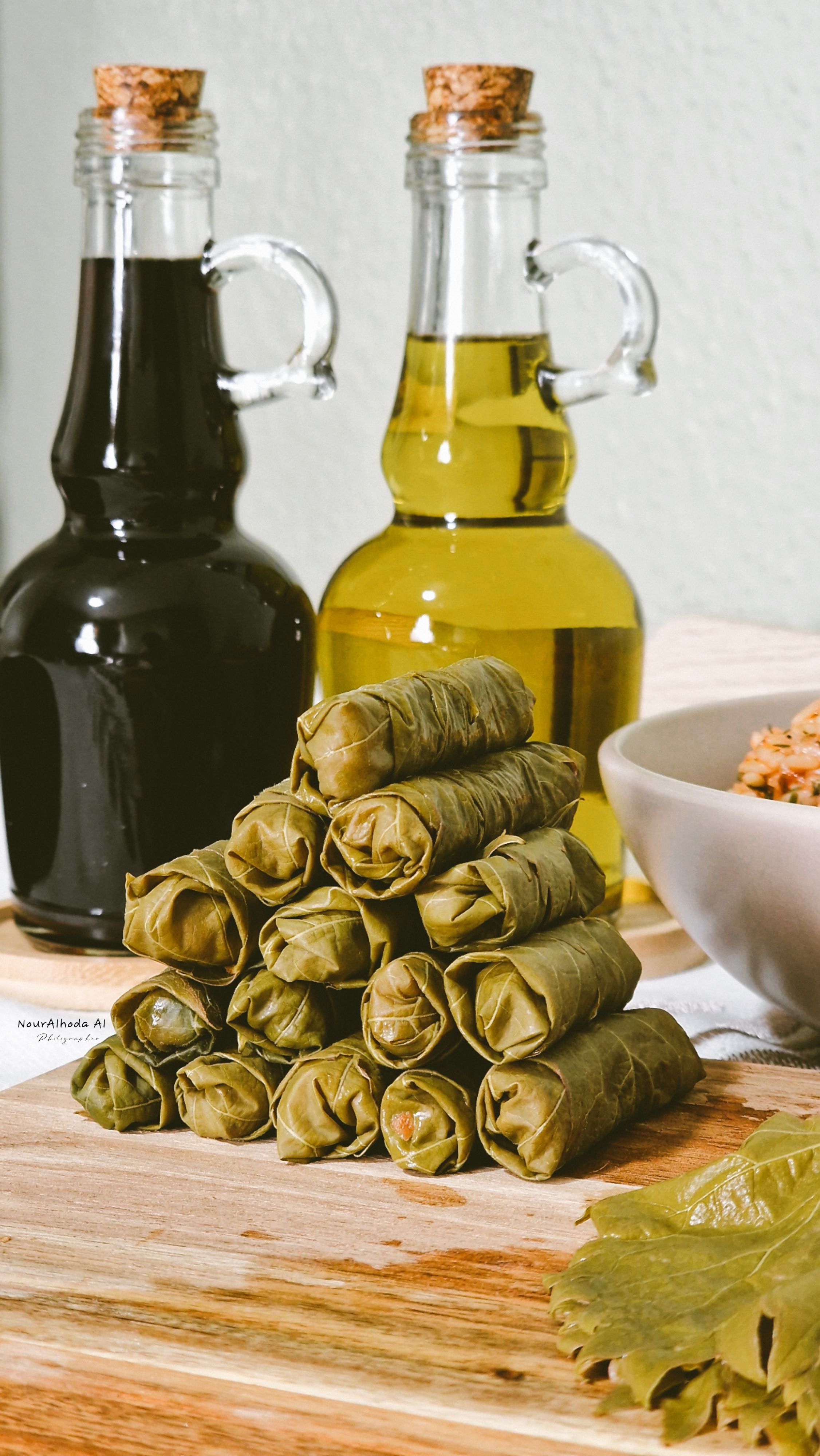
Photo: Nour Alhoda / Pexels
The diets react (see scores below)
Common Ingredients
- grape leaves
- ground beef
- rice
- onion
- paprika
- mint
- lemon
- garlic
Specific recipes may vary.
Incompatible with 7 of 11 diets
Diet Ratings
Japrak (Bosnian stuffed grape leaves) is fundamentally incompatible with ketogenic eating due to the inclusion of rice as a primary filling ingredient. Rice is a high-glycemic grain that contributes substantial net carbs — a standard serving of Japrak (4-6 rolls) could easily deliver 30-50g of net carbs from rice alone, immediately threatening or breaking ketosis. Grape leaves themselves are very low-carb and keto-friendly, and ground beef is an excellent keto protein source, but the rice filling disqualifies this dish in its traditional form. The remaining ingredients (onion, paprika, mint, lemon, garlic) add minor additional carbs. This dish cannot be consumed in any reasonable portion size without exceeding daily net carb limits.
Japrak is a Bosnian stuffed grape leaf dish whose primary protein is ground beef, a direct animal product. Ground beef is unambiguously non-vegan, making this dish incompatible with a vegan diet regardless of the plant-based ingredients (grape leaves, rice, onion, paprika, mint, lemon, garlic) that accompany it.
Japrak (Bosnian stuffed grape leaves) contains rice as a core ingredient, which is a grain and firmly excluded from the paleo diet. While most other ingredients — ground beef, grape leaves, onion, paprika, mint, lemon, and garlic — are paleo-compliant, rice is a non-negotiable disqualifier under standard paleo rules. Grains are excluded due to their anti-nutrient content (lectins, phytates) and their absence from the Paleolithic diet. The dish cannot be considered paleo in its traditional form.
Japrak (stuffed grape leaves) is a Bosnian variant of a dish with clear Mediterranean parallels (e.g., Greek dolmades, Turkish sarma). The wrapper — grape leaves — is an excellent, traditional Mediterranean ingredient. However, the primary protein is ground beef, which is a red meat limited to only a few times per month in Mediterranean diet guidelines. The inclusion of white rice (a refined grain) alongside the beef compounds the concern, as modern Mediterranean guidelines prefer whole grains. The aromatics (onion, garlic, mint, lemon, paprika) are strongly Mediterranean-positive. The dish is not highly processed and contains no added sugars, but the red meat as the dominant protein and refined rice place it firmly in the 'avoid' category for regular consumption.
Traditional Mediterranean cuisines, particularly Levantine and Turkish, feature stuffed grape leaves (dolmades, sarma) as a staple dish, sometimes with lamb or beef as the protein. Some Mediterranean diet authorities acknowledge that small portions of lean red meat wrapped in vegetables, prepared with herbs and lemon, can fit within a broadly interpreted Mediterranean pattern on an occasional basis — especially when the overall dietary context is plant-rich.
Japrak is a Bosnian stuffed grape leaf dish that is fundamentally incompatible with the carnivore diet. While it contains ground beef as the primary protein, the dish is overwhelmingly plant-based in its composition. Grape leaves are a plant food, rice is a grain (one of the most excluded food categories on carnivore), onion and garlic are vegetables, paprika and mint are plant-derived spices, and lemon is a fruit. The ground beef itself would be carnivore-approved in isolation, but embedded in this dish it represents a small fraction of the overall ingredient profile. There is no version of Japrak that could be considered carnivore-compatible without fundamentally deconstructing the dish entirely.
Japrak (Bosnian stuffed grape leaves) contains rice, which is a grain explicitly excluded from the Whole30 program. Rice is listed among the grains that must be eliminated for the 30-day period, regardless of how it is prepared or what other ingredients accompany it. All other ingredients in this dish — grape leaves, ground beef, onion, paprika, mint, lemon, and garlic — are individually Whole30-compliant, but the inclusion of rice makes the dish non-compliant as traditionally prepared.
Japrak contains two significant high-FODMAP ingredients that make it unsuitable during the elimination phase: onion and garlic. Both are among the highest-FODMAP foods tested by Monash University, containing fructans at levels that cause issues even in very small amounts. Onion is high-FODMAP at any serving size and is one of the most problematic foods for IBS sufferers. Garlic similarly contains very high levels of fructans and is classified as high-FODMAP at any typical culinary quantity. These two ingredients are structural to the dish and cannot simply be omitted without fundamentally changing the recipe. The remaining ingredients — grape leaves, ground beef, rice, paprika, mint, and lemon — are generally low-FODMAP at standard servings, but the presence of onion and garlic as core ingredients disqualifies the dish during the elimination phase.
Japrak (Bosnian stuffed grape leaves) contains a mixed nutritional profile from a DASH perspective. Grape leaves are a DASH-positive ingredient — low in calories, rich in antioxidants and minerals. The aromatics (onion, garlic, mint, lemon) are excellent DASH-friendly additions that also reduce the need for added sodium. Rice contributes whole-grain-adjacent carbohydrates (though typically white rice is used). The main concern is ground beef, which DASH limits due to saturated fat content — standard ground beef (80/20) is a red flag, though leaner ground beef (90%+ lean) would be more acceptable. The dish does not include high-sodium processed ingredients, and lemon juice can substitute for salt, which is a DASH-positive preparation approach. Overall, Japrak is a borderline dish: the lean protein concern from beef and potential sodium in preparation keep it in 'caution' territory, but it is not a categorically poor DASH choice when made with lean beef and minimal added salt.
NIH DASH guidelines categorize red meat as a limited food (≤2 servings/week) due to saturated fat concerns. However, updated clinical interpretations note that lean ground beef (>90% lean) used in portion-controlled servings within a vegetable-rich dish like Japrak is consistent with DASH principles in practice — some DASH-oriented dietitians would approve this dish when prepared with lean beef and low-sodium seasoning.
Japrak (Bosnian stuffed grape leaves) presents a mixed Zone profile. Grape leaves themselves are Zone-friendly — low-calorie, low-glycemic wrappers rich in polyphenols. Ground beef provides protein but is typically higher in saturated fat than lean Zone-preferred proteins like skinless chicken or fish. The white rice filling is the primary concern: it is a high-glycemic carbohydrate that Sears classifies as 'unfavorable,' driving up insulin response and disrupting the 40/30/30 ratio balance. Onion, garlic, lemon, mint, and paprika are all Zone-favorable flavor enhancers with anti-inflammatory polyphenol benefits. The dish can technically fit Zone blocks if portions are controlled — a small serving (2-3 rolls) can be paired with a large vegetable side salad to correct the carb quality issue and bring ratios into alignment. However, as traditionally prepared and portioned, the rice-heavy filling skews carbs toward high-glycemic territory and the ground beef adds more saturated fat than ideal.
Some Zone practitioners and Sears' later writings (e.g., 'The Zone Diet' updates emphasizing Mediterranean eating patterns) would note that this dish aligns well with Mediterranean/Middle Eastern culinary traditions Sears endorses — grape leaves, lemon, garlic, and olive oil (if used in cooking) are all anti-inflammatory. A stricter reading of the original 'Enter the Zone' would flag white rice more heavily, pushing the score lower. Conversely, those following a more flexible Zone approach might substitute cauliflower rice or reduce the rice quantity to make this a stronger Zone meal.
Japrak (Bosnian stuffed grape leaves) presents a mixed anti-inflammatory profile. On the positive side, grape leaves themselves contain polyphenols and antioxidants and are considered a beneficial ingredient in Mediterranean and Balkan anti-inflammatory eating patterns. Garlic, onion, mint, and lemon are all anti-inflammatory ingredients — garlic contains allicin, onions provide quercetin, and lemon offers vitamin C and flavonoids. Paprika provides carotenoids including capsanthin. Rice is a neutral whole-food carbohydrate. However, the primary protein is ground beef, which is categorized as a 'limit' food in anti-inflammatory frameworks due to saturated fat content and arachidonic acid, which can promote prostaglandin-based inflammatory pathways. The overall dish is not highly processed and avoids trans fats, refined sugars, and seed oils, which is a point in its favor. The herb-forward seasoning and grape leaves partially offset the beef concern. As a balanced whole-food dish prepared traditionally, it sits solidly in the moderate/caution zone — acceptable occasionally, but the beef prevents a full approval.
Some anti-inflammatory practitioners following Dr. Weil's broader Mediterranean-inspired framework would note that lean ground beef in a dish rich in protective herbs, polyphenols from grape leaves, and alliums represents an acceptable dietary pattern when consumed in moderation. Stricter anti-inflammatory and AIP protocols would flag the beef more strongly and recommend substituting lamb or turkey to reduce arachidonic acid load.
Japrak (Bosnian stuffed grape leaves) contains ground beef and rice wrapped in grape leaves — a mixed profile for GLP-1 patients. Ground beef provides meaningful protein but also carries moderate-to-high saturated fat depending on the lean percentage used (80/20 ground beef is a concern; 90/10 or leaner is significantly better). Rice is a refined carbohydrate with low fiber and modest nutritional density per calorie, which dilutes the protein-per-calorie ratio of each roll. Grape leaves themselves are a genuine positive — low calorie, contain some fiber, and easy to digest. Lemon, mint, garlic, and onion are all well-tolerated aromatics with no GLP-1 concerns. The dish is served in small individual rolls, which supports portion-friendliness — a meaningful advantage for GLP-1 patients with reduced appetite. The overall fat content is the primary concern and is highly dependent on the beef fat percentage used. If made with lean ground beef (90%+ lean), this dish improves considerably. Paprika is mild and unlikely to cause GI irritation. The dish is not fried, which is a positive for digestibility. Overall: acceptable in moderate portions, ideally prepared with lean ground beef, but the rice-heavy filling and saturated fat risk from standard ground beef prevent a full approve.
Some GLP-1-focused dietitians would rate this more favorably if prepared with lean ground beef, noting that the small roll format naturally limits portion size and the dish avoids the fried, greasy, or heavily processed qualities that most reliably worsen GLP-1 side effects. Others flag that even moderate saturated fat from beef combined with slowed gastric emptying increases nausea risk, and would recommend substituting ground turkey or chicken to make the dish clearly approvable.
*See how scores were generated at our methodology page.
Nutritional profile
Six traits that cut across every diet.
Fiber & Plants
How much whole-plant food and fiber it delivers.
Healthy Fats
The quality of its fats (unsaturated, omega-3).
Whole / Unprocessed
How close it is to its natural, unprocessed form.
Gut Gentle
How easy it is on digestion (low FODMAP, few irritants).
Low Glycemic
How little it spikes your blood sugar.
Protein Density
How much protein it packs per calorie.
Controversy Index
Higher controversy = more disagreement between diets.
Diet-Specific Tips
 DASH — 5/10
View tips
- Ground beef is a red meat DASH limits to ≤2 servings/week due to saturated fat
- Lean ground beef (90%+ lean) would significantly improve DASH compatibility
- Grape leaves are a nutrient-dense, DASH-positive wrapper
- No processed high-sodium ingredients; lemon and herbs reduce sodium need
- Garlic, onion, mint, and lemon are all DASH-favorable aromatics
- Typically uses white rice rather than whole grain — a minor negative
- Sodium level depends heavily on preparation; no added salty sauces listed
 Zone — 5/10
View tips
- Grape leaves are Zone-favorable: low-glycemic, polyphenol-rich wrappers
- White rice is an 'unfavorable' high-glycemic carbohydrate in Zone terminology — primary concern
- Ground beef provides adequate protein but has more saturated fat than Zone-preferred lean proteins
- Anti-inflammatory ingredients (garlic, lemon, mint, paprika) support Zone's polyphenol emphasis
- Dish can be portion-controlled to 2-3 rolls and paired with low-GI vegetables to balance macros
- Substituting lean ground turkey or reducing rice content would significantly improve Zone compatibility
 Anti-Inflammatory — 5/10
View tips
- Ground beef is a 'limit' food in anti-inflammatory frameworks due to saturated fat and arachidonic acid
- Grape leaves provide polyphenols and antioxidants with anti-inflammatory properties
- Garlic and onion contribute quercetin, allicin, and other anti-inflammatory compounds
- Mint and lemon add antioxidants and flavonoids
- Paprika provides carotenoids (capsanthin, beta-carotene)
- No processed ingredients, trans fats, refined sugars, or seed oils present
- Rice is neutral — a modest glycemic carbohydrate with no meaningful inflammatory signal
- Traditional whole-food preparation method supports overall dietary quality
 GLP-1 Friendly — 5/10
View tips
- Ground beef provides protein but carries saturated fat risk — fat percentage of beef is critical
- Rice filling is low-fiber and reduces protein density per calorie
- Grape leaves are low-calorie and contribute minor fiber — a positive element
- Small individual roll format supports portion-friendliness for reduced-appetite GLP-1 patients
- Not fried — supports digestibility
- Lemon, mint, garlic, paprika are all GLP-1-tolerable seasonings
- Dish improvable by substituting lean ground beef (90%+ lean) or ground turkey