Photo: Zehra Yılmaz / Pexels
The diets react (see scores below)
Common Ingredients
- onions
- ground beef
- rice
- paprika
- tomato
- garlic
- parsley
- oil
Specific recipes may vary.
Incompatible with 7 of 11 diets
Diet Ratings
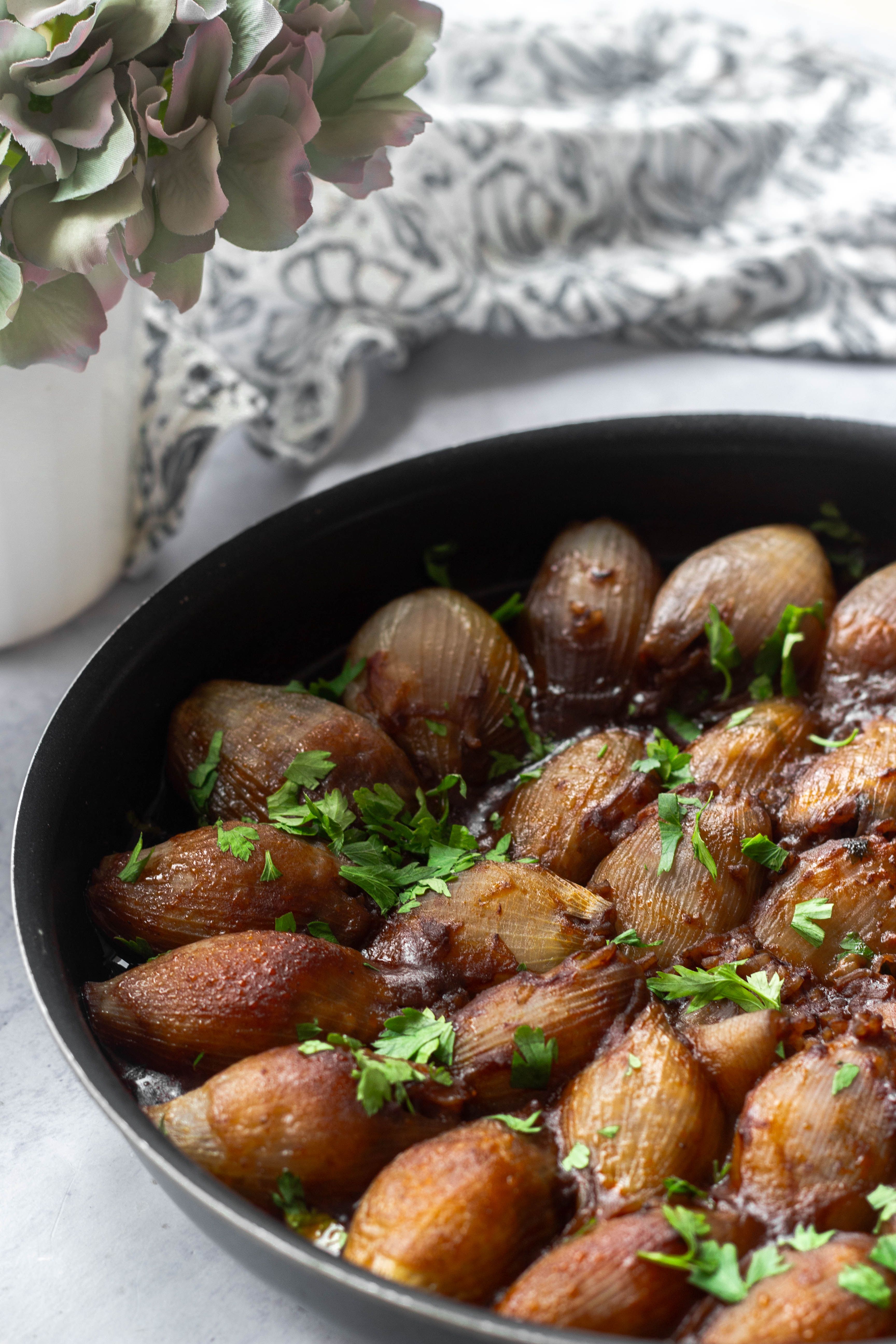
Sogan Dolma is a Bosnian stuffed onion dish where hollowed-out onions are filled with a mixture of ground beef and rice, then cooked with tomato and paprika. The rice is the primary disqualifier — it is a high-glycemic grain that contributes significant net carbs (roughly 25-30g per 100g cooked) and will quickly exceed daily keto limits in even a modest serving. The onion shells themselves add additional net carbs (around 7-9g per 100g). Together, a standard serving of 2-3 stuffed onions would likely deliver 40-60g+ of net carbs, making it incompatible with ketosis. While the ground beef component is keto-friendly, its benefits are entirely overwhelmed by the carb-heavy staples central to this dish's structure and identity.
Sogan Dolma is a Bosnian stuffed onion dish whose filling is centered on ground beef, a direct animal product that is categorically incompatible with a vegan diet. While the remaining ingredients — onions, rice, paprika, tomato, garlic, parsley, and oil — are all plant-based, the inclusion of ground beef as the primary protein makes this dish entirely unsuitable for vegans. There is no ambiguity here: mammalian meat is excluded under every definition of veganism.
Sogan Dolma is a Bosnian stuffed onion dish where onions are filled with a mixture of ground beef, rice, and seasonings. While several ingredients are paleo-compliant (onions, ground beef, tomato, garlic, parsley, paprika), the inclusion of rice is a clear disqualifier under paleo rules. Rice is a grain and is excluded from the paleo diet. Additionally, 'oil' is unspecified — if it refers to a seed oil (canola, sunflower, vegetable), that adds another violation. The dish cannot be considered paleo in its traditional form due to the rice filling, which is a core structural ingredient, not a minor additive.
Sogan Dolma is a Bosnian stuffed onion dish centered on ground beef as its primary protein. Ground beef is red meat, which the Mediterranean diet limits to a few times per month. The remaining ingredients — onions, tomato, garlic, parsley, rice, and paprika — are largely Mediterranean-friendly plant foods, and if oil means olive oil that is also a positive. However, the core protein source directly contradicts a foundational Mediterranean diet principle. The use of white rice (rather than a whole grain) is a minor additional concern. The dish is not inherently harmful in occasional consumption, but as a regular main course built around red meat, it does not align with Mediterranean dietary patterns.
Some Mediterranean diet researchers acknowledge that Balkan and Eastern Mediterranean culinary traditions do incorporate ground meat stuffed dishes (e.g., similar to Turkish dolma with meat), and in small, infrequent portions this could be tolerated within a broadly Mediterranean-style eating pattern. The abundance of vegetables and aromatics in the dish partially offsets the red meat concern.
Sogan Dolma is a Bosnian stuffed onion dish that is overwhelmingly plant-based in composition. While ground beef is the primary protein, it is surrounded by and mixed with multiple plant-derived ingredients: onions (the vessel itself), rice (a grain), paprika (a spice/plant), tomato, garlic, parsley, and plant oil. The carnivore diet strictly excludes all vegetables, grains, spices, and plant oils. With only one of eight ingredients being animal-derived, this dish fundamentally contradicts the core principle of eating exclusively animal products. Even the most lenient carnivore practitioners who permit coffee or certain spices would not approve a dish where plant foods constitute the structural majority of the meal.
Sogan Dolma is a Bosnian stuffed onion dish where onions are filled with a mixture of ground beef and rice. Rice is a grain and is explicitly excluded on the Whole30 program. This single ingredient disqualifies the dish as traditionally prepared, regardless of the otherwise compliant components (ground beef, onions, tomato, garlic, parsley, paprika, oil).
Sogan Dolma is a Bosnian stuffed onion dish where onions are the primary vessel and a featured ingredient in substantial quantities. Both onions and garlic are among the highest-FODMAP foods on the Monash University list, containing significant fructans that are problematic even in small amounts. Onions are high-FODMAP at any typical serving size (as low as 1/4 of a small onion triggers symptoms in sensitive individuals), and garlic is high-FODMAP at even 1/4 clove. Since the dish is literally built around whole onions as the main component, there is no realistic way to consume a standard serving without a very high fructan load. The remaining ingredients — ground beef, rice, paprika, tomato, parsley, and oil — are generally low-FODMAP at standard servings. However, the onion and garlic content alone make this dish unsuitable for the elimination phase of the low-FODMAP diet.
Sogan Dolma (Bosnian stuffed onions) contains a mix of DASH-compatible and problematic ingredients. The dish features onions, tomato, garlic, parsley, and rice — all DASH-friendly components rich in potassium, fiber, and beneficial plant compounds. However, ground beef is the primary protein, and DASH guidelines recommend limiting red meat due to its saturated fat content. The key concern is the fat content of the ground beef: if standard 80/20 ground beef is used (as is common in traditional preparation), saturated fat intake rises significantly. If lean ground beef (90-95% lean) is substituted, the dish improves considerably. Additionally, rice provides carbohydrate energy but is a refined grain unless brown rice is used. The dish is notably free of processed, high-sodium ingredients in its base form — no canned soups, processed sauces, or added salt appears in the ingredient list — which is a meaningful advantage. Cooking oil adds some fat but is expected to be a vegetable oil, which DASH permits. Overall, this dish sits in the caution range: vegetable-forward with DASH-friendly aromatics, but red meat content and potential fat levels prevent a full approval.
NIH DASH guidelines explicitly limit red meat due to saturated fat concerns, recommending lean poultry and fish as preferred proteins. However, updated clinical interpretations note that when lean ground beef (90%+ lean) is used in a vegetable-rich preparation like stuffed onions, the overall saturated fat burden may remain within acceptable DASH thresholds, and some DASH-aligned dietitians permit modest red meat portions (≤3 oz servings, a few times per week) within the plan.
Sogan Dolma (stuffed onions) is a Bosnian dish with a mixed Zone profile. The onions themselves are a favorable low-glycemic vegetable and serve as an excellent Zone carb source. Ground beef provides protein but is typically higher in saturated fat than Zone-preferred lean proteins like skinless chicken or fish. Rice is an 'unfavorable' carb in Zone terminology — it is higher glycemic and nutritionally less valuable than vegetables, though it does contribute to the carb block count. Tomato, garlic, paprika, and parsley are all favorable Zone ingredients, contributing polyphenols and low-glycemic carbs. The oil type is unspecified — if olive oil, this is ideal for Zone's monounsaturated fat preference. The dish can be Zone-compatible with careful portioning: using lean ground beef (90%+ lean), keeping rice quantity minimal (it serves more as a binder), and ensuring olive oil is used. The protein-to-carb ratio needs monitoring since both onions and rice contribute carbs, potentially skewing the balance unless the beef portion is adequate. Overall, this is a workable but imperfect Zone meal requiring modification.
Some Zone practitioners would rate this more favorably, noting that the onion is a surprisingly good Zone carb vehicle and that the rice content per stuffed onion is typically small as a binder. Dr. Sears' later anti-inflammatory framework also places more emphasis on polyphenol-rich ingredients (garlic, parsley, paprika, tomato) which this dish provides generously. A stricter early-Zone interpretation would flag both the white rice and unspecified ground beef fat content more harshly.
Sogan Dolma is a Bosnian stuffed onion dish with a mixed anti-inflammatory profile. On the positive side, it features several anti-inflammatory ingredients: onions are rich in quercetin, a potent anti-inflammatory flavonoid; garlic contains allicin and organosulfur compounds with well-documented anti-inflammatory effects; tomato provides lycopene; paprika delivers carotenoids and vitamin C; and parsley is a source of flavonoids and vitamin K. These together represent meaningful anti-inflammatory value. However, the primary protein is ground beef, which is a red meat high in saturated fat and arachidonic acid — both associated with pro-inflammatory signaling and elevated CRP. The anti-inflammatory framework places red meat in the 'limit' category. White rice is a refined carbohydrate with minimal fiber, offering little anti-inflammatory benefit. The unspecified 'oil' introduces uncertainty — if extra virgin olive oil is used, it adds oleocanthal and monounsaturated fats (beneficial); if a seed oil or generic vegetable oil is used, it adds excess omega-6 fatty acids. The dish is best characterized as a moderate-quality meal that would benefit from leaner protein substitution (e.g., ground turkey or legumes) and use of olive oil. As an occasional dish in an otherwise anti-inflammatory diet, it is acceptable but not a net positive.
Some anti-inflammatory practitioners, particularly those following Mediterranean-adjacent frameworks, might rate this more favorably given the heavy use of allium vegetables (onions, garlic), tomato, and aromatic herbs — ingredients with strong research-backed anti-inflammatory effects that could partially offset the red meat. Conversely, stricter anti-inflammatory and AIP-aligned practitioners would likely push this toward 'avoid' based on red meat's arachidonic acid content and white rice's high glycemic load.
Sogan Dolma is a Bosnian stuffed onion dish filled with ground beef, rice, paprika, tomato, garlic, and parsley. It offers a reasonable protein source from ground beef and beneficial micronutrients from onions, tomato, and herbs. However, it presents several concerns for GLP-1 patients. Ground beef is typically moderate-to-high in saturated fat depending on the lean ratio used — standard ground beef (80/20) can deliver 15-20g of fat per serving, which may worsen nausea, bloating, or reflux given slowed gastric emptying. The rice adds refined carbohydrates with limited fiber. The onion casing, while nutritious, is not a high-fiber vehicle at typical serving sizes. Oil is added in preparation, increasing fat load further. The dish is not fried and avoids known trigger ingredients like heavy spices or carbonation, which is a positive. If made with lean ground beef (90/10 or leaner), portioned carefully to one or two stuffed onions, and paired with a fiber-rich side, this dish becomes more workable. As served in traditional preparation with standard ground beef, it sits in caution territory — acceptable occasionally but not a dietary staple for GLP-1 patients.
Some GLP-1-focused dietitians would approve a lean-beef version of this dish given its whole-food ingredients, moderate portion size, and protein contribution, arguing that the saturated fat concern is manageable with meat selection. Others would keep it at caution regardless of meat choice, citing the combined fat-plus-refined-carbohydrate profile as a consistent trigger for delayed gastric emptying symptoms in GLP-1 patients.
*See how scores were generated at our methodology page.
Nutritional profile
Six traits that cut across every diet.
Fiber & Plants
How much whole-plant food and fiber it delivers.
Healthy Fats
The quality of its fats (unsaturated, omega-3).
Whole / Unprocessed
How close it is to its natural, unprocessed form.
Gut Gentle
How easy it is on digestion (low FODMAP, few irritants).
Low Glycemic
How little it spikes your blood sugar.
Protein Density
How much protein it packs per calorie.
Controversy Index
Higher controversy = more disagreement between diets.
Diet-Specific Tips
 DASH — 5/10
View tips
- Ground beef is a red meat — DASH recommends limiting red meat due to saturated fat
- Fat content highly dependent on beef leanness: 80/20 ground beef is problematic, 93%+ lean is more acceptable
- Onions, tomato, garlic, parsley provide potassium, fiber, and antioxidants — DASH-positive
- No processed high-sodium ingredients in the base recipe — sodium level depends on added salt during cooking
- Rice is a refined grain; substituting brown rice would improve DASH alignment
- Vegetable oil is DASH-permitted; olive or canola oil preferred
- Portion size critical — a large serving of ground beef-heavy filling raises saturated fat intake
 Zone — 5/10
View tips
- Onions are favorable low-glycemic Zone carbs and serve as the primary carb vehicle
- Ground beef is a caution protein — higher saturated fat than Zone-preferred lean proteins; 90%+ lean beef improves rating
- Rice is an 'unfavorable' Zone carb — higher glycemic, though quantity as a binder may be small
- Tomato, garlic, paprika, and parsley contribute polyphenols and favorable low-glycemic carbs
- Oil type unspecified — olive oil would be ideal for Zone's monounsaturated fat requirement
- Dual carb sources (onions + rice) require careful portioning to maintain 40/30/30 ratio
- Anti-inflammatory polyphenol-rich ingredient profile is a positive for Dr. Sears' later Zone framework
 Anti-Inflammatory — 5/10
View tips
- Red meat (ground beef) is pro-inflammatory due to saturated fat and arachidonic acid — categorized as 'limit' in anti-inflammatory guidelines
- Onions are rich in quercetin, a well-researched anti-inflammatory flavonoid
- Garlic provides allicin and organosulfur compounds with anti-inflammatory and immune-modulating properties
- Tomato contributes lycopene and antioxidants
- Paprika delivers carotenoids and vitamin C
- White rice is a refined carbohydrate with high glycemic index and minimal fiber — neutral to mildly pro-inflammatory
- Unspecified oil introduces uncertainty — EVOO would be beneficial, seed oils would be detrimental
- Parsley adds flavonoids and micronutrient value
 GLP-1 Friendly — 5/10
View tips
- Ground beef fat content is portion- and lean-ratio-dependent — standard 80/20 is too high in saturated fat for routine GLP-1 use
- Rice contributes refined carbohydrates with minimal fiber, reducing nutrient density per calorie
- Onion casing provides some prebiotic fiber but not enough to offset the low-fiber filling
- No fried components and no high-sugar or carbonated ingredients — traditional preparation avoids major GLP-1 triggers
- Protein contribution is meaningful but not optimized compared to leaner sources like chicken breast or fish
- Oil used in preparation adds fat load; amount matters significantly
- Small portion size of 1-2 stuffed onions aligns with GLP-1 small-meal guidance if portions are controlled