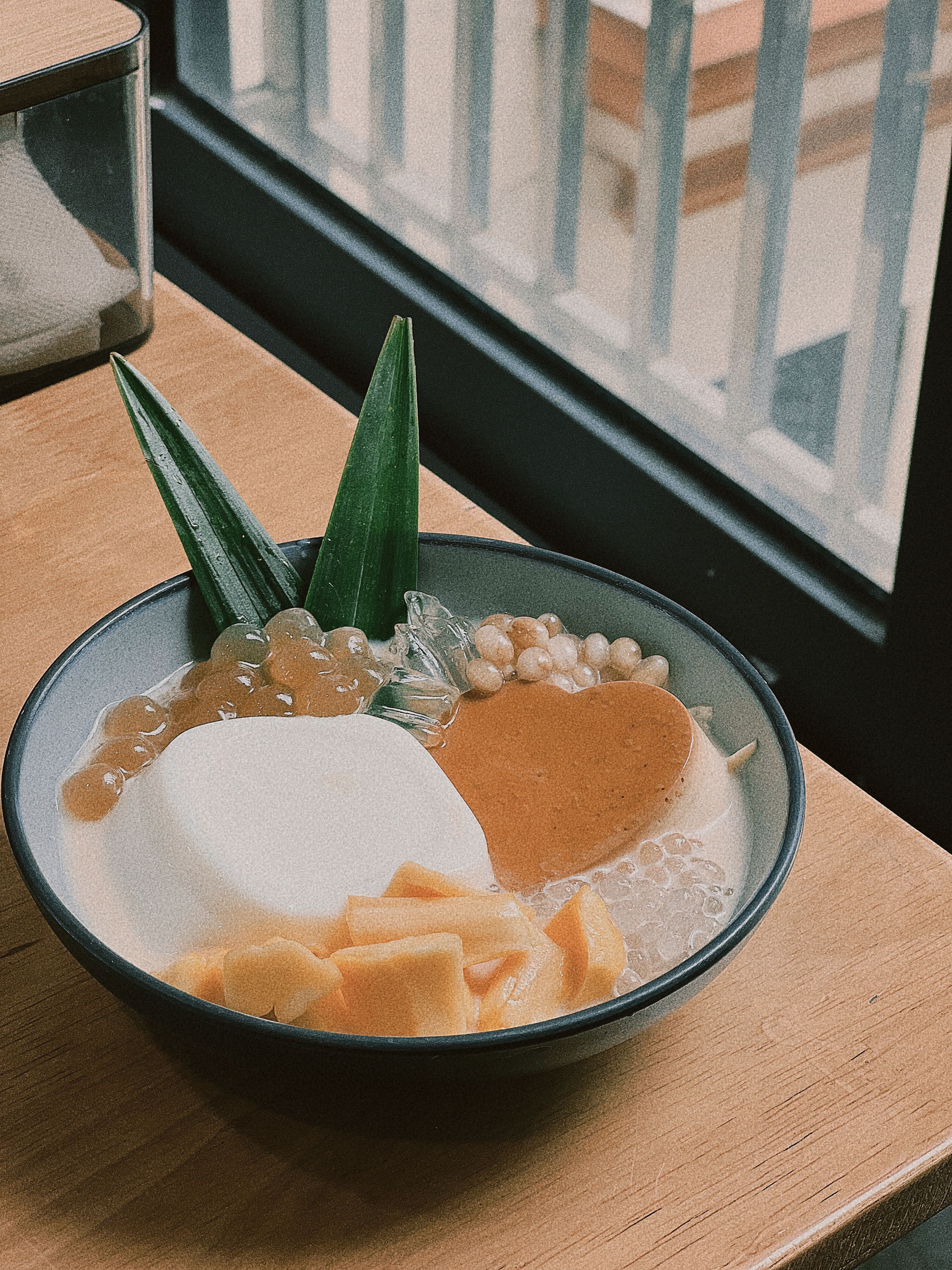
Taiwanese
Bubble Tea
The diets react (see scores below)
Common Ingredients
- tea
- tapioca pearls
- sugar
- milk
- water
- ice
Specific recipes may vary.
Incompatible with 11 of 11 diets
Diet Ratings
Bubble tea is fundamentally incompatible with a ketogenic diet. Tapioca pearls are made from cassava starch and are extremely high in net carbs — a standard serving contains roughly 50-75g of net carbs from the pearls alone, which exceeds the entire daily keto carb budget in a single drink. Added sugar compounds the problem further, and even without sweetener, the tapioca is a pure starch bomb. Milk adds additional lactose-based carbs. There is virtually no fat, no meaningful protein, and no fiber to offset the carb load. This drink would immediately spike blood glucose and knock anyone out of ketosis.
This bubble tea recipe contains dairy milk, which is an animal product and definitively non-vegan. The other ingredients — tea, tapioca pearls, sugar, and water — are plant-based and vegan-compatible. However, the inclusion of milk disqualifies the dish as listed. It is worth noting that bubble tea is easily made vegan by substituting dairy milk with plant-based alternatives such as oat milk, almond milk, soy milk, or coconut milk, which are widely available in bubble tea shops. The dish itself is not inherently non-vegan; it is only this specific formulation that fails.
Bubble tea contains multiple non-paleo ingredients that make it clearly incompatible with the Paleolithic diet. Tapioca pearls are derived from cassava starch but are heavily processed into a refined starch product, and more critically, they are typically made with added sugar and sometimes other additives. Refined sugar is a direct paleo exclusion. Milk is a dairy product, excluded from paleo. The combination of processed starch pearls, refined sugar, and dairy makes this drink unambiguously non-paleo by any mainstream interpretation. Tea and water are the only paleo-compliant components.
Bubble tea is a highly processed beverage that fundamentally contradicts Mediterranean diet principles. It contains significant added sugar, refined tapioca pearls (processed starch with minimal nutritional value), and is calorie-dense with little nutritional benefit. The Mediterranean diet emphasizes whole, minimally processed foods and strictly limits added sugars and refined carbohydrates. While tea itself is a Mediterranean-friendly beverage, the combination of added sugar, tapioca pearls, and sweetened milk transforms it into a sugary treat that aligns more with the 'minimal processed foods and added sugars' category to avoid.
Bubble tea is almost entirely plant-derived and processed, making it completely incompatible with the carnivore diet. Tapioca pearls are starchy carbohydrates derived from cassava root, tea is a plant extract, and sugar is a refined plant-based sweetener. The only potentially carnivore-adjacent ingredient is milk, but it is overwhelmed by multiple plant-based and processed components. This drink provides no animal protein, is loaded with sugar and starch, and contradicts every core principle of the carnivore diet.
Bubble tea contains multiple excluded ingredients. Sugar is explicitly banned as an added sweetener on Whole30. Milk is dairy, which is excluded. Tapioca pearls are made from tapioca starch (derived from cassava), but are typically sweetened with sugar and are a starchy, processed ingredient that mimics a junk food/dessert experience. Even if tapioca itself were considered compliant, the added sugar and dairy milk make this drink clearly off-limits. There is no compliant version of bubble tea as it is traditionally prepared.
Bubble tea as standardly served contains multiple FODMAP concerns. The primary issue is regular cow's milk, which is high in lactose and problematic during the elimination phase. Tapioca pearls themselves are made from tapioca starch (cassava), which is low-FODMAP, but the large quantity of sugar added to bubble tea (typically 25–50g per serving) introduces excess fructose risk depending on the glucose-fructose ratio in the sugar source. More critically, commercial bubble tea is almost always made with regular milk or condensed milk (very high lactose), sweetened syrups that may contain high-fructose corn syrup or honey-based sweeteners, and the portion sizes are large (400–700ml), amplifying any borderline FODMAP loads. Tea and water are safe. Ice is safe. Plain tapioca pearls at moderate quantities are generally low-FODMAP. However, the combination of lactose from milk and potentially problematic sweeteners at a standard commercial serving size makes this drink high-risk during the elimination phase.
Monash University has not specifically tested bubble tea as a composite drink, and some clinical FODMAP practitioners note that with substitutions (lactose-free milk or oat milk, cane sugar syrup without HFCS, and tapioca pearls in moderate amounts ~60g), a modified version could be low-FODMAP. However, as standardly ordered from a commercial vendor, the milk and sweetener components make it unsuitable for strict elimination.
Bubble tea is a heavily sweetened beverage that conflicts with core DASH diet principles in multiple ways. A typical serving contains 30-60g of added sugar, primarily from sugar syrups and sweetened milk, placing it squarely in the 'sugary beverages' category that DASH explicitly limits. Tapioca pearls are essentially refined starch with negligible nutritional value — no fiber, no potassium, no magnesium, no calcium — offering empty calories. The milk component, while providing some calcium, is typically whole milk or non-dairy creamers high in saturated fat. DASH guidelines call for limiting sweets and sugary beverages to ≤5 servings per week (and even then, small portions), but a single bubble tea can contain more added sugar than the entire weekly DASH allowance. The beverage provides none of the DASH-emphasized nutrients (potassium, calcium, magnesium, fiber) in meaningful amounts relative to its caloric and sugar load. It is essentially a dessert drink and should be treated as an occasional indulgence at best.
Bubble tea is essentially a liquid sugar delivery system with almost no Zone-friendly macronutrient balance. A typical serving contains 40-60g of high-glycemic carbohydrates — primarily from added sugar and tapioca pearls, which are made from starchy cassava with a very high glycemic index. There is negligible protein (trace amounts from milk) and minimal fat, making the 40/30/30 ratio essentially impossible to achieve with this drink as a component. The tapioca pearls are a pure high-GI starch with no fiber to offset their glycemic load. The added sugar is exactly what Dr. Sears warns against as a driver of eicosanoid imbalance and insulin spikes. Even small portions provide almost no Zone value — the carb block cost is enormous relative to any nutritional benefit, and the complete absence of meaningful protein or favorable fat makes balancing this in any Zone framework extremely difficult. Unlike a food that is merely 'unfavorable' but portion-controllable, bubble tea's liquid form makes it very easy to overconsume and its macro profile is fundamentally incompatible with Zone ratios.
Bubble tea is a poor fit for an anti-inflammatory diet in its standard form. The primary concerns are significant added sugar (typically 30–50g per serving, often from syrups or table sugar), tapioca pearls made from refined cassava starch with negligible fiber or micronutrients and a high glycemic index, and dairy milk which contributes saturated fat. High sugar intake is one of the clearest drivers of inflammatory markers like CRP and IL-6. Refined starches spike blood glucose and insulin, promoting a pro-inflammatory environment. While the tea base (usually black or green tea) does contain polyphenols and antioxidants with genuine anti-inflammatory value, these benefits are overwhelmed by the sugar load and refined starch. Commercial versions frequently add sweetened condensed milk, flavored syrups, or artificial additives, compounding the problem. Even a reduced-sugar or unsweetened version with non-dairy milk and skipped pearls would be a fundamentally different drink. As standardly prepared, this dish falls squarely into the 'limit to avoid' category under anti-inflammatory principles due to added sugar and refined starch dominance.
Bubble tea is a poor choice for GLP-1 patients on nearly every criterion. A standard serving (16 oz) typically contains 40-60g of added sugar with minimal protein (near 0g) and negligible fiber despite the tapioca pearls. Tapioca pearls are essentially pure refined starch — calorie-dense, nutritionally empty, and slow to digest, which compounds GLP-1-related delayed gastric emptying and can worsen bloating and nausea. The high sugar load delivers empty calories that crowd out the nutrient-dense foods patients need when eating significantly less. Milk contributes a small amount of protein but not enough to meaningfully offset the drawbacks. The sugar spike with no protein or fiber buffer is particularly problematic for blood sugar stability. This drink exemplifies the category of empty-calorie, high-sugar beverages that are counterproductive for GLP-1 patients.
*See how scores were generated at our methodology page.
Nutritional profile
Six traits that cut across every diet.
Fiber & Plants
How much whole-plant food and fiber it delivers.
Healthy Fats
The quality of its fats (unsaturated, omega-3).
Whole / Unprocessed
How close it is to its natural, unprocessed form.
Gut Gentle
How easy it is on digestion (low FODMAP, few irritants).
Low Glycemic
How little it spikes your blood sugar.
Protein Density
How much protein it packs per calorie.
Controversy Index
Higher controversy = more disagreement between diets.