Bulgarian
Snezhanka
The diets react (see scores below)
Common Ingredients
- strained yogurt
- cucumber
- garlic
- dill
- walnuts
- sunflower oil
- salt
Specific recipes may vary.
Incompatible with 5 of 11 diets
Diet Ratings
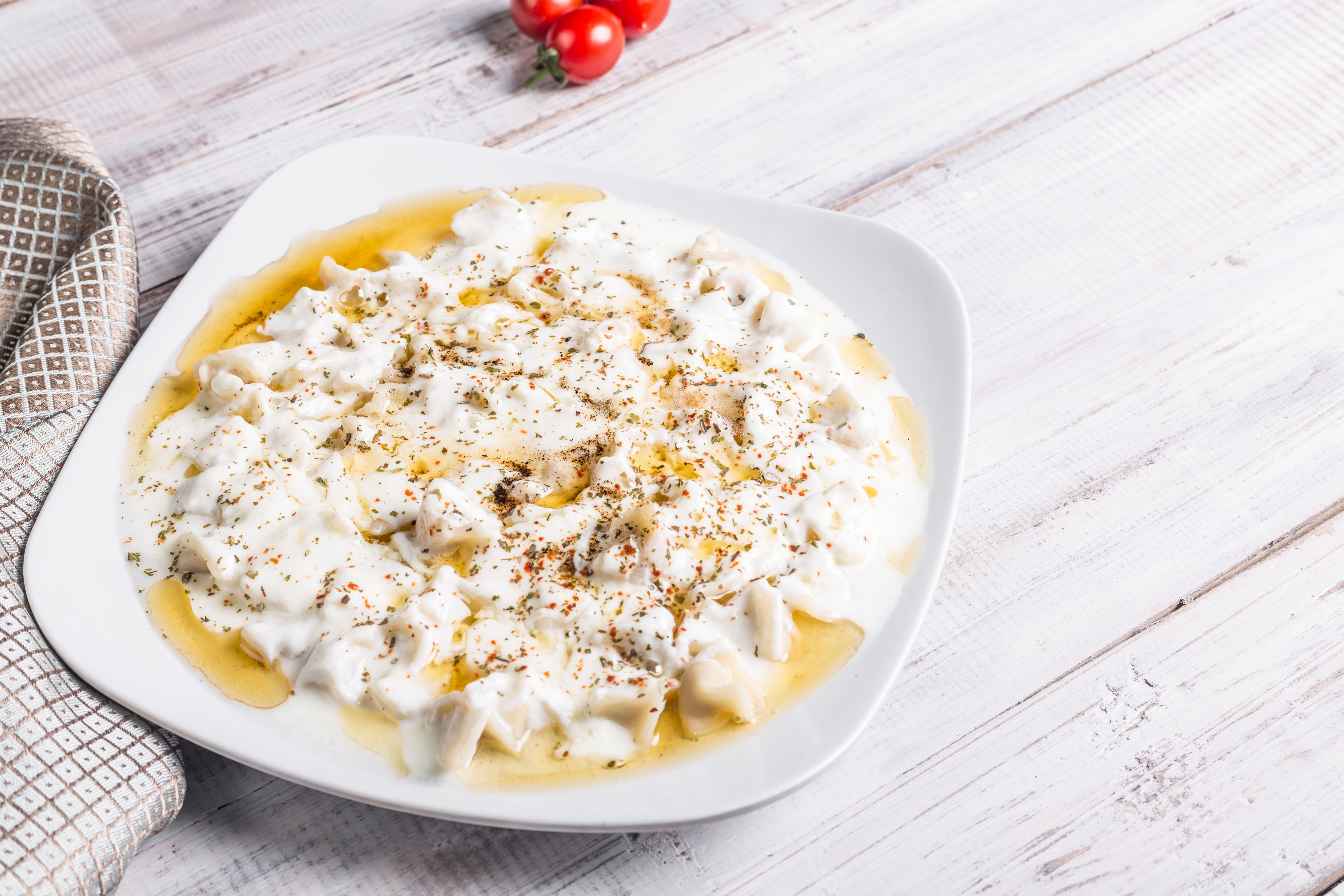
Snezhanka is a Bulgarian yogurt-based salad (similar to tzatziki) made with strained yogurt, cucumber, garlic, dill, walnuts, and sunflower oil. Most ingredients are keto-friendly: cucumber is low-carb, walnuts provide healthy fats, garlic and dill add negligible carbs, and sunflower oil adds fat. The main concern is the strained yogurt. Even strained (Greek-style), yogurt contains lactose, contributing roughly 6-8g of net carbs per 100g serving. A typical serving of Snezhanka (150-200g) could deliver 10-15g net carbs primarily from yogurt, which is manageable within a daily 20-50g keto budget but requires portion awareness. Walnuts add a small additional carb load (~2g net per 30g). The dish is moderate in fat and low in protein, fitting keto macros reasonably well if portions are controlled. This is a borderline food — fine for lazy or moderate keto practitioners watching their daily totals, but potentially risky if consumed in large portions or alongside other carb-containing foods.
Strict keto protocols often flag all yogurt, including strained varieties, due to lactose (milk sugar) content and the insulin response dairy can trigger in sensitive individuals; carnivore-adjacent keto practitioners would exclude it entirely on those grounds.
Snezhanka is a traditional Bulgarian yogurt-based salad (similar to tzatziki) whose primary ingredient is strained yogurt, which is an animal-derived dairy product. All other ingredients — cucumber, garlic, dill, walnuts, sunflower oil, and salt — are fully plant-based, but the dairy yogurt disqualifies the dish entirely from a vegan perspective. The dish could be made vegan by substituting strained plant-based yogurt (e.g., coconut or soy-based), but in its traditional form it is not vegan-compliant.
Snezhanka contains three clear paleo violations: strained yogurt (dairy — excluded by all mainstream paleo frameworks), sunflower oil (a seed oil explicitly banned in favor of animal fats, olive oil, or coconut oil), and added salt (excluded under paleo rules). While several ingredients are fully paleo-compliant — cucumber, garlic, dill, and walnuts are all hunter-gatherer foods — the foundational components of this dish are non-paleo. The yogurt is the structural base, and the sunflower oil and salt are standard additions to the recipe, meaning the dish cannot be considered paleo in its traditional form without a near-total reconstruction.
Snezhanka is a Bulgarian yogurt-cucumber salad with several Mediterranean-friendly components: cucumber and garlic are plant-based staples, dill is an aromatic herb, and walnuts are an excellent source of healthy fats strongly encouraged in the Mediterranean diet. The strained yogurt aligns with the moderate dairy allowance (a few servings per week). The main concern is sunflower oil as the primary fat — sunflower oil is not the Mediterranean-preferred fat (extra virgin olive oil is canonical). This single substitution prevents a full 'approve' rating, though the dish is otherwise wholesome and minimally processed. If olive oil were substituted for sunflower oil, this dish would score higher.
Some Mediterranean diet practitioners, particularly those acknowledging Eastern Mediterranean and Balkan regional traditions, may accept sunflower oil as a culturally appropriate vegetable fat in moderate use. However, mainstream Mediterranean diet guidelines (e.g., the traditional Mediterranean Diet pyramid by Oldways) specifically designate extra virgin olive oil as the preferred and primary fat source, making sunflower oil a notable departure.
Snezhanka is fundamentally incompatible with the carnivore diet. While strained yogurt is an animal-derived ingredient (debated even within carnivore), the dish is overwhelmingly plant-based: cucumber, garlic, dill, walnuts, and sunflower oil are all excluded plant foods. Walnuts are a nut (strictly avoided), sunflower oil is a plant-derived seed oil (one of the most discouraged foods on carnivore due to its high omega-6 polyunsaturated fat content), cucumber is a vegetable, and garlic and dill are plant-based aromatics/herbs. This dish has no viable carnivore version without a complete reconstruction — it cannot be modified or partially approved.
Snezhanka contains strained yogurt, which is a dairy product. Dairy is explicitly excluded on the Whole30 program — this includes all forms of yogurt, whether strained (like Greek-style) or regular. The remaining ingredients (cucumber, garlic, dill, walnuts, sunflower oil, salt) are all fully compliant, but the yogurt alone disqualifies the dish entirely. There is no compliant substitution that would preserve the identity of this dish.
Snezhanka contains two clear high-FODMAP ingredients that make it unsuitable during the elimination phase. First, garlic is one of the highest-FODMAP foods tested by Monash University — it contains significant fructans even in tiny amounts and is universally rated 'avoid' during elimination. There is no safe serving size of whole garlic. Second, strained yogurt (even Greek-style) retains lactose; while straining reduces lactose somewhat compared to regular yogurt, it still contains enough lactose to be high-FODMAP at a standard serving (Monash rates plain yogurt as high-FODMAP at a standard 200g serve; small portions of ~23g are low-FODMAP, which is unrealistically small for a salad dressing base). The remaining ingredients — cucumber, dill, walnuts (up to ~10 walnut halves), sunflower oil, and salt — are all low-FODMAP and non-problematic. However, the combination of garlic and lactose-containing yogurt in a dish where both are primary ingredients makes this a clear 'avoid' during elimination.
Snezhanka is a Bulgarian yogurt-based salad with several DASH-friendly components: cucumber (low-sodium vegetable), garlic, dill (herbs are excellent on DASH), walnuts (DASH-encouraged nuts), and sunflower oil (unsaturated vegetable oil). However, the base is strained yogurt, which is typically whole-milk and full-fat — DASH specifically emphasizes fat-free or low-fat dairy. The added salt is a concern as it can push sodium levels up depending on preparation generosity. Walnuts and sunflower oil contribute healthy unsaturated fats aligned with DASH. If made with low-fat or non-fat strained yogurt and minimal salt, this dish would score higher (7-8) and approach 'approve' territory. As commonly prepared with full-fat strained yogurt and a liberal hand with salt, a 'caution' rating is appropriate.
NIH DASH guidelines explicitly specify low-fat or fat-free dairy; however, updated clinical interpretations note that emerging research (e.g., Mozaffarian et al.) suggests full-fat dairy may not adversely affect cardiovascular outcomes and some DASH-oriented dietitians no longer categorically restrict full-fat yogurt, particularly fermented forms. The fermented nature of yogurt may also offer additional cardiometabolic benefits not captured in original DASH formulations.
Snezhanka is a Bulgarian strained yogurt and cucumber salad that has several Zone-friendly elements but also some concerns. Strained yogurt provides protein and some fat, cucumber is an excellent low-glycemic vegetable, garlic and dill are Zone-favorable flavor enhancers, and walnuts offer healthy fats (though higher in omega-6 than ideal Zone fats like almonds or olive oil). The main issues are: (1) sunflower oil is high in omega-6 fatty acids, which Sears specifically discourages due to its pro-inflammatory profile — this directly conflicts with Zone's anti-inflammatory emphasis; (2) strained yogurt contributes both protein and carbohydrates, but also some saturated fat, making block calculation slightly complex; (3) walnuts, while containing beneficial omega-3s, are still substantially omega-6-heavy. The dish lacks a meaningful lean protein source, so it functions better as a side dish or snack component rather than a complete Zone meal. As a side component paired with lean protein, it can work well — cucumber and yogurt together are reasonably balanced. The sunflower oil is the primary detractor from a Zone perspective.
Some Zone practitioners consider strained (Greek-style) yogurt a near-ideal Zone food due to its favorable protein-to-carb ratio and would rate this dish more favorably, particularly if the sunflower oil portion is small. Additionally, walnuts have been increasingly recognized in later Zone writings for their omega-3 ALA content, which partially offsets the omega-6 concern. The dish could score higher (7) if olive oil were substituted for sunflower oil.
Snezhanka (Bulgarian yogurt-cucumber salad) has a mixed anti-inflammatory profile. On the positive side: garlic is a well-established anti-inflammatory ingredient with allicin and organosulfur compounds shown to reduce inflammatory markers. Walnuts are one of the best plant-based sources of ALA omega-3 fatty acids and are explicitly emphasized in anti-inflammatory frameworks. Fresh cucumber contributes hydration, antioxidants, and quercetin. Dill provides flavonoids and polyphenols. Strained yogurt offers probiotics, which support gut health and can modulate systemic inflammation — though dairy remains context-dependent. The main concern is sunflower oil, which is high in omega-6 linoleic acid and is generally listed under 'avoid' or 'limit' in anti-inflammatory protocols due to its potential to skew the omega-6:omega-3 ratio. If the sunflower oil is used sparingly as a garnish drizzle (traditional preparation), the overall dish still leans modestly positive given the strong contributions from walnuts, garlic, and probiotics. Substituting extra virgin olive oil would substantially improve the anti-inflammatory profile. Rated as 'caution' rather than 'approve' primarily because of the sunflower oil and the low-fat dairy debate.
Most anti-inflammatory protocols flag sunflower oil as a problematic omega-6 source to avoid regularly (aligning with Dr. Weil's guidance and IF Rating system), but mainstream nutrition science (including the AHA) considers high-oleic sunflower oil acceptable; some cold-pressed versions are also viewed more favorably than refined seed oils. Additionally, Dr. Weil's framework does include moderate low-fat dairy, but stricter anti-inflammatory and AIP protocols caution against dairy for those with autoimmune or inflammatory conditions.
Snezhanka is a Bulgarian yogurt-cucumber salad with a reasonable nutritional profile for GLP-1 patients, but with notable limitations. Strained yogurt provides a modest protein base and probiotics, and cucumber adds hydration and easy digestibility. Dill and garlic are GLP-1-friendly. However, walnuts and sunflower oil together add meaningful fat per serving, which can worsen nausea and bloating in GLP-1 patients. The dish also lacks a substantial protein source — yogurt contributes some protein but not enough to anchor a meal toward the 15–30g per-meal target. As a side dish or small appetizer paired with a lean protein, it works reasonably well; as a standalone dish it falls short nutritionally for GLP-1 patients eating reduced volumes. Portion sensitivity matters here: a small serving keeps fat manageable, but a generous serving pushes fat higher. The strained yogurt is a positive — it is more protein-dense and easier to digest than regular yogurt, and supports the gut during GLP-1-related GI side effects.
Some GLP-1-focused dietitians view full-fat strained yogurt dishes with added nuts and oil cautiously, as the combined fat load — even in modest portions — can reliably trigger nausea or reflux in patients with slowed gastric emptying. Others consider walnuts a beneficial omega-3 fat source worth retaining, and would approve the dish at a reduced portion with oil omitted or minimized. Individual fat tolerance on GLP-1s varies significantly, making a single rating difficult.
*See how scores were generated at our methodology page.
Nutritional profile
Six traits that cut across every diet.
Fiber & Plants
How much whole-plant food and fiber it delivers.
Healthy Fats
The quality of its fats (unsaturated, omega-3).
Whole / Unprocessed
How close it is to its natural, unprocessed form.
Gut Gentle
How easy it is on digestion (low FODMAP, few irritants).
Low Glycemic
How little it spikes your blood sugar.
Protein Density
How much protein it packs per calorie.
Controversy Index
Higher controversy = more disagreement between diets.
Diet-Specific Tips
 Keto — 6/10
View tips
- Strained yogurt contains lactose (~6-8g net carbs per 100g), the primary carb source
- Cucumber is low-carb and keto-friendly
- Walnuts add healthy fats but contribute minor net carbs (~2g per 30g)
- Sunflower oil is acceptable but not as ideal as olive oil or butter (high in omega-6)
- Portion control is critical — a large serving can exceed 15g net carbs
- Garlic adds trace carbs but is negligible in typical quantities
- No added sugars or grains present
 Mediterranean — 6/10
View tips
- Strained yogurt is acceptable as moderate dairy per Mediterranean guidelines
- Cucumber, garlic, and dill are plant-based staples fully aligned with the diet
- Walnuts are a strongly encouraged healthy fat source
- Sunflower oil replaces the canonical extra virgin olive oil, reducing alignment
- No red meat, processed foods, refined grains, or added sugars
- Minimally processed, whole-ingredient dish overall
 DASH — 6/10
View tips
- Full-fat strained yogurt conflicts with DASH low-fat dairy recommendation
- Cucumber, garlic, and dill are DASH-positive vegetables and herbs
- Walnuts are explicitly encouraged on DASH (nuts and seeds group)
- Sunflower oil is an unsaturated vegetable oil, aligned with DASH
- Added salt raises sodium concern; preparation amount is variable
- No high-sodium processed ingredients beyond added salt
- Low-fat or non-fat strained yogurt substitution would improve DASH compatibility significantly
 Zone — 6/10
View tips
- Strained yogurt provides Zone-compatible protein and carbohydrate balance
- Cucumber is an excellent low-glycemic, favorable Zone vegetable
- Sunflower oil is high in omega-6 fatty acids, conflicting with Zone's anti-inflammatory principles
- Walnuts are acceptable Zone fat but less ideal than almonds or olive oil due to omega-6 content
- No lean protein source — functions as a side dish, not a complete Zone meal
- Garlic and dill are polyphenol-rich, supporting Zone's anti-inflammatory goals
- Portion control of walnuts and oil is essential for Zone block compliance
 Anti-Inflammatory — 6/10
View tips
- Walnuts: strong anti-inflammatory ALA omega-3 content — a significant positive
- Garlic: well-documented anti-inflammatory organosulfur compounds (allicin)
- Sunflower oil: high omega-6 linoleic acid, listed as 'avoid regularly' in most anti-inflammatory protocols
- Strained yogurt: probiotic benefits support gut-inflammation axis, but dairy is context-dependent
- Cucumber and dill: contribute polyphenols and antioxidants
- No added sugars, no refined carbohydrates, no processed ingredients — overall clean profile
- Substituting EVOO for sunflower oil would likely push this into 'approve' territory
 GLP-1 Friendly — 5/10
View tips
- Strained yogurt provides moderate protein and probiotics — GLP-1 positive
- Cucumber adds hydration and is very easy to digest
- Walnuts contribute beneficial omega-3 fats but also increase fat load per serving
- Sunflower oil adds unsaturated fat but further raises total fat, risking GLP-1 GI side effects
- No primary protein source — insufficient as a standalone meal for GLP-1 protein targets
- Small portion friendly as a side dish paired with lean protein
- Low sugar, not fried, not spicy — avoids major GLP-1 trigger categories
- Garlic may cause mild bloating in sensitive GLP-1 patients