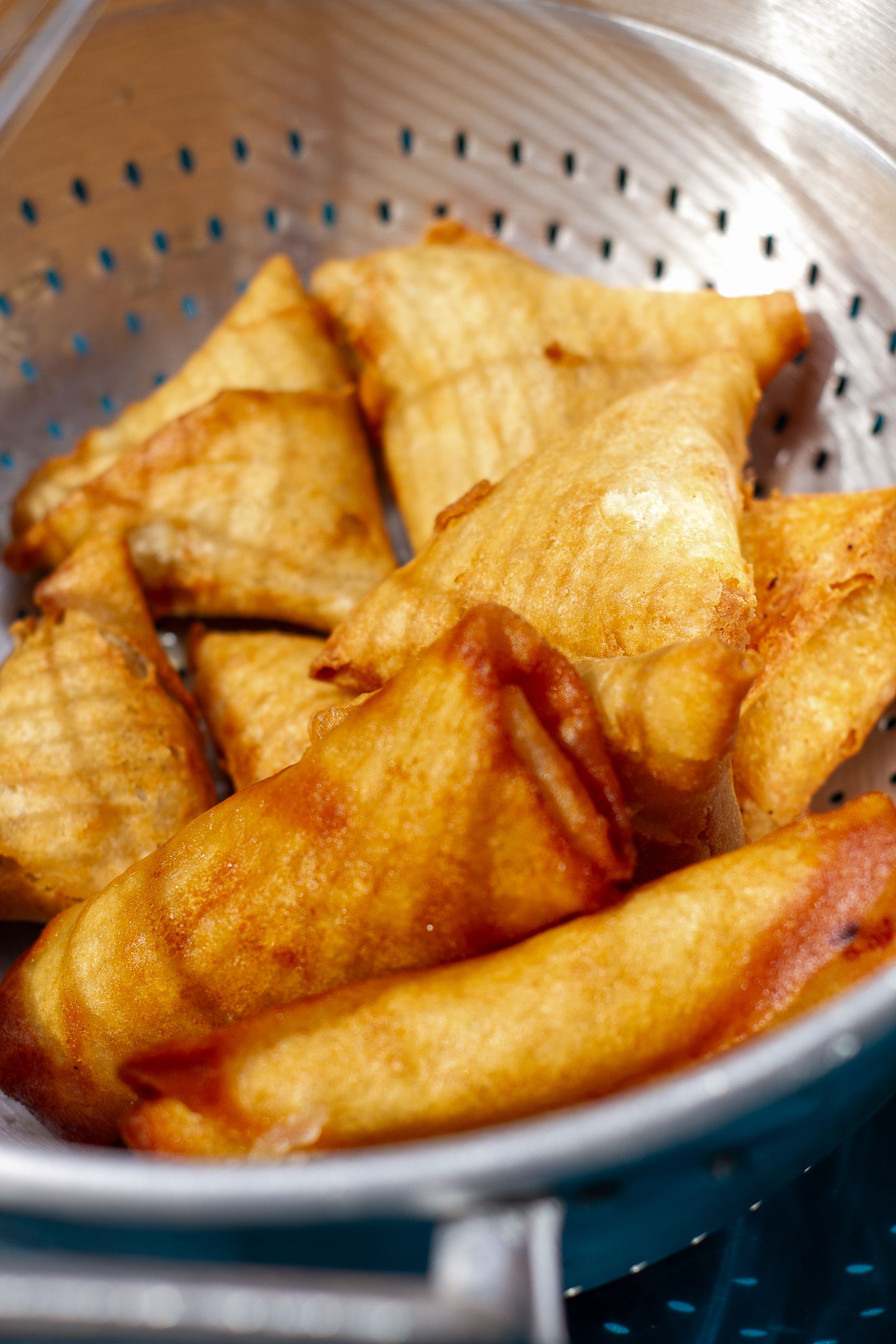
Photo: Hashtag Melvin / Pexels
Burmese
Samusa Thoke
The diets react (see scores below)
Common Ingredients
- samosas
- yellow split peas
- onion
- cabbage
- mint
- tamarind
- chili
- potato
- chickpea flour
Specific recipes may vary.
Incompatible with 5 of 11 diets
Diet Ratings
Samusa Thoke is fundamentally incompatible with a ketogenic diet. The dish is built around samosas (fried pastry shells made from wheat flour filled with potato and lentils), yellow split peas, potato, and chickpea flour — all of which are dense sources of net carbohydrates. Samosas alone contribute significant starch from both the pastry casing and potato filling. Yellow split peas and chickpeas are legumes with high net carb counts. Tamarind paste adds sugar-heavy carbs. Even a modest serving of this dish would almost certainly exceed the entire daily keto carb budget (20-50g net carbs) in a single portion. There are no meaningful fat macros to offset this, and the protein source (lentils/legumes) comes bundled with very high carbohydrate loads. This dish has no practical path to keto compatibility — it cannot be portion-controlled into ketosis.
Samusa Thoke is a Burmese samosa salad built on a strong plant-based foundation: yellow split peas, chickpeas (via chickpea flour), potato, cabbage, onion, mint, tamarind, and chili are all fully vegan. The critical variable is the samosas themselves. Traditional Burmese samosas are typically filled with spiced potatoes, lentils, or vegetables and fried in oil — making them vegan by default. However, samosas across South and Southeast Asian cuisines sometimes contain ghee in the pastry or minced meat in the filling, and restaurant versions may vary. Evaluated as a category, the dish scores well when prepared with plant-based samosas (the traditional Burmese style), but the samosa component introduces enough variability to warrant caution rather than a full approve. The overall dish is nutritionally solid, with legume-based protein and a variety of whole vegetables, so if samosas are confirmed vegan, this would comfortably score an 8-9.
Some vegans applying a strict whole-food standard would flag the deep-fried samosa pastry as a heavily processed component and note that commercial samosas frequently use ghee or lard in the dough, arguing the dish should only be approved when samosas are explicitly confirmed vegan and prepared without refined oils.
Samusa Thoke is fundamentally incompatible with the Paleo diet. The dish is built around samosas, which are deep-fried pastries made from wheat flour — a grain that is strictly excluded. Yellow split peas and chickpeas (via chickpea flour) are legumes, another major Paleo exclusion category. The dish's primary protein source is lentils, also a legume. Tamarind is generally acceptable, as are onion, cabbage, mint, chili, and potato (debated but tolerated by many). However, the core structural ingredients — wheat-based samosa wrappers, split peas, chickpea flour — make this dish impossible to approve under any mainstream interpretation of Paleo. There are no minor substitutions that could rescue this dish; it would need to be fundamentally reconstructed.
Samusa Thoke is a Burmese salad built around legumes (yellow split peas, chickpeas) and vegetables (cabbage, onion, mint, potato), which align well with Mediterranean principles. However, the dish's centerpiece is samosas — deep-fried pastry shells made from refined wheat flour — which represent processed, refined-grain elements typically fried in oil of unknown quality. The legume base, tamarind, and fresh herbs are strongly Mediterranean-compatible, but the fried refined-flour component introduces processed food characteristics that temper an outright approval. Overall this sits in a moderate zone: nutritionally rich in plant protein and fiber but undermined by the deep-fried refined dough component.
Some Mediterranean diet interpreters focused on the whole-diet pattern rather than individual ingredients might approve this dish, noting the dominant legume and vegetable content mirrors the spirit of a traditional bean-and-vegetable salad; the samosa portion could be treated as a minor condiment-like addition in a large salad context, similar to how croutons appear in Mediterranean salads.
Samusa Thoke is entirely plant-based and incompatible with the carnivore diet. Every single ingredient — samosas, yellow split peas, onion, cabbage, mint, tamarind, chili, potato, and chickpea flour — is plant-derived. The primary protein source is lentils (a legume), and the dish contains grains, vegetables, legumes, and plant-based spices. There is no animal product whatsoever. This is one of the clearest possible violations of carnivore diet principles.
Samusa Thoke contains multiple Whole30-excluded ingredients. Samosas are fried pastries made from wheat flour dough — grains are explicitly excluded. Yellow split peas and chickpeas (chickpea flour) are legumes, which are fully excluded from Whole30. The dish is fundamentally built on these excluded ingredients, making it incompatible regardless of the other components (onion, cabbage, mint, tamarind, chili, and potato are all fine on their own).
Samusa Thoke (Burmese samosa salad) contains multiple high-FODMAP ingredients that make it clearly unsuitable for the elimination phase. Samosas themselves are typically made with wheat-based pastry (high fructans) and often contain onion and garlic in the filling. Yellow split peas are high in GOS (galacto-oligosaccharides) at typical serving sizes. Onion is one of the highest-FODMAP foods tested by Monash, containing significant fructans even in small amounts. Chickpea flour (besan) is high in GOS and fructans. Tamarind is high-FODMAP due to excess fructose at typical serving quantities. Potato is low-FODMAP, cabbage is low-FODMAP at moderate servings, mint is low-FODMAP, and chili is low-FODMAP — but these safe ingredients are overwhelmed by the multiple high-FODMAP components. The dish has at least four independently high-FODMAP ingredients (onion, yellow split peas, wheat pastry in samosas, chickpea flour, tamarind), making avoidance during elimination phase unambiguous.
Samusa Thoke (Burmese samosa salad) presents a mixed DASH profile. The base ingredients — yellow split peas, chickpeas (via chickpea flour), lentils, cabbage, onion, mint, and tamarind — are genuinely DASH-friendly: high in fiber, potassium, and plant protein with negligible saturated fat. However, the dish is anchored by fried samosas, which are a significant concern: deep-frying adds substantial oil and likely saturated fat (depending on frying medium), and the pastry shell adds refined carbohydrates. Street-food and restaurant versions typically carry moderate-to-high sodium from seasoning and tamarind-chili sauces. The dish is not heavily processed or meat-based, which prevents an 'avoid' rating, but the fried samosa component — a core, non-optional element — means it cannot be approved as a DASH staple. Portion size matters considerably here: a small serving as a side is more defensible than a large main-course portion.
NIH DASH guidelines would flag the deep-fried samosa component due to added fat and refined starch. However, updated clinical interpretations note that the dish's dominant nutritional character — legumes, vegetables, tamarind, and herbs — aligns well with DASH principles, and some DASH-oriented dietitians argue that modest amounts of fried food within an otherwise high-legume, high-vegetable dietary pattern do not meaningfully undermine DASH outcomes, particularly if baked samosas are substituted.
Samusa Thoke is a Burmese salad built around fried samosas (wheat pastry dough, deep-fried), potato filling, chickpea flour, and yellow split peas. The dish has several Zone-unfavorable characteristics: (1) Fried samosa shells contribute refined carbohydrates and likely omega-6-heavy frying oils — both problematic for Zone's anti-inflammatory emphasis. (2) Potato is explicitly flagged as unfavorable/high-glycemic in Zone methodology. (3) The chickpea flour adds additional starchy carbs. (4) The fat profile is dominated by saturated/omega-6 fats from frying, not monounsaturated fats. On the positive side, yellow split peas and chickpeas provide legume-based protein and fiber that lower net carb load, and the salad components — cabbage, mint, onion — are favorable low-glycemic vegetables. Tamarind and chili add polyphenols. The protein source (lentils/split peas) is acceptable in Zone but requires 3g fat blocks per 7g protein rather than 1.5g. The overall macro ratio is likely carbohydrate-heavy and fat-imbalanced, making it difficult to place into Zone blocks without significant modification (e.g., removing samosa shells, reducing potato, adding a lean protein). As served in a traditional preparation, this dish skews too high-glycemic and too omega-6 heavy to approve, but the legume base and vegetable components prevent a full avoid rating.
Some Zone practitioners applying Sears' later work (The OmegaRx Zone, Zone Perfect Meals in Minutes) might note that legume-heavy dishes like this, despite their starchy carb content, have a lower glycemic index than their ingredients suggest due to fiber content in split peas and chickpeas. A portioned serving alongside additional lean protein could potentially be worked into a Zone meal plan as an 'unfavorable but usable' carbohydrate block, similar to how Sears treats beans generally as borderline-favorable carbs.
Samusa Thoke is a Burmese salad built around fried samosas, which introduces the main anti-inflammatory concern: the samosa shells are deep-fried, likely in refined seed oils (corn, sunflower, or similar high-omega-6 oils), and made from refined white flour — both pro-inflammatory elements. The potato filling inside the samosas adds refined starch load. However, the dish has meaningful anti-inflammatory assets: yellow split peas and chickpea flour are legumes with fiber, plant protein, and modest anti-inflammatory profiles. Tamarind provides polyphenols and antioxidants. Chili contains capsaicin, a well-documented anti-inflammatory compound. Mint offers flavonoids. Onion contributes quercetin. Cabbage is a cruciferous vegetable with anti-inflammatory glucosinolates. The salad format means these vegetables and legumes are consumed raw or minimally processed, preserving their bioactive compounds. On balance, the dish is a mixed profile: a genuinely anti-inflammatory vegetable and legume salad undermined by the fried, refined-flour samosa component, which is central to the dish rather than incidental. It is not a dish to avoid entirely, but the frying medium and refined carbohydrates prevent an approval.
Some anti-inflammatory practitioners would rate this more favorably, arguing that the legume and vegetable density, combined with tamarind and chili, outweighs the modest fried component — particularly if samosas are made with whole-grain wrappers or baked. Conversely, stricter anti-inflammatory protocols (e.g., those emphasizing glycemic load and seed oil avoidance) would push this toward 'avoid' given the fried refined flour and likely high-omega-6 frying oil.
Samusa Thoke is a Burmese salad built around fried samosas, yellow split peas, potato, and chickpea flour, dressed with tamarind and chili. The dish has some genuine GLP-1 positives — yellow split peas and chickpeas provide meaningful plant-based protein and fiber, and the vegetable components (cabbage, onion, mint) add nutrient density with minimal calories. However, the dominant structural issue is the samosas: these are deep-fried pastry pockets filled with starchy potato, and they are the centerpiece of the dish. Fried foods worsen GLP-1 side effects (nausea, bloating, reflux) due to slowed gastric emptying combined with high fat load. The overall protein density per calorie is modest — lentils and chickpeas contribute, but there is no high-density animal or complete plant protein, and the dish skews carbohydrate-heavy (potato, fried dough, chickpea flour). Chili is present and may trigger reflux or GI discomfort in sensitive patients, which is common on GLP-1 medications. Tamarind adds a small sugar load. Portion size matters significantly here — a small amount of the legume and vegetable components alongside a minimal samosa quantity is more defensible than a standard restaurant serving. This dish is not a categorical avoid because the legume base has real nutritional value, but in its typical form it sits in caution territory due to the fried component and carbohydrate-to-protein ratio.
Some GLP-1-focused dietitians may rate this more favorably if the samosa portion is small and the legume-vegetable base is emphasized, arguing that plant-based fiber and protein from split peas and chickpeas support GLP-1 goals adequately. Others would push this toward avoid, citing that fried foods should not be conditionally approved for GLP-1 patients given how reliably they worsen GI side effects in clinical practice.
*See how scores were generated at our methodology page.
Nutritional profile
Six traits that cut across every diet.
Fiber & Plants
How much whole-plant food and fiber it delivers.
Healthy Fats
The quality of its fats (unsaturated, omega-3).
Whole / Unprocessed
How close it is to its natural, unprocessed form.
Gut Gentle
How easy it is on digestion (low FODMAP, few irritants).
Low Glycemic
How little it spikes your blood sugar.
Protein Density
How much protein it packs per calorie.
Controversy Index
Higher controversy = more disagreement between diets.
Diet-Specific Tips
 Vegan — 6/10
View tips
- Samosas are the key variable — traditional Burmese versions are potato/lentil-filled and plant-based, but pastry may contain ghee in some recipes
- Yellow split peas, chickpea flour, potato, cabbage, onion, mint, tamarind, and chili are all unambiguously vegan
- Primary protein (lentils/split peas) is whole-food and plant-based
- Dish is nutritionally strong when samosas are vegan-confirmed
- Deep-frying of samosas is a minor concern for whole-food plant-based advocates but not a vegan compliance issue
 Mediterranean — 5/10
View tips
- Yellow split peas and chickpea flour provide excellent plant-based protein and fiber — Mediterranean staples
- Fresh vegetables (cabbage, onion, mint) and tamarind align with plant-forward Mediterranean principles
- Samosas are deep-fried in refined pastry dough — a processed, refined-grain element discouraged by Mediterranean guidelines
- Frying oil type is unknown; likely not extra virgin olive oil, reducing compatibility
- No red meat, no added sugar, no dairy — positives for Mediterranean alignment
- Overall dish is plant-dominant but the fried component prevents full approval
 DASH — 4/10
View tips
- Fried samosas add significant oil and likely saturated fat depending on frying medium
- Yellow split peas, chickpea flour, and lentils are excellent DASH-compatible legume sources
- Cabbage, onion, and mint contribute fiber, potassium, and micronutrients
- Tamarind-chili dressing is typically low in sodium but acidity and spice vary
- Sodium content can be moderate-to-high in restaurant/street-food preparations
- No red meat or added sugars; plant-protein dominant
- Portion control critical — small serving is more DASH-compatible than large portions
- Substituting baked or air-fried samosas would significantly improve the DASH score
 Zone — 4/10
View tips
- Fried samosa shells add refined carbohydrates and omega-6-heavy frying oils — anti-inflammatory concern
- Potato is explicitly unfavorable/high-glycemic in Zone methodology
- Yellow split peas and chickpeas provide legume protein and fiber, moderating net carb load
- Fat profile skews omega-6 (frying oil) rather than monounsaturated — Zone unfavorable
- Cabbage, mint, and onion are favorable low-glycemic Zone vegetables
- Tamarind and chili contribute polyphenols consistent with Sears' anti-inflammatory emphasis
- Overall macro ratio likely carbohydrate-heavy, making Zone block balancing difficult without modification
- No lean animal protein — vegetarian protein blocks require double fat blocks per Zone rules
 Anti-Inflammatory — 5/10
View tips
- Samosas are deep-fried in likely high-omega-6 refined seed oil — pro-inflammatory
- Refined white flour pastry in samosa shells — raises glycemic load
- Yellow split peas and chickpea flour: legumes with fiber and anti-inflammatory properties
- Chili pepper: capsaicin is a well-documented anti-inflammatory compound
- Tamarind: polyphenol-rich, antioxidant properties
- Cabbage: cruciferous vegetable with glucosinolates
- Mint: flavonoids and antioxidants
- Onion: quercetin content supports anti-inflammatory profile
- No omega-3 sources, no olive oil, no whole grains present
- Potato adds starchy, moderate glycemic load
 GLP-1 Friendly — 4/10
View tips
- Samosas are deep-fried — high fat content worsens GLP-1 GI side effects
- Yellow split peas and chickpeas provide fiber and moderate plant protein — genuine positives
- Overall protein density per calorie is low; no high-density protein source present
- High carbohydrate load from fried dough and potato relative to protein
- Chili content may worsen reflux or nausea in GLP-1 patients
- Tamarind adds modest sugar load
- Vegetable components (cabbage, onion, mint) are GLP-1 friendly
- Portion-sensitive: smaller legume-forward servings are more acceptable than standard restaurant portions