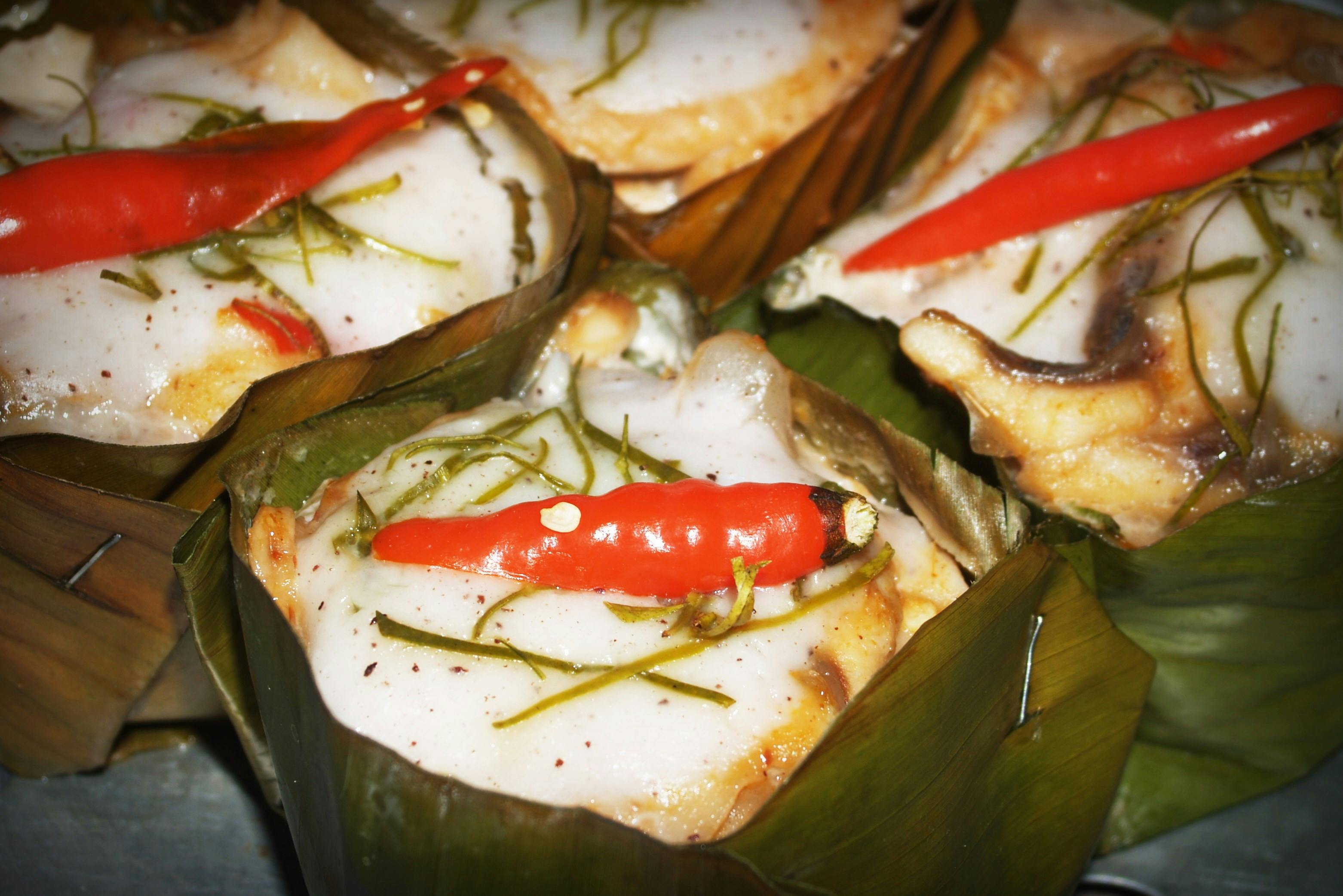
The diets react (see scores below)
Common Ingredients
- fish fillets
- coconut milk
- lemongrass
- galangal
- turmeric
- kaffir lime leaves
- eggs
- fish sauce
- palm sugar
- shrimp paste
Specific recipes may vary.
Incompatible with 5 of 11 diets
Diet Ratings
Amok Trey is a Cambodian fish curry steamed in coconut milk with aromatic herbs. Most ingredients are keto-friendly: fish provides quality protein, coconut milk delivers healthy fats, and the spices (lemongrass, galangal, turmeric, kaffir lime leaves, shrimp paste) add negligible carbs. However, palm sugar is a direct concern — it is a significant added sugar used in traditional recipes to balance flavors, which is incompatible with strict keto. The quantity of palm sugar per serving varies but even small amounts can disrupt ketosis for carb-sensitive individuals. Fish sauce adds minor natural sugars. In restaurant servings, palm sugar usage can be heavy. A home-prepared version with palm sugar omitted or minimized would shift this closer to an approve, but the traditional dish as described warrants caution.
Strict keto practitioners would argue that any added sugar — including palm sugar — disqualifies this dish entirely, as even trace amounts can trigger an insulin response and break ketosis in sensitive individuals. Lazy keto followers may approve a small restaurant portion, reasoning that the total net carbs from palm sugar in one serving may remain under their daily threshold.
Amok Trey contains multiple animal-derived ingredients that categorically exclude it from any vegan diet. Fish fillets are the primary protein, eggs are used as a binding agent in the curry paste/custard, fish sauce is a fermented fish product, and shrimp paste is derived from crustaceans. These are not trace or incidental ingredients — they are structural and flavor-defining components of the dish. No meaningful vegan adaptation exists under this recipe without fundamentally reimagining it as a different dish.
Amok Trey is a traditionally prepared Cambodian fish curry with several strong paleo-compliant ingredients — fish fillets, eggs, coconut milk, lemongrass, galangal, turmeric, and kaffir lime leaves are all fully paleo-approved. However, three ingredients create concerns: (1) Fish sauce typically contains added salt and sometimes sugar or preservatives, conflicting with strict paleo's no-added-salt and no-processed-food rules; (2) Palm sugar is a natural sweetener but still a refined/concentrated sugar product, placing it in the 'caution' category alongside other natural sweeteners; (3) Shrimp paste is a fermented, heavily salted processed condiment that strict paleo would flag for its salt content and processing. The dish's foundation is excellent paleo territory, but these three flavoring agents prevent a clean approval. A paleo-adapted version using minimal fish sauce, omitting or minimizing palm sugar, and substituting or reducing shrimp paste would score much higher.
Some paleo practitioners — particularly those following a more ancestral or primal framework like Mark Sisson's Primal Blueprint — tolerate traditionally fermented condiments like fish sauce and shrimp paste, viewing fermentation as an ancestral food preparation method. They may also permit small amounts of natural sweeteners like palm sugar used as flavor agents rather than primary ingredients, arguing that context and quantity matter more than blanket exclusions.
Amok Trey features fish as its primary protein, which is a Mediterranean diet cornerstone. However, the dish diverges from Mediterranean principles in several ways. Coconut milk is a saturated fat source not traditional to the Mediterranean, replacing the preferred extra virgin olive oil. Palm sugar adds refined/added sugars. Shrimp paste and fish sauce are high-sodium processed condiments not aligned with Mediterranean cooking. On the positive side, the spice and herb profile (lemongrass, galangal, turmeric, kaffir lime leaves) offers anti-inflammatory phytonutrients, and eggs are acceptable in moderation. The dish is whole-food-forward and not heavily processed, but the coconut milk base and added sugar prevent a full approval.
Some modern Mediterranean diet interpreters, particularly those focused on anti-inflammatory eating patterns more broadly, may view coconut milk more favorably as a plant-derived fat, and turmeric is widely lauded in integrative medicine contexts. In this framing, the dish's herb-rich, fish-centered profile could warrant a more positive assessment despite non-traditional fats.
Amok Trey is a Cambodian fish curry that, while built on an animal protein base (fish fillets, eggs, fish sauce, shrimp paste), is overwhelmingly dominated by plant-derived ingredients that are entirely excluded from the carnivore diet. Coconut milk is a plant-based fat source. Lemongrass, galangal, turmeric, and kaffir lime leaves are plant aromatics and spices. Palm sugar is a plant-derived sweetener — particularly problematic as it is a sugar addition. The dish is fundamentally a plant-spice curry paste preparation, not an animal product meal. Even the most lenient carnivore practitioners who permit trace spices would reject coconut milk, palm sugar, and the volume of plant aromatics here. Fish sauce and shrimp paste are carnivore-compatible, and fish fillets and eggs are acceptable to most practitioners, but these carnivore-friendly components are minor players in a dish whose identity is entirely defined by its plant-based curry paste and coconut milk base.
Amok Trey contains palm sugar, which is an added sugar explicitly excluded on the Whole30 program. Additionally, shrimp paste commonly contains added sugar and/or preservatives that may not be compliant. Fish sauce should also be checked for added sugar, as many commercial versions include it. Even setting aside the shrimp paste and fish sauce label concerns, palm sugar alone disqualifies this dish as traditionally prepared.
Amok Trey is a Cambodian fish curry steamed in coconut milk with aromatic herbs. Most ingredients are individually low-FODMAP: fish fillets are safe, coconut milk is low-FODMAP at standard servings (up to 1/2 cup), lemongrass is low-FODMAP in typical culinary amounts, galangal is generally considered low-FODMAP in small quantities, turmeric is low-FODMAP, kaffir lime leaves are used in small quantities and are low-FODMAP, eggs are low-FODMAP, and fish sauce is low-FODMAP in typical amounts. The two problematic ingredients are shrimp paste and palm sugar. Shrimp paste is fermented and concentrated — while it is used in small amounts, its FODMAP content is not well characterized by Monash and some practitioners advise caution. Palm sugar contains fructose and the fructose-to-glucose ratio matters; at small culinary amounts it may be tolerable, but if used generously it can tip into excess fructose territory. Coconut milk quantity in a restaurant dish may also exceed the low-FODMAP threshold of ~1/2 cup. The dish is likely tolerable if prepared with minimal palm sugar and shrimp paste, but the uncertainty around these ingredients and the cumulative FODMAP load from coconut milk warrants caution rather than approval.
Monash University has not specifically tested shrimp paste or palm sugar in depth, and clinical FODMAP practitioners often advise caution with fermented seafood pastes and concentrated sweeteners during the strict elimination phase due to unpredictable fructose and polyol content. A home-prepared version with controlled quantities may be safer than a restaurant version.
Amok Trey presents multiple significant concerns for DASH compatibility. Coconut milk is high in saturated fat from a tropical oil source, which DASH explicitly limits. Fish sauce and shrimp paste are both extremely high in sodium — fish sauce can contain 1,000–1,500mg sodium per tablespoon alone, and shrimp paste adds further sodium load, making this dish difficult to fit within DASH's 1,500–2,300mg/day sodium ceiling. Palm sugar contributes added sugars. Palm-derived ingredients (palm sugar) also align with tropical oil concerns. On the positive side, fish is a lean DASH-encouraged protein, and the aromatics (lemongrass, galangal, turmeric, kaffir lime) are nutritionally neutral or mildly beneficial. However, the combination of high-sodium condiments plus high-saturated-fat coconut milk places this dish firmly in 'avoid' territory for standard DASH adherence.
NIH DASH guidelines explicitly limit sodium-dense condiments and saturated fat from tropical oils. However, some updated clinical interpretations of DASH note that the fish base and anti-inflammatory aromatics like turmeric have cardiovascular benefits, and that a modified version using light coconut milk with reduced fish sauce and low-sodium alternatives could shift this dish toward 'caution' — though the traditional preparation as commonly consumed remains problematic.
Amok Trey has several Zone-friendly elements alongside some meaningful concerns. On the positive side, fish is an excellent lean protein source with omega-3 fatty acids, directly aligning with Sears' anti-inflammatory emphasis. The aromatic ingredients (lemongrass, galangal, turmeric, kaffir lime leaves) contribute polyphenols with negligible macronutrient impact, and turmeric specifically is celebrated in Zone literature for its anti-inflammatory properties. Eggs contribute additional protein and fat in a favorable ratio. The primary concern is coconut milk, which is high in saturated fat — particularly lauric acid — and calorie-dense. Traditional amok uses generous amounts of coconut milk, which can significantly skew the fat ratio toward saturated fat and push total fat well above the 30% Zone target. Palm sugar adds glycemic load, though the quantity is typically modest. Fish sauce and shrimp paste are seasoning-level ingredients and pose minimal macro disruption. With portion control (reducing coconut milk quantity or using light coconut milk) and pairing with a large serving of low-glycemic vegetables, Amok Trey can be incorporated into a Zone meal plan, but as prepared traditionally it is not an easy Zone-balanced dish.
Sears' later writings, particularly 'The Zone Diet' updates focused on anti-inflammatory nutrition, took a more nuanced view of coconut-derived saturated fat. Some Zone practitioners note that the medium-chain triglycerides (MCTs) in coconut milk are metabolized differently than long-chain saturated fats, and that the overall anti-inflammatory profile of a fish-based dish with turmeric and polyphenol-rich aromatics may outweigh the saturated fat concern in context. These practitioners might rate Amok Trey more favorably (score 6-7) if portions are managed.
Amok Trey is a nuanced dish from an anti-inflammatory perspective. On the positive side, fish fillets (especially white fish) provide lean protein and some omega-3s, though not at the level of fatty fish like salmon or mackerel. The spice paste is genuinely impressive: turmeric contributes curcumin (a well-documented anti-inflammatory compound), galangal and lemongrass are rich in polyphenols and bioactive compounds with anti-inflammatory properties, and kaffir lime leaves add antioxidant flavonoids. These spices collectively push the dish toward a favorable profile. However, full-fat coconut milk is the primary concern — it is high in saturated fat (lauric acid), which most anti-inflammatory frameworks recommend limiting. While some researchers argue lauric acid behaves differently from other saturated fats (raising HDL alongside LDL), mainstream anti-inflammatory guidance including Dr. Weil's pyramid still recommends limiting coconut milk to occasional use. Palm sugar adds moderate amounts of refined sugar, which is mildly pro-inflammatory. Fish sauce and shrimp paste contribute sodium and fermented umami but are used in small amounts. Eggs are moderate in the anti-inflammatory framework. Overall, the powerful spice base partially offsets the saturated fat load from coconut milk, but the dish cannot be fully approved due to the high saturated fat content and added sugar.
Some integrative nutrition practitioners (including those aligned with functional medicine approaches) argue that coconut milk's medium-chain triglycerides (MCTs), particularly lauric acid, have antimicrobial and potentially anti-inflammatory properties, and that whole-food saturated fats behave differently from processed ones — making this dish more favorable than a strict Weil-framework reading would suggest. Conversely, strict anti-inflammatory protocols would likely score this lower given the combination of full-fat coconut milk and palm sugar.
Amok Trey is a Cambodian steamed fish curry featuring lean white fish as its primary protein — a genuinely GLP-1-friendly base. The fish and eggs together provide meaningful protein (estimated 20-28g per serving depending on portion size), and the dish is steamed or gently cooked, making it easy to digest. The aromatic spices (lemongrass, galangal, turmeric, kaffir lime leaves) are anti-inflammatory and pose no GLP-1 concern. However, the central issue is full-fat coconut milk, which is high in saturated fat and significantly increases the fat load per serving. A typical restaurant portion of Amok Trey may contain 15-25g of fat, predominantly saturated, which can worsen GLP-1 side effects including nausea, bloating, and reflux due to slowed gastric emptying interacting poorly with high-fat content. Palm sugar adds a modest sugar load and empty calories. Fish sauce and shrimp paste contribute sodium but are used in small quantities and are not primary concerns. The dish is low in fiber, which is a missed opportunity given the GLP-1 priority on digestive health. Overall, a promising protein source undermined by a high-saturated-fat coconut milk base — acceptable occasionally in a small portion, but not an ideal regular GLP-1 meal without modification (e.g., light coconut milk substitution).
Some GLP-1-focused dietitians accept coconut milk dishes in moderate portions, noting that the medium-chain triglycerides (MCTs) in coconut milk may be more readily metabolized than other saturated fats and that the protein and micronutrient density of fish-based dishes justifies inclusion. Others are more restrictive, arguing that any high-saturated-fat dish meaningfully worsens nausea and reflux in GLP-1 patients, particularly in the first several months of treatment when GI side effects peak.
*See how scores were generated at our methodology page.
Nutritional profile
Six traits that cut across every diet.
Fiber & Plants
How much whole-plant food and fiber it delivers.
Healthy Fats
The quality of its fats (unsaturated, omega-3).
Whole / Unprocessed
How close it is to its natural, unprocessed form.
Gut Gentle
How easy it is on digestion (low FODMAP, few irritants).
Low Glycemic
How little it spikes your blood sugar.
Protein Density
How much protein it packs per calorie.
Controversy Index
Higher controversy = more disagreement between diets.
Diet-Specific Tips
 Keto — 5/10
View tips
- Palm sugar is an added sugar incompatible with strict keto
- Coconut milk is a high-fat, keto-friendly base
- Fish provides lean, high-quality protein
- Aromatic spices contribute minimal net carbs
- Fish sauce contains trace sugars but in small quantities
- Traditional preparation may vary significantly in palm sugar content
- Home cooking allows palm sugar to be omitted for a keto-compliant version
 Paleo — 5/10
View tips
- Fish fillets: fully paleo-approved protein source
- Coconut milk: approved paleo fat source
- Eggs: approved
- Lemongrass, galangal, turmeric, kaffir lime leaves: all paleo-approved herbs and spices
- Fish sauce: contains added salt and often additives — flagged under strict paleo
- Palm sugar: natural but concentrated/refined sweetener — caution category
- Shrimp paste: fermented, heavily salted processed condiment — strict paleo concern
- Overall dish concept is ancestral and whole-food-based; concerns are condiment-specific
 Mediterranean — 5/10
View tips
- Fish is a Mediterranean-approved primary protein, ideally eaten 2-3 times weekly
- Coconut milk introduces high saturated fat, not aligned with olive oil as the primary fat
- Palm sugar adds unwanted refined sugar content
- Aromatic spices (turmeric, lemongrass, galangal) provide anti-inflammatory benefits
- Shrimp paste and fish sauce are processed, high-sodium condiments
- Eggs are acceptable in moderation within Mediterranean guidelines
- No olive oil, whole grains, legumes, or vegetables present
 Zone — 5/10
View tips
- Fish is a Zone-ideal lean protein with beneficial omega-3 fatty acids
- Coconut milk is high in saturated fat and calories, complicating the Zone 30% fat target
- Palm sugar adds glycemic load, though typically used in small amounts
- Turmeric, lemongrass, galangal, and kaffir lime contribute polyphenols aligned with Sears' anti-inflammatory focus
- Eggs complement the protein block appropriately
- Traditional preparation uses heavy coconut milk, making macro balancing difficult without modification
- Light coconut milk substitution or reduced quantity would significantly improve Zone compatibility
- Dish lacks vegetable carbohydrate sources needed to complete a Zone-balanced meal
 Anti-Inflammatory — 6/10
View tips
- Turmeric (curcumin) is a well-established anti-inflammatory spice — a strong positive
- Galangal and lemongrass contribute polyphenols and bioactive anti-inflammatory compounds
- Full-fat coconut milk is high in saturated fat, which anti-inflammatory guidelines recommend limiting
- Fish protein is lean and provides some omega-3s, though white fish is less potent than fatty fish
- Palm sugar adds refined sugar, mildly pro-inflammatory
- Kaffir lime leaves add antioxidant flavonoids
- Fish sauce and shrimp paste are used in small quantities — high sodium but not a primary concern at culinary doses
- Eggs are a moderate-rated ingredient in anti-inflammatory frameworks
 GLP-1 Friendly — 5/10
View tips
- Lean fish is an excellent GLP-1-compatible protein source — strong positive
- Full-fat coconut milk introduces significant saturated fat load, worsening potential nausea and reflux
- Steamed or gently cooked preparation is easy to digest — positive
- Palm sugar adds modest empty calories with no nutritional benefit
- No meaningful fiber content — missed GLP-1 dietary priority
- Aromatic spices are anti-inflammatory and GLP-1-neutral
- Portion sensitivity is high — a smaller serving reduces fat load meaningfully
- Modification with light coconut milk would improve the score to approximately 7