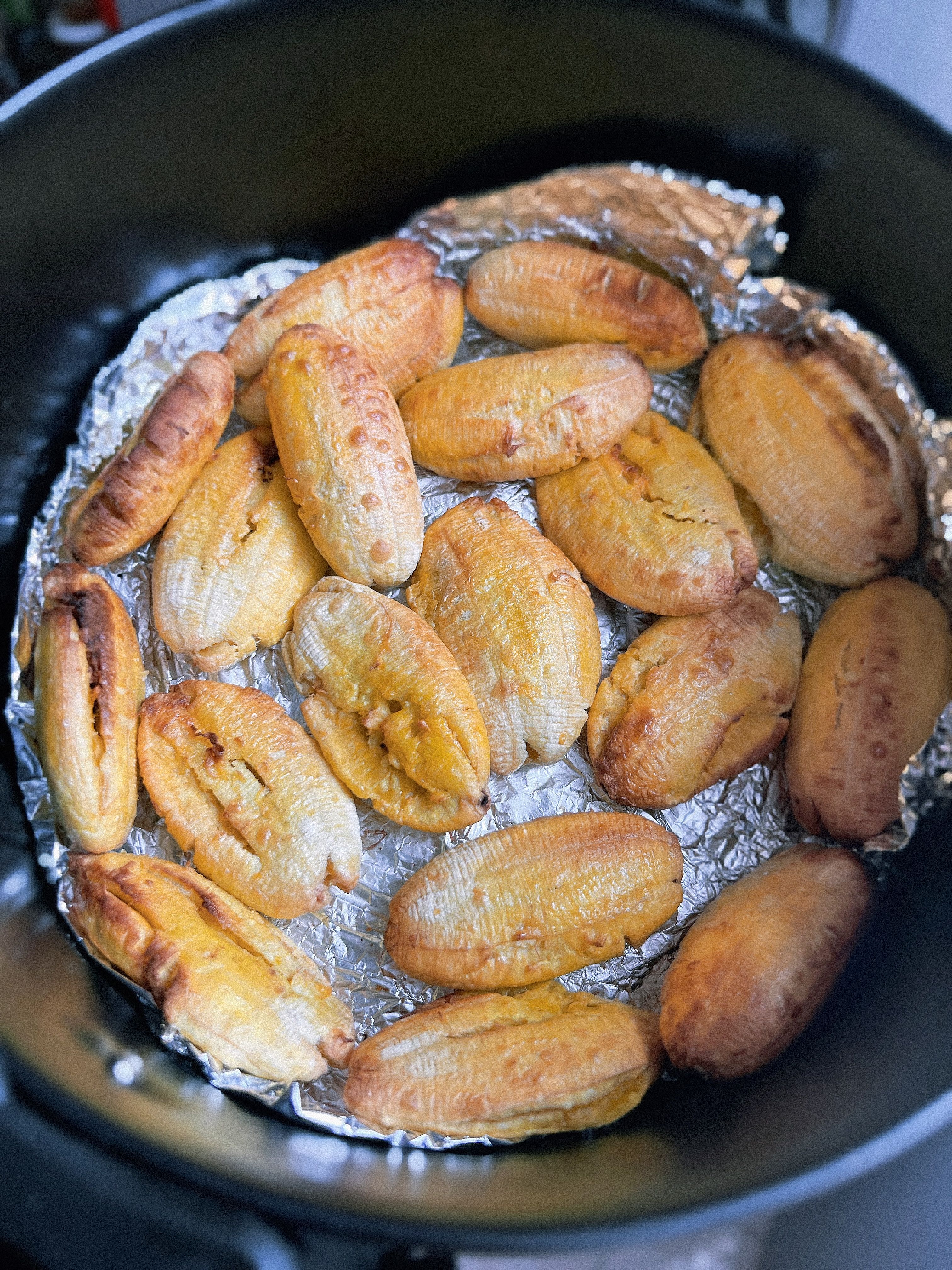
The diets react (see scores below)
Common Ingredients
- black-eyed peas
- palm oil
- onions
- chili
- banana leaves
- salt
- spinach
Specific recipes may vary.
Incompatible with 5 of 11 diets
Diet Ratings
Koki is a traditional Cameroonian dish made primarily from black-eyed peas (cowpeas), which are a high-carbohydrate legume. A standard serving of black-eyed peas contains approximately 20-25g of net carbs per half-cup, making even a small portion of Koki capable of consuming the entire daily keto carb budget. While palm oil is an excellent keto-friendly fat and spinach, onions, and chili are low-carb additions, the foundational ingredient — black-eyed peas — is fundamentally incompatible with ketosis. Beans and legumes are universally excluded from ketogenic diets due to their high starch content. The dish cannot be modified to be keto-friendly without removing its primary ingredient entirely.
Koki is a traditional Cameroonian dish made entirely from plant-based ingredients: black-eyed peas, palm oil, onions, chili, spinach, salt, and banana leaves used as a wrapper. Every ingredient is derived from plants, making it fully vegan in terms of animal product exclusion. However, the use of palm oil introduces a notable point of contention within the vegan community. Palm oil is botanically plant-derived and contains no animal ingredients, but its production is strongly associated with large-scale deforestation, destruction of orangutan and other wildlife habitats, and significant environmental harm. Many ethical vegans and vegan organizations consider these environmental and animal-welfare consequences relevant to vegan principles, leading them to avoid palm oil. Beyond the palm oil debate, Koki is otherwise a wholesome, minimally processed, whole-food plant-based dish with a solid nutritional profile from legumes and leafy greens, which would otherwise merit a high approval score.
Strict ethical vegans and some vegan organizations argue that palm oil's role in habitat destruction and indirect harm to wildlife (particularly orangutans) makes it incompatible with vegan values, which extend beyond just avoiding direct animal consumption. In contrast, plant-based-diet vegans who focus solely on the absence of animal ingredients consider palm oil fully acceptable, as no animals are used in its production.
Koki is a traditional Cameroonian dish built on a legume base (black-eyed peas), which places it firmly outside paleo guidelines. Legumes are explicitly excluded from the paleo diet due to their lectin and phytate content, which are considered anti-nutrients. Additionally, salt is added, which is also discouraged. Palm oil, while not a seed oil, is sometimes debated but generally accepted in its unrefined form — however, it cannot redeem a dish whose primary protein is a legume. The remaining ingredients (onions, chili, spinach, banana leaves) are paleo-compliant, but the foundational ingredient is a clear violation.
Koki is a nutritious Cameroonian dish built around black-eyed peas (legumes), spinach, onions, and chili — all strongly aligned with Mediterranean diet principles. Legumes are a cornerstone of the Mediterranean diet, and the vegetable additions are excellent. However, the primary fat is palm oil rather than extra virgin olive oil. Palm oil is high in saturated fat (~50%), which conflicts with the Mediterranean diet's emphasis on olive oil as the nearly exclusive fat source. The dish is otherwise whole-food, plant-forward, and minimally processed, which keeps it from being rated lower.
Some Mediterranean diet researchers who focus on whole-food, plant-based patterns rather than specific fat profiles may view palm oil more neutrally than refined fats or animal fats, particularly since it is unrefined red palm oil in traditional preparations, which retains carotenoids and vitamin E. However, mainstream Mediterranean diet guidelines (including those from the Harvard T.H. Chan School of Public Health and the traditional Cretan diet model) consistently identify extra virgin olive oil as the canonical fat and do not include palm oil as an acceptable substitute.
Koki is entirely plant-based and incompatible with the carnivore diet. Every single ingredient — black-eyed peas, palm oil, onions, chili, banana leaves, and spinach — is plant-derived. Black-eyed peas are legumes, which are among the most explicitly excluded foods on the carnivore diet due to their carbohydrate content, lectins, and antinutrients. Palm oil is a plant-based oil, excluded in favor of animal fats like tallow and lard. Onions, chili, spinach, and banana leaves are all plant foods. There is no animal product of any kind in this dish. This is about as far from carnivore-compliant as a food can get.
Koki is a traditional Cameroonian dish made primarily from black-eyed peas, which are legumes. Legumes are explicitly excluded on the Whole30 program. While the specific exceptions for legumes (green beans, sugar snap peas, and snow peas) exist, black-eyed peas do not fall under any of these exceptions. All other ingredients — palm oil, onions, chili, banana leaves, salt, and spinach — are fully Whole30-compliant, but the primary ingredient (black-eyed peas) makes this dish incompatible with the program.
Koki is a traditional Cameroonian dish made primarily from black-eyed peas (cowpeas), which are high in GOS (galacto-oligosaccharides) — a major FODMAP category. Even though soaking and cooking can reduce GOS content somewhat, a standard serving of black-eyed peas remains high-FODMAP. Onions compound the problem significantly, as they are one of the highest-fructan foods tested by Monash University and are used as a primary flavoring ingredient. Chili pepper in small amounts is generally low-FODMAP, palm oil is low-FODMAP (fat-soluble), banana leaves are used as a wrapper and not consumed, spinach is low-FODMAP at standard servings, and salt is neutral. However, the combination of black-eyed peas and onions makes this dish clearly high-FODMAP and unsuitable during the elimination phase.
Monash University has tested canned legumes and found that thorough rinsing can reduce GOS, making some legumes low-FODMAP at very small portions (e.g., canned chickpeas at 1/4 cup). However, Koki is made from dried/soaked black-eyed peas as the bulk ingredient, not canned, and no realistic serving size of this dish would fall within a low-FODMAP threshold — most clinical FODMAP practitioners would unambiguously advise avoidance during elimination.
Koki is a Cameroonian steamed bean cake made from black-eyed peas, palm oil, and vegetables. Black-eyed peas are an excellent DASH food — high in potassium, magnesium, fiber, and plant protein, all core DASH nutrients. Spinach and onions add further micronutrient value. However, palm oil is a tropical oil high in saturated fat (~50% saturated), which DASH explicitly limits alongside coconut and palm kernel oils. The amount of palm oil used in traditional Koki can be substantial, elevating saturated fat intake meaningfully. Salt is added during preparation, contributing sodium. The dish is not heavily processed and contains no added sugars or red meat, which are positives. On balance, the bean and vegetable base is strongly DASH-aligned, but the palm oil content pulls the rating down to caution territory. Reducing palm oil quantity or substituting with canola or olive oil would significantly improve the DASH score.
NIH DASH guidelines explicitly recommend against tropical oils including palm oil due to their saturated fat content. However, some updated clinical interpretations note that palm oil (distinct from palm kernel oil) contains roughly equal saturated and monounsaturated fats plus vitamin E tocotrienols, and some DASH-oriented dietitians in African culinary contexts suggest modest use within an otherwise DASH-compliant diet rather than categorical exclusion, particularly when total saturated fat intake remains within daily limits.
Koki is a traditional Cameroonian dish made from ground black-eyed peas steamed in banana leaves with palm oil, onions, chili, and spinach. From a Zone perspective, this dish has several notable characteristics. Black-eyed peas provide both protein and carbohydrates — they are a vegetarian protein source, meaning fat blocks must be counted at 3g per block rather than 1.5g. They are relatively low-glycemic legumes (GI ~42) and Zone-favorable as a carb source. Spinach and onions are excellent low-glycemic Zone-favorable vegetables. The primary concern is palm oil, which is high in saturated fat (palmitic acid) and is specifically the type of fat Dr. Sears cautioned against in his anti-inflammatory framework due to its pro-inflammatory potential and lack of monounsaturated fat profile. However, palm oil is not a trans fat and does contain some tocotrienols with antioxidant properties. The dish is also carb-heavy relative to protein since beans serve dual macro roles, making achieving a true 40/30/30 ratio challenging without supplementing with additional lean protein. As a side dish, it can fit into a Zone meal if paired with a lean protein source and the palm oil quantity is moderated.
Some Zone practitioners and Sears' later anti-inflammatory writings draw a sharper distinction between saturated fats: while palm oil is generally unfavorable in the Zone's anti-inflammatory framework, the red palm oil used in African cooking contains significant amounts of tocotrienols and carotenoids which have antioxidant properties. Additionally, black-eyed peas are among the more Zone-favorable legumes due to their relatively low glycemic index and good fiber content. A more permissive Zone interpretation could rate this dish higher (6-7) if palm oil quantities are modest and the dish is served alongside additional lean protein to balance the macros.
Koki is a traditional Cameroonian dish made from ground black-eyed peas steamed in banana leaves with palm oil, onions, chili, spinach, and salt. The ingredient profile is a genuine mix of anti-inflammatory positives and negatives. On the positive side: black-eyed peas are a legume rich in fiber, plant protein, and polyphenols — strongly emphasized in anti-inflammatory frameworks. Spinach is a leafy green loaded with antioxidants (lutein, zeaxanthin, vitamins C and K) and anti-inflammatory flavonoids. Chili peppers contain capsaicin, which has documented anti-inflammatory properties. Onions provide quercetin, a notable anti-inflammatory flavonoid. Steaming in banana leaves is a whole-food, clean cooking method with no additives. The significant counterpoint is palm oil: red/crude palm oil is rich in tocotrienols (a form of vitamin E with anti-inflammatory properties) and beta-carotene, which some researchers consider a net positive. However, it is high in saturated fat (palmitic acid, ~50%), which most anti-inflammatory frameworks — including Dr. Weil's — recommend limiting. The anti-inflammatory community is split on palm oil: some distinguish red palm oil (less processed) from refined palm oil, while others lump both into the 'limit saturated fats' category. Overall, this is a nutrient-dense whole-food dish with a meaningful pro-inflammatory element from palm oil. It is compatible with anti-inflammatory eating in moderation, particularly if red/unrefined palm oil is used in reasonable amounts.
A minority view within anti-inflammatory nutrition holds that red (unrefined) palm oil — the form traditionally used in West African cooking like Koki — deserves special consideration: its high tocotrienol and beta-carotene content may offset some of the saturated fat concern, and traditional diet researchers argue it should not be equated with refined palm oil or processed palm kernel oil. However, mainstream anti-inflammatory authorities including Dr. Weil classify palm oil alongside other high-saturated-fat oils to be used sparingly, and it remains categorically different from the emphasized oils like extra virgin olive oil or flaxseed oil.
Koki is a traditional Cameroonian dish made from ground black-eyed peas steamed in banana leaves with palm oil, onions, chili, and spinach. It has a meaningful nutritional profile for a GLP-1 patient but is held back primarily by its palm oil content. Black-eyed peas provide a solid combination of plant-based protein (roughly 7-8g per 100g cooked) and dietary fiber (6-8g per 100g), both top priorities for GLP-1 patients. Spinach adds micronutrient density. The steaming method (via banana leaves) is gentle and produces an easily digestible texture, which suits GLP-1 patients dealing with slowed gastric emptying. However, palm oil is high in saturated fat, and the quantity used in traditional koki recipes is substantial — this is the primary concern. High saturated fat intake worsens GLP-1 side effects including nausea, bloating, and reflux, and is generally discouraged. The chili content may also trigger reflux or GI discomfort in sensitive patients. As a side dish in a small portion, koki can contribute fiber and plant protein meaningfully, but the fat load needs to be managed.
Some GLP-1-focused dietitians may take a more permissive view of plant-based dishes like koki, arguing that the fiber and protein from black-eyed peas outweigh the saturated fat concern when consumed in small portions, particularly for patients who tolerate legumes well. Others would flag palm oil as a firm limit given how reliably high saturated fat worsens GI side effects in GLP-1 patients, and would recommend a modified version using a reduced amount of olive or avocado oil instead.
*See how scores were generated at our methodology page.
Nutritional profile
Six traits that cut across every diet.
Fiber & Plants
How much whole-plant food and fiber it delivers.
Healthy Fats
The quality of its fats (unsaturated, omega-3).
Whole / Unprocessed
How close it is to its natural, unprocessed form.
Gut Gentle
How easy it is on digestion (low FODMAP, few irritants).
Low Glycemic
How little it spikes your blood sugar.
Protein Density
How much protein it packs per calorie.
Controversy Index
Higher controversy = more disagreement between diets.
Diet-Specific Tips
 Vegan — 6/10
View tips
- All ingredients are plant-derived — no animal products present
- Palm oil is botanically vegan but contested among ethical vegans due to environmental destruction and wildlife impact
- Black-eyed peas provide substantial plant protein and fiber
- Banana leaves used as a cooking wrapper are fully plant-based
- Spinach adds micronutrients, supporting whole-food plant-based criteria
- Dish is minimally processed and rooted in traditional whole-food cooking
 Mediterranean — 5/10
View tips
- Black-eyed peas are a Mediterranean diet staple — excellent legume base
- Spinach, onions, and chili are strongly encouraged plant foods
- Palm oil is the primary fat, not extra virgin olive oil — high in saturated fat
- No processed ingredients, refined grains, or added sugars
- Whole-food, plant-forward dish overall
- Not part of Mediterranean culinary tradition, but ingredient quality largely aligns
 DASH — 5/10
View tips
- Black-eyed peas are a DASH-approved legume — high in fiber, potassium, magnesium, and plant protein
- Palm oil is a tropical oil high in saturated fat (~50%), explicitly limited by DASH guidelines
- Spinach adds potassium, magnesium, and calcium supporting DASH nutrient targets
- Added salt increases sodium load; amount depends on preparation
- No red meat, no added sugar, not heavily processed — positives for DASH
- Reducing palm oil or substituting with olive/canola oil would raise the DASH score significantly
 Zone — 5/10
View tips
- Palm oil is high in saturated fat, conflicting with Zone's preference for monounsaturated fats like olive oil or avocado oil
- Black-eyed peas are Zone-favorable as a low-glycemic carb source with good fiber content (net carbs are manageable)
- Beans serve dual protein/carb roles in Zone vegetarian blocks, requiring 3g fat per fat block rather than 1.5g
- Spinach and onions are excellent Zone-approved low-glycemic vegetables
- Achieving true 40/30/30 ratio is difficult with beans as sole protein; pairing with lean protein is recommended
- As a side dish, this can complement a Zone meal but should not be the only protein source
- No trans fats or processed ingredients; whole-food composition is a Zone positive
 Anti-Inflammatory — 5/10
View tips
- Black-eyed peas: excellent anti-inflammatory legume, high in fiber and plant polyphenols
- Palm oil: high in saturated fat (palmitic acid ~50%) — a primary anti-inflammatory concern; red palm oil has tocotrienols and beta-carotene as mitigating factors
- Spinach: rich in anti-inflammatory antioxidants (lutein, zeaxanthin, vitamin C, flavonoids)
- Chili peppers: capsaicin has well-documented anti-inflammatory properties
- Onions: quercetin content is a meaningful anti-inflammatory flavonoid
- Steaming in banana leaves: clean, additive-free cooking method — no inflammatory cooking fats introduced
- No refined carbohydrates, added sugars, or processed additives
 GLP-1 Friendly — 5/10
View tips
- Black-eyed peas provide meaningful plant protein and fiber — both top GLP-1 priorities
- Palm oil is high in saturated fat, a significant concern for GLP-1 GI side effects
- Steamed preparation method supports easy digestibility — no frying
- Chili content may worsen reflux or nausea in sensitive GLP-1 patients
- Spinach adds micronutrient density with minimal caloric cost
- Portion-sensitive: small servings improve the fat-to-nutrient ratio considerably
- Works better as an occasional side than a dietary staple on GLP-1 therapy