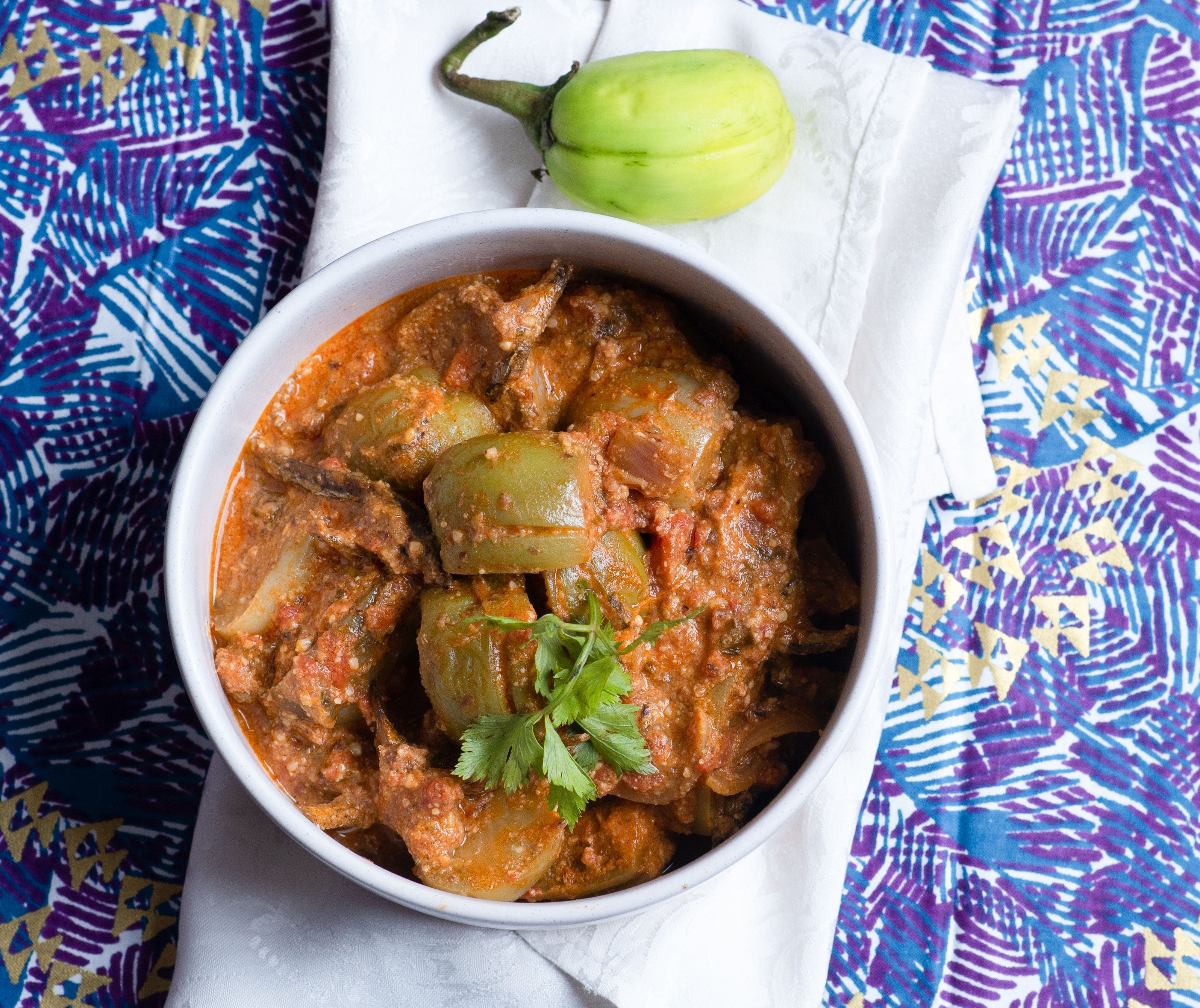
Photo: Lionel Ntasano / Pexels
The diets react (see scores below)
Common Ingredients
- goat meat
- plantains
- garlic
- ginger
- onions
- chili
- country spices
- palm oil
Specific recipes may vary.
Incompatible with 6 of 11 diets
Diet Ratings
Kondre is a traditional Cameroonian stew that is fundamentally incompatible with keto due to the inclusion of plantains as a primary ingredient. Plantains are starchy fruits with very high net carbs — a single medium plantain contains approximately 50-55g of net carbs, which alone exceeds the entire daily keto carb allowance. While the other ingredients (goat meat, garlic, ginger, onions, chili, palm oil) are largely keto-friendly or manageable in small quantities, the plantains are a core structural component of the dish and cannot simply be omitted without fundamentally changing the recipe. The goat meat provides good-quality protein and fat, and palm oil is an excellent keto fat source, but these positives are entirely overshadowed by the plantain content.
Kondre is a traditional Cameroonian stew whose primary protein is goat meat, a clear animal product that is entirely incompatible with a vegan diet. The remaining ingredients — plantains, garlic, ginger, onions, chili, country spices, and palm oil — are all plant-based, but the presence of goat meat alone disqualifies the dish from any vegan approval. There is no meaningful debate within the vegan community about the status of goat meat.
Kondre is a traditional Cameroonian dish built on goat meat, plantains, and aromatic vegetables — most of which are paleo-friendly. Goat meat is an excellent unprocessed protein source fully approved by paleo guidelines. Garlic, ginger, onions, and chili are all whole-food vegetables and spices with no paleo objection. Plantains are a starchy fruit generally accepted in paleo, though their high carbohydrate content leads some practitioners to consume them in moderation. The primary concern is palm oil: while it is a natural, minimally processed fat from a fruit (the oil palm) and is not a seed oil, it sits in a gray area for paleo. It is not one of the explicitly preferred fats (animal fats, olive oil, coconut oil, avocado oil), and some paleo authorities question its omega-6 fatty acid profile and processing methods used commercially. 'Country spices' is an umbrella term for West African spice blends — assuming these are whole dried herbs and spices with no added salt, preservatives, or fillers, they are acceptable; however, the ambiguity of this ingredient introduces uncertainty. No grains, legumes, dairy, refined sugar, or seed oils are present.
Strict paleo adherents following Cordain's original framework may flag palm oil as a processed fat to avoid, preferring only animal fats or cold-pressed oils like coconut or olive oil. Additionally, some practitioners caution that commercial palm oil undergoes refining steps that compromise its nutritional profile, arguing it should be treated similarly to other industrially processed fats.
Kondre is a traditional Cameroonian stew combining goat meat with plantains and palm oil. From a Mediterranean diet perspective, this dish presents several issues: goat is red meat, which the Mediterranean diet limits to only a few times per month. Palm oil, while plant-derived, is high in saturated fat and is not part of the Mediterranean dietary tradition — extra virgin olive oil is the canonical fat source. Together, red meat and palm oil make this dish a poor fit for regular Mediterranean diet adherence. The plantains, garlic, ginger, onions, and chili are all positive plant-based components, preventing the lowest scores, but they are insufficient to offset the core incompatibilities.
Some modern Mediterranean diet interpreters apply a broader 'plant-forward, whole food' lens and note that goat is actually leaner than beef or pork and has been consumed in Mediterranean coastal and island regions (e.g., Greece, Cyprus, parts of North Africa). Under this view, an occasional goat stew could be treated as a 'limited red meat' serving rather than an outright avoid, particularly given the vegetable-rich context of the dish.
Kondre is a traditional Cameroonian stew that combines goat meat with numerous plant-based ingredients that are strictly excluded on a carnivore diet. While goat meat is an excellent carnivore-approved protein, the dish is built around plantains (a starchy fruit), garlic, ginger, onions, chili, country spices, and palm oil — all plant-derived ingredients. Plantains alone represent a significant carbohydrate-dense plant food, and palm oil is a plant oil rather than an animal fat. The spice blend and aromatics further compound the plant load. The goat meat itself would score highly in isolation, but as prepared in this dish, the overwhelming majority of ingredients violate carnivore principles, making the dish incompatible with the diet.
Kondre is a traditional Cameroonian stew of goat meat and plantains, which are both Whole30-compliant proteins and vegetables. Garlic, ginger, onions, chili, and palm oil are all explicitly allowed. The two points of uncertainty are: (1) 'country spices' is a vague, catch-all term for traditional West/Central African spice blends that may include legume-based ingredients, fermented seeds (e.g., dawadawa/locust beans, which are a legume), or other unspecified additives — this requires careful label-reading or knowledge of the specific blend used; (2) palm oil is Whole30-compliant as a natural fat, but commercially prepared versions should be checked for additives. The dish itself is conceptually compliant — whole animal protein, starchy vegetable, aromatics, and natural fat — but the ambiguity of 'country spices' prevents a confident approval without verification.
The official Whole30 program would likely approve this dish if the 'country spices' are confirmed to be pure herbs and spices with no excluded ingredients (e.g., no legume-derived additives like locust bean). Community practitioners may flag that traditional 'country spice' blends in Cameroonian cooking often include dawadawa (fermented African locust beans), which is a legume and therefore excluded — making label or recipe verification essential.
Kondre contains multiple high-FODMAP ingredients that make it unsuitable during the elimination phase. Garlic and onions are among the highest-FODMAP foods tested by Monash University, both being dense sources of fructans with no safe serving size in standard cooking quantities. Plantains (unripe/green) have been tested by Monash and are considered low-FODMAP at approximately 1/3 medium plantain, but ripe plantains become higher in fructans as starches convert during ripening — traditional Kondre typically uses mature plantains in generous portions. Goat meat itself is a plain protein and is low-FODMAP. Ginger is low-FODMAP at small amounts (1 teaspoon fresh). Palm oil is low-FODMAP (fat-soluble, no FODMAPs). Chili is generally low-FODMAP in moderate amounts. The 'country spices' (likely a blend of African spices such as njangsa, calabash nutmeg, or other regional spices) are poorly characterized in Monash data and add uncertainty. The dish is fundamentally compromised by garlic and onions, which cannot be easily substituted or portion-controlled in a traditional preparation — even trace amounts of cooked garlic and onion in dishes are sufficient to trigger symptoms in sensitive individuals.
Monash University rates garlic and onion as high-FODMAP with no safe threshold in standard servings, making this dish clearly problematic. Some clinical FODMAP practitioners suggest that slow-cooking may slightly reduce fructan load, but this is not supported by Monash data and is not considered sufficient to make garlic- and onion-based dishes safe during the elimination phase.
Kondre is a traditional Cameroonian stew featuring goat meat and plantains as core components, which have some DASH-positive qualities, but the dish is significantly undermined by the use of palm oil. Palm oil is a tropical oil high in saturated fat (~50% saturated), which DASH explicitly limits alongside coconut and palm kernel oils. Goat is a lean red meat that DASH would categorize as an occasional food requiring portion control. Plantains, garlic, ginger, onions, and chili are all DASH-friendly ingredients rich in potassium, fiber, and beneficial phytonutrients. However, the combination of palm oil (a disqualifying fat source per DASH) and red meat in a stew format — where the oil is integral to the dish rather than a minor addition — places this firmly in the avoid category. Country spices are generally DASH-neutral or beneficial. The overall fat profile driven by palm oil is the primary concern.
NIH DASH guidelines explicitly limit tropical oils including palm oil due to saturated fat content. However, some updated clinical interpretations note that palm oil contains oleic acid and tocotrienols with potentially neutral-to-positive cardiovascular effects in some studies, and that traditional dietary patterns incorporating palm oil in moderation may not carry the same risk as processed saturated fats — a minority of DASH-oriented practitioners may accept very small amounts in otherwise nutrient-dense dishes.
Kondre is a traditional Cameroonian stew that presents a mixed Zone Diet profile. The goat meat is a reasonable protein source — relatively lean compared to fatty red meats, though not as ideal as skinless chicken or fish. The primary concerns are twofold: first, plantains are a high-glycemic carbohydrate that Sears explicitly classifies as 'unfavorable' due to their starchy, high-sugar content (similar to bananas and corn), and they dominate the carbohydrate load here. Second, palm oil is high in saturated fat and is neither a monounsaturated fat nor an omega-3 source — it runs counter to the Zone's anti-inflammatory fat philosophy, which strongly favors olive oil, avocado, and monounsaturated sources. The aromatics (garlic, ginger, onions, chili) are Zone-friendly and contribute polyphenols. In its traditional preparation, this dish is likely carb-heavy (plantains) with an unfavorable fat profile (palm oil), making macro balancing very difficult without significant modifications. A Zone adaptation would require reducing plantain portions dramatically, substituting or minimizing palm oil, and ensuring the goat meat portion is properly sized (~3 oz). As prepared traditionally, it does not naturally hit 40/30/30 ratios.
Some Zone practitioners following Sears' later anti-inflammatory writings (The Anti-Inflammation Zone) might note that unrefined red palm oil contains tocotrienols and some antioxidants, and that goat meat is actually quite lean and a good protein block. A practitioner could argue that in a carefully portioned serving — small amount of plantain, lean goat protein, minimal palm oil — this dish could be brought closer to Zone ratios, especially if paired with additional low-GI vegetables. The spices (ginger, garlic, chili) are polyphenol-rich, which Sears increasingly emphasized in later works.
Kondre is a traditional Cameroonian stew with a mixed anti-inflammatory profile. On the positive side, it contains several potent anti-inflammatory ingredients: garlic and ginger are well-supported for reducing inflammatory markers (CRP, IL-6); chili peppers contribute capsaicin, a known anti-inflammatory compound; onions provide quercetin and flavonoids; and unripe/green plantains offer resistant starch and fiber that support gut health and may reduce systemic inflammation. 'Country spices' likely include a blend of African spices (e.g., uziza, ehuru, African pepper) that may carry additional antioxidant properties. However, two ingredients pull the rating down significantly: goat meat is a red meat and falls in the 'limit' category — it is leaner than beef and lower in saturated fat, which partially mitigates concern, but it is still a source of saturated fat and arachidonic acid. More importantly, palm oil (specifically red/crude palm oil) is high in saturated fat and palmitic acid, which is directly associated with upregulating pro-inflammatory pathways (NF-κB activation). While red palm oil does contain tocotrienols and beta-carotene with some antioxidant value, its saturated fat content (roughly 50%) is the dominant nutritional concern in an anti-inflammatory context. The combination of red meat and palm oil in a single dish places Kondre in 'caution' territory — it has meaningful anti-inflammatory contributors but is anchored by two pro-inflammatory elements that limit its overall rating.
Some nutrition researchers and traditional food advocates argue that red/crude palm oil, as consumed traditionally in whole-food contexts alongside fiber-rich starches and vegetables, behaves differently metabolically than isolated saturated fat — and that its tocotrienol and carotenoid content provides meaningful anti-inflammatory offset. Additionally, goat meat, being leaner than beef or pork, is sometimes included in moderate anti-inflammatory eating patterns by practitioners who do not treat all red meat equally.
Kondre is a traditional Cameroonian stew of goat meat and unripe plantains slow-cooked with aromatics and palm oil. It has meaningful strengths for GLP-1 patients — goat is a relatively lean red meat compared to beef or lamb, delivering solid protein per serving, and unripe plantains contribute resistant starch and dietary fiber that support gut health and blood sugar stability. The aromatics (garlic, ginger, onions) are digestive-supportive and nutrient-dense. However, palm oil is a significant concern: it is high in saturated fat, and GLP-1 medications substantially worsen tolerance to high-fat foods by slowing gastric emptying further — palm oil-heavy dishes commonly trigger nausea, bloating, and reflux in this population. The chili and 'country spices' (likely a blend that may include calabash nutmeg, crayfish, or other pungent spices) may also aggravate GI sensitivity. Plantains contribute carbohydrates that, while fiber-rich when unripe, add caloric bulk that limits nutrient density per calorie at the small portion sizes typical on GLP-1s. A modified version — reducing palm oil significantly, controlling portion size, and using a mild spice level — would improve tolerability considerably.
Some GLP-1-focused dietitians would note that goat meat's relatively favorable saturated fat profile compared to beef, combined with the fiber contribution of unripe plantains, makes a carefully portioned serving more acceptable than a blanket caution — particularly for patients who are culturally accustomed to this dish and tolerate it well. Others maintain that any palm oil-dominant preparation warrants consistent caution due to the near-universal fat sensitivity seen in GLP-1 patients regardless of baseline tolerance.
*See how scores were generated at our methodology page.
Nutritional profile
Six traits that cut across every diet.
Fiber & Plants
How much whole-plant food and fiber it delivers.
Healthy Fats
The quality of its fats (unsaturated, omega-3).
Whole / Unprocessed
How close it is to its natural, unprocessed form.
Gut Gentle
How easy it is on digestion (low FODMAP, few irritants).
Low Glycemic
How little it spikes your blood sugar.
Protein Density
How much protein it packs per calorie.
Controversy Index
Higher controversy = more disagreement between diets.
Diet-Specific Tips
 Paleo — 6/10
View tips
- Goat meat is a fully paleo-approved, unprocessed protein
- Plantains are a paleo-acceptable starchy fruit, best consumed in moderation
- Palm oil is a natural fruit-derived fat but sits in a gray area — not a seed oil, yet not among the most recommended paleo fats
- Garlic, ginger, onions, and chili are all whole-food paleo staples
- 'Country spices' is ambiguous — assumed to be whole spices, but added salt or fillers would be a concern
- No grains, legumes, dairy, refined sugar, or seed oils present
 Whole30 — 6/10
View tips
- Goat meat is fully Whole30-compliant
- Plantains are compliant whole vegetables/fruits
- Palm oil is a compliant natural fat
- Garlic, ginger, onions, chili are all compliant aromatics
- 'Country spices' is ambiguous and may contain legume-based additives (e.g., dawadawa/locust bean) which are excluded
- No grains, dairy, sugar, or other clearly excluded ingredients in the base recipe
 Zone — 4/10
View tips
- Plantains are high-glycemic 'unfavorable' carbohydrates in Zone terminology, similar to bananas — starchy and sugar-dense
- Palm oil is primarily saturated fat, conflicting with Zone's emphasis on monounsaturated fats and anti-inflammatory eating
- Goat meat is relatively lean and a usable protein block, though not ideal compared to fish or skinless poultry
- Aromatics (garlic, ginger, chili, onions) are Zone-favorable and contribute beneficial polyphenols
- Traditional preparation ratios are likely carb-heavy and fat-mismatched for Zone 40/30/30 targets
- Significant portioning modifications would be required to approach Zone compliance
 Anti-Inflammatory — 5/10
View tips
- Palm oil is high in saturated palmitic acid (~50%), associated with NF-κB-mediated pro-inflammatory signaling
- Goat meat is a red meat — lower in saturated fat than beef but still in the 'limit' category for anti-inflammatory diets
- Garlic and ginger are well-evidenced anti-inflammatory spices (reduce CRP and IL-6 in research)
- Chili pepper contributes capsaicin, a potent anti-inflammatory compound
- Plantains (especially unripe) provide resistant starch and fiber supporting gut microbiome and systemic inflammation reduction
- Onions contribute quercetin and flavonoids with antioxidant activity
- Red/crude palm oil contains tocotrienols and beta-carotene — partial mitigation of its saturated fat burden
- No trans fats, refined carbohydrates, or added sugars identified in the dish
 GLP-1 Friendly — 4/10
View tips
- Goat meat provides moderate-to-good protein but is a red meat with some saturated fat
- Palm oil is high in saturated fat and likely to worsen GLP-1 GI side effects (nausea, bloating, reflux)
- Unripe plantains contribute fiber and resistant starch — a positive for digestion and blood sugar
- Chili and strong spices may aggravate reflux or nausea in GLP-1-sensitive patients
- Dish is calorie-dense relative to portion sizes practical on GLP-1 medications
- Slow-cooked preparation improves digestibility of the meat — a positive
- Cultural modification (reduced oil, controlled spice) could meaningfully improve the rating