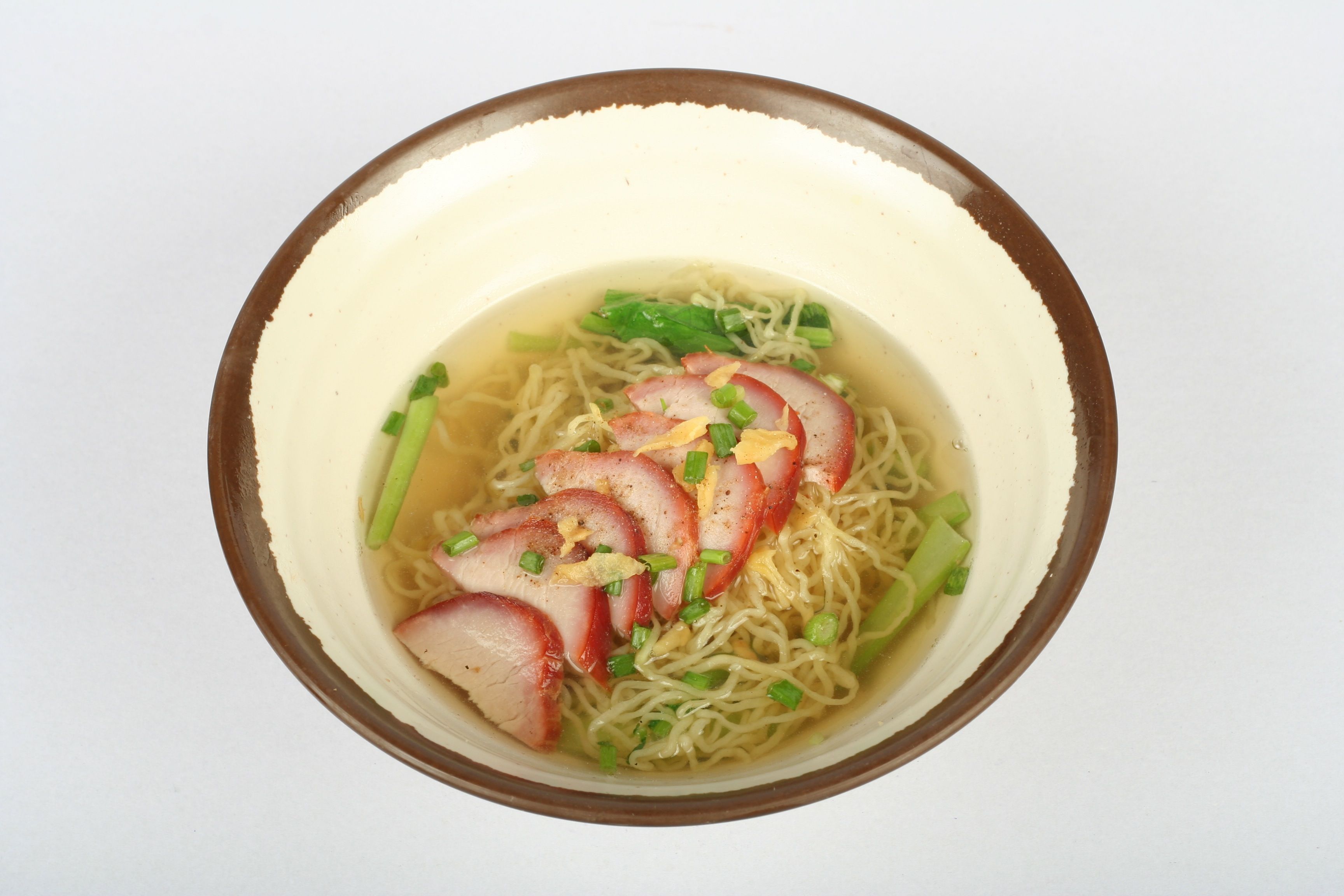
Photo: wutthichai charoenburi / Pexels
The diets react (see scores below)
Common Ingredients
- pork shoulder
- honey
- hoisin sauce
- soy sauce
- shaoxing wine
- five spice
- garlic
- red fermented bean curd
- maltose
Specific recipes may vary.
Incompatible with 8 of 11 diets
Diet Ratings
Char Siu is fundamentally incompatible with a ketogenic diet. The marinade is built around multiple high-sugar, high-carb ingredients: honey and maltose are pure sugars, hoisin sauce is loaded with sugar and starches, and Shaoxing wine adds additional carbohydrates. A standard serving of Char Siu can easily contain 20-35g of net carbs from the glaze alone, which would consume or exceed an entire day's keto carb allowance in one dish. The pork shoulder itself is keto-friendly, but the traditional preparation renders the dish incompatible with ketosis.
Char Siu is a Cantonese BBQ pork dish with pork shoulder as its primary protein — a direct animal product that is unambiguously excluded from all vegan diets. The dish is fundamentally built around pork and cannot be considered vegan in any interpretation.
Char Siu contains multiple non-paleo ingredients that make it firmly off-limits. Hoisin sauce is soy-based and contains sugar and additives. Soy sauce is a fermented grain-and-legume product (wheat and soy). Shaoxing wine is a grain-based rice wine. Red fermented bean curd is a legume-derived fermented product. Maltose is a refined grain-derived sugar. While pork shoulder, garlic, and five spice are paleo-compatible, the dish is structurally dependent on soy sauce, hoisin sauce, and fermented bean curd — all of which are explicitly excluded under paleo rules. Honey is the only sweetener that could be substituted, but the dish as traditionally prepared cannot be considered paleo.
Char Siu is a Chinese BBQ pork dish that conflicts with Mediterranean diet principles on multiple levels. The primary protein is pork shoulder, a red meat that should be consumed only a few times per month. Beyond the protein issue, the dish is loaded with high-sugar components: honey, maltose, and hoisin sauce all contribute significant added sugars, which the Mediterranean diet minimizes. Hoisin sauce and soy sauce are highly processed condiments high in sodium and refined ingredients. The cooking style and flavor profile are entirely outside the Mediterranean tradition, with no olive oil, no plant-forward emphasis, and no whole-food ingredients beyond garlic. This dish would be considered an occasional indulgence at best under Mediterranean guidelines.
Char Siu is heavily incompatible with the carnivore diet despite being pork-based. The marinade contains multiple plant-derived and processed ingredients: hoisin sauce (made from soybeans, sugar, and plant starches), soy sauce (fermented soybeans and wheat), shaoxing wine (grain alcohol), five spice (a blend of plant spices), garlic (plant), red fermented bean curd (soy-based), honey (debated even in lenient camps), and maltose (grain-derived sugar). The only carnivore-compatible component is the pork shoulder itself. This dish is essentially a sugar-and-plant-additive-laden preparation that violates nearly every carnivore guideline beyond the base protein.
Char Siu contains multiple Whole30-excluded ingredients that disqualify it entirely. Hoisin sauce contains soy and sugar; soy sauce is a soy-based product (excluded); Shaoxing wine is alcohol (excluded); red fermented bean curd is a legume-based fermented product containing soy (excluded); and maltose is an added sugar (excluded). Honey as an added sweetener is also excluded. With at least five clearly prohibited ingredients, this dish is firmly off-plan regardless of any preparation adjustments.
Char Siu contains multiple high-FODMAP ingredients that make it unsuitable during the elimination phase. Garlic is one of the highest-FODMAP foods tested by Monash University (high fructans even in tiny amounts). Hoisin sauce typically contains garlic and onion as core ingredients, adding further fructan load. Red fermented bean curd (南乳, made from tofu fermented with red yeast rice) is a soy-based product that may contain GOS and is not Monash-tested as safe. Honey is high in excess fructose at any meaningful culinary quantity — even a teaspoon used in cooking can contribute significantly. Maltose (a disaccharide of two glucose units) is generally considered low-FODMAP, and soy sauce in small amounts is low-FODMAP. Shaoxing wine in small cooking quantities is typically tolerated. Five spice in small amounts is generally low-FODMAP. However, the combination of garlic, hoisin sauce, and honey makes this dish clearly high-FODMAP with no practical modification path that preserves the authentic dish — removing garlic and hoisin would fundamentally alter Char Siu's character.
Char Siu is fundamentally incompatible with DASH diet principles across multiple dimensions. Pork shoulder is a fatty cut high in saturated fat, which DASH explicitly limits. The marinade combines multiple high-sodium ingredients: soy sauce (approximately 900mg sodium per tablespoon), hoisin sauce (also high sodium), and red fermented bean curd (very high sodium), collectively creating a dish with sodium levels far exceeding even the standard DASH threshold of 2,300mg/day in a single serving. The sweeteners — honey, maltose, and hoisin sauce — contribute significant added sugars, another category DASH limits. Red meat (pork) is itself a limited food in DASH. There are no redeeming nutritional offsets sufficient to overcome these combined concerns: no meaningful fiber, calcium, or magnesium contributions, and the potassium from garlic and spices is negligible in context. This dish is a high-sodium, high-saturated-fat, high-sugar preparation that conflicts with nearly every core DASH restriction.
Char Siu presents a mixed Zone profile. The protein base (pork shoulder) is a reasonable protein source but falls short of ideal Zone standards — shoulder cut contains meaningful saturated fat, unlike leaner Zone-preferred cuts like pork tenderloin. More significantly, the marinade is dominated by high-glycemic sweeteners: honey, maltose, and hoisin sauce are all concentrated sugar sources that dramatically spike the glycemic load of the dish. These sweeteners caramelize onto the meat in substantial quantities, making it difficult to treat them as trace-level ingredients. Soy sauce and Shaoxing wine are low-volume and minimally concerning. Five spice and garlic are polyphenol-positive additions that align with Sears' anti-inflammatory focus. The overall dish skews heavily toward sugary carbohydrates relative to its protein content, disrupting the 40/30/30 block balance — the carb blocks from the glaze are disproportionate to the protein blocks from the meat. To fit Zone principles, one would need to dramatically reduce the honey/maltose/hoisin components (nearly reformulating the dish), pair with substantial low-glycemic vegetables, and use a leaner pork cut. As traditionally prepared, it is 'unfavorable' in Zone terminology but not categorically excluded.
Some Zone practitioners focus primarily on the protein component and argue that a modest serving of Char Siu can fit within a Zone meal if balanced with large portions of non-starchy vegetables and no additional carb blocks. In Sears' later writings emphasizing polyphenols and anti-inflammatory eating, the garlic and five spice offer positive micronutrient value. However, the concentrated sugar glaze is a consistent concern across all editions of Zone methodology.
Char Siu is a Cantonese BBQ pork dish built around pork shoulder — a fatty red meat — combined with a marinade heavy in added sugars (honey, maltose, hoisin sauce) and sodium (soy sauce, hoisin, fermented bean curd). From an anti-inflammatory standpoint, this dish has several significant concerns: (1) Pork shoulder is a fatty red meat high in saturated fat and arachidonic acid, both associated with pro-inflammatory signaling; anti-inflammatory guidelines recommend limiting red and fatty meats. (2) Honey and maltose together create a high-sugar glaze — added sugars are strongly linked to elevated inflammatory markers like CRP and IL-6. Maltose in particular is a high-glycemic sugar. (3) Hoisin sauce typically contains high-fructose corn syrup or refined sugar alongside preservatives and additives. (4) Red fermented bean curd is high in sodium, and while fermented foods have some gut-health benefit, the overall sodium load of this dish is substantial. On the positive side, garlic and five spice (containing star anise, cloves, cinnamon — all with antioxidant/anti-inflammatory properties) offer modest benefits, and shaoxing wine is minimal in volume. However, these beneficial components are overwhelmed by the pro-inflammatory profile: fatty red meat + high sugar + high sodium + processed condiments. This dish scores near the lower end of 'caution' — the anti-inflammatory benefits from spices and fermentation are real but insufficient to offset the core concerns.
Char siu made with pork shoulder is a mixed-profile dish for GLP-1 patients. On the positive side, it delivers meaningful protein (~20-25g per 3-4 oz serving) and the marinade ingredients (soy sauce, five spice, garlic) are low-calorie flavor contributors. However, pork shoulder is a fatty cut — typically 10-15g fat per serving, with a notable proportion being saturated fat — which directly conflicts with the low-fat priority for GLP-1 patients and increases risk of nausea, bloating, and reflux due to slowed gastric emptying. The glaze is sugar-heavy: honey, maltose, and hoisin sauce combine to create a high-sugar coating that adds empty carbohydrate calories with minimal nutritional value, spiking the glycemic load of the dish. The caramelized, sticky exterior also means the sugar content is concentrated on the surface rather than diluted through the protein. Red fermented bean curd adds modest depth but negligible nutritional impact. Shaoxing wine contributes minimal alcohol by the time it is cooked. This dish is not fried, is reasonably digestible when eaten in small portions, and does provide real protein — so it is not an avoid — but the fatty cut plus the sugar-heavy glaze make it a caution-tier food that should be eaten in small portions and not frequently.
Some GLP-1-focused dietitians would rate traditional char siu more leniently, arguing that a small 2-3 oz portion provides adequate protein with acceptable fat levels and that the sugar in the glaze is modest at realistic serving sizes. Others would push it toward avoid territory, citing that fatty pork cuts are among the most common triggers for GLP-1-related GI side effects and that the high-sugar glaze offers no nutritional justification.
*See how scores were generated at our methodology page.
Nutritional profile
Six traits that cut across every diet.
Fiber & Plants
How much whole-plant food and fiber it delivers.
Healthy Fats
The quality of its fats (unsaturated, omega-3).
Whole / Unprocessed
How close it is to its natural, unprocessed form.
Gut Gentle
How easy it is on digestion (low FODMAP, few irritants).
Low Glycemic
How little it spikes your blood sugar.
Protein Density
How much protein it packs per calorie.
Controversy Index
Higher controversy = more disagreement between diets.
Diet-Specific Tips
 Zone — 4/10
View tips
- Pork shoulder is fattier than Zone-preferred lean proteins; pork tenderloin would be significantly better
- Honey and maltose are high-glycemic concentrated sugars forming the bulk of the marinade — major Zone concern
- Hoisin sauce adds additional sugar and moderate sodium, further elevating glycemic load
- Glaze carbohydrates are disproportionate to protein content, disrupting 40/30/30 block balance
- Garlic and five spice contribute polyphenols, a positive for Sears' anti-inflammatory framework
- Shaoxing wine is minimal-volume and low concern in typical quantities
- Traditional preparation is very difficult to portion into Zone-balanced blocks without recipe reformulation
 Anti-Inflammatory — 5/10
View tips
- Pork shoulder is a fatty red meat high in saturated fat and arachidonic acid — pro-inflammatory per anti-inflammatory diet guidelines
- High added sugar load from honey and maltose; maltose is high-glycemic and directly linked to elevated CRP
- Hoisin sauce typically contains refined sugars, additives, and preservatives — flagged as a processed ingredient
- High overall sodium content from soy sauce, hoisin, and fermented bean curd
- Garlic and five spice (cinnamon, cloves, star anise) provide modest anti-inflammatory polyphenols and antioxidants
- Red fermented bean curd adds some probiotic/fermentation benefit but negligible in anti-inflammatory terms at this quantity
- No omega-3 sources, fiber-rich vegetables, or other anti-inflammatory anchors present in the dish
 GLP-1 Friendly — 4/10
View tips
- Pork shoulder is a high-fat cut with significant saturated fat, worsening GLP-1 GI side effects
- High-sugar glaze from honey, maltose, and hoisin adds empty calories with poor nutrient density
- Meaningful protein content (~20-25g per serving) partially redeems the dish
- Not fried — preparation method is relatively GLP-1 friendly compared to deep-fried proteins
- Small portion sizes can mitigate fat and sugar load but require discipline
- Slowed gastric emptying on GLP-1s makes fatty cuts particularly risky for nausea and bloating
- Leaner pork cuts (tenderloin, loin) with reduced glaze would significantly improve the rating