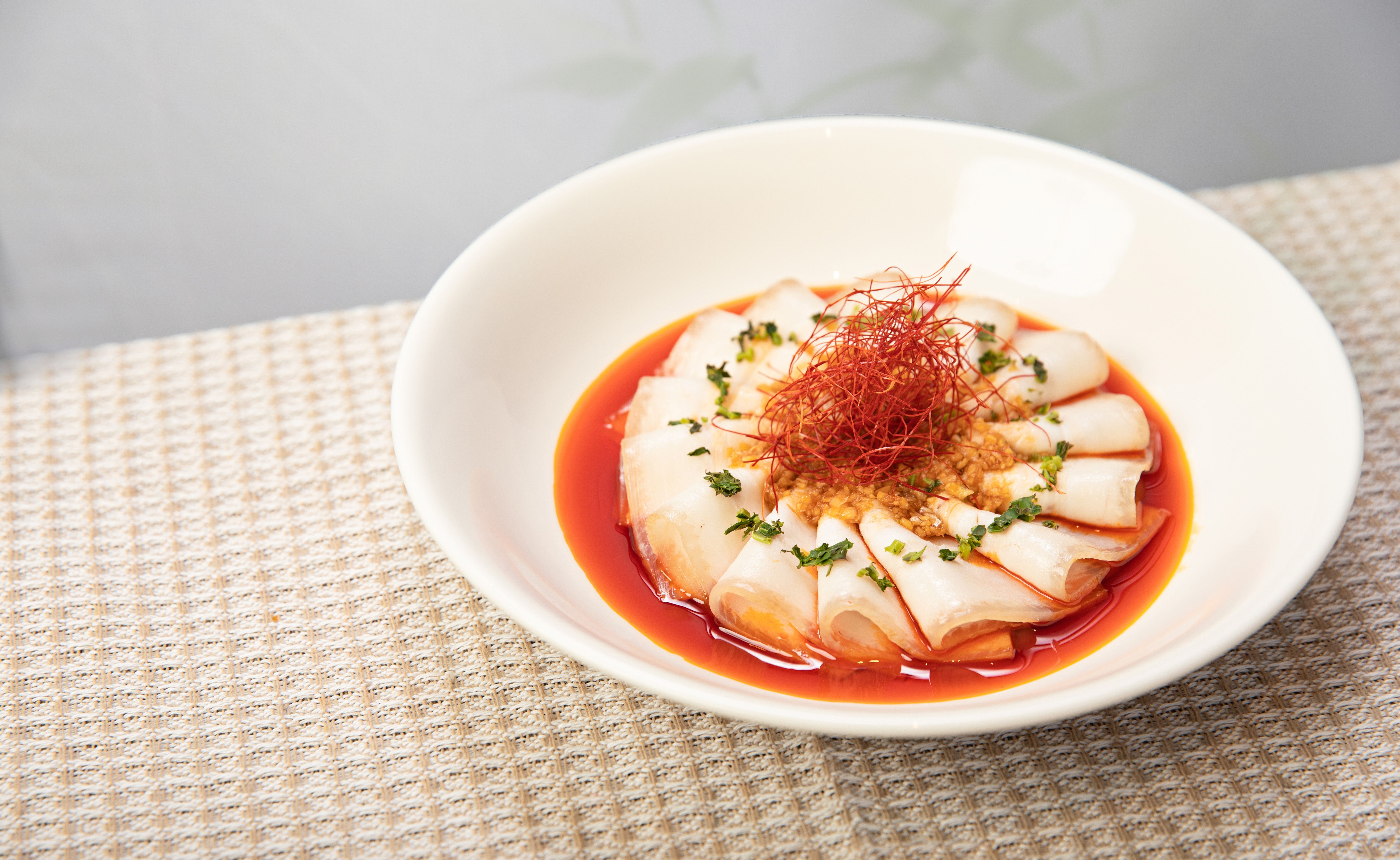
Photo: Change C.C / Pexels
The diets react (see scores below)
Common Ingredients
- rice flour
- tapioca starch
- wheat starch
- sweet soy sauce
- sesame seeds
- scallions
- oil
Specific recipes may vary.
Incompatible with 4 of 11 diets
Diet Ratings
Cheong Fun is fundamentally incompatible with a ketogenic diet. The dish is made almost entirely from high-carbohydrate starches — rice flour, tapioca starch, and wheat starch — which are among the most carb-dense ingredients possible. A standard serving of Cheong Fun easily contains 40-60g of net carbs, instantly consuming or exceeding the entire daily keto carb budget. Additionally, sweet soy sauce adds sugar, further compounding the carbohydrate load. There is no meaningful fat or protein content to offset this. This dish has no place in a ketogenic diet in any reasonable portion size.
Cheong Fun as described is entirely plant-based. The wrapper is made from rice flour, tapioca starch, and wheat starch — all plant-derived. The toppings and sauce components (sweet soy sauce, sesame seeds, scallions, and oil) are all vegan-friendly. There are no animal products or animal-derived ingredients in this formulation. Sweet soy sauce (kecap manis or similar) is typically made from soy, sugar, and spices with no animal derivatives. This version contains no shrimp, oyster sauce, eggs, or other common non-vegan additions sometimes found in restaurant preparations of cheong fun. It scores an 8 rather than higher because the starches place it slightly toward the processed end of the whole-foods spectrum, though it remains a minimally processed traditional dish overall.
Cheong Fun is fundamentally incompatible with the paleo diet. The dish is built on rice flour and wheat starch — both are grains explicitly excluded from paleo. Wheat starch is derived from wheat, a grain, and rice flour comes from rice, another excluded grain. Tapioca starch, while derived from cassava (a tuber), is a heavily processed starch with negligible nutritional value and is not a paleo staple. Sweet soy sauce contains soy (a legume) and likely refined sugar and added salt, making it triply non-paleo. The oil is unspecified but likely a seed oil (sesame oil is common in this dish, which is excluded). Sesame seeds and scallions are paleo-friendly, but they are minor components that cannot redeem a dish whose foundational ingredients are all non-paleo.
Cheong Fun is made primarily from refined starches (rice flour, tapioca starch, wheat starch), which are refined grains with minimal fiber — not aligned with the Mediterranean emphasis on whole grains. The sweet soy sauce adds sugar and sodium. However, it is plant-based with no red meat or heavily processed ingredients, and includes some positive elements like sesame seeds (healthy fats) and scallions. The unspecified 'oil' is a mild concern unless it is olive oil. Overall, it is an acceptable occasional snack but not a Mediterranean staple due to its refined grain base and added sugars.
Some Mediterranean diet interpreters allow moderate portions of refined grain dishes when they are plant-based and not fried, noting that traditional Mediterranean cuisine (e.g., white rice in Greek and Spanish dishes) does include refined starches occasionally. From this perspective, a small portion of Cheong Fun could be tolerated as a treat.
Cheong Fun is entirely plant-based and grain-derived, containing no animal products whatsoever. The dish consists of rice flour, tapioca starch, and wheat starch as its base — all grains/starches that are strictly excluded on the carnivore diet. It is topped with sweet soy sauce (fermented soy, a legume, plus sugar), sesame seeds (plant seeds), scallions (plant), and plant-based oil. Every single ingredient violates carnivore diet principles. There is nothing remotely animal-derived in this dish.
Cheong Fun contains multiple Whole30-excluded ingredients. Rice flour and tapioca starch are grain-derived ingredients (rice is an excluded grain), wheat starch is derived from wheat (also an excluded grain), and sweet soy sauce contains both soy (an excluded legume) and added sugar. The dish is also a rice noodle roll that falls into the 'pasta or noodles' category explicitly prohibited by Whole30 Rule 4 even if ingredients were otherwise compliant. There is no compliant version of this dish — its fundamental structure relies on excluded grains.
Cheong Fun contains several ingredients that need careful FODMAP assessment. Rice flour and tapioca starch are both low-FODMAP and form the safe base of the dish. Wheat starch is a more nuanced ingredient — unlike wheat flour, wheat starch has had most of the protein (gluten) and soluble carbohydrates removed during processing, leaving primarily starch. Monash University considers wheat starch low-FODMAP because fructans (the FODMAP in wheat) are water-soluble and largely removed during starch extraction. Sesame seeds and oil are low-FODMAP. The two main concerns are scallions (green onions) and sweet soy sauce. Scallions are low-FODMAP in the green parts only — the white/root portions contain fructans and should be avoided during elimination. Traditional Cheong Fun is typically served with scallions that may include white parts. Sweet soy sauce (kecap manis or thick soy sauce) is the bigger concern: it typically contains significant added sugar and may contain high-FODMAP sweeteners or concentrated fructose, and is used in meaningful quantities as a sauce. Standard soy sauce is low-FODMAP at 2 tablespoons, but sweet soy sauce formulations vary widely and the added sugars/sweeteners raise FODMAP risk. Given these cumulative concerns — particularly the sweet soy sauce and scallion ambiguity — caution is warranted during the strict elimination phase.
Monash University rates wheat starch as low-FODMAP due to fructan removal during processing, but some clinical FODMAP practitioners advise avoiding all wheat-derived ingredients during elimination for simplicity. Additionally, sweet soy sauce formulations vary by brand, and without knowing the specific sweetener used, elimination-phase practitioners would typically recommend avoiding it or substituting with tamari and a tested low-FODMAP sweetener.
Cheong Fun (steamed rice noodle rolls) is a moderately DASH-compatible dish with mixed nutritional characteristics. The base ingredients—rice flour, tapioca starch, and wheat starch—are refined carbohydrates with minimal fiber, which is not ideal for DASH's emphasis on whole grains. However, the dish is naturally low in saturated fat and contains no red meat. The primary concern is sweet soy sauce, which is typically high in sodium and added sugar, both of which DASH limits. Sesame seeds contribute beneficial magnesium and healthy fats in small amounts, and scallions add modest vegetable nutrition. The added oil is modest but worth noting. Overall, this is an acceptable occasional choice but not a DASH-emphasized food due to refined starches, sodium from soy sauce, and added sugar.
NIH DASH guidelines emphasize whole grains over refined starches and strictly limit sodium; sweet soy sauce is a meaningful sodium and sugar source that conflicts with these targets. However, some DASH-oriented clinicians note that if low-sodium soy sauce is substituted and portions are controlled, the overall dish profile—steamed, low saturated fat, plant-based—can fit within a flexible DASH framework without significant cardiovascular risk.
Cheong Fun is a steamed rice noodle roll made primarily from high-glycemic refined starches (rice flour, tapioca starch, wheat starch). These are among the most unfavorable carbohydrate sources in Zone Diet terminology — highly processed, low in fiber, and with a rapid glycemic impact. The sweet soy sauce adds sugar, further elevating the glycemic load. There is no meaningful protein source listed, meaning this dish provides almost no Zone-compatible protein blocks. The fat content from sesame seeds and oil is minimal and not enough to balance the carb load. Scallions add negligible nutritional value in terms of Zone balance. As a snack, Cheong Fun delivers an unbalanced macro ratio skewed almost entirely toward high-glycemic carbohydrates with essentially no protein or meaningful fat, making it very difficult to incorporate into a Zone-compliant meal without dramatic modification. It scores a 3 rather than lower because it is technically a real food (not pure sugar or soda) and could theoretically be eaten in a very small quantity alongside lean protein and fat — but practically, it is a poor Zone choice.
Cheong Fun is a rice noodle roll made primarily from refined starches (rice flour, tapioca starch, wheat starch), which have a high glycemic index and offer minimal fiber — a pro-inflammatory concern when consumed regularly. The sweet soy sauce adds sugar and sodium, both of which can contribute to inflammatory load. On the positive side, sesame seeds provide lignans, healthy fats, and modest anti-inflammatory properties; scallions offer quercetin and polyphenols; and the dish is low in saturated fat and free of trans fats. The unspecified 'oil' is a wildcard — if sesame oil, it adds flavor and mild anti-inflammatory value; if a refined seed oil (e.g., vegetable or corn oil), it increases omega-6 load. Overall, Cheong Fun is a relatively light snack without significant pro-inflammatory ingredients like red meat, full-fat dairy, or artificial additives, but its refined starch base and added sugar profile prevent it from ranking higher. It is acceptable occasionally but not as a dietary staple.
Some anti-inflammatory practitioners following a more lenient whole-foods approach (e.g., Dr. Weil's framework) might consider Cheong Fun a relatively benign snack compared to fried or heavily processed foods, particularly when paired with minimal sweet sauce. However, lower-carbohydrate anti-inflammatory perspectives and protocols focused on glycemic control (such as those emphasizing whole grains over refined starches) would flag the high-GI refined starch base as a notable inflammatory concern.
Cheong Fun is a steamed rice noodle roll made primarily from refined starches (rice flour, tapioca starch, wheat starch) with no meaningful protein source. It is low in fat and easy to digest due to the steaming preparation method, which works in its favor for GLP-1 patients dealing with GI side effects. However, it scores poorly on the two highest priorities: protein (essentially zero) and fiber (refined starches offer negligible fiber). The sweet soy sauce adds sugar and sodium. Sesame seeds and scallions contribute minimal nutritional value at typical serving amounts. As a snack category item, it delivers primarily empty carbohydrate calories — exactly what GLP-1 patients need to minimize given their significantly reduced caloric intake. The dish is not inherently harmful (not fried, not high fat, not carbonated, not spicy), but it fails the nutrient density standard. If consumed, it should be a small portion paired with a high-protein accompaniment such as tofu, shrimp, or a protein-rich dipping addition to offset its nutritional shortcomings.
*See how scores were generated at our methodology page.
Nutritional profile
Six traits that cut across every diet.
Fiber & Plants
How much whole-plant food and fiber it delivers.
Healthy Fats
The quality of its fats (unsaturated, omega-3).
Whole / Unprocessed
How close it is to its natural, unprocessed form.
Gut Gentle
How easy it is on digestion (low FODMAP, few irritants).
Low Glycemic
How little it spikes your blood sugar.
Protein Density
How much protein it packs per calorie.
Controversy Index
Higher controversy = more disagreement between diets.
Diet-Specific Tips
 Vegan — 5/10
View tips
- Rice flour, tapioca starch, and wheat starch are all plant-derived — no animal products in the wrapper
- Sweet soy sauce is plant-based (soy, sugar, spices) with no animal derivatives
- Sesame seeds, scallions, and oil are whole plant foods
- No eggs, oyster sauce, shrimp, or other common non-vegan additions present in this ingredient list
- Slight processing of starches keeps score from reaching 9-10, but dish is comfortably vegan-compliant
 Mediterranean — 4/10
View tips
- Refined grain base (rice flour, tapioca starch, wheat starch) — not whole grains
- Sweet soy sauce adds sugar and sodium, contradicting Mediterranean principles
- Plant-based with no red meat or highly processed protein
- Sesame seeds contribute healthy fats, a positive element
- Oil type unspecified — olive oil would improve alignment
- Small portion as occasional snack is more acceptable than a regular staple
 Low-FODMAP — 4/10
View tips
- Rice flour and tapioca starch are low-FODMAP base ingredients
- Wheat starch is generally considered low-FODMAP per Monash (fructans removed during processing)
- Sweet soy sauce may contain high-FODMAP sweeteners or excess fructose — high variability by brand
- Scallions are low-FODMAP only in green tops; white parts contain fructans and are a risk
- Sesame seeds and oil are safely low-FODMAP
- Cumulative FODMAP load from sauce and scallions warrants caution even if individual ingredients pass
 DASH — 4/10
View tips
- Refined carbohydrate base (rice flour, tapioca, wheat starch) lacks fiber emphasized in DASH
- Sweet soy sauce adds significant sodium and added sugar, both DASH-limited
- No saturated fat or red meat — aligns with DASH fat guidelines
- Steamed preparation method is favorable compared to fried alternatives
- Sesame seeds provide small amounts of DASH-favorable magnesium and healthy fats
- Low-sodium soy sauce substitution would meaningfully improve DASH compatibility
- No significant source of potassium, calcium, or magnesium at scale
 Zone — 5/10
View tips
- Primary ingredients are high-glycemic refined starches (rice flour, tapioca starch, wheat starch) — classified as 'unfavorable' carbs in Zone
- Sweet soy sauce adds sugar, worsening the glycemic load
- No meaningful protein source — fails to provide Zone protein blocks
- Minimal fat content insufficient to achieve 40/30/30 ratio
- Low fiber content means net carbs are nearly equal to total carbs, spiking insulin response
- Extremely difficult to balance within Zone macronutrient framework without major additions
 Anti-Inflammatory — 4/10
View tips
- High refined starch content (rice flour, tapioca starch, wheat starch) — high glycemic index, low fiber
- Sweet soy sauce adds sugar and sodium, contributing to inflammatory potential
- Sesame seeds provide anti-inflammatory lignans and healthy fats
- Scallions contribute quercetin and polyphenols — mild anti-inflammatory benefit
- No saturated fat, trans fat, or processed meat — relatively clean profile
- Unspecified oil introduces uncertainty — sesame oil would be favorable, refined seed oils less so
- No significant source of omega-3s, antioxidants, or anti-inflammatory phytonutrients
 GLP-1 Friendly — 4/10
View tips
- Near-zero protein content — fails the #1 GLP-1 dietary priority
- Made from refined starches with negligible fiber — fails the #2 priority
- Steamed preparation is gentle on digestion — a genuine positive for GLP-1 patients
- Sweet soy sauce adds sugar and sodium with no nutritional benefit
- Low fat content is appropriate for GLP-1 tolerability
- Empty carbohydrate calories are especially counterproductive given reduced appetite on GLP-1s
- Small portion pairing with protein is the only way to make this snack acceptable