Photo: Vincent Rivaud / Pexels
American
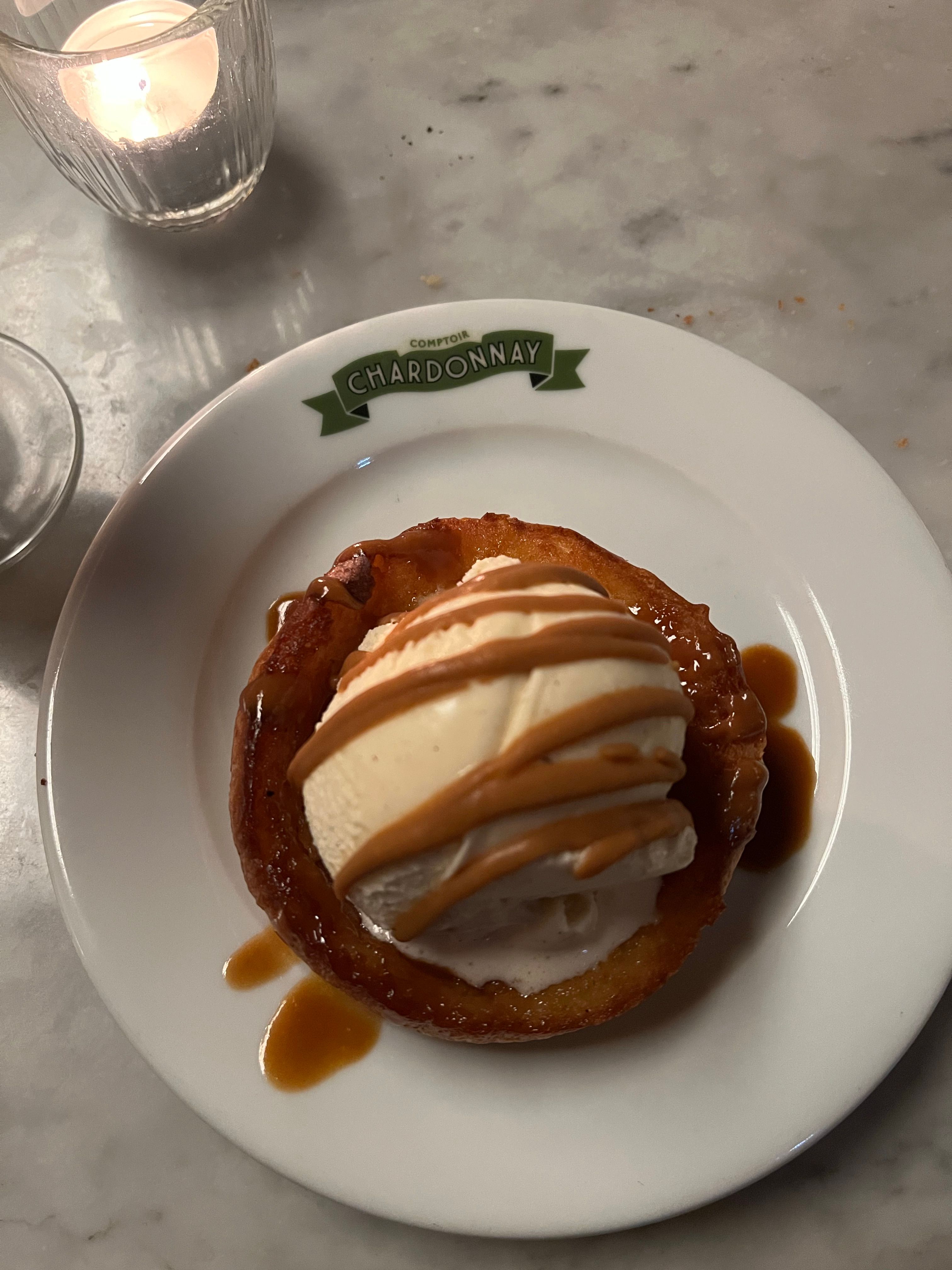
Caramel Apple
The diets react (see scores below)
Common Ingredients
- apples
- sugar
- butter
- cream
- vanilla extract
- salt
Specific recipes may vary.
Incompatible with 11 of 11 diets
Diet Ratings
A caramel apple is fundamentally incompatible with ketogenic eating. Apples alone contain roughly 20-25g of net carbs per medium fruit, already at or exceeding the entire daily keto carb limit. The caramel coating compounds this dramatically — it is made primarily of sugar and cream cooked together, adding another 25-40g of sugar per serving. Together, a single caramel apple can deliver 50-65g of net carbs, which would completely break ketosis. There are no redeeming keto-friendly qualities: the fruit contributes fructose and starch, the caramel is essentially pure sugar, and while butter and cream are keto-friendly in isolation, they cannot offset the glycemic impact of the rest of the dish. This is a double violation — high-sugar fruit plus added refined sugar.
Caramel Apple contains butter and cream, both dairy products derived from cows and therefore strictly excluded under vegan dietary rules. These are not trace cross-contamination ingredients but core structural components of the caramel sauce. No meaningful debate exists within the vegan community about whether dairy butter and cream are acceptable — they are clearly animal-derived. A vegan version of this dish is achievable by substituting coconut cream and vegan butter (e.g., Earth Balance), but as described with these ingredients, it is not vegan-compliant.
Caramel Apple contains multiple non-paleo ingredients that disqualify it outright. Refined sugar is a processed ingredient explicitly excluded from the paleo diet. Butter is a dairy product, and while ghee (clarified butter) occupies a gray area, whole butter retains casein and lactose and is not paleo-compliant. Cream is dairy and clearly excluded. Added salt is also discouraged. While apples and vanilla extract are paleo-approved, the dish is fundamentally built around a caramel sauce made from refined sugar, butter, and cream — all non-paleo staples. This is not a borderline case; the majority of the ingredient list violates core paleo principles.
A caramel apple is fundamentally at odds with Mediterranean diet principles. While apples themselves are a wholesome, approved fruit, the caramel coating transforms this snack into a high-sugar, high-saturated-fat confection. Sugar and butter are the dominant added ingredients: sugar is a refined, added sweetener explicitly minimized in the Mediterranean diet, and butter is a saturated animal fat that displaces the preferred extra virgin olive oil. Cream further adds saturated fat. The result is a processed, dessert-style snack with minimal nutritional alignment to Mediterranean eating patterns. The apple base offers fiber and polyphenols, but these benefits are far outweighed by the problematic caramel components.
Caramel Apple is fundamentally incompatible with the carnivore diet. The primary ingredient is apples — a plant-derived fruit that is categorically excluded from all tiers of carnivore eating. The caramel coating contains sugar (a processed plant-derived sweetener) and vanilla extract (plant-based). While butter and cream are animal-derived dairy products that some carnivore practitioners consume, they are minor components here and cannot redeem a dish that is built around fruit and sugar. There is no meaningful animal protein present, and the dish offers no carnivore-compatible nutritional profile. This is a sugar-forward snack with plant ingredients dominating every layer.
Caramel apples contain multiple excluded ingredients. Sugar is explicitly prohibited on Whole30 as an added sugar. Butter (regular, non-clarified) is an excluded dairy product — only ghee or clarified butter is permitted. Cream is also excluded dairy. These are not edge cases or ambiguous situations; they are core exclusions of the Whole30 program. Vanilla extract is fine, apples and salt are fine, but the caramel component as traditionally made is entirely non-compliant.
The primary concern with a Caramel Apple is the apple itself. Apples are high-FODMAP due to excess fructose and polyols (sorbitol), and are explicitly listed on Monash University's high-FODMAP foods list at any standard serving size. A whole caramel apple — as this snack is typically consumed — contains a full apple, making it high-FODMAP regardless of the caramel coating. The caramel ingredients themselves are largely low-FODMAP: sugar (sucrose) is low-FODMAP in normal amounts, butter is low-FODMAP (fat, not a FODMAP source), heavy cream is low-FODMAP in small servings (low lactose), vanilla extract is low-FODMAP, and salt is FODMAP-free. However, none of these low-FODMAP caramel components offset the high-FODMAP apple base. There is no safe standard serving of a whole apple during the elimination phase.
A caramel apple combines a DASH-friendly fruit (apple) with a heavily sweetened caramel coating made from sugar, butter, and cream. The caramel sauce is high in added sugar, saturated fat (from butter and cream), and includes salt. DASH guidelines explicitly limit added sugars and sweets, and restrict saturated fat and full-fat dairy products. While the apple itself would earn an approve rating, the caramel coating transforms this into a confection that is incompatible with DASH principles. The sugar content alone disqualifies it as a regular snack, and the butter plus cream add significant saturated fat load. This falls squarely in the 'sweets' category that DASH limits to ≤5 servings per week and only in small portions.
A caramel apple is fundamentally incompatible with Zone Diet principles. While the apple itself is a Zone-acceptable low-glycemic fruit (1 carb block), the caramel coating — made from sugar, butter, and cream — adds a massive load of pure high-glycemic carbohydrates (refined sugar) combined with saturated fat, with zero protein. This creates a profoundly unbalanced macro profile: predominantly simple sugars and saturated fat, virtually no protein, and no monounsaturated fat. The refined sugar is exactly what Zone categorizes as 'unfavorable' carbs that spike insulin — the precise hormonal disruption the Zone Diet is designed to prevent. The butter and cream add saturated fat with no compensating lean protein to balance it. There is no meaningful way to incorporate a caramel apple into a Zone block structure as a snack without completely dismantling its identity — a Zone snack requires approximately 7g protein (1 protein block), 9g carbs (1 carb block), and 1.5g fat (1 fat block). This dish provides almost none of that balance. The only redemptive element is the apple itself.
A caramel apple is dominated by pro-inflammatory ingredients. The caramel coating is made from sugar, butter, and cream — all flagged by anti-inflammatory guidelines. Sugar is a primary driver of inflammatory signaling (raises CRP, promotes glycation and oxidative stress), butter and cream are high in saturated fat (linked to increased IL-6 and other inflammatory markers), and the overall dish is extremely high in added sugar relative to its nutritional value. The apple itself is genuinely anti-inflammatory — apples contain quercetin, fiber, and polyphenols that reduce inflammatory markers — but the apple is a minor player here relative to the heavy caramel coating in terms of caloric and metabolic impact. Vanilla and salt are nutritionally negligible. As a whole dish, the anti-inflammatory benefit of the apple is largely offset by the inflammatory load of the caramel. This is an occasional treat at best, not compatible with regular anti-inflammatory eating.
A caramel apple is a poor choice for GLP-1 patients. While the apple itself provides some fiber and water content, the caramel coating — made from sugar, butter, and cream — adds a significant load of refined sugar and saturated fat with negligible nutritional benefit. The result is a high-sugar, high-fat snack with virtually no protein, which runs counter to every core GLP-1 dietary priority. The sugar spike can worsen nausea and GI discomfort, the saturated fat from butter and cream slows digestion further on top of already-slowed gastric emptying, and the empty calories from the caramel displace nutrients that GLP-1 patients critically need given their reduced appetite and caloric intake. The apple alone (plain, with skin) would be a reasonable moderate-fiber snack, but the caramel transforms it into a confection that belongs in the avoid category.
*See how scores were generated at our methodology page.
Nutritional profile
Six traits that cut across every diet.
Fiber & Plants
How much whole-plant food and fiber it delivers.
Healthy Fats
The quality of its fats (unsaturated, omega-3).
Whole / Unprocessed
How close it is to its natural, unprocessed form.
Gut Gentle
How easy it is on digestion (low FODMAP, few irritants).
Low Glycemic
How little it spikes your blood sugar.
Protein Density
How much protein it packs per calorie.
Controversy Index
Higher controversy = more disagreement between diets.