Indian
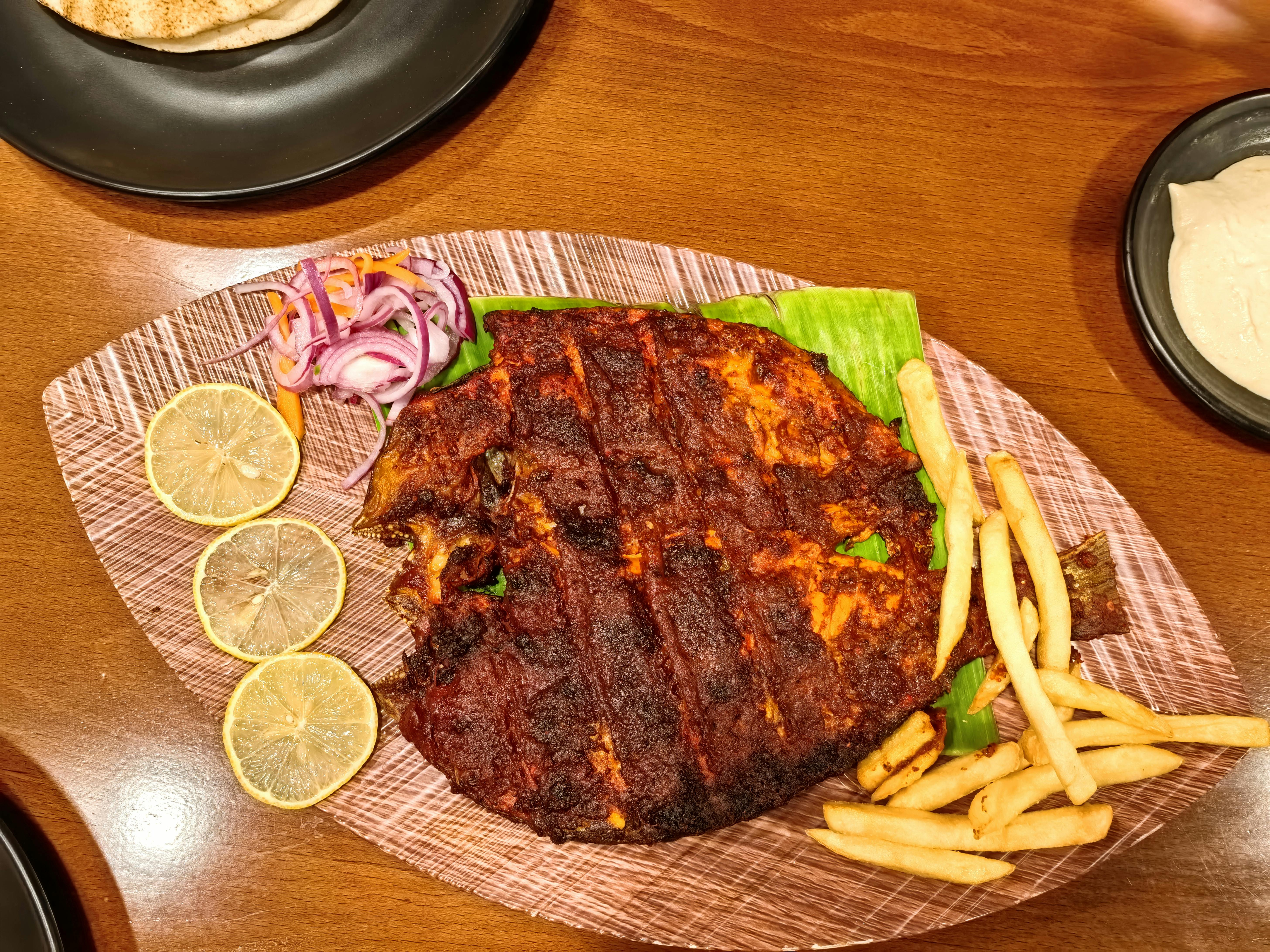
Chettinad Fish Fry
The diets react (see scores below)
Common Ingredients
- fish
- kashmiri chili
- black pepper
- fennel seeds
- ginger
- garlic
- turmeric
- curry leaves
- lemon
Specific recipes may vary.
Incompatible with 3 of 11 diets
Diet Ratings
Chettinad Fish Fry is highly compatible with a ketogenic diet. Fish is an excellent source of high-quality protein and healthy fats with zero carbohydrates. The spice marinade consists entirely of keto-friendly ingredients: Kashmiri chili, black pepper, fennel seeds, ginger, garlic, turmeric, curry leaves, and lemon are all used in small quantities as flavor agents, contributing negligible net carbs per serving. There are no grains, sugars, starches, or high-carb binders involved. The dish is whole, unprocessed, and naturally fits the keto macronutrient profile. Total net carbs per serving are estimated well under 5g, making this a strong approve.
Chettinad Fish Fry contains fish as its primary protein, which is an animal product and explicitly excluded under vegan dietary rules. There is no ambiguity here — fish is animal flesh, and no version of this dish as described could be considered vegan. The remaining ingredients (Kashmiri chili, black pepper, fennel seeds, ginger, garlic, turmeric, curry leaves, lemon) are all plant-based, but the central ingredient disqualifies the dish entirely.
Chettinad Fish Fry is an excellent paleo dish. The primary protein is fish, which is a cornerstone of the Paleolithic diet. Every spice and aromatic used — Kashmiri chili, black pepper, fennel seeds, ginger, garlic, turmeric, and curry leaves — are natural herbs and spices fully consistent with paleo principles. Lemon juice serves as a natural acid/marinade with no issues. There are no grains, legumes, dairy, seed oils, refined sugars, or processed ingredients present. Assuming the fish is cooked in a paleo-approved fat (e.g., coconut oil or ghee) rather than a seed oil, this dish is a straightforward paleo approval. The one minor caveat is that traditional preparations sometimes use a small amount of salt, which is technically discouraged in strict paleo, but this is a near-universal gray area that most practitioners overlook.
Chettinad Fish Fry is built around fish as its primary protein, which aligns excellently with the Mediterranean diet's recommendation of fish 2-3 times weekly. The remaining ingredients — Kashmiri chili, black pepper, fennel seeds, ginger, garlic, turmeric, curry leaves, and lemon — are all whole, plant-based spices and aromatics with no processed components, added sugars, or refined grains. The spice profile is South Indian rather than Mediterranean, but the underlying nutritional logic is highly compatible: lean protein from fish, anti-inflammatory spices, and a citrus finish. The main uncertainty is the cooking method and fat used for frying, which is unspecified — if shallow-fried in vegetable oil or a small amount of oil, it remains a strong choice; if deep-fried in less healthy oils, it would be slightly less optimal. Assuming a reasonable preparation, this dish earns a confident approval.
Some Mediterranean diet purists may note that the frying method and use of non-olive oils (common in Indian cooking, such as coconut or sunflower oil) diverges from the canonical EVOO-centric fat sourcing. Traditional Mediterranean fish preparations tend toward baking, grilling, or gentle pan-cooking with olive oil, so cooking method matters here.
While fish is a fully carnivore-approved animal protein, Chettinad Fish Fry is heavily laden with plant-based ingredients that disqualify it from the carnivore diet. Kashmiri chili, black pepper, fennel seeds, ginger, garlic, turmeric, curry leaves, and lemon are all plant-derived — spices, aromatics, and citrus fruit. The dish is essentially a spice-marinated fish, where the marinade is almost entirely plant matter. On a strict carnivore diet, all of these ingredients are excluded. The fish itself would score a 9, but the preparation as a whole dish makes it a clear avoid.
Chettinad Fish Fry is composed entirely of Whole30-compliant ingredients. Fish is an explicitly allowed protein. All the spices and aromatics — Kashmiri chili, black pepper, fennel seeds, ginger, garlic, and turmeric — are natural herbs and spices fully permitted on the program. Curry leaves are a natural herb with no compliance issues. Lemon juice or zest is a compliant citrus ingredient. There are no grains, legumes, dairy, added sugars, alcohol, or other excluded ingredients present. This is a whole, minimally processed dish in its traditional form.
Chettinad Fish Fry is problematic for the low-FODMAP elimination phase primarily due to garlic, which is one of the highest-FODMAP ingredients tested by Monash University. Garlic contains significant fructans even in very small amounts and must be strictly avoided during elimination. The dish also typically uses curry leaves in notable quantities, which are moderate-to-high in FODMAPs at culinary serving sizes. Ginger is low-FODMAP at standard culinary amounts (up to about 1 tsp fresh), fennel seeds are low-FODMAP at small amounts (up to 1 tsp), and the remaining spices — kashmiri chili, black pepper, turmeric — are low-FODMAP at normal culinary doses. Fish itself is a protein with no FODMAPs, and lemon juice is low-FODMAP. However, the presence of garlic as a core marinade ingredient (not optional or trace) makes this dish a clear avoid during elimination. A low-FODMAP adaptation could use garlic-infused oil instead of garlic cloves and reduce curry leaves to a garnish quantity.
Chettinad Fish Fry is built around fish — a lean protein explicitly encouraged in the DASH eating plan — marinated with anti-inflammatory spices (turmeric, black pepper, fennel, ginger, garlic, Kashmiri chili) and brightened with lemon juice. None of the listed ingredients are high in sodium, saturated fat, added sugar, or other DASH-discouraged components. Fish provides heart-healthy omega-3 fatty acids, potassium, and lean protein, all consistent with DASH priorities. The spice blend itself contributes negligible sodium and no unhealthy fats. The main DASH consideration is the cooking method: traditional Chettinad fish fry is shallow- or pan-fried, typically in a small amount of oil. If fried in a DASH-compatible vegetable oil (e.g., canola or sunflower) in modest quantity, the dish remains well within DASH guidelines. Heavier oil use or deep-frying would increase total fat intake and slightly lower the score, but would not make it a 'avoid' food. No added salt is listed among ingredients, which is favorable for sodium control.
NIH DASH guidelines straightforwardly endorse fish as a core protein and place no restrictions on the spices used here. However, some DASH-oriented clinicians raise a moderate concern: the frying method adds fat calories that can vary significantly by cook, and Kashmiri chili powders available commercially sometimes contain added salt — if a salted spice blend or marinade salt is used in practice, sodium content could rise meaningfully. Updated clinical interpretation suggests the dish is still DASH-compatible when prepared with measured oil and low-sodium spices, but home preparation variability warrants portion awareness.
Chettinad Fish Fry is an excellent Zone Diet candidate. Fish is a premier Zone protein source — lean, high in omega-3 fatty acids, and easy to portion into blocks (1 protein block ≈ 1 oz of most fish). The spice marinade (Kashmiri chili, black pepper, fennel seeds, ginger, garlic, turmeric, curry leaves, lemon) adds negligible carbohydrates and calories while delivering exceptional anti-inflammatory polyphenols — turmeric (curcumin), ginger, and black pepper are specifically highlighted in Dr. Sears' later anti-inflammatory writings as Zone-favorable compounds. The dish is naturally low-glycemic with no added sugars, starches, or high-GI carbs. The main variable is the cooking fat: if pan-fried in minimal olive or coconut oil, this fits Zone fat blocks cleanly. Lemon adds a small amount of favorable low-GI carbs. Paired with a vegetable side (e.g., sautéed greens or a salad), this forms a nearly textbook Zone meal. The only reason it doesn't score a 9-10 is the unknown frying oil — traditional preparations may use seed oils higher in omega-6, which Sears discourages.
Chettinad Fish Fry is a powerhouse of anti-inflammatory ingredients. Fish (especially oily varieties common in South Indian cuisine like mackerel, sardines, or snapper) provides lean protein and omega-3 fatty acids. The spice blend is exceptional from an anti-inflammatory standpoint: turmeric contains curcumin (one of the most well-studied anti-inflammatory compounds), black pepper provides piperine (which enhances curcumin bioavailability by up to 2000%), ginger and garlic both reduce inflammatory markers like CRP and IL-6, and fennel seeds contain anethole with antioxidant properties. Kashmiri chili contributes capsaicin and carotenoids. Curry leaves are rich in antioxidants and have demonstrated anti-inflammatory activity in research. Lemon provides vitamin C and flavonoids. The cooking method (shallow frying or pan frying) is the main variable — if prepared with extra virgin olive oil or minimal refined oil, the dish scores very high. The synergy between turmeric and black pepper is a particular standout that aligns precisely with anti-inflammatory diet principles. There are no pro-inflammatory red flags in the base ingredients.
Chettinad Fish Fry is built around fish — an excellent lean protein source for GLP-1 patients — with a spice blend that is authentic to the dish but presents meaningful concerns. The base ingredients (fish, turmeric, ginger, garlic, lemon, fennel) are broadly GLP-1-friendly: lean protein, anti-inflammatory properties, easy digestibility when not fried. However, 'fish fry' in Chettinad preparation typically means the fish is shallow- or pan-fried in oil, sometimes with a thick spice paste coating, which adds fat and can worsen nausea, bloating, and reflux. Kashmiri chili is milder than fresh chilies and contributes color more than heat, which reduces but does not eliminate the spice concern. Black pepper in significant quantities can also irritate the GI tract in patients experiencing GLP-1-related nausea. If prepared by grilling, baking, or air-frying the spiced fish rather than pan-frying in oil, this dish would score considerably higher (7-8) and move toward approve. As traditionally prepared with frying, the fat load and spice intensity together create enough GI risk to warrant caution.
Some GLP-1-focused dietitians would rate this higher on the basis of its strong protein foundation and the well-established GI-tolerability of Kashmiri chili specifically, arguing that spice sensitivity is highly individual and should not categorically downgrade an otherwise protein-dense, low-carbohydrate dish. Others maintain that any fried preparation — even shallow-frying — meaningfully increases nausea and reflux risk due to slowed gastric emptying, and would rate this lower unless cooking method is modified.
*See how scores were generated at our methodology page.
Nutritional profile
Six traits that cut across every diet.
Fiber & Plants
How much whole-plant food and fiber it delivers.
Healthy Fats
The quality of its fats (unsaturated, omega-3).
Whole / Unprocessed
How close it is to its natural, unprocessed form.
Gut Gentle
How easy it is on digestion (low FODMAP, few irritants).
Low Glycemic
How little it spikes your blood sugar.
Protein Density
How much protein it packs per calorie.
Controversy Index
Higher controversy = more disagreement between diets.
Diet-Specific Tips
 Keto — 9/10
View tips
- Fish is zero-carb, high-protein, and rich in healthy fats (especially omega-3s)
- All spices and aromatics used in small amounts contribute minimal net carbs
- No grains, flour coatings, or starchy binders present
- Lemon juice used sparingly adds negligible carbs
- Curry leaves and fennel seeds are keto-safe in typical cooking quantities
- Whole, unprocessed ingredients align with clean keto principles
 Paleo — 9/10
View tips
- Fish is a primary paleo protein source
- All spices (Kashmiri chili, black pepper, fennel, turmeric, ginger, garlic, curry leaves) are natural and paleo-approved
- Lemon juice is a whole, unprocessed fruit-derived ingredient
- No grains, legumes, dairy, or refined sugars present
- Cooking fat choice matters — coconut oil or ghee preferred over seed oils
- Added salt, if used, is technically discouraged in strict paleo but widely accepted in practice
 Mediterranean — 8/10
View tips
- Fish as primary protein strongly aligns with Mediterranean guidelines (2-3x/week)
- All spice and aromatic ingredients are whole, unprocessed plant foods
- No red meat, refined grains, added sugars, or processed ingredients
- Lemon adds brightness consistent with Mediterranean flavor principles
- Cooking fat and frying method unspecified — could impact overall healthfulness
- Non-traditional spice profile but nutritionally compatible with Mediterranean principles
 Whole30 — 9/10
View tips
- Fish is explicitly allowed as a primary protein on Whole30
- All spices (Kashmiri chili, black pepper, fennel seeds, turmeric) are natural and compliant
- Ginger, garlic, and curry leaves are compliant aromatics and herbs
- Lemon is a whole fruit/juice — fully compliant
- No excluded ingredients (no grains, dairy, legumes, added sugar, soy, or alcohol)
- Traditional preparation — not a recreation of a junk food or baked good
 DASH — 8/10
View tips
- Fish is a DASH-approved lean protein rich in omega-3 fatty acids
- No high-sodium ingredients listed; lemon juice used as a flavor enhancer reduces need for salt
- All spices (turmeric, black pepper, fennel, ginger, garlic, chili) are sodium-free and DASH-neutral
- Cooking method matters: shallow frying in a small amount of vegetable oil is acceptable; deep frying would add excess fat
- No saturated fat, added sugar, or processed ingredients present
- Commercial spice blends may contain hidden sodium — homemade or verified low-sodium versions preferred
- Potassium and lean protein from fish support DASH nutritional targets
 Zone — 8/10
View tips
- Fish is a top-tier Zone protein: lean, omega-3 rich, easy to block-portion
- Spice blend (turmeric, ginger, black pepper, garlic) is powerfully anti-inflammatory and polyphenol-dense — aligns with Sears' later Zone anti-inflammatory protocol
- No high-glycemic carbohydrates in the dish; lemon and spices contribute minimal, favorable carbs
- Cooking oil matters: olive oil or coconut oil keeps it Zone-ideal; traditional seed oils (sunflower, vegetable) introduce omega-6 concerns
- Needs a low-GI carbohydrate side (vegetables or salad) to complete the 40/30/30 block ratio for a full Zone meal
- Curry leaves are rich in polyphenols, supporting Zone's anti-inflammatory emphasis
 Anti-Inflammatory — 8/10
View tips
- Fish provides lean protein and omega-3 fatty acids
- Turmeric + black pepper synergy enhances curcumin bioavailability significantly
- Ginger and garlic are well-supported anti-inflammatory spices with CRP-reducing properties
- Kashmiri chili contributes carotenoids and capsaicin
- Curry leaves and fennel seeds add antioxidant and anti-inflammatory phytochemicals
- Lemon provides vitamin C and flavonoids
- Score may vary depending on frying oil used — EVOO or minimal oil is optimal
 GLP-1 Friendly — 5/10
View tips
- Fish is a high-quality lean protein, strongly positive for GLP-1 patients
- Traditional preparation involves frying in oil, adding fat that worsens GLP-1 GI side effects
- Kashmiri chili is relatively mild but the overall spice load (black pepper, chili together) may irritate sensitized GI tract
- No fiber-contributing ingredients; this dish does not support the fiber priority
- Lemon, ginger, and turmeric are digestive-friendly and anti-inflammatory
- Cooking method is the primary determinant — baked or air-fried version would be approvable
- Small portion of the fried version paired with a high-fiber side could make this more GLP-1-compatible