Photo: Milton Das / Pexels
Indian
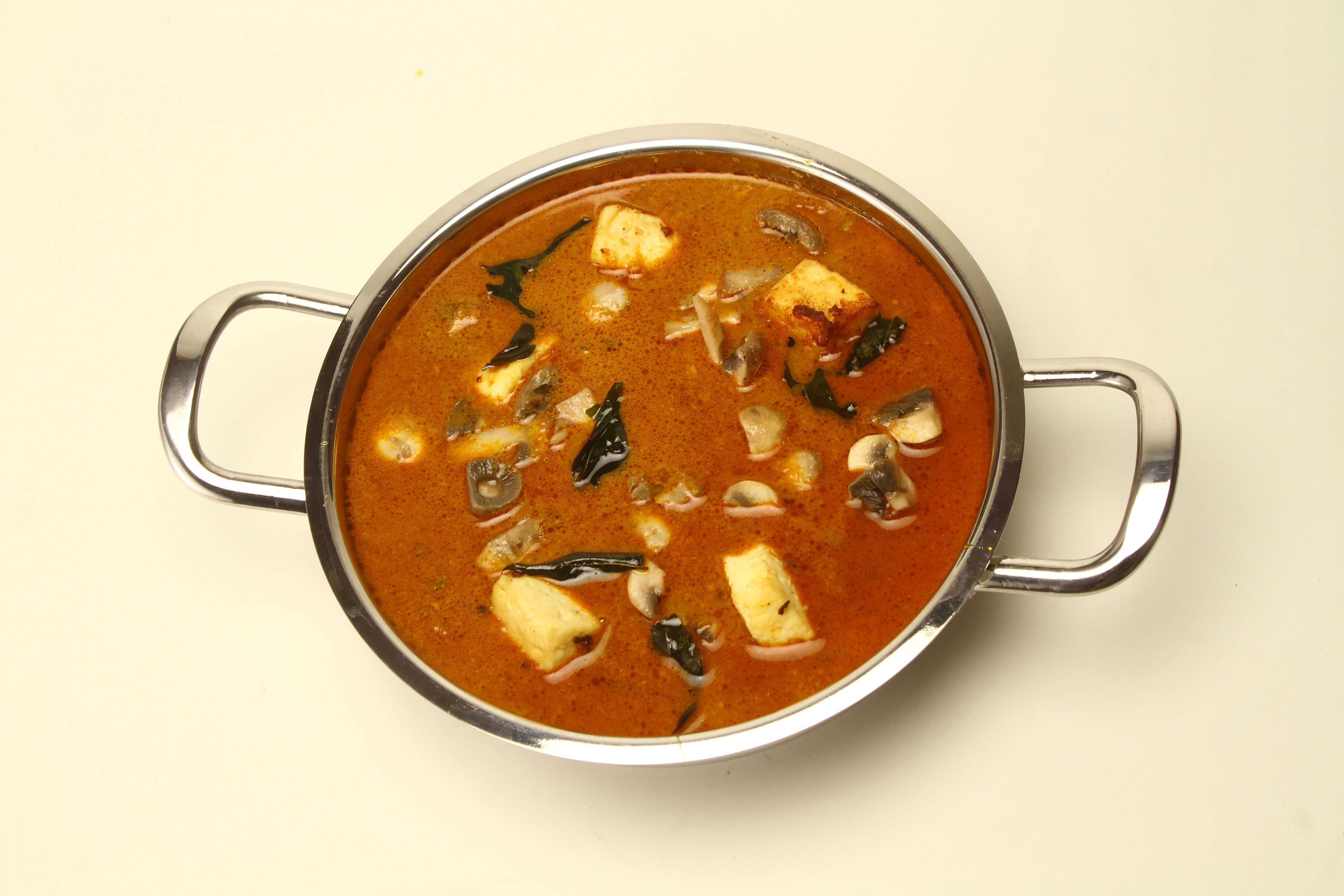
Kara Kuzhambu
The diets react (see scores below)
Common Ingredients
- tamarind
- shallots
- garlic
- drumstick
- chili powder
- coriander seeds
- fenugreek
- mustard seeds
- curry leaves
- sesame oil
Specific recipes may vary.
Incompatible with 3 of 11 diets
Diet Ratings
Kara Kuzhambu is a South Indian tamarind-based gravy with several keto-problematic ingredients. Tamarind is relatively high in carbs (~10g net carbs per 2 tbsp of paste), and shallots carry more carbs than regular onions. Drumstick (moringa pods) is moderate in carbs but manageable in small portions. The spices and curry leaves are fine in keto amounts. Sesame oil is keto-friendly. The dish's overall net carb count depends heavily on portion size and the quantity of tamarind and shallots used — a small serving (~1/2 cup) may fit within daily limits, but a standard South Indian serving portion could easily push 10-15g net carbs from tamarind and shallots alone, making it a caution item requiring strict portion control.
Some strict keto practitioners would classify this as 'avoid' due to tamarind's concentrated sugar content and the cumulative carb load from shallots and drumstick — arguing that high-carb condiment bases like tamarind are too easy to overconsume and better eliminated entirely. Conversely, lazy keto adherents may freely include small servings, viewing the fiber content and whole-food ingredients as net-carb-manageable.
Kara Kuzhambu is a traditional South Indian tamarind-based gravy that is entirely plant-based. Every ingredient listed — tamarind, shallots, garlic, drumstick (Moringa oleifera pods), chili powder, coriander seeds, fenugreek, mustard seeds, curry leaves, and sesame oil — is derived exclusively from plants. The dish is rich in whole food ingredients with minimal processing, which aligns well with whole-food plant-based principles. Sesame oil is a plant-derived fat. Drumstick (moringa pods) adds nutritional value. There are no animal products, animal-derived additives, or ethically contested ingredients present.
Kara Kuzhambu is disqualified primarily by sesame oil, which is a seed oil explicitly excluded from the paleo diet. Beyond that single dealbreaker, fenugreek is a legume-family seed (Fabaceae), also excluded under strict paleo rules. The remaining ingredients — tamarind, shallots, garlic, drumstick (moringa pods), chili powder, coriander seeds, mustard seeds, and curry leaves — are all paleo-compatible vegetables, fruits, and spices. However, the two non-compliant ingredients (sesame oil and fenugreek) are structural to this dish's preparation and flavor profile, not optional garnishes, making the dish as traditionally prepared a paleo avoid.
Kara Kuzhambu is a South Indian tamarind-based curry that aligns remarkably well with Mediterranean diet principles. The dish is entirely plant-based, featuring vegetables (drumstick/moringa, shallots, garlic), legume-adjacent spices, and anti-inflammatory aromatics (fenugreek, coriander, curry leaves). Tamarind provides acidity similarly to how lemon or tomato functions in Mediterranean cooking. The primary fat is sesame oil, which, while not extra virgin olive oil, is a minimally processed plant-based oil with a beneficial fatty acid profile. All ingredients are whole and unprocessed. The absence of red meat, refined grains, added sugars, or processed foods makes this a strong plant-forward dish.
Some Mediterranean diet purists may flag sesame oil as a non-canonical fat, since extra virgin olive oil is the defined primary fat source. Traditional Mediterranean frameworks specifically emphasize EVOO for its polyphenol content and established cardiovascular evidence, and sesame oil — though healthy — lacks this regional endorsement in Mediterranean nutrition research.
Kara Kuzhambu is an entirely plant-based South Indian tamarind curry with zero animal-derived ingredients. Every single component — tamarind, shallots, garlic, drumstick (moringa pods), chili powder, coriander seeds, fenugreek, mustard seeds, curry leaves, and sesame oil — is plant-derived and explicitly excluded from the carnivore diet. There is no protein source of animal origin, no animal fat, and no animal product whatsoever. This dish is fundamentally incompatible with carnivore principles at every level.
Kara Kuzhambu is a South Indian tamarind-based curry that uses entirely Whole30-compliant ingredients. Tamarind (a natural souring agent), shallots, garlic, drumstick (moringa pods — a vegetable), chili powder, coriander seeds, fenugreek, mustard seeds, and curry leaves are all whole, unprocessed spices, aromatics, and vegetables explicitly allowed on Whole30. Sesame oil is a natural fat and fully permitted. There are no grains, legumes, dairy, added sugars, alcohol, or any other excluded ingredients in this dish as listed. This is a clean, whole-food preparation that aligns well with the spirit of the program.
Kara Kuzhambu contains multiple high-FODMAP ingredients that make it unsuitable during the elimination phase. Shallots and garlic are among the highest-FODMAP foods tested by Monash University — both are rich in fructans and must be avoided even in small quantities during elimination. Garlic in particular is rated high-FODMAP at any culinary serving size. Shallots are similarly problematic, with even a small amount (1 shallot) exceeding FODMAP thresholds. These two ingredients are core flavoring components of Kara Kuzhambu and cannot be easily omitted without fundamentally changing the dish. Drumstick (moringa pods) has limited Monash testing but is generally considered moderate risk. Fenugreek seeds in larger culinary quantities contain GOS and fructans. The remaining ingredients — tamarind (at typical doses), chili powder, coriander seeds, mustard seeds, curry leaves, and sesame oil — are generally low-FODMAP and not problematic. However, the shallot and garlic content alone is sufficient to classify this dish as high-FODMAP and inappropriate for the elimination phase.
Kara Kuzhambu is a South Indian tamarind-based gravy with ingredients that are largely DASH-compatible individually — tamarind, shallots, garlic, drumstick (Moringa pods), and anti-inflammatory spices like fenugreek, coriander, and mustard seeds are all plant-based, low in saturated fat, and nutrient-dense. Drumstick (Moringa) is notably rich in potassium, calcium, and magnesium, aligning well with DASH priorities. Sesame oil is a vegetable oil acceptable under DASH. However, the concern lies in the overall sodium content of the dish as typically prepared — traditional recipes often include added salt in substantial amounts, and the tamarind base can concentrate sodium further. The chili powder quantity also warrants attention, as commercial chili powder blends sometimes contain added salt. Portion control matters: as a condiment-style gravy eaten with rice, servings are small, but sodium can accumulate. The dish contains no saturated fat, no red meat, and no added sugar, which are positives. It scores reasonably well but falls into 'caution' due to preparation-dependent sodium variability and the lack of direct NIH DASH guidance on this specific dish type.
NIH DASH guidelines do not specifically address South Indian spiced tamarind gravies, leaving room for clinical interpretation. Some DASH-oriented dietitians would rate this more favorably given its entirely plant-based profile, use of vegetable oil, and DASH-aligned spices like fenugreek (associated with blood pressure benefits), provided salt is moderated during preparation — in that context, a home-prepared low-sodium version could reasonably score 7-8.
Kara Kuzhambu is a South Indian tamarind-based gravy with vegetables (drumstick/moringa), aromatics (shallots, garlic), and spices. From a Zone perspective, it has several favorable elements but also some concerns. Drumstick (moringa pods) is a low-glycemic, fiber-rich vegetable that Zone would approve. Shallots and garlic are favorable low-GI aromatics and polyphenol sources. Tamarind provides tartness and some carbohydrates but in typical cooking quantities is moderate — though concentrated tamarind paste can raise the glycemic load. The spice profile (fenugreek, coriander, chili powder, mustard seeds, curry leaves) is excellent from an anti-inflammatory, polyphenol standpoint — Sears' later work strongly emphasizes polyphenols. The main concern is sesame oil: Zone strongly favors monounsaturated fats (olive oil, avocado oil) and discourages omega-6-heavy seed oils. Sesame oil is predominantly polyunsaturated (omega-6 linoleic acid), which runs counter to Sears' anti-inflammatory fat hierarchy. However, it is used in small quantities as a flavoring/tempering agent rather than a primary cooking fat, which limits the impact. The critical Zone problem is the ABSENCE of lean protein — this dish as described is purely a carb-and-fat gravy. To fit Zone methodology, it must be paired with lean protein (fish, chicken, tofu, dal) to achieve the 40/30/30 ratio. As a standalone main, it cannot balance the Zone block structure. With protein pairing, it works reasonably well as the carb/fat component of a Zone meal.
Some Zone practitioners and Sears' later writings (The Anti-Inflammation Zone, Zone Perfect Meals in Minutes) show more flexibility around traditional whole-food cooking fats like sesame oil when used in small amounts, particularly given the strong anti-inflammatory polyphenol content of the spice blend. The tamarind quantity in typical recipes may be small enough that glycemic impact is minimal. A lenient Zone interpreter might score this higher as a vegetable-forward, spice-rich base that pairs well with Zone protein.
Kara Kuzhambu is a South Indian tamarind-based curry with a remarkably anti-inflammatory ingredient profile. Tamarind provides polyphenols and tartaric acid with antioxidant properties. Shallots and garlic are rich in quercetin, allicin, and organosulfur compounds that suppress NF-κB inflammatory pathways. Drumstick (Moringa oleifera pods) is a standout anti-inflammatory ingredient — exceptionally rich in isothiocyanates, polyphenols, and vitamins C and A, with substantial research supporting its anti-inflammatory and antioxidant effects. Chili powder contributes capsaicin, a well-documented anti-inflammatory compound. Fenugreek contains saponins and fiber with demonstrated anti-inflammatory and blood sugar-regulating effects. Coriander seeds offer flavonoids and essential oils with anti-inflammatory properties. Mustard seeds provide glucosinolates and selenium. Curry leaves are rich in carbazole alkaloids and antioxidants. The primary concern is sesame oil: cold-pressed/unrefined sesame oil has a balanced fatty acid profile and contains sesamol and sesamin (potent antioxidants) — but refined sesame oil is high in omega-6 linoleic acid (~45%), which at regular high intake could tip the omega-6:3 ratio unfavorably. Traditional South Indian cooking uses sesame oil in moderate quantities, and the presence of sesamol/sesamin partially offsets the omega-6 concern. Overall, this dish is a polyphenol and phytochemical powerhouse with minimal pro-inflammatory inputs.
The sesame oil creates mild uncertainty: mainstream anti-inflammatory nutrition (including Dr. Weil's framework) acknowledges sesame oil's antioxidant lignans (sesamol, sesamin) as beneficial, but some anti-inflammatory protocols caution against regular use of omega-6-dominant oils including sesame. Cold-pressed/toasted sesame oil used in small quantities is generally accepted even among more conservative frameworks, but heavy or frequent use in cooking oil quantities may be flagged by AIP or stricter omega-6-avoidance approaches.
Kara Kuzhambu is a South Indian tamarind-based gravy that is intensely spiced and moderately oily. Its profile presents several concerns for GLP-1 patients. The dish contains no meaningful protein source, which is the top dietary priority — it is essentially a spiced vegetable and tamarind broth used as a side gravy, typically eaten with rice. The drumstick (moringa pods) provides some fiber and micronutrients, and shallots and garlic add modest nutritional value, but the overall nutrient density per calorie is low when consumed as a main. The high chili powder content is a significant GLP-1 concern: spicy foods can worsen nausea, reflux, and gastric discomfort in patients whose gastric emptying is already slowed. Sesame oil, while an unsaturated fat, adds fat calories with minimal satiety benefit. Fenugreek is a mild positive — it supports digestion and has blood sugar benefits — and tamarind provides some fiber and antioxidants. However, the combination of high spice load, no protein, moderate fat, and its typical pairing with refined white rice makes this dish a poor standalone main for GLP-1 patients. It could be tolerated in small amounts as a condiment or side alongside a high-protein main, but as a primary dish it fails on protein, spice tolerance, and nutrient density grounds.
Some GLP-1-focused dietitians working with South Asian patients note that fenugreek and tamarind have evidence-backed glycemic and digestive benefits, and may allow this dish in very small quantities as a flavor component rather than a main. However, the high chili load is consistently flagged as a GLP-1 side-effect risk, and individual spice tolerance on these medications varies considerably — some patients develop new or worsened reflux sensitivity after starting GLP-1 therapy even if they previously tolerated spicy food well.
*See how scores were generated at our methodology page.
Nutritional profile
Six traits that cut across every diet.
Fiber & Plants
How much whole-plant food and fiber it delivers.
Healthy Fats
The quality of its fats (unsaturated, omega-3).
Whole / Unprocessed
How close it is to its natural, unprocessed form.
Gut Gentle
How easy it is on digestion (low FODMAP, few irritants).
Low Glycemic
How little it spikes your blood sugar.
Protein Density
How much protein it packs per calorie.
Controversy Index
Higher controversy = more disagreement between diets.
Diet-Specific Tips
 Keto — 4/10
View tips
- Tamarind is the primary concern — relatively high in sugars and net carbs for a sauce base
- Shallots have higher carb content than regular onions, adding to cumulative carb load
- Drumstick (moringa pods) contributes moderate carbs but has decent fiber
- Sesame oil and spices (chili powder, coriander, fenugreek, mustard seeds, curry leaves) are keto-compatible
- No added sugar or grains in the ingredient list — a positive
- Portion control is critical; a small serving (~1/2 cup) may fit keto macros, a standard serving likely will not
- No protein source listed, meaning this would be consumed alongside other foods that also contribute to daily carb totals
 Vegan — 9/10
View tips
- Tamarind provides the sour base — fully plant-based
- Drumstick (moringa pods) is a nutritious whole plant food
- Sesame oil is plant-derived
- All spices and aromatics are 100% plant-based
- No dairy, eggs, meat, or animal-derived additives present
- Whole food preparation with no heavily processed components
 Mediterranean — 8/10
View tips
- 100% plant-based ingredients
- Drumstick (moringa) is highly nutritious — rich in vitamins and antioxidants
- Tamarind, garlic, and shallots are whole, minimally processed flavor bases
- Spices like fenugreek and coriander have anti-inflammatory properties
- Sesame oil is a healthy plant fat but not the Mediterranean-canonical EVOO
- No red meat, dairy, refined grains, or added sugars
- High vegetable and aromatics density consistent with plant-forward eating
 Whole30 — 5/10
View tips
- Tamarind is a natural souring agent — Whole30 compliant
- Drumstick (moringa pods) is a vegetable — fully allowed
- Sesame oil is a compliant natural fat
- All spices (chili powder, coriander seeds, fenugreek, mustard seeds) are allowed — check commercial chili powder for no added anti-caking agents or fillers
- Shallots, garlic, and curry leaves are compliant aromatics
- No excluded ingredients present in listed ingredients
 DASH — 5/10
View tips
- Plant-based ingredients align with DASH vegetable and legume emphasis
- Drumstick (Moringa) is rich in potassium, calcium, and magnesium — core DASH nutrients
- Sesame oil is an acceptable vegetable oil under DASH
- Sodium content highly variable and preparation-dependent — key risk factor
- Tamarind base can concentrate sodium if salt is added liberally
- Commercial chili powder may contain added sodium
- No saturated fat, red meat, or added sugar — strong DASH positives
- Fenugreek and garlic have evidence supporting cardiovascular and blood pressure benefits
- Small serving size typical of this dish mitigates sodium concern partially
 Zone — 5/10
View tips
- No protein present — must be paired with lean protein to form a Zone-compliant meal
- Drumstick/moringa is a favorable low-glycemic Zone vegetable
- Tamarind adds carbohydrates; concentrated amounts could raise glycemic load
- Sesame oil is omega-6 dominant, conflicting with Zone's preference for monounsaturated fats
- Rich polyphenol content from curry leaves, fenugreek, coriander, chili powder aligns with Sears' anti-inflammatory focus
- Shallots and garlic are Zone-favorable aromatics
- As a condiment-style gravy paired with protein (fish/chicken) and served over cauliflower rice, it can fit Zone blocks reasonably well
 Anti-Inflammatory — 8/10
View tips
- Moringa (drumstick) pods — exceptional anti-inflammatory and antioxidant phytochemical content (isothiocyanates, polyphenols)
- Garlic and shallots — allicin and quercetin suppress NF-κB inflammatory signaling
- Capsaicin from chili powder — well-documented anti-inflammatory compound
- Fenugreek — saponins and soluble fiber with anti-inflammatory and glycemic benefits
- Coriander seeds, mustard seeds, curry leaves — combined polyphenol and phytochemical richness
- Tamarind — antioxidant polyphenols; tartaric acid
- Sesame oil — contains anti-inflammatory lignans (sesamol, sesamin) but moderately high in omega-6; quantity and refinement level matters
- No refined carbohydrates, added sugars, or processed ingredients
 GLP-1 Friendly — 4/10
View tips
- No protein source — fails the #1 GLP-1 dietary priority
- High chili powder content risks worsening nausea, reflux, and GI discomfort due to slowed gastric emptying
- Sesame oil adds fat with limited satiety or protein benefit
- Drumstick (moringa) provides some fiber and micronutrients — modest positive
- Fenugreek and tamarind offer minor digestive and glycemic benefits
- Typically paired with refined white rice, lowering overall meal nutrient density
- Low caloric density but also low nutrient density per calorie as a main
- Could be tolerated in very small amounts as a condiment alongside a high-protein main