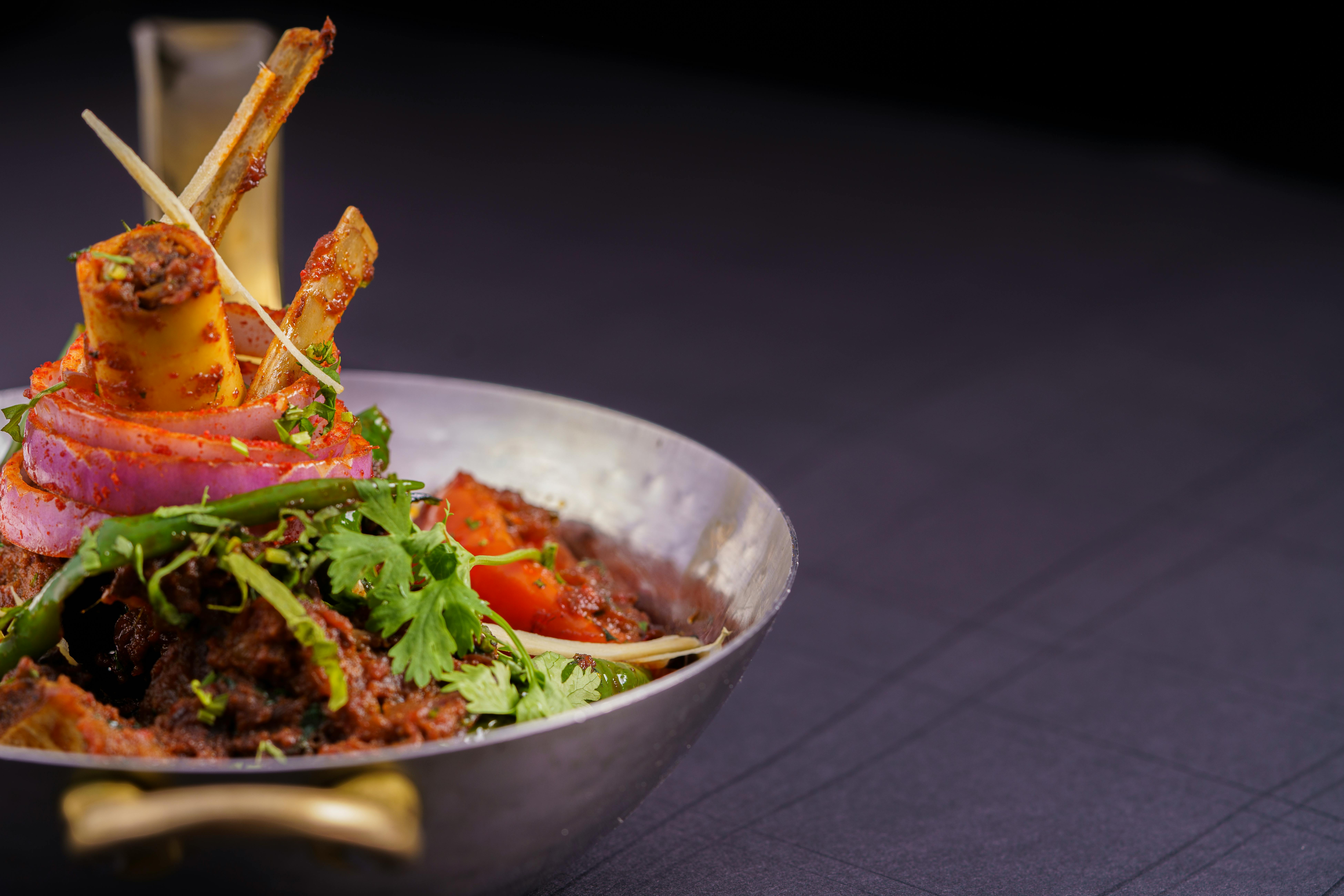
Photo: Kunal Lakhotia / Pexels
Indian
Mutton Chukka
The diets react (see scores below)
Common Ingredients
- mutton
- black pepper
- fennel seeds
- onion
- ginger
- garlic
- curry leaves
- coconut
- chili powder
Specific recipes may vary.
Incompatible with 6 of 11 diets
Diet Ratings
Mutton Chukka is a dry-style Indian goat meat preparation that is fundamentally keto-friendly. Goat (mutton) is a high-protein, moderate-fat meat with zero carbs. The spices — black pepper, fennel seeds, chili powder, curry leaves — contribute negligible net carbs in typical cooking quantities. Ginger and garlic add minimal carbs. Onion is the primary carb concern but in a dry chukka preparation, the quantity used is moderate (often cooked down significantly), keeping net carbs manageable. Coconut (grated or as oil) adds healthy saturated fats, which is a keto positive. The overall dish is low-carb, high-protein, with good fat content from coconut, making it a strong keto choice. Portion awareness around onion quantity is advisable.
Some strict keto practitioners flag fennel seeds and onion together as potentially pushing the dish toward the upper carb threshold, and would advise reducing or omitting onion entirely to stay well within daily net carb limits, particularly for those with stricter 20g/day targets.
Mutton Chukka is a South Indian dry-fry dish whose primary ingredient is mutton (goat meat), a direct animal product. This makes it entirely incompatible with a vegan diet. There is no ambiguity here — goat meat is unequivocally an animal product excluded under every definition of veganism. The remaining ingredients (black pepper, fennel seeds, onion, ginger, garlic, curry leaves, coconut, chili powder) are all plant-based, but the dish cannot be considered vegan in any form while mutton remains its core component.
Mutton Chukka is an excellent paleo dish. Every ingredient aligns closely with Paleolithic eating principles. Mutton (goat meat) is an unprocessed animal protein that hunter-gatherers would have consumed. Black pepper, fennel seeds, chili powder, curry leaves, ginger, and garlic are all natural herbs and spices fully permitted on paleo. Onion is a vegetable with clear paleo approval. Coconut (whether flesh, milk, or oil) is widely accepted in the paleo community as a whole food. There are no grains, legumes, dairy, refined sugars, seed oils, or processed additives present. The dish is a dry-cooked spiced meat preparation with no problematic components.
Mutton Chukka is a dry-spiced goat meat dish that conflicts with core Mediterranean diet principles in several ways. Red/goat meat is limited to only a few times per month in the Mediterranean diet, making it a poor fit as a regular main course. The dish also features coconut as a significant ingredient, which is high in saturated fat and is not part of the traditional Mediterranean pantry — olive oil is the canonical fat source. The spice blend (black pepper, fennel, curry leaves, chili powder) and aromatics (onion, ginger, garlic) are flavorful and not inherently problematic, but they cannot offset the core issues of red meat as the primary protein and coconut adding saturated fat. This dish represents an occasional indulgence at best within a Mediterranean framework.
Some modern Mediterranean diet interpretations acknowledge that goat meat is actually consumed in traditional Mediterranean regions (Greece, southern Italy, North Africa, Turkey), and when eaten occasionally and in modest portions, lean goat could be considered more acceptable than beef or pork. However, the addition of coconut, which is absent from traditional Mediterranean cuisine, remains a complicating factor that most authorities would flag.
Mutton Chukka, while built on an excellent carnivore-compatible base protein (goat/mutton, a ruminant meat), is disqualified by its extensive plant-derived ingredient list. Onion, garlic, curry leaves, coconut, fennel seeds, black pepper, and chili powder are all plant foods explicitly excluded from the carnivore diet. Coconut in particular adds plant fat, and the spice blend introduces plant compounds that strict carnivore practitioners reject. The dish is essentially a spice-heavy plant-and-meat preparation rather than a carnivore meal. Even lenient carnivore practitioners who tolerate minor spice use (e.g., black pepper) would draw the line at onion, garlic, coconut, and multiple plant-based seasonings used as primary flavor components.
Mutton Chukka is a dry-spiced goat dish made entirely from Whole30-compliant ingredients. Mutton (goat meat) is an unprocessed protein fully allowed on the program. All spices and aromatics — black pepper, fennel seeds, chili powder, ginger, garlic, and curry leaves — are natural herbs and spices explicitly permitted. Onion is a vegetable, coconut (fresh or desiccated without added sugar) is a natural fat/fruit allowed on Whole30. There are no grains, legumes, dairy, added sugars, alcohol, or any other excluded ingredients present. This is a whole-food, traditionally prepared meat dish that aligns perfectly with the spirit and letter of the Whole30 program.
Mutton Chukka contains two major high-FODMAP ingredients that make it unsuitable during the elimination phase: garlic (very high in fructans — one of the highest-FODMAP foods tested by Monash) and onion (also very high in fructans, problematic even at small quantities). These are core structural ingredients in this dish, not trace seasonings, so they cannot be dismissed as incidental. The mutton (goat) itself is a plain protein and is fully low-FODMAP. Black pepper, chili powder, curry leaves, ginger, and fennel seeds are all low-FODMAP at typical culinary doses. Coconut (shredded/desiccated) is low-FODMAP at ≤½ cup per Monash. However, the presence of both garlic and onion as primary aromatics — cooked directly into the dish — means FODMAPs are infused throughout and cannot be removed. This dish is a clear avoid during the elimination phase.
Mutton Chukka presents several concerns for the DASH diet. First, mutton (goat) is a red meat, which DASH guidelines recommend limiting due to its saturated fat content. Second, and most critically, coconut is a prominent ingredient — coconut flesh and coconut-based preparations contain significant amounts of saturated fat from a tropical oil source, which DASH explicitly limits. Third, as a dry-fry Indian dish, Mutton Chukka is typically prepared with generous amounts of oil in addition to the coconut, further increasing saturated fat load. While some individual ingredients are DASH-friendly (onion, garlic, ginger, curry leaves, black pepper, fennel seeds are all acceptable spices/aromatics), the combination of red meat and coconut makes this dish difficult to align with DASH principles. Sodium content depends on preparation but is often moderate to high with added salt. The dish lacks the fiber, potassium, calcium, and magnesium richness that DASH emphasizes.
NIH DASH guidelines clearly limit both red meat and tropical oils like coconut. However, some updated DASH-aligned clinicians note that goat meat is leaner than beef or lamb and can be consumed in small portions (2-3 oz) occasionally, and a small amount of coconut used as flavoring rather than a base may not be categorically excluded — some practitioners focus more on overall dietary pattern than individual dish exclusions.
Mutton Chukka presents a mixed Zone Diet profile. Goat (mutton) is a relatively lean red meat compared to lamb or beef, with a decent protein-to-fat ratio, making it more Zone-compatible than fattier cuts. However, the inclusion of coconut (likely grated or coconut paste) introduces saturated fat, which Zone Diet cautions against — particularly in Dr. Sears' earlier writings. The spice blend (black pepper, fennel, chili, curry leaves, ginger, garlic) is excellent from an anti-inflammatory and polyphenol standpoint, aligning well with Sears' later omega-3/polyphenol focus. Onion contributes minimal low-glycemic carbohydrates. The primary Zone concern is balancing this dish as a complete meal: it is predominantly protein and fat with very little carbohydrate, so it would need to be paired with a large serving of low-glycemic vegetables (e.g., a salad or steamed greens) to achieve the 40/30/30 ratio. As a standalone dish, the macros skew toward protein and fat. Portion control of the coconut component is important to manage saturated fat intake.
In Sears' earlier Zone works, coconut and saturated fat were clearly unfavorable. However, in his later anti-inflammatory writings (e.g., 'The Zone Diet and Inflammation'), Sears softened his stance on some saturated fats when accompanied by high polyphenol content. Some Zone practitioners would therefore rate this more favorably given the potent spice profile and the relative leanness of goat meat. Others following classic Zone would penalize the coconut content more heavily.
Mutton Chukka presents a genuinely mixed anti-inflammatory profile. On the beneficial side, the dish is rich in potent anti-inflammatory spices: black pepper (piperine enhances bioavailability of anti-inflammatory compounds), fennel seeds (anethole), ginger (gingerols), garlic (allicin), chili powder (capsaicin), and curry leaves (carbazole alkaloids, antioxidants). These collectively contribute meaningful anti-inflammatory activity and are hallmarks of anti-inflammatory Indian cooking. However, the protein base — mutton (goat meat) — is red meat, which the anti-inflammatory framework places in the 'limit' category due to saturated fat content and arachidonic acid, both associated with pro-inflammatory signaling. Coconut adds saturated fat (lauric acid), which is debated — some research suggests medium-chain triglycerides (MCTs) in coconut are metabolically distinct, but most anti-inflammatory authorities still recommend limiting it. Onion provides quercetin, a beneficial flavonoid. Overall, the dish is not a dietary villain — goat is leaner than beef or lamb and the spice matrix is genuinely impressive — but the red meat and coconut content prevent an 'approve' rating. Suitable occasionally as part of an otherwise anti-inflammatory diet.
Some anti-inflammatory practitioners, particularly those influenced by traditional Ayurvedic medicine, would view this dish more favorably — the synergistic spice combination (pepper, ginger, garlic, curry leaves) is considered therapeutically protective and may offset red meat concerns in modest portions. Conversely, stricter anti-inflammatory and AIP protocols would flag both red meat and coconut's saturated fat content more harshly, potentially pushing this toward 'avoid' for individuals managing autoimmune conditions or cardiovascular inflammation.
Mutton Chukka is a dry-fried South Indian goat preparation that raises multiple red flags for GLP-1 patients. Goat (mutton) is a fatty red meat with significant saturated fat content, and the 'chukka' preparation style involves high-heat frying or pan-roasting in oil with coconut — a saturated fat source that adds further fat load per serving. The combination of high fat and high-heat cooking significantly increases the risk of nausea, bloating, and reflux, which are already primary GLP-1 side effects. Chili powder in meaningful quantities may worsen reflux and gastric discomfort given slowed gastric emptying. While goat does provide protein, the fat-to-protein ratio and preparation method undermine that benefit. Coconut adds saturated fat with minimal fiber or protein payoff. The spice intensity of this dish is typically high, compounding GI irritation risk. Positive notes: garlic, onion, ginger, curry leaves, and black pepper offer anti-inflammatory and digestive benefits in small amounts, and fennel seeds may mildly support digestion. However, these do not offset the core concerns. This dish is not portion-friendly in the sense that its fat and spice load cause problems even in small servings.
Some GLP-1-focused dietitians note that goat meat is leaner than lamb or beef and may be acceptable in small, carefully portioned servings for patients with higher fat tolerance — particularly if the coconut quantity is minimal and chili is moderated. The disagreement centers on individual GI tolerance and whether the preparation style (oil quantity, coconut amount) in a specific recipe tips the dish from caution into avoid territory.
*See how scores were generated at our methodology page.
Nutritional profile
Six traits that cut across every diet.
Fiber & Plants
How much whole-plant food and fiber it delivers.
Healthy Fats
The quality of its fats (unsaturated, omega-3).
Whole / Unprocessed
How close it is to its natural, unprocessed form.
Gut Gentle
How easy it is on digestion (low FODMAP, few irritants).
Low Glycemic
How little it spikes your blood sugar.
Protein Density
How much protein it packs per calorie.
Controversy Index
Higher controversy = more disagreement between diets.
Diet-Specific Tips
 Keto — 8/10
View tips
- Goat meat is zero-carb, high-quality protein — strong keto base
- Coconut adds healthy saturated fats, boosting keto macros
- Onion is the main carb contributor — moderate amounts keep net carbs low
- Spices (black pepper, fennel, chili) add negligible carbs in cooking quantities
- Dry preparation style means no sugary sauces or starchy thickeners
- Fennel seeds in large quantities carry some carbs but typical culinary use is minimal
 Paleo — 9/10
View tips
- Goat/mutton is an unprocessed, nutrient-dense animal protein fully approved on paleo
- All spices — black pepper, fennel seeds, chili powder — are natural and paleo-compliant
- Curry leaves, ginger, garlic, and onion are whole plant foods with no paleo concerns
- Coconut is widely embraced in the paleo community as a whole food source of healthy fats
- No grains, legumes, dairy, refined sugar, seed oils, or processed ingredients present
- Dry-spiced preparation method aligns with whole-food, minimally processed paleo philosophy
 Whole30 — 9/10
View tips
- Goat/mutton is a fully compliant protein on Whole30
- All spices (black pepper, fennel seeds, chili powder) are natural and allowed
- Curry leaves and fresh aromatics (ginger, garlic, onion) are Whole30-approved vegetables/seasonings
- Coconut is compliant as long as no sugar is added (plain fresh or dried coconut)
- No grains, legumes, dairy, or added sweeteners in the ingredient list
- Traditional dry preparation aligns with whole-food cooking philosophy
 Zone — 5/10
View tips
- Goat meat is relatively lean compared to other red meats, making it more Zone-compatible as a protein source
- Coconut adds saturated fat, which is flagged as unfavorable in classic Zone Diet protocol
- Rich spice profile (ginger, garlic, black pepper, curry leaves) provides strong anti-inflammatory and polyphenol benefits aligned with Sears' later writings
- Dish is protein-and-fat dominant with minimal carbohydrates — must be paired with low-glycemic vegetables to achieve 40/30/30 balance
- Onion contributes small amounts of low-glycemic carbohydrates, which is favorable
- No high-glycemic carbohydrates present, which is a positive Zone attribute
- Portion size of coconut should be carefully controlled to limit saturated fat load
 Anti-Inflammatory — 5/10
View tips
- Mutton (goat) is red meat — classified as 'limit' in anti-inflammatory frameworks due to saturated fat and arachidonic acid
- Goat is leaner than beef or lamb, partially mitigating red meat concerns
- Black pepper (piperine) is strongly anti-inflammatory and enhances bioavailability of curcumin and other polyphenols
- Ginger (gingerols) and garlic (allicin) are well-evidenced anti-inflammatory agents
- Chili powder (capsaicin) reduces inflammatory cytokines
- Curry leaves and fennel seeds contribute antioxidants and bioactive compounds
- Coconut adds saturated fat — debated between MCT benefits and pro-inflammatory saturated fat load
- Onion provides quercetin, a potent anti-inflammatory flavonoid
- No seed oils, refined carbohydrates, or added sugars — a positive structural feature