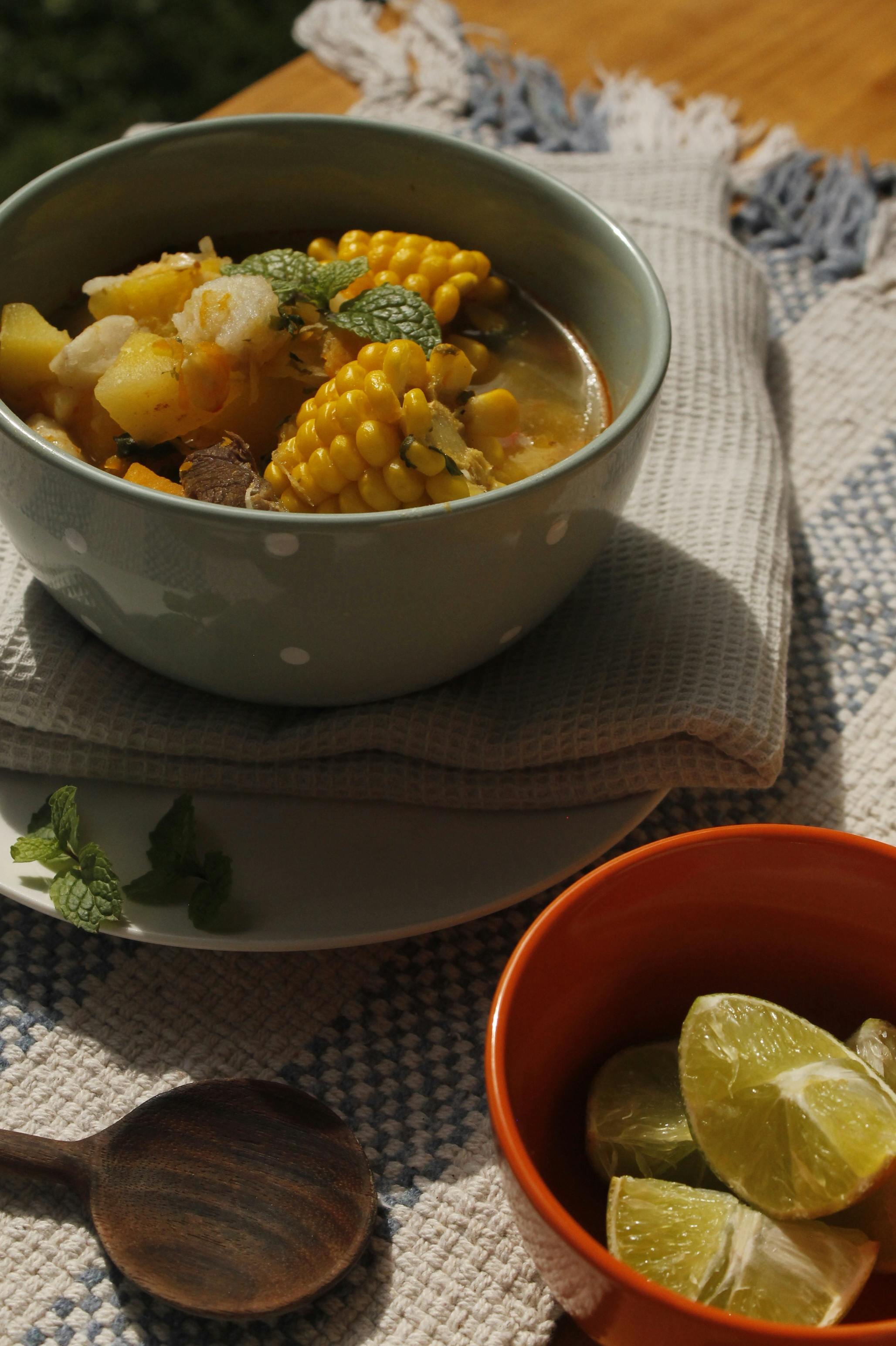
Photo: Oriana Fotos / Pexels
The diets react (see scores below)
Common Ingredients
- beef
- pumpkin
- corn
- potatoes
- rice
- green beans
- onion
- cilantro
Specific recipes may vary.
Incompatible with 7 of 11 diets
Diet Ratings
Cazuela is fundamentally incompatible with a ketogenic diet. It contains multiple high-carbohydrate ingredients that individually would exceed or approach the daily net carb limit, let alone combined. Potatoes (~17g net carbs per 100g), corn (~16g net carbs per 100g), pumpkin/squash (~6-8g net carbs per 100g), and rice (~28g net carbs per 100g) together make this dish a carbohydrate-dense stew that would blow a keto budget in a single serving. The beef component is keto-friendly, and green beans, onion, and cilantro are borderline acceptable in small amounts, but the dominant carb ingredients make this dish entirely unsuitable for ketosis.
Cazuela is a traditional Chilean stew with beef as its primary protein, which is an animal product and therefore incompatible with a vegan diet. While the dish also contains several plant-based ingredients (pumpkin, corn, potatoes, rice, green beans, onion, cilantro), the presence of beef alone makes it unsuitable for vegans. There is no ambiguity here — beef is unequivocally an animal product excluded from all vegan diets.
Cazuela contains multiple strict paleo exclusions. Corn is a grain and explicitly forbidden in paleo. Rice is a grain and excluded. Green beans are legumes and excluded. Potatoes are debated but even under lenient interpretations, the combination of three other non-paleo ingredients makes this dish clearly non-compliant. The beef, pumpkin, onion, and cilantro are paleo-approved, but the majority of the dish's defining ingredients violate core paleo principles.
Cazuela is a Chilean beef-based stew with several Mediterranean diet concerns. Beef is the primary protein, which the Mediterranean diet restricts to a few times per month. While the dish contains an excellent array of vegetables (pumpkin, corn, green beans, onion) and legume-adjacent ingredients, the starchy load is high with both potatoes and rice present together. The vegetable content is genuinely positive and aligns well with Mediterranean principles, but beef as the central protein is the disqualifying factor under strict Mediterranean diet guidelines. The dish would score much higher if made with fish, legumes, or chicken.
Some Mediterranean diet practitioners might rate this as 'caution' rather than 'avoid', arguing that the abundant vegetables dominate the dish and the beef portion in a cazuela is typically modest (one piece per serving), similar to how some traditional Mediterranean stews use small amounts of red meat as a flavoring component rather than a primary protein source.
Cazuela is a Chilean stew that contains beef as its protein base, but the dish is overwhelmingly plant-based in composition. Pumpkin, corn, potatoes, rice, green beans, onion, and cilantro are all plant-derived foods explicitly excluded from the carnivore diet. The only carnivore-compatible ingredient is the beef itself. This dish cannot be considered carnivore-compatible in any tier of the diet — not even the more lenient 'animal-based' approaches include grains, legumes, or starchy vegetables at this volume. There is universal consensus in the carnivore community that this dish must be avoided as prepared.
Cazuela contains both corn and rice, which are grains explicitly excluded from the Whole30 program. Corn is a grain (not a vegetable on Whole30) and rice is a grain — both are on the excluded list for the full 30 days. The remaining ingredients (beef, pumpkin, potatoes, green beans, onion, cilantro) are all Whole30-compliant, but the presence of two excluded grains makes this dish a clear avoid. To make a compliant version, the corn and rice would need to be omitted entirely.
Cazuela contains onion, which is one of the highest-FODMAP foods tested by Monash University due to its very high fructan content. Even small amounts of onion cooked into a soup are problematic because fructans leach into the broth, meaning the entire dish becomes high-FODMAP regardless of how much solid onion is consumed. This alone disqualifies the dish during the elimination phase. The remaining ingredients are largely low-FODMAP: beef (approved), pumpkin/butternut squash (low-FODMAP at ~75g), potatoes (low-FODMAP at standard serving), rice (approved), green beans (low-FODMAP at ~75g), and cilantro (approved). Corn is a caution item — canned corn is low-FODMAP at ~38g but fresh corn cob portions can be moderate. However, the onion is the definitive disqualifying factor.
Cazuela is a traditional Chilean stew with a generally favorable nutritional profile for DASH — it is loaded with vegetables (pumpkin, corn, green beans, onion), which provide potassium, magnesium, and fiber. Potatoes add potassium and bulk. Cilantro is a DASH-friendly herb. The main concern is the beef: DASH limits red meat due to saturated fat content, recommending lean cuts in small portions. Traditional cazuela often uses bone-in cuts (like short ribs or shank), which tend to be fattier. If lean cuts are used and sodium is kept low (no added salt beyond cooking), the dish can be acceptable in moderation. The soup format also means the sodium level depends heavily on preparation — homemade with no added sodium is far better than restaurant versions. Rice adds starchy carbohydrates, which is fine in controlled portions. Overall, the dish has strong DASH-friendly elements but is pulled back by the red meat and variable sodium.
NIH DASH guidelines categorically limit red meat and favor poultry, fish, or plant proteins. However, updated clinical interpretations note that lean beef in small portions (2–3 oz) within an otherwise vegetable-rich dish like cazuela can fit within DASH targets, particularly if the total daily saturated fat and sodium budgets are maintained — some DASH-oriented dietitians would approve this dish when made with lean cuts and minimal added salt.
Cazuela is a hearty Chilean stew that presents significant Zone Diet challenges due to its carbohydrate profile. The dish contains multiple high-glycemic carbohydrate sources simultaneously — potatoes, corn, and rice — all of which Dr. Sears classifies as 'unfavorable' carbohydrates in Zone methodology. Potatoes and corn are explicitly listed as foods to avoid or minimize in Zone due to their high glycemic load, and white rice is similarly discouraged. Pumpkin (depending on variety) can also be moderately high-glycemic. This stacking of unfavorable carbs makes it very difficult to keep the meal in a 40/30/30 ratio without severely reducing portion sizes. On the positive side, beef provides a protein anchor (though fattier cuts common in cazuela are less ideal than lean cuts), and green beans, onion, and cilantro are Zone-favorable vegetables that contribute low-glycemic carbs and polyphenols. To adapt this dish for the Zone, one would need to significantly reduce or eliminate the potatoes, rice, and corn, increase the green bean and vegetable content, choose lean beef, and keep the overall portion modest. As traditionally served, the carbohydrate load is heavily skewed toward high-glycemic sources, making it a caution-level food that requires substantial modification.
Chilean Cazuela is a traditional broth-based stew with a mixed anti-inflammatory profile. On the positive side, it features pumpkin (rich in beta-carotene and antioxidants), corn (contains lutein and zeaxanthin), green beans (fiber, flavonoids), onion (quercetin, a potent anti-inflammatory flavonoid), and cilantro (anti-inflammatory polyphenols). The soup format means it's typically cooked in water or light broth rather than inflammatory oils, and the vegetable density is meaningful. However, beef is the primary protein, which is flagged under anti-inflammatory guidelines as a food to limit due to saturated fat content and potential arachidonic acid contributions. The refined carbohydrate load from both potatoes and rice together is notable — while whole potatoes are less concerning than processed refined carbs, the combination of two starchy carbohydrates with beef in a single dish tips the overall profile toward neutral-to-mixed. There are no trans fats, processed additives, or seed oils. If made with a smaller portion of lean beef (or substituted with chicken), and proportions of vegetables increased, this dish would rate higher. As traditionally prepared, it sits solidly in the moderate/caution range — not harmful, but not optimized for anti-inflammatory eating.
Some anti-inflammatory practitioners (particularly those aligned with paleo or ancestral eating frameworks) would rate this higher, viewing bone-in beef in a slow-cooked broth as a source of beneficial collagen and glycine, and potatoes as a whole-food carbohydrate with resistant starch. Others following stricter anti-inflammatory protocols (such as Dr. Weil's emphasis on limiting red meat) would potentially score it lower, especially if the beef is fatty and the portion is large.
Chilean Cazuela is a traditional broth-based beef stew that has several GLP-1-friendly qualities — it is a soup (easy to digest in small portions, high water content supports hydration), and includes fiber-rich vegetables like green beans, pumpkin, and onion. However, the carbohydrate load is a notable concern: the dish simultaneously includes potatoes, corn, and rice, creating a high-starch combination that dilutes protein density per serving and can spike blood sugar. The beef protein source is a mixed signal — traditional cazuela uses bone-in beef cuts (short ribs, ossobuco-style) that tend to be moderate-to-high in saturated fat, which can worsen GLP-1 GI side effects like nausea and bloating. The broth base and vegetable content are genuinely positive. A modified version using lean beef (eye of round, sirloin tip), reducing or eliminating the rice, and keeping the vegetable base intact would score considerably higher (7-8). As prepared traditionally, it sits in the caution range.
Some GLP-1-aware dietitians would rate this more favorably, noting that broth-based soups are among the most GLP-1-tolerated meal formats due to easy digestibility and built-in hydration, and that the fat content in a single serving is portion-dependent on the cut used. Others would flag the triple starch combination (potato, corn, rice) as meaningfully counterproductive for patients with insulin resistance who are often the target GLP-1 population, and would recommend this dish only with significant modification.
*See how scores were generated at our methodology page.
Nutritional profile
Six traits that cut across every diet.
Fiber & Plants
How much whole-plant food and fiber it delivers.
Healthy Fats
The quality of its fats (unsaturated, omega-3).
Whole / Unprocessed
How close it is to its natural, unprocessed form.
Gut Gentle
How easy it is on digestion (low FODMAP, few irritants).
Low Glycemic
How little it spikes your blood sugar.
Protein Density
How much protein it packs per calorie.
Controversy Index
Higher controversy = more disagreement between diets.
Diet-Specific Tips
 DASH — 6/10
View tips
- Rich in DASH-friendly vegetables: pumpkin, corn, green beans, onion provide potassium, magnesium, and fiber
- Beef is a red meat — DASH limits red meat due to saturated fat; fatty bone-in cuts (traditional) worsen the score
- Lean beef cuts in small portions (2–3 oz) are more acceptable within DASH
- Sodium highly preparation-dependent: homemade with no added salt scores significantly better than restaurant versions
- Potatoes contribute potassium, a key DASH nutrient
- No high-sodium processed ingredients in the base recipe
- Rice portion should be controlled to avoid excess refined carbohydrates
 Zone — 4/10
View tips
- Potatoes are explicitly unfavorable in Zone — high glycemic index disrupts insulin balance
- Corn is an unfavorable Zone carbohydrate due to high glycemic load
- Rice (likely white) is a high-glycemic carb Sears recommends minimizing or eliminating
- Triple stacking of high-glycemic carbs (potatoes + corn + rice) makes 40/30/30 ratio very difficult to achieve
- Pumpkin is moderately acceptable in small portions but adds to carb load
- Green beans and onion are Zone-favorable vegetables — a positive element
- Beef provides protein but fattier cuts common in traditional cazuela exceed lean protein guidelines
- Dish is adaptable with portion reduction of starches and removal of rice/potato, but requires significant modification from traditional preparation
 Anti-Inflammatory — 5/10
View tips
- Beef as primary protein — red meat is flagged as 'limit' under anti-inflammatory guidelines due to saturated fat content
- Pumpkin provides beta-carotene and antioxidants — strong anti-inflammatory contributor
- Onion is rich in quercetin, a well-researched anti-inflammatory flavonoid
- Double starchy carbohydrate load (potatoes + rice) raises glycemic concern
- Cilantro adds anti-inflammatory polyphenols
- Broth-based cooking format avoids seed oils or inflammatory fats
- Green beans and corn contribute fiber and phytonutrients
- No processed ingredients, additives, trans fats, or refined sugar
 GLP-1 Friendly — 5/10
View tips
- Broth-based soup format supports hydration and easy digestibility — a genuine GLP-1 positive
- Triple starch combination (potato, corn, rice) significantly reduces protein density per serving and raises glycemic load
- Traditional beef cuts used in cazuela tend to be fatty (short ribs, bone-in cuts), increasing saturated fat per serving
- Green beans, pumpkin, and onion contribute meaningful fiber and micronutrients
- Protein content is present but diluted across a high-carbohydrate base
- Small-portion friendly as a soup, but nutrient profile requires modification to be GLP-1 optimal
- Lean beef substitution and rice removal would substantially improve the rating