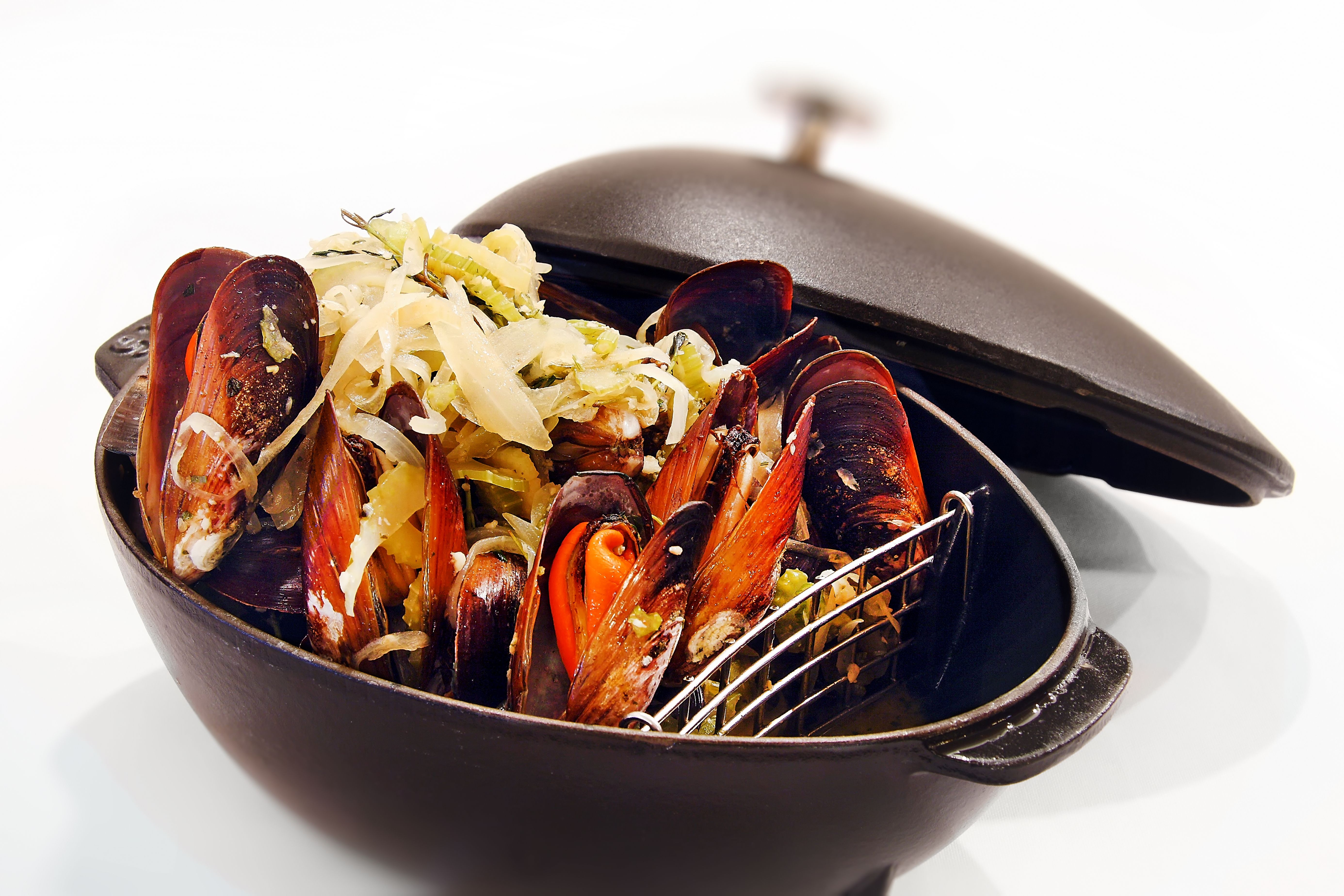
Photo: Luiz Henrique Mendes / Pexels
The diets react (see scores below)
Common Ingredients
- mussels
- clams
- pork
- sausage
- chicken
- potatoes
- milcao
- cabbage
Specific recipes may vary.
Incompatible with 9 of 11 diets
Diet Ratings
Curanto is a traditional Chilean pit-cooked dish that is fundamentally incompatible with ketogenic diet principles. While it contains several keto-friendly protein sources (shrimp, mussels, clams, pork, sausage, chicken), the dish is heavily anchored by potatoes and milcao — both severe keto violations. Potatoes are a high-starch vegetable with roughly 15-17g net carbs per 100g. Milcao is a traditional Chilean potato pancake/dumpling made from grated and cooked potatoes, which compounds the starch load dramatically. Together, these two ingredients alone can push a single serving well past the entire daily 20-50g net carb limit for ketosis. The cabbage is acceptable in small portions, and the proteins are largely fine, but the structural carbohydrate components of this dish make it unavoidable to exceed keto thresholds in any standard serving.
Curanto is a traditional Chilean/Chiloé dish that is fundamentally incompatible with a vegan diet. It contains multiple animal products: shellfish (mussels, clams, shrimp as primary protein), land animal meats (pork, sausage, chicken), making it one of the most animal-product-dense dishes possible. The only vegan-compatible components are the potatoes, milcao (Chilean potato bread, though traditionally made with pork fat — itself non-vegan), and cabbage leaves. There is no meaningful way to consider this dish vegan in its traditional form.
Curanto contains multiple non-paleo ingredients that disqualify it. Milcao is a Chilean potato bread/cake made from potatoes and wheat flour or potato starch mixed with pork fat — it is a processed grain-containing product. Sausage is typically a processed meat containing additives, preservatives, fillers, and often grains or legumes as binders. While the seafood (mussels, clams, shrimp), chicken, pork (unprocessed), potatoes (debated), and cabbage are individually paleo-friendly or debated, the milcao and sausage are clear violations. The combination of a processed grain-based component (milcao) and processed meat (sausage) firmly places this dish in the avoid category.
Curanto is a Chilean pit-cooked dish that combines multiple proteins problematic for the Mediterranean diet. It contains pork and sausage (processed meat), which are explicitly discouraged — red meat is limited to a few times per month and processed meats are generally avoided entirely. While the shrimp, mussels, and clams are Mediterranean-friendly seafood, and chicken and potatoes are acceptable in moderation, the dominant protein profile is heavily weighted toward red and processed meats. Milcao (a Chilean potato bread) is a refined starch, and the overall dish lacks olive oil, legumes, or other plant-forward Mediterranean staples. The combination of sausage, pork, and the sheer volume of animal protein in one dish makes this a poor fit for Mediterranean dietary principles.
Curanto is a Chilean feast dish that combines animal proteins (mussels, clams, pork, sausage, chicken, shrimp) with heavily plant-based components that are central — not incidental — to the dish. Potatoes, milcao (a traditional Chilean potato and pork rind cake, still predominantly starch-based), and cabbage are core structural components of Curanto, not optional garnishes. The animal protein components would individually be carnivore-compatible, but the dish as prepared and defined cannot be separated from its plant-based starches and vegetables. Milcao alone is a potato-flour dumpling that disqualifies this dish under any tier of carnivore. The presence of potatoes and cabbage adds further plant carbohydrate load. Even lenient carnivore practitioners who tolerate dairy or coffee would universally reject a starchy potato-cabbage dish.
Curanto is a traditional Chilean pit-cooked dish that contains several Whole30-incompatible components. The most critical issues are: (1) Milcao — a traditional Chilean potato cake made with wheat flour or potato starch mixed with cooked and raw potato, often with lard — even if potato-based, it falls into the 'recreated baked good/bread-like' category explicitly excluded by Whole30 Rule 4, functioning as a starchy bread-like cake. (2) Sausage — commercially prepared sausages almost universally contain added sugars, nitrates, fillers, grains, or other non-compliant additives; compliant versions exist but are rare and require careful label verification. (3) Pork, chicken, mussels, clams, potatoes, and cabbage are all individually Whole30-compliant proteins and vegetables. However, milcao alone is disqualifying as it is explicitly the type of starchy, flour-based, baked/cooked bread substitute the program prohibits. The dish as traditionally prepared cannot be made Whole30-compliant without removing milcao entirely.
Curanto is a traditional Chilean pit-cooked dish with a complex mix of proteins and starches. Most of the proteins (mussels, clams, chicken, shrimp) are low-FODMAP and safe. However, sausage is a significant concern — commercial sausages commonly contain garlic, onion, or wheat fillers, all high-FODMAP ingredients. Pork itself is fine, but cured or seasoned pork products may carry hidden FODMAPs. Potatoes are low-FODMAP at standard servings (~1 medium potato). Cabbage is low-FODMAP at small servings (~75g common cabbage) but can become moderate-high in larger portions. Milcao is a traditional potato-based bread/dumpling from Chiloé that is typically made from grated potato, cooked potato, and lard or chicharrón (pork crackling) — the base is generally low-FODMAP, but some versions include wheat flour or seasonings with onion/garlic which would add FODMAP load. The primary concern is the sausage and the uncertainty around milcao preparation and sausage ingredients. As a communal dish served in large portions with multiple FODMAP-risk components, the cumulative load is a real concern during elimination phase.
Monash University has not specifically tested Curanto or milcao as a dish. Clinical FODMAP practitioners would likely advise avoiding this dish during the elimination phase due to the near-certainty that commercial sausage contains garlic/onion, and the ambiguity of milcao recipes — making it very difficult to confirm FODMAP safety without controlling the exact recipe and portion sizes.
Curanto is a traditional Chilean pit-cooked dish combining shellfish (mussels, clams, shrimp) alongside pork, sausage, and chicken, served with starchy sides like potatoes, milcao (a fried potato-pork patty), and cabbage. While the shellfish and chicken components are DASH-friendly, and cabbage and potatoes offer fiber and potassium, the dish is dominated by high-sodium, high-saturated-fat elements. Sausage and cured pork are explicitly limited under DASH due to high sodium and saturated fat content. Milcao is typically made with lard or pork fat, adding significant saturated fat. The combined sodium load from processed meats, sausage, and shellfish (especially mussels and clams, which are naturally moderate in sodium) easily exceeds DASH daily sodium limits in a single serving. The presence of multiple red and processed meat components in one dish is fundamentally at odds with DASH principles.
Curanto is a traditional Chilean pit-cooked feast featuring mixed seafood (mussels, clams, shrimp), multiple meats (pork, sausage, chicken), and starchy carbohydrates (potatoes, milcao — a potato-based pancake). The protein variety is actually Zone-friendly in concept: shellfish and chicken are lean, favorable Zone proteins. However, the dish has significant Zone problems. Potatoes are explicitly listed as an 'unfavorable' high-glycemic carb in Sears' Zone framework, and milcao (a dense potato-and-flour dumpling) compounds this glycemic load substantially. Fatty sausage and pork introduce saturated fat and fat blocks that are harder to balance. The 40/30/30 ratio would be severely skewed toward carbohydrates and fat, with little ability to control portions given the dish's communal, all-in-one nature. That said, the lean proteins (shellfish, chicken) are genuinely favorable Zone building blocks, preventing this from scoring lower. A Zone dieter could eat Curanto cautiously — prioritizing the shellfish and chicken, minimizing potato and milcao intake, and skipping or limiting sausage — but as served traditionally, the macro balance is unfavorable.
Some Zone practitioners in later Sears frameworks (particularly his omega-3 and polyphenol work) would note that shellfish are excellent anti-inflammatory protein sources and the dish's protein diversity is a Zone positive. The potatoes and milcao are unfavorable but not catastrophic if portions are small — a strict block-counter could technically fit small servings. The cabbage is a favorable low-glycemic vegetable. The verdict hinges on how strictly one applies Zone block ratios versus the broader anti-inflammatory philosophy.
Curanto is a traditional Chilean pit-cooked feast that combines both anti-inflammatory and pro-inflammatory elements. On the positive side, shellfish (mussels, clams, shrimp) are excellent anti-inflammatory proteins — rich in omega-3 fatty acids, zinc, and selenium, and associated with reduced inflammatory markers. Cabbage provides glucosinolates and fiber. However, the dish is heavily loaded with pro-inflammatory components: pork (red/processed meat category), sausage (processed meat — high in saturated fat, sodium, and often additives), and chicken, which is neutral to mildly acceptable. Milcao (a traditional potato-based pancake) and potatoes are starchy, relatively high glycemic, and nutritionally neutral in this framework. The combination of processed sausage and pork in quantity represents a meaningful pro-inflammatory burden that offsets the genuine benefits of the shellfish. The overall dish is a mixed bag — the shellfish are stars, but the processed and red meat components drag the profile down significantly. Occasional consumption is acceptable, but it should not be a regular anti-inflammatory meal.
Some anti-inflammatory practitioners following whole-food, nutrient-density principles (e.g., Dr. Terry Wahls) might weigh the shellfish mineral content and traditional preparation (pit-cooking without refined seed oils) more favorably, arguing the dish is ancestrally appropriate and less harmful than modern processed alternatives. Conversely, stricter anti-inflammatory protocols would flag the sausage and pork as clearly pro-inflammatory due to saturated fat load and nitrate/additive content in processed meats.
Curanto is a traditional Chilean pit-cooked feast that combines shellfish (mussels, clams, shrimp) with fatty meats (pork, sausage, chicken — often skin-on), starchy potatoes, milcao (a fried or dense potato-pork cake), and cabbage. While the shellfish component offers lean, high-quality protein and the cabbage provides some fiber, the dish is dominated by features that conflict sharply with GLP-1 dietary principles. Sausage and pork are high in saturated fat, which worsens GLP-1 side effects including nausea, bloating, and reflux. Milcao is a heavy, starchy, often fat-laden dumpling that is very difficult to digest — particularly problematic given GLP-1-slowed gastric emptying. The combination of multiple high-fat proteins with dense starches in a single large-format meal creates a high total fat and calorie load that is poorly tolerated on GLP-1 medications. The dish is also inherently a communal, large-portion format, not small-serving friendly. The shellfish and cabbage elements are individually GLP-1-compatible, but they cannot redeem the overall profile of this dish as typically prepared and served.
Some GLP-1 nutrition practitioners might note that the shellfish components (clams, mussels, shrimp) are among the best protein sources available — very high protein density, very low fat — and that a patient who selectively ate only those elements with the cabbage could construct a reasonable plate. However, in clinical practice, curating individual ingredients from a communal pit-roast dish is not realistic, and the fatty meats and milcao are central to the dish's composition, not peripheral garnishes.
*See how scores were generated at our methodology page.
Nutritional profile
Six traits that cut across every diet.
Fiber & Plants
How much whole-plant food and fiber it delivers.
Healthy Fats
The quality of its fats (unsaturated, omega-3).
Whole / Unprocessed
How close it is to its natural, unprocessed form.
Gut Gentle
How easy it is on digestion (low FODMAP, few irritants).
Low Glycemic
How little it spikes your blood sugar.
Protein Density
How much protein it packs per calorie.
Controversy Index
Higher controversy = more disagreement between diets.
Diet-Specific Tips
 Zone — 4/10
View tips
- Potatoes and milcao are high-glycemic 'unfavorable' Zone carbs that dominate the dish
- Shellfish (mussels, clams, shrimp) and chicken are excellent lean Zone protein sources
- Sausage and pork introduce saturated fat, unfavorable in Zone's fat block guidelines
- Cabbage is a favorable low-glycemic Zone vegetable — a positive element
- Traditional communal serving makes precise block portioning very difficult
- Mixed protein profile partially redeems the dish but cannot overcome the starchy carb load
 Anti-Inflammatory — 4/10
View tips
- Shellfish (mussels, clams, shrimp) are anti-inflammatory — rich in omega-3s, zinc, and selenium
- Sausage is a processed meat with saturated fat, sodium, and potential nitrates — pro-inflammatory
- Pork is red/fatty meat — should be limited on anti-inflammatory diets
- Chicken is a moderate, acceptable lean protein
- Milcao and potatoes are starchy, high glycemic — nutritionally neutral to mildly inflammatory
- Cabbage provides anti-inflammatory glucosinolates and fiber
- No anti-inflammatory herbs or spices noted in traditional preparation
- High saturated fat load from combined pork and sausage is the main concern