Photo: Anna Tarazevich / Pexels
Chilean
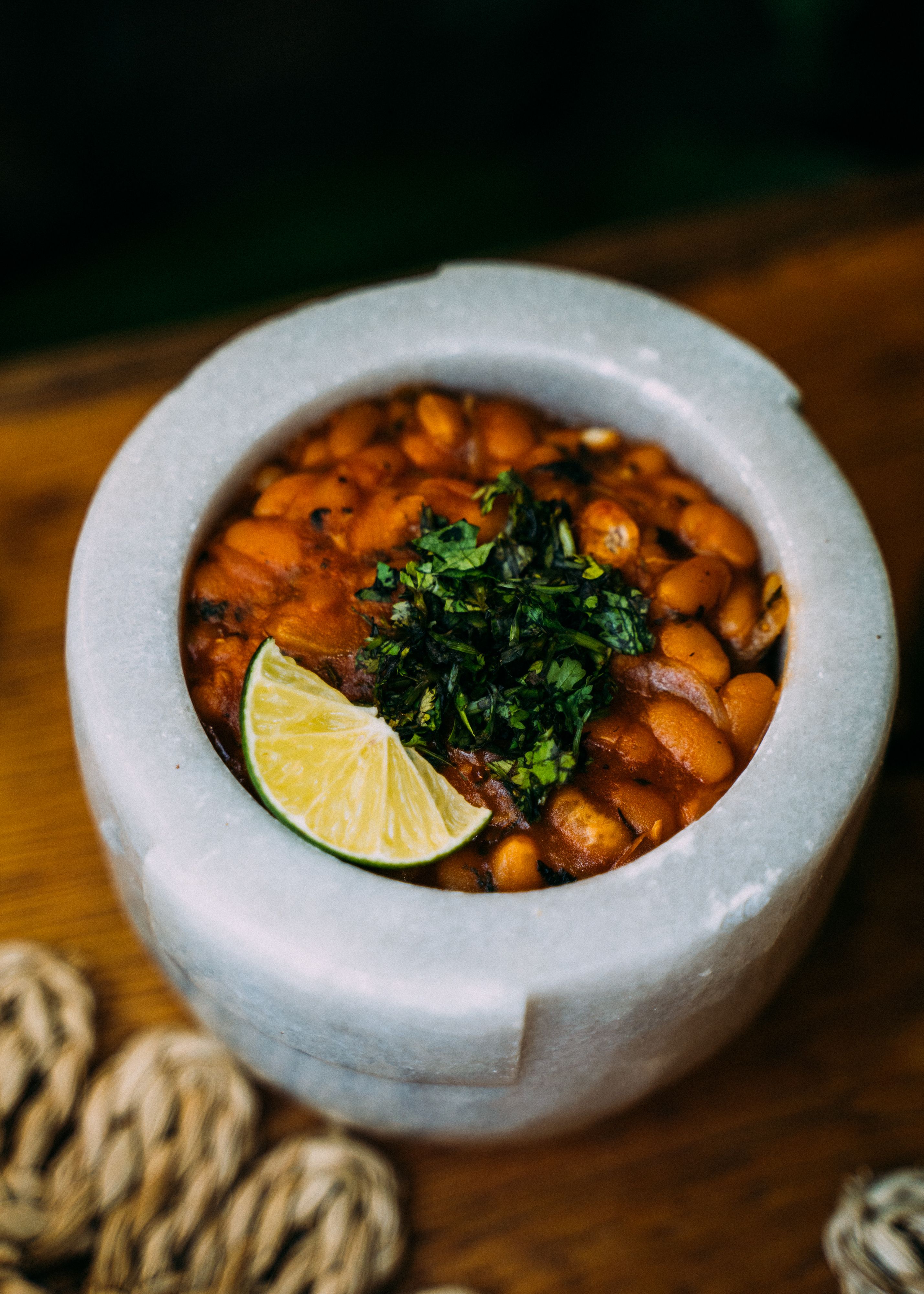
Porotos Granados
The diets react (see scores below)
Common Ingredients
- cranberry beans
- squash
- corn
- onion
- garlic
- basil
- paprika
- tomato
Specific recipes may vary.
Incompatible with 5 of 11 diets
Diet Ratings
Porotos Granados is fundamentally incompatible with a ketogenic diet. The dish is built on three high-carbohydrate staples: cranberry beans (~25g net carbs per 100g cooked), corn (~17g net carbs per 100g), and squash (varies, but butternut-style squash adds ~8-10g net carbs per 100g). A single standard serving would easily deliver 60-90g of net carbs, which is three to four times the entire daily keto allowance. There is no practical way to reduce portions enough to make this dish keto-friendly while retaining its character. Beans and corn are explicitly excluded foods in all mainstream ketogenic protocols due to their starch and sugar content.
Porotos Granados is a traditional Chilean bean stew composed entirely of whole plant foods. Every ingredient — cranberry beans, squash, corn, onion, garlic, basil, paprika, and tomato — is unambiguously plant-derived. The dish is naturally vegan with no animal products or animal-derived ingredients present. It is also a whole-food preparation, high in plant protein, fiber, and complex carbohydrates, making it exemplary from both a vegan and whole-food plant-based perspective. The only reason it doesn't score a perfect 10 is that some traditional Chilean recipes may occasionally add lard or pork for flavor — evaluators should confirm the preparation is oil-based rather than lard-based, but the base dish as listed is fully vegan.
Porotos Granados is a traditional Chilean bean stew built on two major paleo-excluded food groups. Cranberry beans are legumes — explicitly excluded from the paleo diet due to their lectin, phytate, and antinutrient content. Corn is a grain, equally excluded for the same reasons. These two ingredients are the structural foundation of the dish, not minor additions, making substitution impossible without fundamentally changing the recipe. The remaining ingredients — squash, onion, garlic, basil, paprika, and tomato — are all paleo-approved vegetables and herbs, but they cannot redeem a dish whose primary protein and primary starch are both non-paleo. There is no meaningful paleo-compatible version of Porotos Granados.
Porotos Granados is an exemplary plant-forward dish that aligns almost perfectly with Mediterranean diet principles. Cranberry beans provide protein and fiber as a core legume, squash and tomato supply vegetables and antioxidants, corn adds whole-food carbohydrates, and aromatics like onion, garlic, and basil mirror the herb-and-allium flavor base central to Mediterranean cooking. There is no red meat, no processed ingredients, no refined grains, and no added sugars. While this is a Chilean dish rather than a Mediterranean one, its ingredient composition is essentially identical to dishes like fagioli e verdure found across Italy and Greece. Prepared with olive oil — the natural choice — it becomes a near-perfect Mediterranean meal.
Porotos Granados is a traditional Chilean legume stew composed entirely of plant-based ingredients. Every single component — cranberry beans, squash, corn, onion, garlic, basil, paprika, and tomato — is explicitly excluded on the carnivore diet. Beans (legumes) are among the most anti-carnivore foods due to their lectins, phytates, and carbohydrate content. There is no animal product whatsoever in this dish. This is a complete and unambiguous violation of carnivore diet principles across all tiers, including the most lenient 'animal-based' variants.
Porotos Granados contains two excluded ingredients: cranberry beans (legumes, which are explicitly prohibited on Whole30) and corn (a grain, also explicitly excluded). These are not edge cases or ambiguous ingredients — both are clearly named in the Whole30 exclusion list. The remaining ingredients (squash, onion, garlic, basil, paprika, tomato) are all compliant, but the dish cannot be made without its defining components, which are both non-compliant. There is no compliant substitution that would preserve the identity of this dish.
Porotos Granados is fundamentally incompatible with the low-FODMAP elimination phase. The dish contains multiple high-FODMAP ingredients that cannot be mitigated by portion control at standard serving sizes. Cranberry beans (borlotti beans) are high in GOS (galacto-oligosaccharides) and are the primary protein source — a standard serving of this legume-based stew would deliver a significant GOS load. Onion and garlic are among the highest-fructan foods tested by Monash University and are integral to the flavor base of this dish, not incidental garnishes. Corn contributes moderate FODMAPs (sorbitol/fructans) at larger servings typical in a main dish. The combination of beans + onion + garlic alone makes this dish clearly high-FODMAP at any realistic portion. Squash (depending on variety, e.g., butternut) and tomato are generally low-FODMAP in standard servings, and basil and paprika are fine, but the problematic core ingredients dominate the FODMAP load entirely.
Porotos Granados is an excellent DASH-compatible dish. Every ingredient aligns closely with DASH diet priorities: cranberry beans provide plant-based protein, fiber, potassium, and magnesium; squash and tomato contribute potassium, magnesium, and vitamins; corn adds whole-food carbohydrates and fiber; onion, garlic, and basil are low-sodium aromatics with beneficial phytonutrients; paprika adds flavor without sodium. The dish contains no added salt in its traditional preparation (though home cooks should be mindful of sodium if using canned beans — rinsing canned cranberry beans can reduce sodium by up to 40%). There is no saturated fat, no processed ingredients, no added sugar, and no red meat. The combination of legumes, vegetables, and herbs makes this a near-ideal DASH meal, rich in potassium, fiber, magnesium, and plant protein while naturally low in sodium and saturated fat.
Porotos Granados is a traditional Chilean bean stew that presents a challenging Zone Diet profile due to its macronutrient imbalance. The dish is dominated by carbohydrates from three high-carb sources: cranberry beans, squash, and corn. Beans do provide protein, but the protein-to-carb ratio is unfavorable for Zone purposes — beans are classified as a carbohydrate block in Zone terminology, not a protein block, due to their high net carb content relative to protein. Corn is an 'unfavorable' Zone carbohydrate with a higher glycemic index, and in Sears' framework is grouped with starchy vegetables to limit or avoid. The squash variety matters — winter squash like butternut is moderate-GI and usable in small portions, while the overall carb load of this dish is very high. The dish is naturally very low in fat, which makes hitting the 30% fat target impossible without significant additions (e.g., olive oil or avocado on the side). The aromatic base (onion, garlic, basil, paprika, tomato) is excellent from a Zone and anti-inflammatory perspective — polyphenol-rich and low-GI. To approach Zone balance, one would need to dramatically reduce portion size, eliminate or minimize corn, add a lean protein source (like chicken or fish on the side), and add monounsaturated fat. As served traditionally, this dish is carbohydrate-heavy with insufficient protein and fat to achieve the 40/30/30 ratio.
Some Zone practitioners and Sears' later writings emphasize that beans are among the most favorable Zone carbohydrates due to their high fiber content, low glycemic load per serving, and the fact that they contribute meaningful protein alongside carbs. A moderate portion of Porotos Granados could be viewed as a reasonable Zone meal if the corn is treated as the primary carb block and beans fill both a partial protein and carb role, supplemented with a small protein addition and olive oil drizzle. In this more flexible interpretation, the dish might score closer to a 5-6.
Porotos Granados is a traditional Chilean bean stew that aligns exceptionally well with anti-inflammatory dietary principles. Cranberry beans (a legume) provide plant-based protein, fiber, and polyphenols that are consistently emphasized in anti-inflammatory frameworks including Dr. Weil's pyramid. Squash is rich in carotenoids (beta-carotene) and antioxidants. Corn adds fiber and some antioxidants, though it is the least potent contributor. Onion and garlic are well-documented anti-inflammatory foods — garlic contains allicin and organosulfur compounds shown to reduce CRP and IL-6; onions are high in quercetin. Basil contributes polyphenols and volatile oils with anti-inflammatory effects. Paprika (sweet or smoked) provides capsaicin-related compounds and carotenoids. Tomato delivers lycopene, a potent anti-inflammatory carotenoid whose bioavailability is enhanced by cooking. The dish is entirely plant-based, high in fiber, contains no pro-inflammatory ingredients (no refined sugars, seed oils, processed additives, or animal fats), and features multiple anti-inflammatory herbs and spices. This combination closely mirrors the Mediterranean and plant-forward eating patterns most strongly associated with reduced systemic inflammation.
Porotos Granados is a traditional Chilean bean stew that aligns well with GLP-1 dietary priorities. Cranberry beans are the star ingredient, providing a solid plant-based protein source (roughly 15g protein per cup cooked) alongside substantial dietary fiber (approximately 15g per cup), directly addressing the top two GLP-1 nutritional priorities in a single dish. Squash and tomato add micronutrients, hydration, and additional fiber while keeping calorie density low. Corn contributes some starch and natural sweetness but is a whole food with moderate fiber. The dish is naturally low in fat, contains no fried components, and uses anti-inflammatory aromatics (onion, garlic, basil, paprika) that are well-tolerated by most GLP-1 patients. The stew format means it is easy to digest, hydrating, and portion-friendly — small servings are satisfying due to fiber and protein content. The main limitation is that beans alone may not meet the full 15-30g protein-per-meal target for GLP-1 patients, especially given reduced portion sizes. Pairing with a small serving of lean protein (e.g., grilled chicken or a poached egg on top) would optimize the meal. The dish is otherwise nutrient-dense per calorie and free of the key avoid categories.
Some GLP-1-focused dietitians flag legume-heavy meals for patients in early weeks of treatment, as beans can increase intestinal gas and bloating, which may compound GLP-1-related GI side effects; tolerance is highly individual and often improves as patients stabilize on their dose. A minority of clinicians also note that the corn and squash combination raises the glycemic load of the dish compared to a pure legume-and-vegetable stew, though the high fiber content substantially blunts this effect.
*See how scores were generated at our methodology page.
Nutritional profile
Six traits that cut across every diet.
Fiber & Plants
How much whole-plant food and fiber it delivers.
Healthy Fats
The quality of its fats (unsaturated, omega-3).
Whole / Unprocessed
How close it is to its natural, unprocessed form.
Gut Gentle
How easy it is on digestion (low FODMAP, few irritants).
Low Glycemic
How little it spikes your blood sugar.
Protein Density
How much protein it packs per calorie.
Controversy Index
Higher controversy = more disagreement between diets.
Diet-Specific Tips
 Vegan — 9/10
View tips
- All ingredients are whole plant foods with no animal products
- Cranberry beans provide substantial plant protein
- Squash and corn add complex carbohydrates and micronutrients
- Aromatic vegetables and herbs (onion, garlic, basil, paprika, tomato) are unambiguously plant-based
- No processed or refined ingredients present
- Traditional preparation occasionally uses lard — verify cooking fat used
 Mediterranean — 9/10
View tips
- Legumes (cranberry beans) are a Mediterranean diet staple encouraged daily
- All-plant ingredient list with no meat, dairy, or processed components
- Squash, tomato, corn, and onion provide diverse vegetable nutrition
- Garlic, basil, and paprika reflect Mediterranean aromatic traditions
- No refined grains, added sugars, or unhealthy fats present
- Easily prepared with extra virgin olive oil as the cooking fat
 DASH — 9/10
View tips
- Cranberry beans are an excellent DASH legume: high in fiber, potassium, magnesium, and plant protein
- Squash, corn, tomato, and onion are all DASH-approved vegetables/whole foods
- No saturated fat, no added sugar, no processed or high-sodium ingredients
- Naturally low sodium when prepared from scratch with fresh or dried beans
- Rich in the four DASH minerals: potassium, calcium, magnesium, and supports fiber goals
- Canned bean users should rinse beans to reduce sodium content significantly
 Zone — 4/10
View tips
- Beans (cranberry beans) are a carbohydrate block in Zone, not a protein block — insufficient lean protein for a complete Zone meal
- Corn is an 'unfavorable' high-glycemic Zone carbohydrate (Sears categorizes corn similarly to grains)
- Triple carbohydrate load (beans + corn + squash) makes 40/30/30 ratio very difficult to achieve
- Dish is naturally very low in fat — 30% fat target requires significant additions like olive oil or avocado
- Aromatic base (tomato, garlic, onion, basil, paprika) is excellent — anti-inflammatory, polyphenol-rich, low-GI
- Beans' high fiber content lowers net carbs and glycemic load, partially redeeming the carb profile
- As a main dish, would require pairing with lean protein and monounsaturated fat to approach Zone balance
 Anti-Inflammatory — 9/10
View tips
- Cranberry beans: high-fiber legume rich in polyphenols, emphasized in anti-inflammatory diets
- Squash: rich in beta-carotene and antioxidant carotenoids
- Garlic: allicin and organosulfur compounds reduce CRP and IL-6
- Onion: high quercetin content with anti-inflammatory activity
- Tomato: cooked lycopene is highly bioavailable and anti-inflammatory
- Basil: polyphenols including rosmarinic acid with anti-inflammatory properties
- Paprika: carotenoids and mild capsaicin-related compounds
- Entirely plant-based with no pro-inflammatory ingredients
- High dietary fiber supports gut microbiome and reduces systemic inflammation
 GLP-1 Friendly — 8/10
View tips
- High fiber from cranberry beans (~15g per cup) directly addresses GLP-1 constipation risk
- Solid plant-based protein from beans, though may fall short of 15-30g per meal target without a protein complement
- Naturally low fat — no frying, no high-fat ingredients
- Stew format is easy to digest and hydrating, well-suited to slowed gastric emptying
- Whole-food ingredients with high nutrient density per calorie
- Corn adds some starch — moderate glycemic contribution, mitigated by fiber
- Beans may cause gas/bloating in early GLP-1 treatment — portion sensitivity applies
- Paprika and basil are mild and well-tolerated; no high-risk spices present