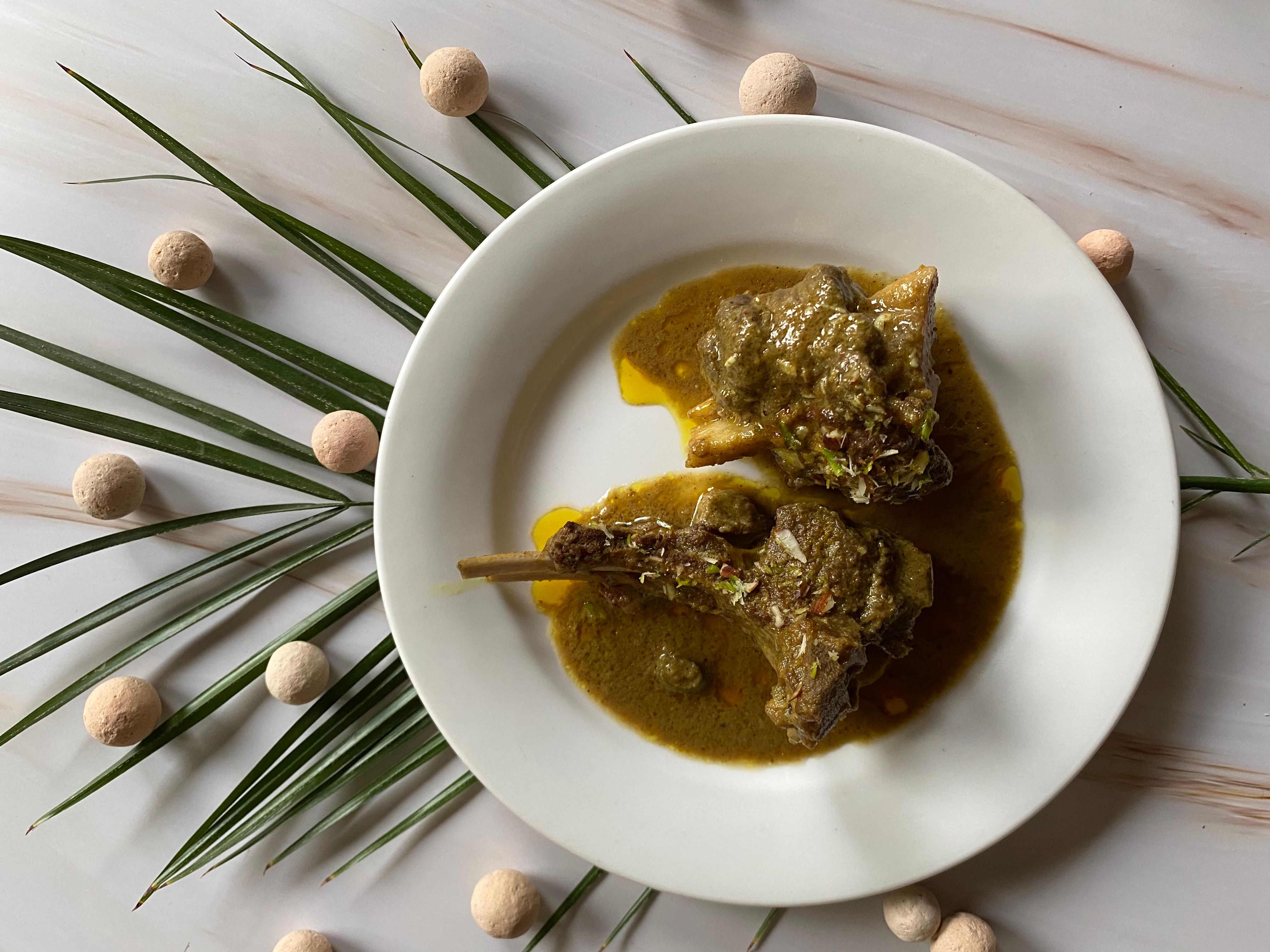
Photo: Pixie Pannier / Pexels
The diets react (see scores below)
Common Ingredients
- cassava leaves
- palm oil
- onions
- garlic
- smoked fish
- leeks
- chili
- salt
Specific recipes may vary.
Incompatible with 4 of 11 diets
Diet Ratings
Pondu is made primarily from cassava leaves (not cassava root/tubers), which have a very different nutritional profile. Cassava leaves are relatively low in net carbs (roughly 3-5g net carbs per 100g cooked) and are rich in fiber and protein. The dish is cooked in palm oil, a highly keto-friendly saturated fat that boosts the fat content significantly. Smoked fish adds quality protein. Onions, garlic, leeks, and chili contribute some carbs but in typical cooking quantities remain manageable. The main concern is that cassava leaves, while not the starchy root, still contribute moderate carbs in larger portions, and leeks are on the higher end for alliums. In a reasonable serving size (~150-200g), this dish can fit within keto macros, but portion control is essential. The dish is predominantly fat and fiber, which is favorable.
Some stricter keto practitioners flag any cassava-derived ingredient as a red flag due to association with the high-carb root, and may exclude this dish entirely out of caution. Conversely, more relaxed 'lazy keto' adherents may freely approve it given the low net carbs of the leaves specifically and the high palm oil content.
Pondu contains smoked fish, which is an animal product and a clear disqualifier under vegan dietary rules. The base of the dish — cassava leaves, palm oil, onions, garlic, leeks, chili, and salt — is entirely plant-based, so a vegan version could easily be made by omitting the smoked fish. However, as described with smoked fish as a listed ingredient, this dish is not vegan-compliant.
Pondu contains two significant paleo violations: added salt and palm oil. While palm oil is not a seed oil, it is a highly processed industrial oil that does not align with paleo-approved fats (animal fats, olive oil, coconut oil, avocado oil). The smoked fish also raises concerns, as smoking and preservation processes often involve additives; however, traditionally smoked fish with no additives can be acceptable. The remaining ingredients — cassava leaves, onions, garlic, leeks, and chili — are paleo-compatible vegetables and aromatics. However, the explicit inclusion of salt (a paleo exclusion) and palm oil as the primary cooking fat bring this dish into avoid territory. Cassava leaves themselves are paleo-acceptable as a leafy green.
Pondu is a nutrient-dense, plant-forward dish built on cassava leaves, aromatics (onions, garlic, leeks, chili), and smoked fish — components that align well with Mediterranean principles. The leafy greens, leguminous-style protein from the leaves, and fish are all strongly encouraged. However, the primary fat is palm oil rather than extra virgin olive oil, which is a meaningful departure from Mediterranean diet fundamentals. Palm oil is high in saturated fat (unlike EVOO's monounsaturated profile) and is not part of the Mediterranean tradition. Smoked fish is a mild concern due to higher sodium and processing, but fish itself is a Mediterranean staple. Overall, the dish is largely compatible in its whole-food, plant-and-fish structure, but the palm oil substitution prevents a full approval.
Some modern Mediterranean diet interpreters focus on the overall dietary pattern — abundant vegetables, leafy greens, and fish — and would approve this dish on those grounds, arguing that a small amount of palm oil in an otherwise exemplary dish is a minor issue. Traditional West African culinary practice parallels the Mediterranean emphasis on whole foods and vegetables, and some nutritionists draw equivalences between the two dietary patterns at a structural level.
Pondu is a traditional Congolese dish made almost entirely from plant-based ingredients: cassava leaves (a leafy vegetable), onions, garlic, leeks, and chili are all excluded plant foods on the carnivore diet. Palm oil, while sometimes debated, is a plant-derived oil and not permitted. The only animal-derived ingredient is smoked fish, which appears as a minor flavoring component rather than the primary food. This dish is fundamentally incompatible with carnivore principles, as its base is plant matter with a trace of animal product.
Pondu's core ingredients—cassava leaves, palm oil, onions, garlic, leeks, chili, and salt—are all Whole30-compliant vegetables, fats, and seasonings. The main concern is the smoked fish: while fish itself is explicitly allowed, smoked fish commonly contains added sugar, sulfites, or other non-compliant preservatives depending on the preparation. With the 2024 rule changes, sulfites and MSG are no longer eliminated, which removes some historical concerns. However, added sugar in the smoking or curing process would still be a disqualifying factor. If the smoked fish is prepared with only compliant ingredients (salt, smoke, compliant spices), the dish is fully Whole30-approved. The dish as a whole is a straightforward preparation of whole foods and does not fall into the 'junk food recreation' category.
The dish itself is conceptually compliant, but official Whole30 guidance advises careful label-reading on any processed or cured fish products for hidden sugars or non-compliant additives. Community practitioners note that traditionally smoked fish in African cuisines is often prepared with only salt and smoke, making it likely compliant, but verification is recommended.
Pondu contains multiple high-FODMAP ingredients that make it unsuitable during the elimination phase. Garlic is one of the highest-FODMAP foods (fructans) and is a core ingredient — even small amounts can trigger symptoms. Onions are similarly high in fructans and are clearly problematic. Leeks are moderate-to-high in fructans depending on the portion and part used (the green tops are lower-FODMAP, but the white/light green parts are high-FODMAP). Cassava leaves have not been formally tested by Monash University, adding uncertainty, though cassava root itself is low-FODMAP. Smoked fish, palm oil, chili, and salt are low-FODMAP. However, the combination of garlic, onions, and leeks as core aromatics makes this dish a clear avoid during the FODMAP elimination phase, as there is no reasonable way to consume a standard serving without significant fructan exposure.
Monash University has not tested cassava leaves specifically, so their FODMAP status is uncertain — some practitioners may consider them low-FODMAP by analogy to cassava root, but this is unconfirmed. The garlic and onion content, however, is unambiguous; some FODMAP-sensitive individuals and practitioners note that long cooking times may slightly reduce fructan load, but not enough to make a standard serving of this dish safe during elimination.
Pondu has a mixed DASH profile. On the positive side, cassava leaves are nutrient-dense leafy greens rich in potassium, magnesium, fiber, and plant-based protein — highly aligned with DASH vegetable emphasis. Onions, garlic, leeks, and chili are all DASH-friendly aromatics that support cardiovascular health. However, the dish has two significant DASH concerns: (1) Palm oil is a tropical oil high in saturated fat (~50%), which DASH explicitly limits alongside coconut and palm kernel oil — the NIH DASH plan calls for vegetable oils low in saturated fat. (2) Smoked fish, while lean protein in principle, is typically very high in sodium, and additional salt is added during preparation, making the combined sodium load potentially problematic for both standard and low-sodium DASH targets. The dish could be made more DASH-compatible by substituting palm oil with canola or olive oil, using low-sodium or fresh fish instead of smoked, and minimizing added salt.
NIH DASH guidelines explicitly limit tropical oils including palm oil due to saturated fat content, and recommend minimizing high-sodium foods like smoked fish. However, some nutrition researchers note that red palm oil (unrefined) contains beneficial tocotrienols and beta-carotene, and some updated DASH-oriented clinicians may allow small amounts in the context of an otherwise nutrient-rich dish — though the AHA and mainstream DASH protocols do not endorse this substitution.
Pondu (cassava leaves stew) has a mixed Zone profile. On the positive side, cassava leaves are nutrient-dense leafy greens rich in polyphenols and fiber — exactly the type of colorful vegetable Sears emphasizes. Garlic, onions, leeks, and chili are all Zone-favorable low-glycemic vegetables. Smoked fish adds lean omega-3-rich protein, which is ideal in Zone methodology. The primary concern is palm oil, which is high in saturated fat (palmitic acid) — the early Zone Diet strictly limited saturated fats, favoring monounsaturated sources like olive oil instead. Palm oil is also high in omega-6 fatty acids relative to omega-3s, running counter to Sears' anti-inflammatory focus. The amount of palm oil used in traditional Pondu preparation can be substantial, making it difficult to keep saturated fat within Zone-friendly limits. However, Pondu is served as a side dish, meaning portion size and the accompanying protein source (typically eaten with fufu, which is high-glycemic) matter enormously. Eaten alone or with a Zone-compliant starch alternative, the dish's vegetable content and smoked fish protein are genuine assets.
Some Zone practitioners following Sears' later work (e.g., 'The Mediterranean Zone') may be more permissive about palm oil in the context of a polyphenol-rich, vegetable-heavy dish. The cassava leaves themselves are exceptionally nutrient-dense, and the smoked fish provides favorable omega-3 protein. If palm oil is reduced in quantity and the dish is paired with a lean protein rather than fufu, stricter Zone coaches might rate this higher. Conversely, traditional preparation quantities of palm oil could push this toward 'avoid' territory for saturated fat purists following the original Zone framework.
Pondu is a nutritionally rich Congolese dish with a mixed anti-inflammatory profile. On the positive side, cassava leaves are highly nutritious, providing protein, vitamins (C, B, K), minerals, and antioxidants — they are a beneficial leafy green once properly cooked. Garlic and chili are well-established anti-inflammatory spices. Smoked fish contributes omega-3 fatty acids, particularly beneficial if fatty fish species are used, and adds meaningful protein. Onions and leeks contain quercetin and prebiotic fiber, both anti-inflammatory. The significant limiting factor is palm oil, which is high in saturated fat (palmitic acid) and omega-6 fatty acids. While palm oil contains tocotrienols and beta-carotene (especially red palm oil), and has some defenders in the nutrition community, mainstream anti-inflammatory frameworks — including Dr. Weil's pyramid — categorize it as a fat to limit due to its saturated fat content and lack of the polyphenol advantage that extra virgin olive oil provides. Palm kernel oil in particular is flagged as one to avoid. Red palm oil (unrefined) is less problematic than refined palm oil, but the amount used in traditional Pondu preparations can be substantial. The overall dish lands in 'caution' territory: the vegetable and fish components are genuinely anti-inflammatory, but the palm oil base pulls the score down meaningfully.
Some nutritionists and traditional food advocates argue that unrefined red palm oil — the form typically used in Central African cooking — retains significant tocotrienol (vitamin E) and beta-carotene content with meaningful antioxidant properties, distinguishing it from refined or fractionated palm oil. Bruce Fife and proponents of traditional fats argue saturated fat from whole food sources is not inherently pro-inflammatory. However, the dominant anti-inflammatory diet frameworks (Weil, IF Rating system) still recommend limiting palm oil and preferring olive oil or avocado oil.
Pondu (cassava leaf stew) is a nutrient-dense traditional dish with meaningful strengths and some notable concerns for GLP-1 patients. On the positive side, cassava leaves are rich in fiber, micronutrients (iron, folate, vitamin C), and plant-based protein, and the smoked fish adds a modest protein contribution that partially offsets the 'no primary protein' classification. Onions, garlic, and leeks add prebiotic fiber and digestive support. However, palm oil is the primary concern: it is high in saturated fat and calorie-dense, and even moderate amounts can worsen GLP-1 side effects including nausea, bloating, and reflux due to the slowed gastric emptying these medications cause. The chili content is a secondary concern — it may irritate the GI tract in patients already experiencing nausea or reflux. As a side dish eaten in small portions, the fat load may be manageable, but the palm oil quantity in traditional preparation is often substantial. The smoked fish also introduces high sodium, which warrants attention for some patients. Overall, this dish has genuine nutritional merit but is held back by its fat profile and potential GI irritants.
Some GLP-1-informed dietitians would rate this more favorably, arguing that palm oil in a vegetable-forward stew represents a relatively small absolute fat load per realistic serving, and that the fiber and micronutrient density of cassava leaves is clinically valuable for patients eating low volumes of food. Others would rate it lower, emphasizing that saturated fat from palm oil is specifically flagged in obesity medicine guidelines as a category to minimize, and that spicy, oil-rich preparations are among the most commonly reported GI triggers in GLP-1 patient cohorts.
*See how scores were generated at our methodology page.
Nutritional profile
Six traits that cut across every diet.
Fiber & Plants
How much whole-plant food and fiber it delivers.
Healthy Fats
The quality of its fats (unsaturated, omega-3).
Whole / Unprocessed
How close it is to its natural, unprocessed form.
Gut Gentle
How easy it is on digestion (low FODMAP, few irritants).
Low Glycemic
How little it spikes your blood sugar.
Protein Density
How much protein it packs per calorie.
Controversy Index
Higher controversy = more disagreement between diets.
Diet-Specific Tips
 Keto — 5/10
View tips
- Cassava LEAVES (not root) — significantly lower net carbs than cassava tuber
- Palm oil is an excellent keto fat source, high in saturated fats
- Smoked fish adds moderate protein without carbs
- Leeks and onions contribute some net carbs — portion control needed
- High fiber content from cassava leaves reduces net carb impact
- Overall dish can fit keto in standard serving sizes but not unlimited consumption
 Mediterranean — 5/10
View tips
- Cassava leaves are a highly nutritious leafy green, aligned with Mediterranean vegetable emphasis
- Smoked fish contributes Mediterranean-compatible protein and omega-3s
- Palm oil replaces extra virgin olive oil as the primary fat — high in saturated fat, not traditional or recommended in Mediterranean diet
- Aromatics (garlic, onion, leeks, chili) are strongly Mediterranean-compatible
- Minimal processing and no added sugars or refined grains
- Smoked fish adds sodium, a moderate concern
 Whole30 — 6/10
View tips
- Cassava leaves are a whole, compliant vegetable
- Palm oil is a natural, compliant fat
- Smoked fish requires label/preparation verification for added sugar
- Leeks, onions, garlic, chili are all compliant
- Salt is explicitly allowed
- No grains, legumes, dairy, or other excluded categories present
- 2024 rule changes removed sulfite concerns for smoked fish
 DASH — 5/10
View tips
- Cassava leaves are nutrient-dense leafy greens rich in potassium, magnesium, and fiber — strongly DASH-positive
- Palm oil is a tropical oil high in saturated fat (~50%), explicitly limited by NIH DASH guidelines
- Smoked fish is typically very high in sodium, conflicting with DASH sodium targets (<2,300mg/day)
- Added salt further increases sodium load
- Onions, garlic, leeks, and chili are all DASH-compatible flavor enhancers
- Dish could be significantly improved by substituting palm oil with olive or canola oil and using fresh low-sodium fish
 Zone — 5/10
View tips
- Cassava leaves are polyphenol-rich, high-fiber leafy greens — strongly Zone-favorable as low-glycemic carbohydrate
- Palm oil is high in saturated fat and omega-6s, conflicting with Zone's preference for monounsaturated fats and anti-inflammatory focus
- Smoked fish provides lean, omega-3-rich protein — a Zone-ideal protein source
- Onions, leeks, garlic, and chili are all Zone-favorable low-glycemic vegetables adding polyphenols
- Traditional preparation often uses generous amounts of palm oil, making macro balance difficult
- As a side dish, Zone compatibility depends heavily on portion size and what it is paired with — fufu pairing would be problematic
 Anti-Inflammatory — 5/10
View tips
- Cassava leaves: nutrient-dense leafy green with antioxidants, vitamins C and K — anti-inflammatory
- Palm oil: high in saturated fat (palmitic acid) and omega-6 — flagged as a fat to limit in most anti-inflammatory frameworks
- Smoked fish: provides omega-3 fatty acids — anti-inflammatory benefit, though smoking process adds some concern about advanced glycation end-products
- Garlic and chili: well-established anti-inflammatory spices with strong research support
- Onions and leeks: contain quercetin and prebiotic fiber — beneficial
- No refined carbohydrates, added sugars, or artificial additives — positive
- Dish is whole-food based with no processed ingredients beyond the smoking of fish
 GLP-1 Friendly — 5/10
View tips
- Palm oil is high in saturated fat and may worsen GLP-1 GI side effects (nausea, bloating, reflux)
- Cassava leaves provide meaningful fiber, micronutrients, and modest plant protein
- Smoked fish adds protein but also significant sodium
- Chili may aggravate reflux or nausea in sensitive GLP-1 patients
- As a side dish, portion size is typically small, which partially mitigates the fat concern
- Prebiotic fiber from onions, leeks, and garlic supports gut health and digestion
- Traditional preparation often uses generous palm oil — quantity is preparation-dependent