Photo: Viktor Tasnadi / Pexels
The diets react (see scores below)
Common Ingredients
- flour
- eggs
- yeast
- rum
- raisins
- lemon zest
- sugar
- oil
Specific recipes may vary.
Incompatible with 11 of 11 diets
Diet Ratings
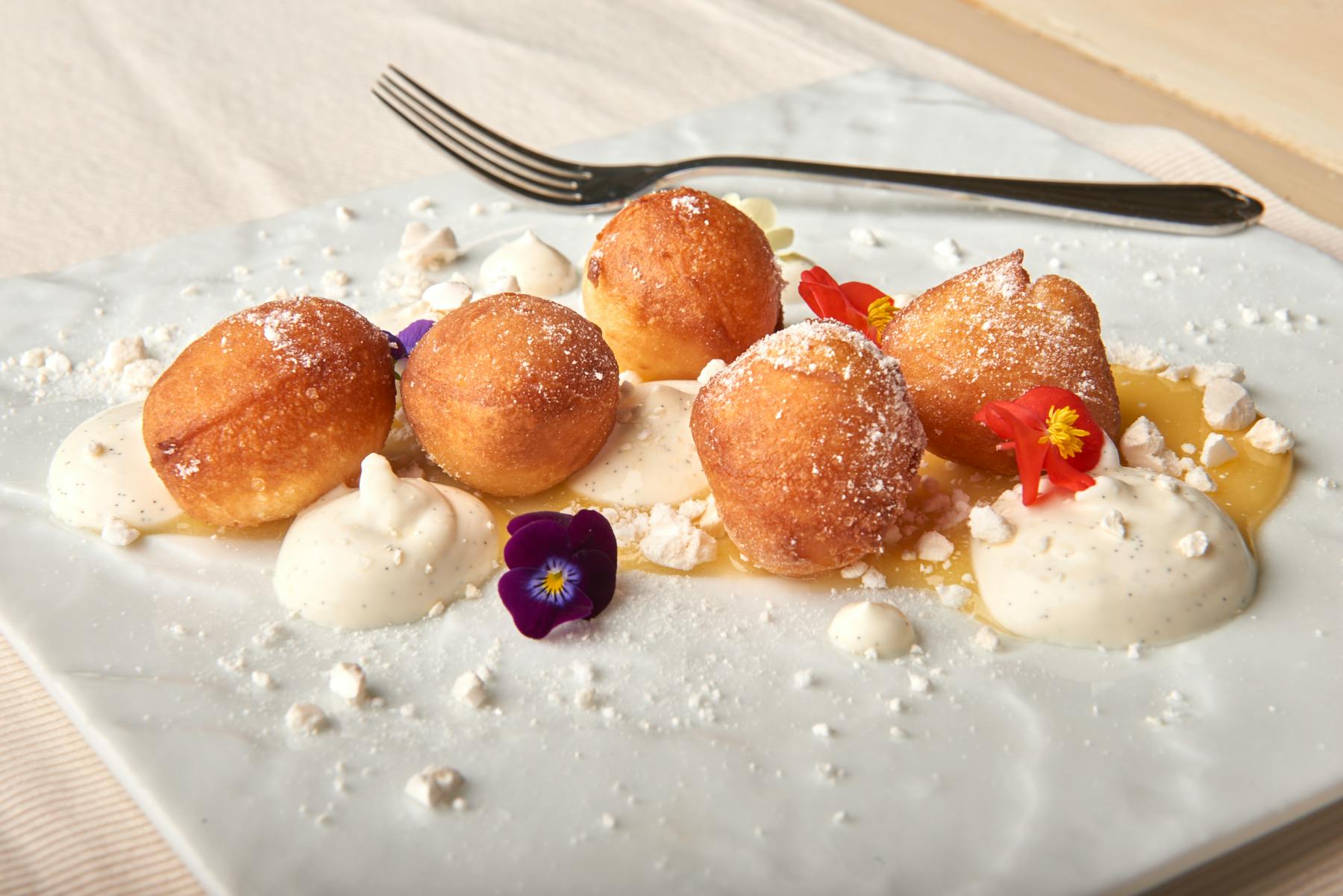
Fritule are Croatian deep-fried doughnuts that are fundamentally incompatible with a ketogenic diet. The base ingredients — wheat flour and sugar — are high-carb staples that will immediately spike blood glucose and break ketosis. Raisins add concentrated fruit sugars, and yeast-leavened dough is a classic high-glycemic food. A single serving of fritule (3-5 pieces) could easily contain 30-50g of net carbs, exceeding or maxing out the entire daily keto carb allowance. There is no meaningful way to consume this dish within ketogenic parameters without a complete reformulation using almond or coconut flour, a sugar substitute, and eliminating raisins.
Fritule are traditional Croatian small doughnuts that contain eggs as a listed ingredient. Eggs are an animal product and are explicitly excluded under vegan dietary rules. The remaining ingredients — flour, yeast, rum, raisins, lemon zest, sugar, and oil — are all plant-based, but the presence of eggs makes this dish non-vegan. A vegan version could theoretically be made by substituting eggs with a plant-based binder (e.g., flax egg, aquafaba), but the traditional and default recipe is not vegan-compliant.
Fritule are Croatian doughnuts that are fundamentally incompatible with the paleo diet. The base ingredient is wheat flour, a grain explicitly excluded from paleo. Beyond that, the dish contains refined sugar, yeast (used in a processed baking context), and unspecified oil which is likely a seed or vegetable oil — all non-paleo. Raisins and lemon zest are technically paleo-friendly, and eggs are approved, but these minor inclusions do nothing to redeem a recipe built almost entirely on excluded ingredients. This is a heavily processed, grain-based fried confection with no meaningful paleo adaptation possible without completely reconstructing the dish.
Fritule are Croatian deep-fried dough fritters — essentially small donuts. The ingredient profile is dominated by refined white flour, added sugar, and frying oil (likely not extra virgin olive oil), making this a highly processed sweet pastry. These are refined grain products high in added sugar and likely saturated or refined fats, all of which directly contradict Mediterranean diet principles. While eggs and lemon zest are benign, and raisins offer minor fruit-derived nutrients, the overall dish is a festival treat or indulgent snack with no meaningful nutritional alignment with Mediterranean diet staples.
Fritule are Croatian deep-fried doughnuts that are fundamentally incompatible with the carnivore diet. The dish is composed almost entirely of plant-derived and processed ingredients: flour (grain), yeast, raisins (fruit), lemon zest (fruit), sugar, and plant oil. While eggs are included and are carnivore-approved, they are a minor component in a dish that is overwhelmingly plant-based. Rum adds alcohol from fermented plant material. There are no animal proteins or animal fats serving as the base. This is a classic pastry snack with zero carnivore merit beyond the trace egg content.
Fritule are Croatian fried dough fritters — a classic example of excluded foods on multiple grounds. They contain flour (a grain, excluded), sugar (added sugar, excluded), and rum (alcohol, excluded). Even setting those aside, fritule are fried dough pastries that fall squarely into the 'no recreating baked goods/junk food' rule, similar to doughnuts or fritters. There is no compliant version of this dish possible given its fundamental ingredients and nature.
Fritule are Croatian doughnuts containing multiple high-FODMAP ingredients. Regular wheat flour is the primary base and is high in fructans, making it a clear avoid during the elimination phase. Raisins are high in fructose and polyols (sorbitol) at typical serving sizes and are concentrated sources of excess fructose. Yeast-leavened wheat-based doughs do not undergo the long fermentation process (like traditional sourdough) needed to significantly reduce fructan content. The remaining ingredients — eggs, rum (small amount), lemon zest, sugar, and oil — are individually low-FODMAP, but they cannot offset the impact of wheat flour and raisins. A standard serving of 2-3 fritule would contain a meaningful amount of both fructans from flour and fructose/polyols from raisins, making this dish a clear avoid during the elimination phase.
Fritule are Croatian deep-fried dough fritters — essentially small doughnuts. Despite containing some DASH-friendly ingredients (eggs, raisins, lemon zest), the dish is fundamentally incompatible with DASH principles. It is deep-fried in oil, contributing significant total fat and calories. It is made with refined white flour rather than whole grains. It contains added sugar, which DASH explicitly limits. The frying process significantly increases caloric density and fat content. While individual ingredients like raisins provide some potassium and fiber, the overall preparation method and macronutrient profile place this firmly in the avoid category. DASH guidelines explicitly limit sweets, fried foods, and refined grain products, and Fritule combine all three concerns simultaneously.
Fritule are Croatian deep-fried doughnut fritters made primarily from white flour, sugar, and oil — a trifecta of Zone-unfavorable ingredients. The macronutrient profile is dominated by high-glycemic refined carbohydrates (white flour, sugar, raisins) with essentially no lean protein and fat coming from frying oil rather than monounsaturated sources. This makes achieving any semblance of the 40/30/30 Zone ratio impossible without completely restructuring the dish. The sugar and refined flour spike insulin rapidly, directly opposing Zone's core anti-inflammatory, insulin-stabilizing goal. Raisins are specifically flagged as unfavorable in Zone methodology due to their concentrated sugar content. There is no meaningful protein block present, and the fat profile (frying oil, likely high in omega-6) is anti-inflammatory rather than pro-Zone. Even in very small portions, fritule contribute almost nothing nutritionally useful within a Zone framework — they are a pure high-glycemic carbohydrate treat with no compensating lean protein or monounsaturated fat.
Fritule are Croatian deep-fried dough fritters — essentially small doughnuts. The ingredient profile is dominated by refined white flour, added sugar, and frying oil, all of which are pro-inflammatory by anti-inflammatory diet standards. Refined flour spikes blood glucose and drives advanced glycation end-products (AGEs); added sugar directly promotes inflammatory cytokine production and raises CRP; deep-frying in oil generates oxidized lipids and acrylamide-like compounds that are strongly pro-inflammatory. The rum contributes alcohol beyond what the anti-inflammatory framework permits. Raisins and lemon zest offer trace antioxidants and flavonoids, and yeast provides minimal B vitamins, but these minor positives are entirely overwhelmed by the refined carbohydrate, sugar, and frying load. Eggs contribute some anti-inflammatory nutrients (choline, selenium) but cannot redeem the overall profile. This is a traditional celebratory treat and should be treated as an occasional indulgence — not a food compatible with an anti-inflammatory eating pattern.
Fritule are Croatian deep-fried dough fritters — small, round, and festive, but nutritionally misaligned with GLP-1 dietary priorities on nearly every axis. They are deep-fried (high fat, difficult to digest, known to worsen nausea and reflux in GLP-1 patients), made primarily from refined white flour (low fiber, low nutrient density), and sweetened with sugar and raisins (high glycemic load, empty calories). Rum is an alcohol-containing ingredient — even in small baking quantities the alcohol largely cooks off, but it signals the dish's treat/dessert identity rather than any nutritional value. Eggs contribute a small amount of protein but the ratio of refined carbohydrate and frying oil to protein is extremely poor. With virtually no fiber, no meaningful protein per serving, high fat from frying, and high sugar content, fritule fail on the three top GLP-1 priorities simultaneously. They are also a fried food specifically flagged for avoidance due to worsening GLP-1 GI side effects.
*See how scores were generated at our methodology page.
Nutritional profile
Six traits that cut across every diet.
Fiber & Plants
How much whole-plant food and fiber it delivers.
Healthy Fats
The quality of its fats (unsaturated, omega-3).
Whole / Unprocessed
How close it is to its natural, unprocessed form.
Gut Gentle
How easy it is on digestion (low FODMAP, few irritants).
Low Glycemic
How little it spikes your blood sugar.
Protein Density
How much protein it packs per calorie.
Controversy Index
Higher controversy = more disagreement between diets.