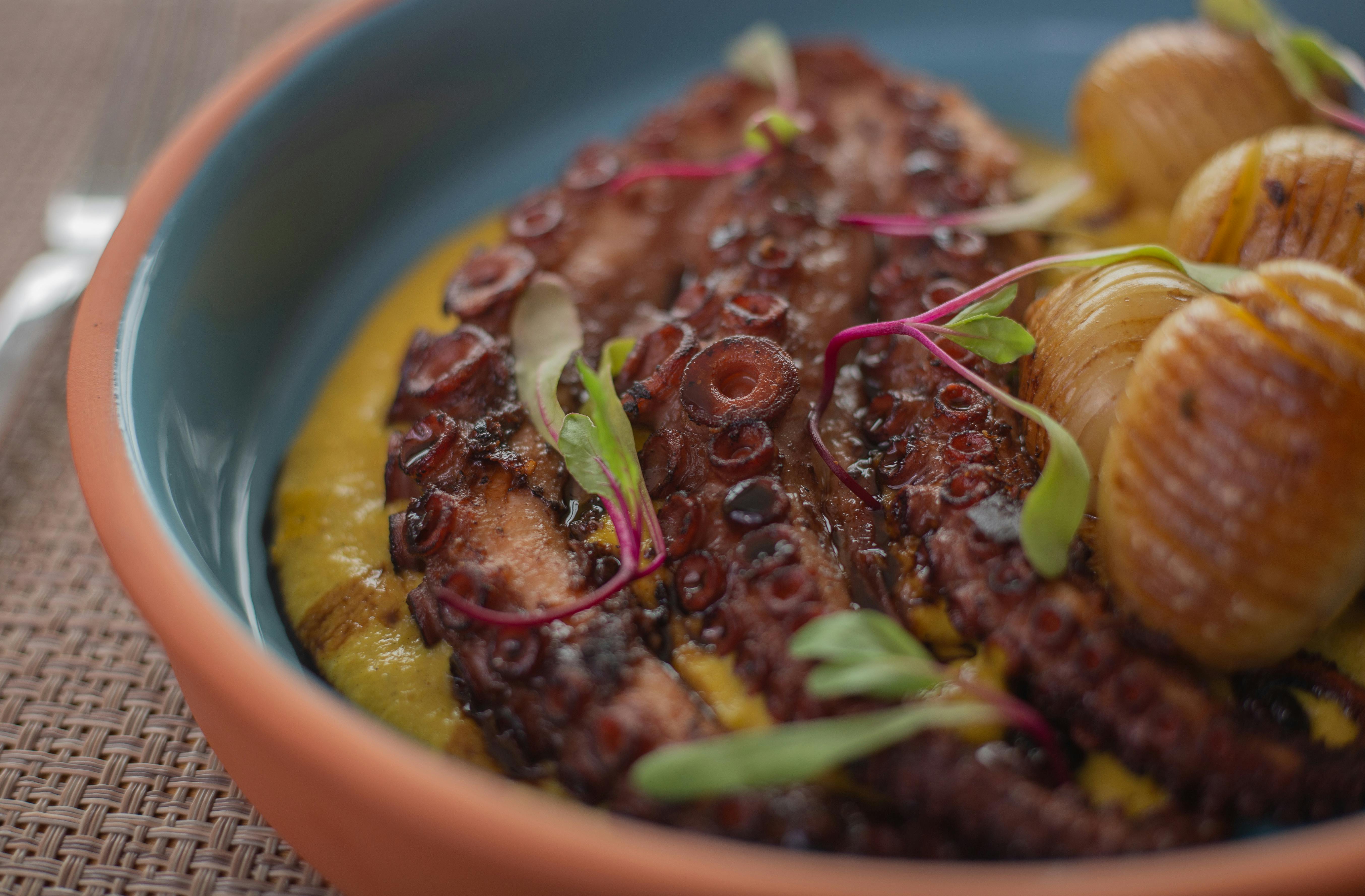
Photo: Fernanda da Silva Lopes / Pexels
The diets react (see scores below)
Common Ingredients
- lamb
- potatoes
- onion
- carrot
- bell pepper
- olive oil
- rosemary
- garlic
Specific recipes may vary.
Incompatible with 5 of 11 diets
Diet Ratings
Peka is a traditional Croatian slow-cooked dish that is fundamentally incompatible with ketogenic eating in its standard form. While lamb is an excellent keto protein and olive oil, rosemary, and garlic are keto-friendly, the dish is built around potatoes as a primary ingredient. A standard serving of Peka would easily deliver 40-60g+ of net carbs from the potatoes alone, which can single-handedly break ketosis for most individuals. Carrots and bell peppers add additional net carbs on top of that. The dish as traditionally prepared cannot fit within the 20-50g daily net carb limit without such radical modifications (eliminating potatoes entirely) that it would no longer be recognizable as Peka.
Peka is a traditional Croatian slow-cooked dish prepared under a bell-shaped lid with lamb as its primary protein. Lamb is unambiguously an animal product — specifically the flesh of a young sheep — making this dish entirely incompatible with a vegan diet. There is no debate within vegan discourse about whether lamb is acceptable; it is a direct animal product requiring slaughter. The vegetables and seasonings present (potatoes, onion, carrot, bell pepper, olive oil, rosemary, garlic) are all plant-based, but the central and defining ingredient is lamb, which immediately disqualifies the dish.
Peka is a traditional Croatian slow-cooked dish featuring lamb, vegetables, olive oil, and herbs — most of which are fully paleo-approved. Lamb, onion, carrot, bell pepper, olive oil, rosemary, and garlic are all unambiguously paleo. The problematic ingredient is white potatoes, which occupy a debated gray area in the paleo community. Loren Cordain's original framework discouraged white potatoes due to their glycemic index and glycoalkaloid content, but many modern paleo practitioners and protocols now accept them. Because white potatoes are a central ingredient in Peka (not a trace addition), their status meaningfully affects the dish's overall verdict, landing it in caution territory rather than a clean approve.
Strict Cordain-school paleo excludes white potatoes due to their high glycemic load and antinutrient (glycoalkaloid) content. However, Mark Sisson (Primal Blueprint) and Whole30 both permit white potatoes, and many modern paleo practitioners consider them acceptable as a whole-food starch — which would push this dish closer to an approve.
Peka is a traditional Croatian slow-cooked dish featuring lamb as the primary protein, which falls into the red meat category that Mediterranean diet guidelines restrict to only a few times per month. While the dish has many redeeming qualities — abundant vegetables (potatoes, onion, carrot, bell pepper), generous use of extra virgin olive oil as the cooking fat, and aromatic herbs and garlic — the lamb centerpiece pushes it into 'avoid' territory for regular consumption. The vegetable and olive oil components are strongly Mediterranean, but the dish is fundamentally a red meat preparation rather than a plant-forward meal.
Some Mediterranean diet authorities, particularly those referencing traditional Adriatic and Eastern Mediterranean culinary practices, note that lamb has been a historically significant protein in coastal and pastoral Mediterranean communities, especially for celebratory or occasional meals. In this context, Peka could be viewed as an acceptable occasional dish (a few times per month) rather than one to avoid outright, especially given its high vegetable-to-meat ratio and olive oil base.
Peka is a traditional Croatian slow-cooked dish that is heavily plant-dominant. While it does contain lamb — an excellent ruminant meat fully approved on carnivore — the dish is overwhelmingly non-carnivore due to its many plant-based ingredients. Potatoes, onion, carrot, and bell pepper are all plant foods explicitly excluded from the carnivore diet. Olive oil is a plant-derived oil, also excluded. Rosemary and garlic are plant-based seasonings. The lamb itself is the only carnivore-compliant component. As a dish, Peka cannot be considered carnivore-compatible in any tier of the diet. A carnivore practitioner would need to strip this down to just the lamb, cooked separately, to make it acceptable.
Peka is a traditional Croatian slow-cooked dish made under a bell-shaped lid (also called 'peka'). All listed ingredients — lamb, potatoes, onion, carrot, bell pepper, olive oil, rosemary, and garlic — are fully compliant with Whole30 guidelines. These are whole, unprocessed foods with no excluded ingredients. Meat, vegetables, natural fats, and herbs/spices are explicitly permitted on the program. There are no grains, legumes, dairy, added sugars, or any other excluded components.
Peka contains two major high-FODMAP ingredients that make it unsuitable during the elimination phase: onion and garlic. Both are among the highest-FODMAP foods tested by Monash University, containing significant levels of fructans at any culinary quantity. Onion is high-FODMAP even in small amounts (Monash flags it as high from as little as 28g), and garlic is extremely high in fructans — even 1/4 clove triggers FODMAP thresholds. Since both are slow-cooked into the dish, their FODMAPs leach into the cooking juices, infusing the entire dish including the potatoes, carrots, and lamb with fructans. The remaining ingredients are largely low-FODMAP: lamb is a safe protein, potatoes are low-FODMAP at standard servings, carrots are low-FODMAP, bell pepper is low-FODMAP in moderate amounts, olive oil is safe, and rosemary is used as an herb in small quantities and is low-FODMAP. However, the onion and garlic contamination of the entire dish is unavoidable given the slow-braising cooking method used in Peka, making the whole dish high-FODMAP regardless of portion size.
Peka is a Croatian slow-cooked dish featuring lamb, root vegetables, and olive oil. The vegetable base (potatoes, onion, carrot, bell pepper, garlic) is strongly DASH-aligned, providing potassium, magnesium, and fiber. Olive oil is the recommended fat in DASH guidelines. However, lamb is classified as red meat, which DASH explicitly limits due to its saturated fat content — lamb in particular tends to be higher in saturated fat than poultry or fish. The dish is not inherently high in sodium (no processed or cured ingredients), which is a positive factor. The verdict depends heavily on portion size and cut of lamb: a moderate portion of lean lamb (e.g., leg) with a vegetable-heavy plate edges toward acceptable, while fattier cuts (shoulder, rib) in large portions push it further from DASH ideals. As traditionally prepared, the lamb component warrants caution.
NIH DASH guidelines categorize red meat broadly as a food to limit, recommending lean meats and prioritizing poultry and fish. However, some updated clinical interpretations note that unprocessed lean red meat consumed in moderate portions (3–4 oz) does not substantially undermine cardiovascular outcomes, and the overall nutrient profile of Peka — rich in DASH-friendly vegetables and using olive oil — may make it acceptable within a broader Mediterranean-DASH hybrid framework.
Peka is a traditional Croatian slow-cooked dish with several Zone-compatible elements but notable challenges. The primary protein (lamb) is acceptable in Zone but is fattier than ideal lean proteins like chicken or fish — it carries significant saturated fat, which Zone discourages. Olive oil is an excellent monounsaturated fat source, fully Zone-approved. The vegetables (onion, carrot, bell pepper, garlic) are favorable low-glycemic carbs with polyphenol and anti-inflammatory benefits. However, potatoes are a significant problem: they are explicitly listed as a high-glycemic 'unfavorable' carb in Sears' Zone materials and are a staple of peka, making it difficult to achieve a proper carb block ratio without either removing them or drastically reducing portion size. The dish as traditionally prepared will be high in starchy carbs from potatoes and higher in saturated fat from lamb, skewing the macronutrient ratio away from the 40/30/30 Zone target. With careful modification — using smaller lamb portions, trimming fat, reducing or eliminating potatoes and substituting more bell pepper and vegetables — this dish could be brought closer to Zone ratios, but in its traditional form it falls into 'caution' territory.
Some Zone practitioners argue that lamb, while fattier than chicken, is a whole-food protein with a favorable omega-3 to omega-6 ratio compared to grain-fed beef, and Sears' later anti-inflammatory writing acknowledges that not all saturated fat is equally problematic. Additionally, potatoes used in modest portions alongside generous low-GI vegetables could still fit within a Zone meal's carb blocks — the dish is not categorically unusable, and traditionalists who portion-control the potato component may rate this more favorably.
Peka is a traditional Croatian slow-cooked dish that presents a genuinely mixed anti-inflammatory profile. On the positive side, it features several strongly anti-inflammatory ingredients: extra virgin olive oil (oleocanthal, polyphenols), garlic (allicin, anti-inflammatory sulfur compounds), rosemary (rosmarinic acid, carnosol), bell peppers (vitamin C, carotenoids, polyphenols), onions (quercetin), and carrots (beta-carotene). The slow-cooking method with these aromatics is consistent with Mediterranean dietary principles. However, lamb is red meat, and while it contains less saturated fat than beef and provides some zinc and B12, anti-inflammatory guidelines consistently recommend limiting red meat due to its saturated fat content and potential to elevate inflammatory markers (CRP, IL-6) with regular consumption. Lamb also contains arachidonic acid, a precursor to pro-inflammatory eicosanoids. Potatoes are neutral-to-mildly inflammatory — a moderate-glycemic carbohydrate with some potassium and vitamin C benefits. The dish is free of processed ingredients, refined carbohydrates, added sugars, or seed oils, which works in its favor. Overall, this is a whole-food, Mediterranean-adjacent dish elevated by anti-inflammatory herbs and olive oil, but held back by the lamb as its primary protein. Occasional consumption is reasonable; it should not be a dietary staple for those prioritizing anti-inflammatory eating.
Some anti-inflammatory practitioners, particularly those aligned with Dr. Weil's broader Mediterranean approach, would view this dish more favorably — lamb in a traditional slow-cooked preparation with abundant herbs, garlic, and olive oil fits loosely within the Mediterranean dietary pattern, and the quality of the fat in lamb (including some CLA) is considered acceptable in moderation. Others following stricter anti-inflammatory or autoimmune protocols (e.g., AIP-adjacent frameworks) would rate it lower, flagging red meat frequency, bell peppers as a nightshade, and potatoes as problematic for inflammation-sensitive individuals.
Peka is a slow-roasted Croatian dish cooked under a bell-shaped lid, which concentrates flavors through braising and roasting in olive oil. The dish has genuine nutritional merits — lamb provides a meaningful protein source, and the vegetable base (onion, carrot, bell pepper, potatoes) contributes fiber, micronutrients, and water content. Olive oil is a preferred unsaturated fat. However, lamb is a fatty red meat with significant saturated fat content, and traditional peka preparations use generous amounts of olive oil, pushing total fat per serving high. The slow-cooking method renders fat from the lamb into the dish, further increasing fat load. Slowed gastric emptying on GLP-1 medications means a high-fat, heavy meat dish like this is more likely to cause nausea, bloating, or reflux. Potatoes are starchy with moderate glycemic impact and low protein density. The dish is not fried or highly processed, and the herbs and garlic pose no concern. A cautious, small portion — emphasizing the vegetable components and leaner pieces of lamb — could be tolerated, but it is not an ideal GLP-1 meal as typically prepared.
Some GLP-1-focused dietitians would note that lamb, while higher in saturated fat than chicken or fish, still delivers complete protein and zinc, and that slow-braised preparations may be easier to digest than grilled or fried alternatives; individual fat tolerance on GLP-1s varies considerably, and patients further along in treatment often handle moderate-fat meals better than those in early dose escalation.
*See how scores were generated at our methodology page.
Nutritional profile
Six traits that cut across every diet.
Fiber & Plants
How much whole-plant food and fiber it delivers.
Healthy Fats
The quality of its fats (unsaturated, omega-3).
Whole / Unprocessed
How close it is to its natural, unprocessed form.
Gut Gentle
How easy it is on digestion (low FODMAP, few irritants).
Low Glycemic
How little it spikes your blood sugar.
Protein Density
How much protein it packs per calorie.
Controversy Index
Higher controversy = more disagreement between diets.
Diet-Specific Tips
 Paleo — 5/10
View tips
- Lamb is fully paleo-approved — a clean, unprocessed animal protein
- Olive oil is a preferred paleo fat
- Onion, carrot, bell pepper, rosemary, and garlic are all unambiguously paleo
- White potatoes are the sole contested ingredient but are a significant component of this dish
- No grains, legumes, dairy, seed oils, or processed additives present
- Dish is traditionally slow-cooked and unprocessed, aligning with paleo philosophy
 Whole30 — 9/10
View tips
- Lamb is a compliant Whole30 protein
- Potatoes, onion, carrot, and bell pepper are all compliant vegetables
- Olive oil is a compliant natural fat
- Rosemary and garlic are compliant herbs/seasonings
- No excluded ingredients present
- Simple, whole-food preparation consistent with Whole30 spirit
 DASH — 5/10
View tips
- Lamb is red meat — DASH guidelines recommend limiting red meat consumption
- High vegetable content (potatoes, carrot, bell pepper, onion, garlic) aligns well with DASH
- Olive oil is the preferred fat in DASH guidelines
- No processed or high-sodium ingredients — naturally low sodium profile
- Saturated fat content varies significantly by lamb cut; leaner cuts improve DASH compatibility
- Portion control is critical: smaller lamb portions with more vegetables improve the score
- Rosemary and garlic add flavor without sodium, supporting DASH cooking principles
 Zone — 4/10
View tips
- Potatoes are explicitly 'unfavorable' high-glycemic carbs in Zone methodology and are a primary ingredient
- Lamb is a moderate-fat protein with saturated fat content that exceeds ideal Zone lean protein standards
- Olive oil is a top-tier Zone fat source — monounsaturated and anti-inflammatory
- Bell pepper, carrot, onion, and garlic are favorable low-glycemic Zone carbs with polyphenol benefits
- The dish can be modified (reduce potatoes, trim lamb fat) to better fit Zone ratios, but traditional preparation skews macros
- Rosemary and garlic contribute anti-inflammatory polyphenols consistent with Sears' later Zone writing
 Anti-Inflammatory — 5/10
View tips
- Lamb is red meat — linked to elevated inflammatory markers with regular consumption; anti-inflammatory guidelines recommend limiting
- Extra virgin olive oil is a cornerstone anti-inflammatory fat (oleocanthal, polyphenols)
- Rosemary and garlic are potent anti-inflammatory herbs with well-documented bioactive compounds
- Bell peppers are rich in vitamin C and carotenoids — strong antioxidant contributors
- Onions provide quercetin, a flavonoid with anti-inflammatory properties
- No processed ingredients, seed oils, refined carbs, or added sugars — whole food preparation
- Slow-cooking method preserves nutrients and avoids high-heat charring
- Bell peppers and potatoes are nightshades — a consideration for autoimmune-sensitive individuals
 GLP-1 Friendly — 4/10
View tips
- Lamb is a fatty red meat with high saturated fat — a primary concern on GLP-1 medications
- Generous olive oil in traditional preparation increases total fat load
- Slow-cooked fat rendering from lamb elevates fat content beyond what olive oil alone would suggest
- High-fat meals worsen GLP-1 side effects: nausea, bloating, reflux
- Vegetable base adds fiber, micronutrients, and water content — positive factors
- No frying, no processed ingredients, no added sugar — preparation method is relatively clean
- Portion control is critical; small servings of lean lamb pieces with vegetables are more tolerable
- Potatoes add starchy carbohydrates with low protein density, reducing nutritional efficiency per calorie