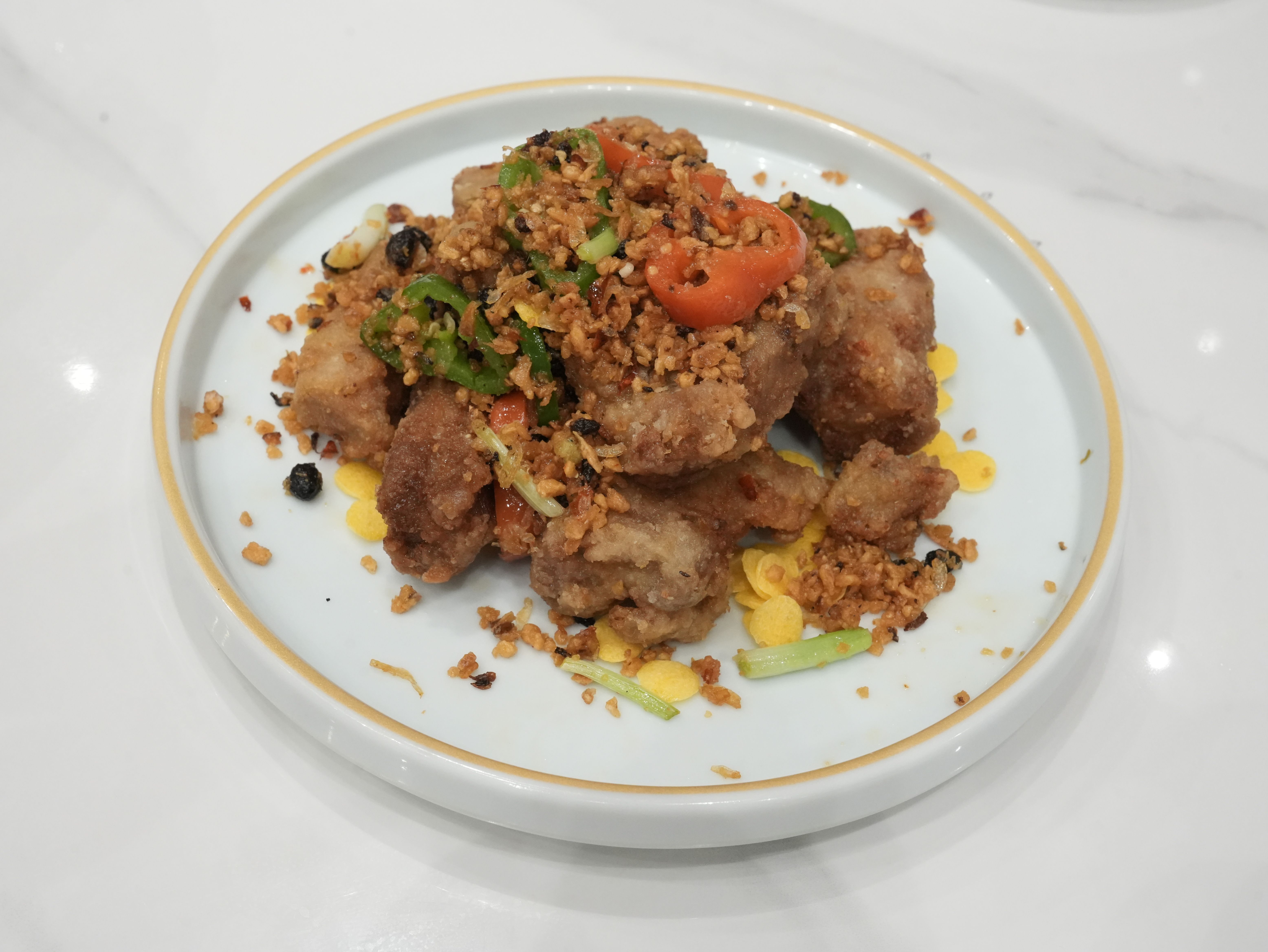
Photo: Yuen Tou Zan / Pexels
Chinese
Cong Bao Yang Rou
The diets react (see scores below)
Common Ingredients
- lamb
- scallions
- garlic
- ginger
- soy sauce
- cooking wine
- sesame oil
- white pepper
Specific recipes may vary.
Incompatible with 6 of 11 diets
Diet Ratings
Cong Bao Yang Rou (scallion-exploded lamb) is fundamentally a high-fat, high-protein dish built around lamb, which is excellent for keto. The core concern is soy sauce and cooking wine. Traditional soy sauce contains a small amount of carbs (~1g per tablespoon, manageable in typical quantities). Cooking wine (Shaoxing wine), however, contains residual sugars and carbohydrates (~5-8g per standard cooking portion), which can add up. Scallions contribute minor carbs (~2-3g per serving). Combined, a standard restaurant portion could push 8-12g net carbs — still within keto limits if managed carefully but not a clean 'approve.' At home with portion control, tamari substituted for soy sauce, and cooking wine minimized or replaced with dry sherry, this dish becomes quite keto-friendly. As served in a Chinese restaurant, the saucing quantities are unknown and may push carb limits.
Strict keto practitioners argue that soy sauce (even low-sodium) introduces anti-nutrients and trace carbs that accumulate, and that Shaoxing wine should be entirely eliminated rather than reduced — making restaurant versions of this dish a borderline avoid. They recommend full avoidance unless prepared at home with verified low-carb substitutes.
Cong Bao Yang Rou (葱爆羊肉) is a classic Chinese stir-fried lamb dish. Lamb is a red meat derived from sheep, making this dish entirely incompatible with a vegan diet. There are no ambiguous ingredients — the remaining components (scallions, garlic, ginger, soy sauce, cooking wine, sesame oil, white pepper) are all plant-based, but the primary protein is unambiguously an animal product.
Cong Bao Yang Rou contains several non-paleo ingredients that disqualify it despite the lamb base being fully paleo-approved. Soy sauce is a fermented soy (legume) and wheat-based condiment — both categories are firmly excluded from paleo. Cooking wine (Shaoxing rice wine) is grain-derived and contains added salt and preservatives. Sesame oil is a seed oil, explicitly excluded under paleo guidelines in favor of animal fats, olive oil, or coconut oil. White pepper itself is fine, but the combination of soy sauce and cooking wine alone is enough to render this dish non-compliant. The lamb, scallions, garlic, and ginger are all paleo-approved, but the core flavor base of this dish is built on non-paleo condiments that cannot simply be omitted without fundamentally changing the recipe.
Cong Bao Yang Rou is a Chinese stir-fried lamb dish that conflicts with Mediterranean diet principles on multiple fronts. Lamb is a red meat, which is explicitly limited to a few times per month in the Mediterranean diet. The dish uses sesame oil rather than extra virgin olive oil as the fat source, soy sauce (a high-sodium processed condiment not part of Mediterranean tradition), and cooking wine — none of which are core Mediterranean pantry items. While scallions, garlic, and ginger are plant-based positives, they serve only as aromatics. The dish is also non-Mediterranean in its culinary tradition, offering no alignment with the dietary pattern's food culture or preparation methods.
Cong Bao Yang Rou is a Chinese stir-fried lamb dish that, while built on a carnivore-friendly protein (lamb is a ruminant meat and highly valued on the carnivore diet), is overwhelmingly disqualified by its ingredient list. Scallions, garlic, and ginger are plant foods excluded from carnivore. Soy sauce is a fermented legume-grain product — strictly plant-based and processed. Cooking wine (Shaoxing) is plant-derived and contains sugars. Sesame oil is a plant-based seed oil, one of the most excluded oils on carnivore. White pepper is a plant spice. In total, 7 of 8 ingredients are plant-derived or plant-processed, leaving only the lamb itself as carnivore-compliant. This dish cannot be adapted with minor tweaks — it is structurally a plant-heavy marinade dish that happens to contain meat. The lamb alone would score a 9-10, but the dish as presented is firmly in avoid territory.
Cong Bao Yang Rou (scallion-exploded lamb) is a classic Northern Chinese stir-fry that is otherwise built on compliant whole ingredients — lamb, scallions, garlic, ginger, sesame oil, and white pepper are all Whole30-friendly. However, two ingredients disqualify the dish as typically prepared: (1) Soy sauce contains soy (a legume) and often wheat (a grain), both of which are explicitly excluded on Whole30. (2) Cooking wine (Shaoxing rice wine) is an alcohol derived from rice, making it doubly excluded as both alcohol and a grain-derived product. The dish could be made compliant by substituting coconut aminos for soy sauce and omitting the cooking wine (or using a splash of compliant vinegar), but as commonly prepared it must be avoided.
Cong Bao Yang Rou (Scallion-Exploded Lamb) is a classic Northern Chinese stir-fry that is fundamentally incompatible with the low-FODMAP elimination phase. The dish has two major high-FODMAP offenders: garlic (cloves) and scallions used in significant quantities. Garlic is one of the highest-FODMAP foods tested by Monash University, containing very high levels of fructans even at sub-clove amounts — it is a clear avoid. Scallions (green onions) are FODMAP-dependent on the part used: the green tops are low-FODMAP at 75g, but the white bulb portions are high in fructans. In Cong Bao Yang Rou, scallions are a primary ingredient used in large amounts (both green and white parts), and the dish's defining character depends on cooking them in quantity. The name itself ('Cong' = scallion) signals that scallions are structurally central, not garnish-level. Lamb itself is a pure protein and fully low-FODMAP. Ginger is low-FODMAP. Soy sauce is low-FODMAP at standard serving sizes (Monash-tested). Cooking wine (Shaoxing) is generally considered low-FODMAP in cooking amounts. Sesame oil is low-FODMAP. White pepper is low-FODMAP in culinary amounts. Despite several safe ingredients, the combination of whole garlic cloves and large quantities of scallion white parts makes this dish a clear avoid during the elimination phase.
Cong Bao Yang Rou (scallion-exploded lamb) presents a mixed DASH profile. Lamb is a red meat, which DASH guidelines explicitly limit due to its saturated fat content — this is the primary concern. However, the dish also contains several DASH-positive elements: scallions, garlic, and ginger are low-sodium aromatics with beneficial phytonutrients. The main DASH tension points are the soy sauce (high sodium — a single tablespoon can contribute 800–1,000mg, quickly approaching the DASH daily limit of 2,300mg or the stricter 1,500mg target) and the lamb itself (higher saturated fat than poultry or fish). Sesame oil is an unsaturated vegetable oil, acceptable in small amounts under DASH. Cooking wine adds minimal nutritional concern. The dish could be made more DASH-compatible by using low-sodium soy sauce and reducing portion size of lamb, but as commonly prepared in restaurants, the sodium load and red meat content place it in the caution zone.
NIH DASH guidelines categorize red meat as a food to limit (not eliminate), suggesting small, infrequent portions are permissible; some DASH-oriented clinicians note that lean lamb trimmed of visible fat, prepared at home with low-sodium soy sauce, could fit within a DASH pattern as an occasional protein source, particularly given lamb's meaningful zinc, iron, and B12 content.
Cong Bao Yang Rou (scallion-exploded lamb) is a classic Northern Chinese stir-fry that presents a mixed Zone profile. The dish's protein source — lamb — is the primary concern. While lamb is a complete protein with a reasonable amino acid profile, it carries higher saturated fat content than Zone-preferred lean proteins like skinless chicken, fish, or egg whites. Dr. Sears explicitly lists lamb as an 'unfavorable' protein due to its saturated fat load, though it is not categorically excluded. The aromatics (scallions, garlic, ginger) are excellent Zone-friendly, low-glycemic carbohydrate contributors with anti-inflammatory polyphenol benefits. Soy sauce and cooking wine add minimal glycemic load in typical quantities. Sesame oil is a mixed fat — it contains both monounsaturated and polyunsaturated (omega-6) fatty acids, making it less ideal than olive oil or avocado but not a disqualifier. The dish lacks a significant carbohydrate block (no starchy sides assumed), so it would need to be paired with additional low-GI vegetables to complete Zone ratios. If lean cuts of lamb (leg, loin) are used, fat is trimmed, portions are controlled to ~3 oz cooked, and the dish is served with abundant vegetables, it can be incorporated into a Zone meal with care.
Some Zone practitioners and Sears' earlier writings (Enter the Zone) are stricter about lamb, placing it firmly in the 'unfavorable' protein column alongside fatty red meats, which could argue for a lower score. However, Sears' later anti-inflammatory writing acknowledges that not all saturated fats are equally problematic, and lean lamb cuts in moderate portions are acceptable. The scallions, garlic, and ginger also provide notable polyphenol and anti-inflammatory benefits that partially offset the protein concern.
Cong Bao Yang Rou (Scallion-Exploded Lamb) is a classic Northern Chinese stir-fry with a mixed anti-inflammatory profile. On the positive side, the dish features several potent anti-inflammatory aromatics: scallions (quercetin, sulfur compounds), garlic (allicin, organosulfur compounds), and ginger (gingerols, shogaols) — all well-supported in anti-inflammatory research. Sesame oil provides some benefit via sesamol and sesamolin, which have demonstrated antioxidant properties, though it is moderate-to-high in omega-6. White pepper contains piperine, a mild anti-inflammatory compound. The problematic element is the primary protein: lamb is red meat, which anti-inflammatory frameworks consistently place in the 'limit' category due to saturated fat content and potential to raise arachidonic acid and inflammatory markers (CRP, IL-6) with regular consumption. Soy sauce and cooking wine contribute sodium and trace alcohol respectively — minor concerns in normal dish quantities. The overall dish is a moderate-portion red meat preparation balanced by meaningful anti-inflammatory aromatics. It is not inherently pro-inflammatory as an occasional meal, but the lamb base prevents an 'approve' rating. Best consumed occasionally rather than regularly.
Some anti-inflammatory practitioners, including those following Mediterranean-adjacent frameworks, note that lamb from grass-fed sources has a notably better omega-6 to omega-3 ratio than grain-fed beef and contains conjugated linoleic acid (CLA), which may have anti-inflammatory effects — potentially nudging this dish toward acceptable. Conversely, stricter anti-inflammatory protocols (such as those used in autoimmune management) would emphasize that any red meat, regardless of preparation with beneficial aromatics, should be strictly limited or avoided.
Cong Bao Yang Rou (scallion-explode-fried lamb) is a high-heat stir-fry featuring thinly sliced lamb as the primary protein. Lamb provides meaningful protein (roughly 25g per 3–4 oz serving), which supports GLP-1 dietary priorities, but it is also a fattier red meat — even lean cuts of lamb carry more saturated fat than chicken breast, fish, or tofu. The cooking method (rapid high-heat stir-fry) is far better than deep-frying, but sesame oil adds additional fat per serving. Scallions, garlic, and ginger are low-calorie aromatics that are easy to digest and offer some anti-inflammatory benefit. Soy sauce adds sodium but no significant nutritional concern in typical amounts. Cooking wine is used in small quantities and largely cooks off. White pepper is generally mild enough to be tolerated, though it can occasionally contribute to GI irritation in sensitive GLP-1 patients. The dish is low in fiber and moderate-to-high in fat, which are the two main drawbacks. Portion size matters significantly here — a small serving delivers useful protein with manageable fat, but a full restaurant portion of lamb could push saturated fat and total calories into problematic territory for GLP-1 patients managing nausea and delayed gastric emptying.
Some GLP-1-focused dietitians accept lean cuts of lamb in moderate portions as a valid high-protein red meat option, particularly for patients who tolerate red meat well and need dietary variety to maintain adherence. Others flag all fatty red meats as a category to limit given the increased risk of GI side effects (nausea, reflux, prolonged stomach fullness) associated with higher saturated fat loads in the context of slowed gastric emptying.
*See how scores were generated at our methodology page.
Nutritional profile
Six traits that cut across every diet.
Fiber & Plants
How much whole-plant food and fiber it delivers.
Healthy Fats
The quality of its fats (unsaturated, omega-3).
Whole / Unprocessed
How close it is to its natural, unprocessed form.
Gut Gentle
How easy it is on digestion (low FODMAP, few irritants).
Low Glycemic
How little it spikes your blood sugar.
Protein Density
How much protein it packs per calorie.
Controversy Index
Higher controversy = more disagreement between diets.
Diet-Specific Tips
 Keto — 6/10
View tips
- Lamb is an excellent keto protein with favorable fat content
- Cooking wine (Shaoxing) adds residual sugars — a primary concern
- Soy sauce contributes minor but non-zero carbs
- Scallions are moderate-carb but used in small amounts
- Sesame oil, garlic, and ginger are keto-compatible
- Restaurant portions may use higher quantities of sauces, raising net carb uncertainty
- Home preparation with substitutions (tamari, dry sherry or omit wine) improves keto compatibility significantly
 DASH — 4/10
View tips
- Lamb is red meat — DASH explicitly limits red meat due to saturated fat content
- Soy sauce contributes significant sodium, potentially 800–1,000mg per tablespoon as commonly used
- Sesame oil is an unsaturated fat, acceptable under DASH in small amounts
- Scallions, garlic, and ginger are DASH-positive low-sodium aromatics
- Low-sodium soy sauce substitution would meaningfully improve DASH compatibility
- Restaurant portions typically use more soy sauce than home preparation, increasing sodium risk
- Lamb provides beneficial nutrients (zinc, iron, B12) but saturated fat remains a concern
 Zone — 5/10
View tips
- Lamb is classified as an 'unfavorable' protein in Zone due to higher saturated fat content compared to chicken, fish, or egg whites
- Lean lamb cuts (leg, loin) reduce saturated fat load and improve Zone compatibility
- Scallions, garlic, and ginger are low-glycemic, anti-inflammatory, and Zone-favorable carbohydrate sources
- Sesame oil contains omega-6 polyunsaturated fat, less ideal than monounsaturated fats like olive oil
- Soy sauce and cooking wine contribute negligible glycemic load at typical cooking quantities
- Dish is carbohydrate-light and would need pairing with additional low-GI vegetables to complete Zone macro ratios
- Portion control (~3 oz cooked lamb) is essential to manage saturated fat within Zone fat block limits
 Anti-Inflammatory — 5/10
View tips
- Lamb is red meat — anti-inflammatory frameworks recommend limiting due to saturated fat and pro-inflammatory potential at high intake
- Garlic and ginger are strongly anti-inflammatory (allicin, gingerols, shogaols)
- Scallions contribute quercetin and sulfur compounds with antioxidant properties
- Sesame oil has antioxidant sesamol/sesamolin but is moderately high in omega-6
- White pepper provides piperine with mild anti-inflammatory action
- Soy sauce adds sodium — a minor concern in moderate dish quantities
- Cooking wine (trace alcohol) is a minor concern
- Dish is acceptable occasionally; problematic if consumed frequently as a red meat staple
 GLP-1 Friendly — 5/10
View tips
- Lamb is a fatty red meat with meaningful saturated fat content, which may worsen GLP-1 GI side effects
- Stir-fry cooking method is preferable to frying but sesame oil adds additional fat
- Adequate protein per serving (~20–25g) supports the #1 GLP-1 dietary priority
- Very low fiber content — dish does not support the fiber goal of 25–30g daily
- Small, controlled portions may be tolerable; full restaurant portions increase fat and calorie load significantly
- Aromatics (garlic, ginger, scallion) are GI-friendly and easy to digest
- White pepper is generally mild but may irritate sensitive GLP-1 patients prone to reflux