Chinese
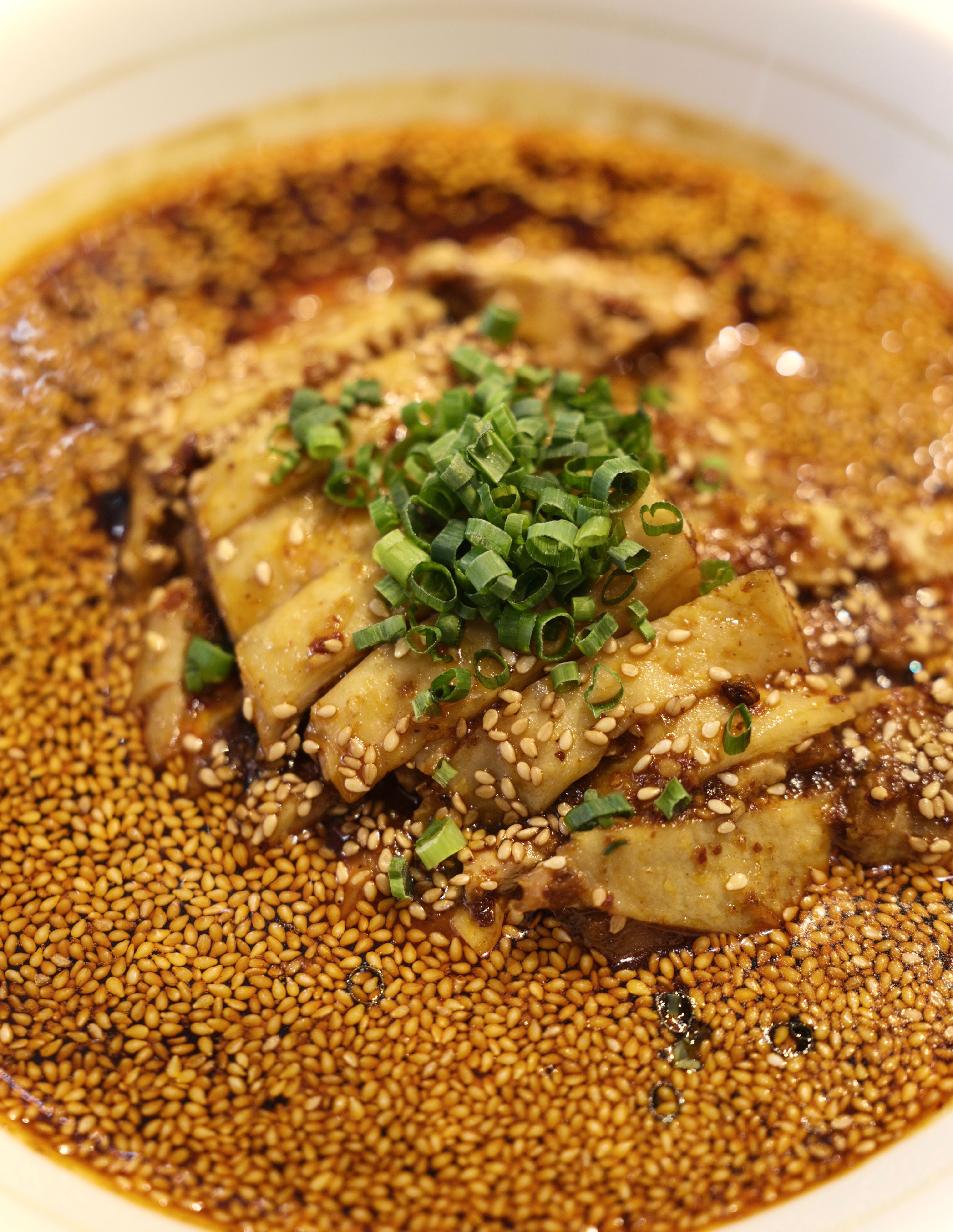
Suan Cai Bai Rou
The diets react (see scores below)
Common Ingredients
- pork belly
- pickled cabbage
- glass noodles
- ginger
- garlic
- scallions
- soy sauce
- white pepper
Specific recipes may vary.
Incompatible with 8 of 11 diets
Diet Ratings
Suan Cai Bai Rou is a mixed dish for keto. The pork belly is excellent — high in fat and protein with zero carbs, making it ideal. Pickled cabbage (suan cai) is low in net carbs and keto-friendly in moderate portions. However, glass noodles (mung bean or sweet potato starch noodles) are the critical problem: a standard serving (50-80g dry) contains roughly 40-60g of net carbs, which alone can blow the entire daily keto carb budget. Soy sauce adds minimal carbs. Ginger, garlic, and scallions contribute small amounts of carbs but are manageable. The dish as traditionally prepared is incompatible with strict keto primarily due to the glass noodles. It can be made keto-compatible by substituting glass noodles with shirataki noodles or simply omitting them, in which case the remaining dish would score 8-9.
Suan Cai Bai Rou (酸菜白肉) is a traditional Chinese dish centered on pork belly as its primary protein, which is a direct animal product and categorically excluded from a vegan diet. There is no ambiguity here — pork is mammalian flesh and cannot be consumed by vegans under any interpretation of vegan principles. The remaining ingredients (pickled cabbage, glass noodles, ginger, garlic, scallions, soy sauce, white pepper) are all plant-based, but the inclusion of pork belly makes the entire dish non-vegan.
Suan Cai Bai Rou contains multiple non-paleo ingredients that disqualify it. Glass noodles are made from mung bean starch (a legume derivative) or sweet potato starch — either way, they are a processed starch product inconsistent with paleo principles. Soy sauce is a fermented soy and wheat product, making it doubly non-compliant (both a legume and a grain). Pickled cabbage in commercial preparations typically contains added salt and preservatives. White pepper and the pork belly, ginger, garlic, and scallions are paleo-compatible, but the dish as traditionally prepared cannot be approved due to the glass noodles and soy sauce.
Suan Cai Bai Rou is centered on pork belly, a fatty red/processed meat that the Mediterranean diet restricts to only a few times per month. Pork belly is particularly problematic due to its very high saturated fat content. The dish also relies on soy sauce as a primary seasoning, contributing high sodium — not aligned with Mediterranean principles. Glass noodles are a refined, low-nutrient starch. While some ingredients like pickled cabbage, ginger, garlic, and scallions have Mediterranean-friendly qualities, they are supporting players in a dish fundamentally built around a protein and fat source that contradicts core Mediterranean diet guidelines. There is no olive oil, no legumes, no whole grains, and the primary fat comes from pork belly's marbled fat rather than plant-based sources.
Suan Cai Bai Rou is fundamentally incompatible with the carnivore diet. While pork belly is a carnivore-approved food, the dish is built around numerous plant-derived and processed ingredients that are all excluded. Pickled cabbage (suan cai) is a fermented vegetable — plant-derived and off-limits. Glass noodles are made from starch (typically mung bean or sweet potato) — a plant-based carbohydrate food entirely excluded. Soy sauce is a fermented grain/legume condiment, also prohibited. Ginger, garlic, scallions, and white pepper are all plant-based aromatics and spices. The pork belly itself is the only carnivore-compatible component in an otherwise heavily plant-based dish. There is no meaningful way to adapt this dish to carnivore standards without fundamentally reconstructing it into something else entirely.
Suan Cai Bai Rou contains two clear Whole30-excluded ingredients. First, soy sauce is a soy-based product and soy is explicitly excluded from Whole30. Second, glass noodles are typically made from mung bean starch or sweet potato starch — the mung bean-based variety would be excluded as a legume derivative, and even sweet potato glass noodles fall into the 'noodles/pasta' category that is explicitly prohibited under the no-recreating-junk-food rule (noodles are specifically listed as off-limits). The pickled cabbage (suan cai) also warrants scrutiny, as commercial versions often contain added sugar or sulfites — though sulfites are now allowed per 2024 rules, added sugar remains excluded. The dish cannot be made in its traditional form on Whole30.
This dish contains multiple high-FODMAP ingredients that make it unsuitable during the elimination phase. Garlic is a major fructan source and is high-FODMAP at any culinary amount. Scallions (green onions) are high-FODMAP when the white bulb portion is used, which is typical in Chinese cooking. Pickled cabbage (suan cai) presents uncertainty — while plain cabbage is low-FODMAP, the fermentation and pickling process varies and many versions contain garlic or onion as part of the brine. Glass noodles (mung bean vermicelli) are generally low-FODMAP. Pork belly and ginger are low-FODMAP. Soy sauce is low-FODMAP at standard serving sizes. White pepper is low-FODMAP in small amounts. However, the combination of garlic and scallion bulbs alone is sufficient to rate this dish as avoid during elimination, as these are standard components used in meaningful quantities in the recipe and cannot reasonably be reduced to negligible amounts without fundamentally altering the dish.
Suan Cai Bai Rou (pickled cabbage with pork belly) is problematic for DASH diet adherence on multiple fronts. Pork belly is a high-fat, high-saturated-fat cut of red meat — precisely what DASH guidelines advise limiting. Pickled cabbage (suan cai) is a fermented, salt-cured vegetable that contributes very high sodium levels, often 600–1,000mg or more per serving. Soy sauce adds further sodium, easily pushing the dish well beyond DASH's 2,300mg/day limit (and far exceeding the 1,500mg/day low-sodium DASH target) in a single meal. While ginger, garlic, scallions, and glass noodles are relatively neutral, they cannot offset the core issues. The combination of high saturated fat from pork belly and very high sodium from pickled cabbage and soy sauce makes this dish fundamentally incompatible with DASH principles.
Suan Cai Bai Rou (pickled cabbage with pork belly) presents notable Zone Diet challenges. The primary protein — pork belly — is a high-fat, high-saturated-fat cut, the opposite of the lean protein the Zone prescribes (target: ~25g protein per meal with minimal saturated fat). Pork belly's fat-to-protein ratio is heavily skewed toward fat, making it difficult to hit Zone protein blocks without simultaneously importing excessive saturated fat that throws off the 30% fat target and undermines the anti-inflammatory focus. Glass noodles (mung bean starch) are a moderate-to-high glycemic carbohydrate with minimal fiber, functioning more like an 'unfavorable' Zone carb. Pickled cabbage (sauerkraut-style) is actually a Zone-friendly ingredient — fermented, low-glycemic, and rich in polyphenols — and contributes positively. Aromatics (ginger, garlic, scallions) are excellent Zone-compatible additions. Soy sauce adds sodium but minimal macronutrient impact. The dish is not inherently 'avoid' territory because Zone is ratio-based, but achieving the 40/30/30 balance with this ingredient set would require significantly reducing pork belly portions, increasing the cabbage component, and limiting glass noodles — modifications that substantially change the dish from its traditional form.
Suan Cai Bai Rou (pickled cabbage with pork belly) presents a mixed anti-inflammatory profile. On the negative side, pork belly is a high-fat cut with substantial saturated fat content, which is flagged in anti-inflammatory frameworks as pro-inflammatory when consumed regularly. It also contains arachidonic acid, a precursor to pro-inflammatory eicosanoids. The dish's sodium content is high, coming from both the pickled cabbage (fermentation brine) and soy sauce, which doesn't directly drive inflammation but is a health concern. On the positive side, the dish includes several anti-inflammatory elements: ginger and garlic are well-established anti-inflammatory spices with meaningful bioactive compounds (gingerols, allicin, alliin); pickled/fermented cabbage contributes probiotics and some polyphenols that may support gut health and reduce systemic inflammation; scallions add quercetin and organosulfur compounds; white pepper contains piperine, which has mild anti-inflammatory properties. Glass noodles (typically mung bean starch) are relatively neutral — low glycemic compared to wheat noodles and nearly flavorless from an inflammatory standpoint. The dish is traditional and minimally processed, which is a point in its favor. However, the central protein — pork belly — is one of the fattier, more saturated cuts of pork, placing this dish firmly in the 'limit' category of anti-inflammatory eating. It can be enjoyed occasionally, but should not be a regular feature of an anti-inflammatory dietary pattern. A leaner pork cut would meaningfully improve the profile.
Suan Cai Bai Rou is built around pork belly, which is one of the highest-fat cuts of pork — typically 50-60% of calories from fat, predominantly saturated. This directly conflicts with the GLP-1 dietary priority of low fat per serving, and the high fat content is likely to worsen nausea, bloating, and reflux, which are already common GLP-1 side effects. The slowed gastric emptying caused by GLP-1 medications means fatty, dense meat like pork belly sits in the stomach for an extended period, significantly increasing GI discomfort risk. The pickled cabbage (suan cai) offers modest fiber and some digestive benefit, and the aromatics (ginger, garlic, scallions) are GI-friendly. However, pickled vegetables are also high in sodium, which can be a concern for fluid retention. Glass noodles contribute primarily refined starch with negligible protein or fiber, adding empty carbohydrate calories. The dish's overall protein-to-fat ratio is poor for GLP-1 patients — it delivers fat far more efficiently than usable lean protein. A standard serving would be difficult to portion-control given the richness of the broth and fat-marbled meat. This dish is not categorically irredeemable — the concept (braised pork with fermented vegetables) could be adapted with a leaner cut — but as traditionally prepared, it scores poorly across nearly every GLP-1 dietary criterion.
Some GLP-1-focused dietitians note that pork belly consumed in very small portions within a larger broth-based dish may be tolerable for patients who are not experiencing active GI side effects, as the slow-braised format makes the fat partially rendered and the overall dish easy to eat in small amounts. However, most obesity medicine clinicians would still recommend substituting a leaner protein source rather than relying on strict portion discipline with a high-fat cut.
*See how scores were generated at our methodology page.
Nutritional profile
Six traits that cut across every diet.
Fiber & Plants
How much whole-plant food and fiber it delivers.
Healthy Fats
The quality of its fats (unsaturated, omega-3).
Whole / Unprocessed
How close it is to its natural, unprocessed form.
Gut Gentle
How easy it is on digestion (low FODMAP, few irritants).
Low Glycemic
How little it spikes your blood sugar.
Protein Density
How much protein it packs per calorie.
Controversy Index
Higher controversy = more disagreement between diets.
Diet-Specific Tips
 Keto — 4/10
View tips
- Glass noodles are high-carb (40-60g net carbs per standard serving) and the primary disqualifier
- Pork belly is an ideal keto protein and fat source
- Pickled cabbage (suan cai) is low-carb and keto-friendly
- Dish becomes keto-compatible with glass noodle substitution (shirataki) or omission
- Soy sauce contributes negligible carbs at typical amounts
- Garlic and ginger add minor carbs but are within acceptable limits in cooking quantities
 Zone — 4/10
View tips
- Pork belly is a fatty, high-saturated-fat protein — unfavorable in Zone; lean pork tenderloin would be a better Zone substitute
- Pickled cabbage (suan cai) is Zone-favorable: low-glycemic, fermented, polyphenol-rich
- Glass noodles are an unfavorable Zone carbohydrate — moderate-to-high glycemic, low fiber, limited nutrient density
- Dish is saturated-fat heavy, conflicting with Zone's preference for monounsaturated fats and anti-inflammatory omega-3 balance
- Aromatics (ginger, garlic, scallions) are Zone-positive additions with anti-inflammatory polyphenols
- Could be adapted toward Zone compliance by substituting lean pork and reducing/eliminating glass noodles, but traditional preparation scores poorly
 Anti-Inflammatory — 4/10
View tips
- Pork belly is high in saturated fat — a pro-inflammatory fat flagged for limitation in anti-inflammatory frameworks
- High sodium from pickled cabbage brine and soy sauce
- Ginger and garlic are potent anti-inflammatory spices with bioactive gingerols and allicin
- Fermented pickled cabbage may support gut microbiome and reduce systemic inflammation via probiotic activity
- Glass noodles (mung bean starch) are relatively low glycemic and neutral in inflammatory profile
- Scallions contribute quercetin and organosulfur compounds with anti-inflammatory properties
- Dish is minimally processed and traditionally prepared — no refined oils, additives, or trans fats
- Acceptable occasionally but not suited for regular anti-inflammatory eating due to the pork belly base