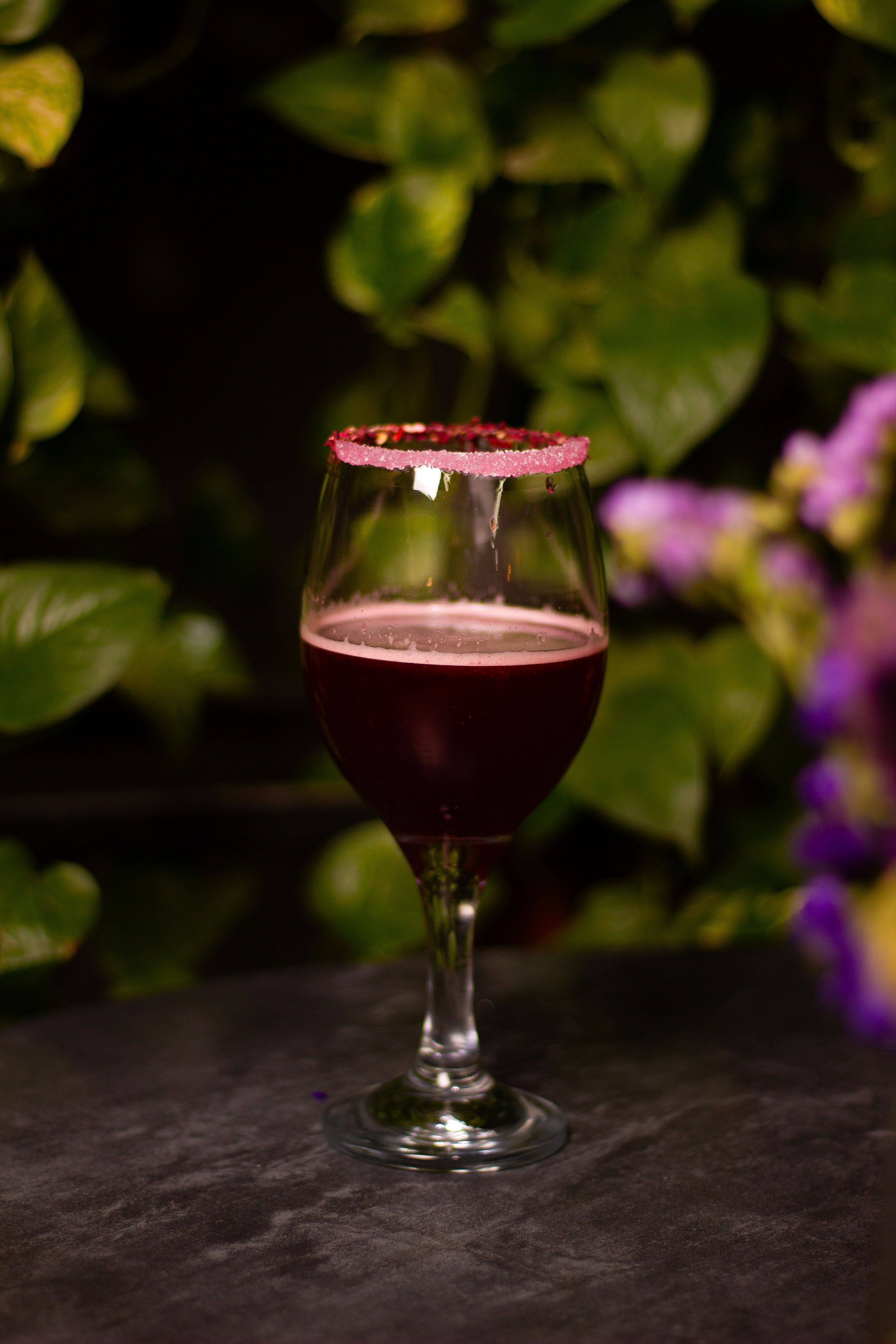
Photo: mohammad mohebbi / Pexels
Ecuadorian
Colada Morada
The diets react (see scores below)
Common Ingredients
- purple corn flour
- blackberries
- blueberries
- naranjilla
- pineapple
- cinnamon
- cloves
- sugar
Specific recipes may vary.
Incompatible with 7 of 11 diets
Diet Ratings
Colada Morada is a traditional Ecuadorian spiced fruit beverage that is fundamentally incompatible with a ketogenic diet. It is built on purple corn flour (a high-carb grain starch), multiple high-sugar fruits (pineapple, naranjilla, blackberries, blueberries), and added sugar. A single serving would deliver an enormous carbohydrate load — likely 40-80g of net carbs or more — instantly exceeding the entire daily keto carb allowance. There is no meaningful fat content, no protein, and no redeeming keto-friendly macronutrient profile. This is essentially a sweetened fruit-and-grain starchy drink with no path to portion-controlled keto compatibility.
Colada Morada is a traditional Ecuadorian spiced fruit drink made entirely from plant-based ingredients. Purple corn flour, blackberries, blueberries, naranjilla, pineapple, cinnamon, cloves, and sugar are all fully plant-derived with no animal products or animal-derived ingredients present. The dish is predominantly whole or minimally processed fruits and spices, with purple corn flour as a natural starch base. Sugar is the only ingredient that carries any minor ethical nuance in some vegan circles (bone char filtration), but this does not affect the food's vegan status. This is a nutritious, whole-food-leaning beverage that aligns well with vegan principles.
Colada Morada is a traditional Ecuadorian spiced fruit drink that contains two clear paleo violations: purple corn flour (a grain) and refined sugar. Purple corn flour is unambiguously a grain product and is explicitly excluded from the paleo diet. Refined sugar is also a hard exclusion. While several ingredients are paleo-friendly — blackberries, blueberries, naranjilla, pineapple, cinnamon, and cloves are all approved — the foundational base of the drink relies on a grain-based thickener and refined sugar, making the dish as a whole incompatible with paleo guidelines. There is no paleo workaround that preserves the authentic character of this drink.
Colada Morada is a traditional Ecuadorian drink made primarily from whole fruits (blackberries, blueberries, naranjilla, pineapple) and purple corn flour, which are rich in antioxidants, fiber, and polyphenols — all well-aligned with Mediterranean diet principles. The spices (cinnamon, cloves) are also encouraged. However, the addition of sugar is a concern, as the Mediterranean diet minimizes added sugars. The sugar content in traditional recipes can be significant, pushing this drink toward the 'caution' category. If prepared with minimal added sugar, many of the core ingredients would be Mediterranean-friendly; the sugar content is the primary detractor.
Some Mediterranean diet interpreters might classify this as closer to 'approve' if the sugar is kept minimal, arguing that the dense fruit and whole-grain corn base align well with plant-forward principles. Modern clinical guidelines, however, consistently flag added sugar as a red flag regardless of the otherwise healthful base ingredients.
Colada Morada is a traditional Ecuadorian beverage made entirely from plant-derived ingredients. It contains purple corn flour (a grain), multiple fruits (blackberries, blueberries, naranjilla, pineapple), plant-based spices (cinnamon, cloves), and added sugar. There is not a single animal-derived ingredient in this dish. Every component violates carnivore diet principles: grains, fruits, spices, and sugar are all explicitly excluded. This is about as far from carnivore-compatible as a food can get.
Colada Morada contains two excluded ingredients that make it non-compliant with Whole30. First, it includes added sugar, which is explicitly prohibited on the program. Second, purple corn flour is a corn-derived grain product, and corn/grains are fully excluded on Whole30. The fruits and spices (blackberries, blueberries, naranjilla, pineapple, cinnamon, cloves) are all compliant on their own, but the combination of added sugar and a corn grain product makes this drink a clear avoid.
Colada Morada is a traditional Ecuadorian purple corn drink with multiple ingredients that each carry FODMAP concerns at standard serving sizes. Purple corn flour itself is relatively low-FODMAP in small amounts, similar to other corn-based products. Blackberries are low-FODMAP at 10 berries (75g) per Monash but contain polyols at higher amounts. Blueberries are low-FODMAP at 1/4 cup but high-FODMAP at larger servings due to excess fructose and polyols. Naranjilla (lulo) has limited Monash testing data but as a citrus-like fruit may be moderate. Pineapple is low-FODMAP at 1 cup (140g) canned or fresh per Monash, which is manageable. Cinnamon and cloves are low-FODMAP as spices in typical culinary amounts. Sugar (sucrose) is low-FODMAP at moderate amounts. The primary concern is the cumulative FODMAP load from multiple moderate-risk fruits combined in one drink — the stacking effect of blueberries, blackberries, and pineapple together, even if each were individually within safe limits, creates a polyol and excess fructose burden. Additionally, naranjilla lacks solid Monash testing data, adding uncertainty. As a drink, people typically consume a full glass (200-300ml), meaning the fruit content per serving could easily exceed individual FODMAP thresholds. Portion control and recipe formulation (relative fruit quantities) are critical here.
Monash University has not tested Colada Morada as a composite dish, and naranjilla specifically lacks published FODMAP data, making precise rating difficult. Some FODMAP practitioners would advise complete avoidance during elimination due to the multi-fruit stacking risk and unknown naranjilla FODMAP content, even if individual fruit quantities appear small per serving.
Colada Morada is a traditional Ecuadorian beverage made primarily from whole fruits (blackberries, blueberries, naranjilla, pineapple) and purple corn flour, all of which are strongly DASH-compatible — rich in potassium, antioxidants, fiber, and magnesium. Purple corn flour and berries in particular are excellent DASH foods. However, the dish is prepared with a meaningful amount of added sugar, which DASH guidelines explicitly limit. Sweets and added sugars are in the 'limit' category per NIH/NHLBI DASH. The quantity of sugar used in traditional recipes (often 1–2 cups per pot) elevates this from a fruit-rich beverage to a sweetened drink, placing it closer to the 'sugary beverages' category that DASH discourages. Spices (cinnamon, cloves) are neutral-to-positive. No sodium concerns. A reduced-sugar preparation would score significantly higher (7–8).
NIH DASH guidelines categorically limit added sugars and sugary beverages, which would push this toward 'avoid' territory for the sugar content alone. However, some DASH-aligned clinicians note that when added sugar is the only limiting factor in an otherwise nutrient-dense, whole-food, low-sodium preparation rich in berries and fruit, a moderate serving consumed occasionally is distinguishable from processed sugary drinks — particularly if sugar is reduced in home preparation.
Colada Morada is a traditional Ecuadorian sweet beverage made primarily from purple corn flour, multiple fruits, and added sugar. From a Zone Diet perspective, this drink is highly problematic: it is essentially pure carbohydrate with no protein and no meaningful fat, making it impossible to construct a 40/30/30 ratio from this item alone. The added sugar is a Zone 'avoid' ingredient outright. Purple corn flour and pineapple are high-glycemic carb sources. While blackberries and blueberries are individually Zone-favorable (low-glycemic, polyphenol-rich), they are overwhelmed here by the sugar and starchy corn flour base. As a snack with no protein block and no fat block, it produces a sharp insulin spike with no hormonal counterbalance — the opposite of Zone goals. The drink would need to be consumed alongside a complete lean protein and monounsaturated fat source to even partially fit a Zone snack, and even then the sugar content makes it a poor choice. It falls into the 'avoid' category not because fruit is forbidden in Zone, but because the combination of added sugar, starchy flour, and complete absence of protein/fat makes it nutritionally incompatible with Zone principles in any practical portion.
Colada Morada is a traditional Ecuadorian spiced fruit drink with a genuinely mixed anti-inflammatory profile. On the positive side, it is remarkably rich in anti-inflammatory compounds: purple corn flour (maíz morado) contains anthocyanins — the same pigments found in one of the most studied anti-inflammatory plant compounds — and has been shown in research to reduce CRP and oxidative stress markers. Blueberries and blackberries are among the most antioxidant-dense fruits in the anti-inflammatory framework, packed with flavonoids, polyphenols, and vitamin C. Naranjilla and pineapple contribute vitamin C and bromelain (pineapple), an enzyme with documented anti-inflammatory properties. Cinnamon and cloves are both emphasized anti-inflammatory spices with potent polyphenol content. The drink contains no refined oils, saturated fats, artificial additives, or trans fats. However, the significant counterweight is added sugar, which is a clear pro-inflammatory ingredient under all major anti-inflammatory frameworks. Traditional recipes can contain substantial amounts of sugar (often 1/2 to 1 cup per large batch), which blunts the otherwise impressive anti-inflammatory ingredient list. The net effect lands this drink in 'caution' territory — it could lean toward 'approve' if prepared with reduced or no added sugar, but as traditionally made with standard sugar quantities, the glycemic load and added sugar content are meaningful concerns.
Some anti-inflammatory practitioners and whole-food advocates would argue that a moderate serving of Colada Morada, prepared with restrained sugar, deserves approval given the extraordinary anthocyanin load from purple corn and berries — compounds that outperform many 'approved' foods in reducing inflammatory markers. Conversely, strict anti-inflammatory protocols (particularly those targeting metabolic inflammation or insulin resistance) would flag any added-sugar beverage as a net pro-inflammatory food regardless of its polyphenol content, potentially pushing this toward 'avoid.'
Colada Morada is a traditional Ecuadorian hot beverage made primarily from purple corn flour, mixed fruits, spices, and added sugar. It is essentially a sweetened fruit drink with no meaningful protein, minimal fiber relative to its sugar load, and significant added sugar as a core ingredient. For GLP-1 patients, this drink presents several problems: (1) No protein — offers zero contribution toward the 100-120g daily protein target; (2) High sugar load — added sugar plus naturally sweet fruits (pineapple, blueberries, blackberries) create a high-glycemic drink that undermines blood sugar stabilization, a key goal for most GLP-1 patients who often have insulin resistance or type 2 diabetes; (3) Empty calories in a context where every calorie must count nutritionally; (4) Liquid calories are particularly poor choices on GLP-1 therapy because they bypass satiety signals without providing protein or significant fiber to justify the calorie expenditure. The fruit content does contribute some antioxidants and modest fiber, and the spices (cinnamon, cloves) are metabolically neutral or mildly beneficial, which prevents a score of 1-2, but the overall profile is a poor fit for GLP-1 dietary priorities. A small occasional taste as a cultural/social accommodation is not dangerous, but it cannot be recommended as a regular snack.
*See how scores were generated at our methodology page.
Nutritional profile
Six traits that cut across every diet.
Fiber & Plants
How much whole-plant food and fiber it delivers.
Healthy Fats
The quality of its fats (unsaturated, omega-3).
Whole / Unprocessed
How close it is to its natural, unprocessed form.
Gut Gentle
How easy it is on digestion (low FODMAP, few irritants).
Low Glycemic
How little it spikes your blood sugar.
Protein Density
How much protein it packs per calorie.
Controversy Index
Higher controversy = more disagreement between diets.
Diet-Specific Tips
 Vegan — 9/10
View tips
- All ingredients are fully plant-based
- Dominated by whole fruits and spices — high nutritional value
- Purple corn flour is a natural, minimally processed plant starch
- No animal-derived additives, thickeners, or colorings
- Sugar may be processed with bone char in some regions, but this is a manufacturing concern rather than an ingredient issue and does not affect vegan classification
- No cross-contamination concerns inherent to this recipe
 Mediterranean — 5/10
View tips
- Rich in antioxidant-packed whole fruits (blackberries, blueberries) consistent with Mediterranean principles
- Purple corn flour provides whole-grain fiber and polyphenols
- Added sugar contradicts Mediterranean diet's minimal added sugar guideline
- No saturated fat, red meat, or processed ingredients beyond sugar
- Spices like cinnamon and cloves are encouraged in Mediterranean eating
- Sugar quantity in traditional recipes varies and significantly affects overall rating
 DASH — 5/10
View tips
- High added sugar content is the primary limiting factor under DASH guidelines
- Berries (blackberries, blueberries) are excellent DASH foods — rich in potassium, fiber, and antioxidants
- Purple corn flour provides whole-grain fiber and antioxidant anthocyanins
- Naranjilla and pineapple contribute vitamins and potassium
- No sodium concerns — this is a sodium-safe food
- No saturated fat, cholesterol, or processed ingredients beyond sugar
- Spices (cinnamon, cloves) are DASH-neutral and may offer additional health benefits
- Reducing sugar in preparation would significantly improve DASH compatibility
 Anti-Inflammatory — 5/10
View tips
- Purple corn flour is exceptionally high in anthocyanins — among the most potent anti-inflammatory plant pigments
- Blueberries and blackberries are top-tier anti-inflammatory fruits per the IF Rating system and Dr. Weil's pyramid
- Pineapple contributes bromelain, an enzyme with documented anti-inflammatory effects
- Cinnamon and cloves are emphasized anti-inflammatory spices with strong polyphenol profiles
- Added sugar is a significant pro-inflammatory ingredient that partially offsets the beneficial components
- No saturated fat, trans fat, seed oils, or artificial additives present
- Net score is highly preparation-dependent — reducing added sugar would meaningfully improve the anti-inflammatory profile