Ecuadorian
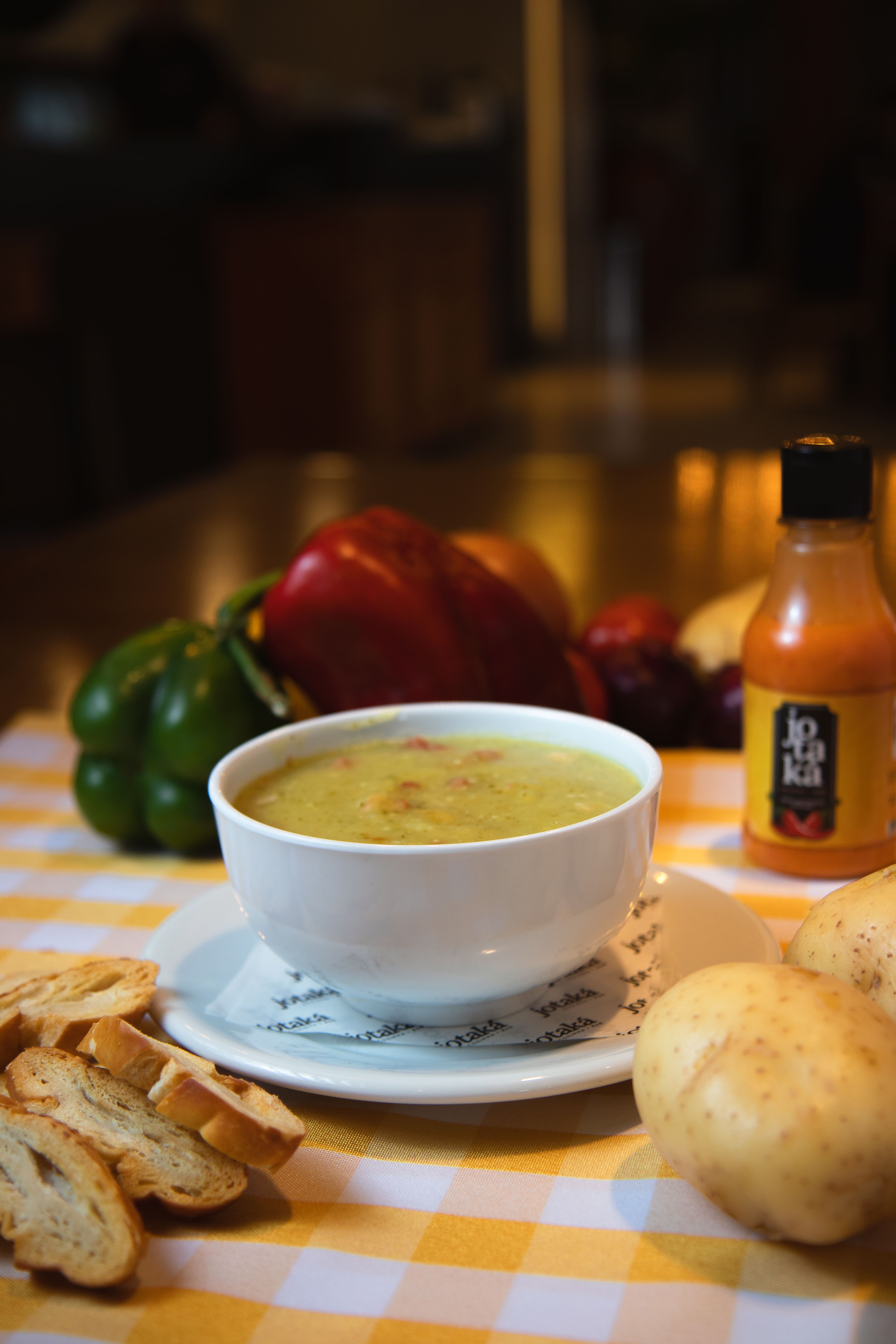
Locro de Papa
The diets react (see scores below)
Common Ingredients
- potatoes
- cheese
- milk
- onion
- achiote
- cumin
- avocado
- cilantro
Specific recipes may vary.
Incompatible with 6 of 11 diets
Diet Ratings
Locro de Papa is fundamentally a potato-based soup, and potatoes are one of the most keto-incompatible foods available. A single medium potato contains approximately 30-35g of net carbs, and this soup typically uses multiple potatoes as its primary bulk ingredient. Even a modest serving would likely exceed the entire daily net carb allowance for ketosis. Milk adds additional lactose-derived carbs. While the cheese and avocado are keto-friendly components, and the spices (achiote, cumin) and aromatics (onion, cilantro) are used in small quantities, they cannot offset the massive carbohydrate load from the potato base. This dish cannot be consumed in any meaningful portion without breaking ketosis.
Locro de Papa contains two clear animal-derived ingredients: cheese and milk. Both are dairy products, which are strictly excluded under vegan dietary rules. The remaining ingredients — potatoes, onion, achiote, cumin, avocado, and cilantro — are all fully plant-based, but the presence of dairy makes this dish incompatible with a vegan diet. A vegan version could be made by substituting dairy cheese with a plant-based alternative and replacing milk with a non-dairy milk (such as oat or cashew milk), but as traditionally prepared, this dish must be avoided.
Locro de Papa contains multiple non-paleo ingredients that make it incompatible with the diet. Cheese and milk are clear dairy violations, which are excluded across virtually all paleo frameworks. White potatoes are themselves a debated ingredient, but the dairy components alone are sufficient to disqualify this dish. Avocado, cilantro, onion, cumin, and achiote are all paleo-compliant, but the foundational dairy base of this soup cannot be modified away without fundamentally changing the dish. This is a dairy-forward soup, not a borderline case.
Locro de Papa is a potato-based soup with dairy (cheese and milk) as primary components, accompanied by onion, avocado, and spices. The Mediterranean diet strongly embraces vegetables, legumes, and plant-based foods, so the potato and avocado base is favorable. However, dairy (cheese and milk) is categorized as moderate/occasional rather than a staple, and the dish relies on dairy as its primary protein and fat source rather than olive oil. There is no olive oil, fish, or legumes here, and the overall fat profile centers on saturated dairy fat. The dish is whole-food, minimally processed, and vegetable-forward, which aligns with Mediterranean principles, but the dairy-heavy composition and absence of olive oil as primary fat keep it in the caution zone.
Some Mediterranean diet practitioners, particularly those drawing on traditional Greek and Middle Eastern culinary traditions, accept dairy-based dishes (e.g., tzatziki, feta-rich salads, cheese-heavy mezze) as compatible with the pattern in moderate portions. From this perspective, a vegetable-rich, whole-food cheese soup could be viewed more favorably, especially when portion size is controlled.
Locro de Papa is a traditional Ecuadorian potato soup that is fundamentally incompatible with the carnivore diet. The dish is plant-dominated: potatoes are the primary ingredient and carbohydrate base, onion, avocado, cilantro, achiote (annatto), and cumin are all plant-derived and entirely excluded on carnivore. While cheese and milk are animal-derived dairy products that some carnivore practitioners include, they are minority ingredients here and cannot redeem a dish whose entire foundation is plant foods. This is essentially a vegetarian soup with no meaningful animal protein source.
Locro de Papa contains two excluded dairy ingredients: cheese and milk. Dairy (including cheese and milk) is explicitly excluded on the Whole30 program. While the remaining ingredients — potatoes, onion, achiote, cumin, avocado, and cilantro — are all Whole30-compliant, the dish as traditionally prepared cannot be made compliant without fundamentally altering its character by removing both the cheese and milk. Ghee is the only dairy exception allowed, and it does not replace these ingredients in this context.
Locro de Papa contains multiple high-FODMAP ingredients that make it problematic during the elimination phase. Onion is one of the highest-FODMAP foods (fructans) and is a foundational ingredient in this soup — it cannot be reduced to a safe portion when cooked into the base. Milk is high in lactose at typical soup quantities (more than a small splash). Cheese can be low-FODMAP if it is a hard aged variety (e.g., cheddar), but Ecuadorian locro traditionally uses fresh queso blanco or similar soft cheese, which is higher in lactose. Avocado is low-FODMAP only at 1/8 of a fruit per Monash — it is typically served in larger garnish portions. Potatoes, achiote, cumin, and cilantro are all low-FODMAP. However, the combination of onion (unavoidable in this dish), lactose-containing milk, and likely soft cheese makes this dish high-FODMAP for most people during elimination phase.
Monash University rates onion as clearly high-FODMAP with no safe serving size, but some clinical FODMAP practitioners allow the green tops of spring onions as a substitute. A modified version of this soup using lactose-free milk, hard aged cheese, and green onion tops instead of onion could potentially be made low-FODMAP, but the traditional recipe as described cannot be considered safe during elimination.
Locro de Papa is a traditional Ecuadorian potato soup with several DASH-friendly ingredients — potatoes (good source of potassium), avocado (heart-healthy monounsaturated fats), onion, cilantro, and spices like cumin and achiote. However, the dish's primary protein is cheese, and the use of whole milk raises concerns. Traditional preparations often use full-fat cheese (e.g., queso fresco or white cheese) in generous amounts, which contributes saturated fat and sodium — both of which DASH limits. The milk component, if whole milk, conflicts with DASH's preference for fat-free or low-fat dairy. Sodium can also accumulate from cheese and added salt during cooking. That said, the base is vegetable-rich and potassium-dense, making it more acceptable than many processed or meat-heavy dishes. Using low-fat milk and reduced-fat or low-sodium cheese would bring this dish closer to a full DASH approval.
NIH DASH guidelines specify low-fat dairy and limit saturated fat, which flags full-fat cheese and whole milk as concerns. However, updated clinical interpretations note that recent meta-analyses (including those informing the 2020-2025 Dietary Guidelines) find limited evidence that full-fat dairy worsens cardiovascular outcomes, and some DASH-oriented clinicians now permit moderate amounts of full-fat dairy — particularly traditional cheeses used in cultural dishes — within an otherwise balanced DASH pattern.
Locro de Papa is a traditional Ecuadorian potato-based soup that presents several Zone Diet challenges. Potatoes are explicitly listed by Dr. Sears as a high-glycemic, 'unfavorable' carbohydrate to avoid or strictly limit — they spike insulin and don't fit neatly into Zone carb blocks without very careful portioning. Cheese provides protein but is a higher-fat, moderate-saturated-fat source rather than the lean protein the Zone prefers (the Zone calls for ~7g protein per block with minimal fat). Milk adds additional carbohydrates and some saturated fat. The dish's saving graces are meaningful: avocado provides excellent monounsaturated fat (a Zone ideal), onion and cilantro are favorable low-glycemic vegetables, and achiote/cumin carry anti-inflammatory polyphenol value. However, the structural problem is the macronutrient ratio — this dish is heavily carbohydrate-dominant (potatoes + milk) with moderate saturated fat from cheese and insufficient lean protein, making the 40/30/30 target very difficult to hit. A Zone practitioner could theoretically eat a very small portion with added lean protein on the side, but as served, the dish skews far out of Zone balance.
Some Zone-aware practitioners note that Sears' later anti-inflammatory writing places more emphasis on polyphenol-rich, colorful foods and omega-3 balance rather than strict glycemic exclusions. In this framing, a small portion of Locro de Papa — with its avocado (monounsaturated fat), achiote (polyphenols), and onion — could be accommodated occasionally if paired with additional lean protein and kept to a modest carbohydrate block count. The potato concern is real, but portion control and the soup's other ingredients partially offset the glycemic concern in practice.
Locro de Papa is a traditional Ecuadorian potato and cheese soup with a mixed anti-inflammatory profile. On the positive side, the dish features several genuinely anti-inflammatory ingredients: avocado provides heart-healthy monounsaturated fats and antioxidants; cumin and cilantro offer anti-inflammatory polyphenols and flavonoids; onion contributes quercetin, a well-studied anti-inflammatory flavonoid; and achiote (annatto) contains bixin and norbixin, carotenoids with antioxidant properties. Potatoes, while starchy, are a whole food containing vitamin C, potassium, and resistant starch (especially when cooled), and are generally considered acceptable in anti-inflammatory frameworks. The more limiting factors are the cheese and milk. Full-fat dairy — which is traditional in this dish — falls in the 'limit' category due to saturated fat content, which can promote inflammatory markers at higher intakes. However, the dairy here is part of a whole-food dish rather than a processed product, and the portions relative to the overall recipe moderate the concern. The overall dish is not heavily processed, contains no refined sugars or trans fats, and is anchored in vegetables and whole-food spices. It represents a balanced but dairy-heavy preparation that sits comfortably in the 'caution' zone — fine for regular consumption if dairy portions are moderate, less ideal for strict anti-inflammatory protocols.
Some anti-inflammatory practitioners, particularly those following autoimmune or strict Weil-aligned protocols, would flag full-fat cheese and whole milk as meaningful sources of saturated fat and arachidonic acid precursors, arguing this dish should be limited more strictly. Conversely, emerging research on fermented and whole dairy (as opposed to processed dairy) suggests neutral or even modest benefits for inflammatory markers in some populations, which would push this dish closer to an 'approve' for those who tolerate dairy well.
Locro de Papa is a traditional Ecuadorian potato and cheese soup that presents a mixed nutritional profile for GLP-1 patients. Its primary ingredients — potatoes, milk, and cheese — provide carbohydrates and some protein, but the dish is fundamentally low in protein density relative to caloric load. A typical serving may deliver only 8–12g of protein (primarily from cheese and milk), falling well short of the 15–30g per meal target. Potatoes are a starchy, moderate-glycemic carbohydrate that can spike blood sugar without meaningful fiber contribution relative to their calorie load. Cheese contributes saturated fat, which can worsen GLP-1 side effects like nausea, bloating, and reflux. On the positive side, the soup format supports easy digestibility and hydration — both beneficial for GLP-1 patients. Avocado adds healthy monounsaturated fat and some fiber. Cumin and achiote are mild spices unlikely to trigger GI distress. Cilantro and onion add micronutrients. The dish is warm, soft, and small-portion friendly in texture. Overall, it is not harmful in moderate portions but is not protein-dense or fiber-rich enough to be an ideal GLP-1 meal without modification — adding a lean protein (chicken, egg) would significantly improve its profile.
Some GLP-1-focused dietitians may view this soup more favorably as a gentle, easily digestible meal option on high-nausea days when palatability and hydration matter more than protein optimization; others would flag the saturated fat from cheese and the starchy base as counterproductive to glycemic goals, particularly for patients with type 2 diabetes using GLP-1 medications.
*See how scores were generated at our methodology page.
Nutritional profile
Six traits that cut across every diet.
Fiber & Plants
How much whole-plant food and fiber it delivers.
Healthy Fats
The quality of its fats (unsaturated, omega-3).
Whole / Unprocessed
How close it is to its natural, unprocessed form.
Gut Gentle
How easy it is on digestion (low FODMAP, few irritants).
Low Glycemic
How little it spikes your blood sugar.
Protein Density
How much protein it packs per calorie.
Controversy Index
Higher controversy = more disagreement between diets.
Diet-Specific Tips
 Mediterranean — 5/10
View tips
- Potato base is a whole-food vegetable, consistent with Mediterranean principles
- Avocado adds healthy monounsaturated fats, a positive contribution
- Cheese and milk are primary fat and protein sources — dairy is only moderate in the Mediterranean diet
- No olive oil used as cooking fat, missing a core Mediterranean element
- No legumes or fish; protein comes entirely from dairy
- Dish is minimally processed with whole, natural ingredients
- Spices (cumin, achiote, cilantro) are flavor-forward and compatible with Mediterranean cooking style
 DASH — 5/10
View tips
- Cheese is the primary protein — often full-fat and moderately high in sodium and saturated fat
- Whole milk (commonly used) conflicts with DASH preference for fat-free or low-fat dairy
- Potatoes are a good DASH-friendly source of potassium and fiber
- Avocado provides heart-healthy monounsaturated fats consistent with DASH principles
- Onion, cumin, achiote, and cilantro are DASH-compatible flavor enhancers with no sodium concerns
- Sodium content depends heavily on cheese type and added salt — can be high in traditional preparations
- Substituting low-fat milk and reduced-sodium cheese would significantly improve DASH compatibility
 Zone — 4/10
View tips
- Potatoes are explicitly 'unfavorable' high-glycemic carbs in Zone Diet — primary structural problem
- Cheese provides protein but is not a lean protein source; contains saturated fat
- Milk adds additional carbohydrates and saturated fat, compounding glycemic load
- Avocado is an ideal Zone monounsaturated fat — a positive element
- Onion, cilantro, cumin, and achiote are favorable low-glycemic, anti-inflammatory ingredients
- Overall macro ratio skews heavily carbohydrate-dominant with insufficient lean protein for Zone balance
- Dish would require significant modification (small portions, added lean protein) to approach Zone compliance
 Anti-Inflammatory — 5/10
View tips
- Avocado provides anti-inflammatory monounsaturated fats and antioxidants
- Achiote (annatto) contributes bixin and norbixin carotenoids with antioxidant activity
- Onion is a strong source of quercetin, a well-researched anti-inflammatory flavonoid
- Cumin and cilantro add polyphenols with mild anti-inflammatory properties
- Cheese and whole milk introduce saturated fat, which is in the 'limit' category
- Potatoes are a whole-food carbohydrate — acceptable but moderately starchy
- No refined sugars, trans fats, or processed additives present
- Dairy type and portion size are key determinants of inflammatory impact
 GLP-1 Friendly — 5/10
View tips
- Low protein density — cheese and milk as primary protein sources yield insufficient grams per meal without augmentation
- High starch load from potatoes with limited fiber compensation
- Saturated fat from cheese may worsen nausea, bloating, or reflux
- Soup format supports hydration and easy digestibility — both GLP-1-positive traits
- Avocado contributes beneficial monounsaturated fat and fiber
- Mild spice profile (cumin, achiote) unlikely to aggravate GI side effects
- Portion-sensitive: a small cup is more appropriate than a full bowl given reduced gastric capacity on GLP-1s
- Would score significantly higher with added lean protein such as shredded chicken or a poached egg