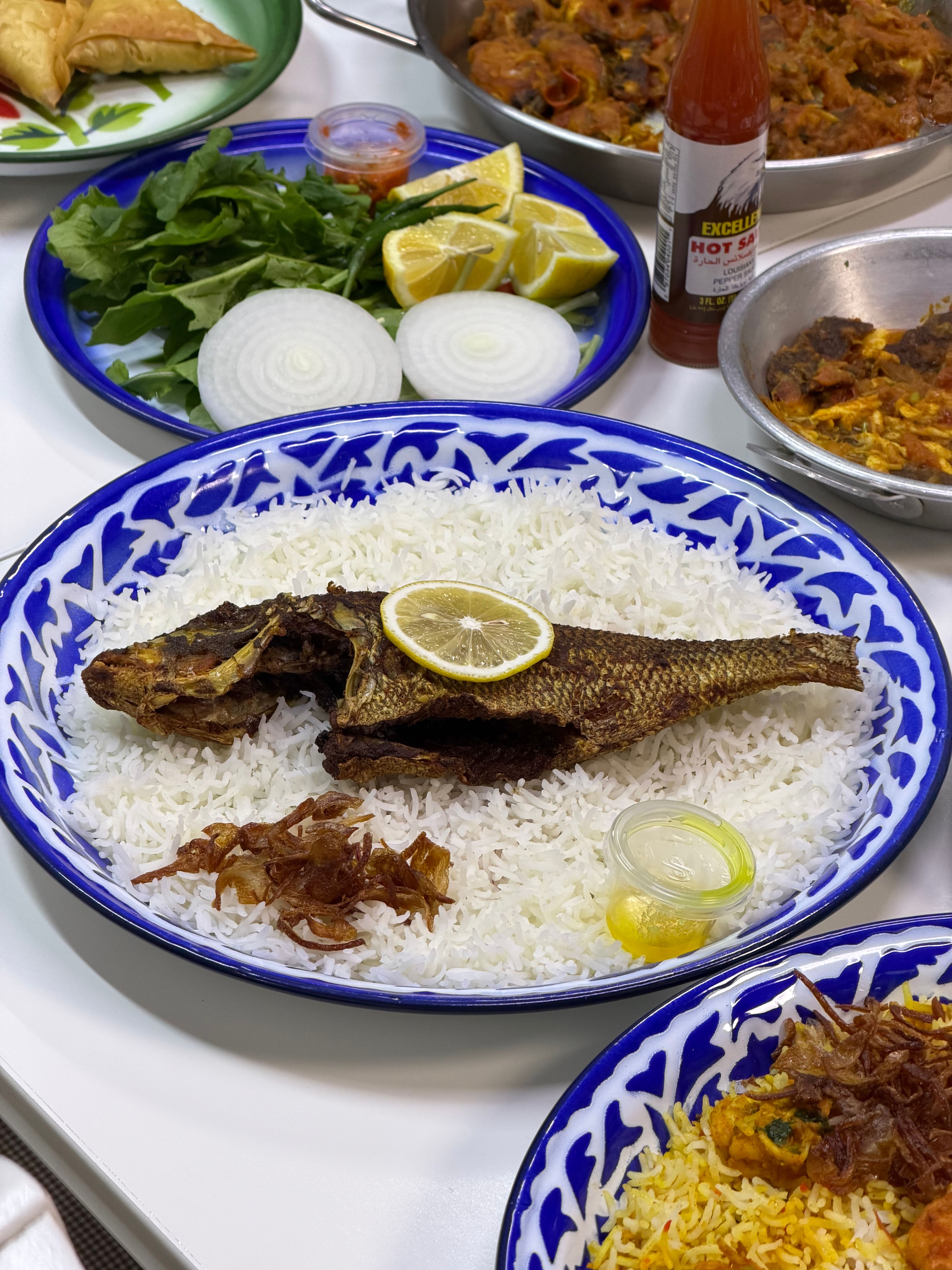
Photo: Anthony Rahayel / Pexels
The diets react (see scores below)
Common Ingredients
- gray mullet
- salt
- lemon
- olive oil
- cumin
Specific recipes may vary.
Incompatible with 5 of 11 diets
Diet Ratings
Feseekh is a traditional Egyptian fermented and salted gray mullet. The core ingredients — gray mullet, salt, lemon, olive oil, and cumin — are all keto-compatible. Gray mullet is a fatty fish providing quality protein and healthy fats with near-zero carbs. Olive oil adds beneficial monounsaturated fats. Lemon juice in small amounts and cumin contribute negligible carbs. The fermentation and heavy salting process adds no carbohydrates. Net carbs per serving are essentially zero, making this a strong keto fit. The main consideration is the very high sodium content from the curing process, which, while not a carb concern, may matter to some individuals.
Some strict keto practitioners flag fermented/cured fish with caution due to potential histamine sensitivity — fermented foods can trigger inflammatory responses in sensitive individuals, which some clinical keto protocols (especially therapeutic/epilepsy-focused) seek to avoid.
Feseekh is a traditional Egyptian fermented and salted fish dish made from gray mullet, an animal product. Fish is excluded from all vegan diets without exception. The remaining ingredients (salt, lemon, olive oil, cumin) are plant-based or mineral, but the primary protein — gray mullet — makes this dish entirely incompatible with a vegan diet.
Feseekh is a traditional Egyptian fermented and salted gray mullet. While gray mullet itself is a perfectly paleo-approved fish, the preparation of feseekh fundamentally disqualifies it. The dish relies on heavy salting (added salt is excluded from paleo) and a fermentation/preservation process that constitutes processed food — exactly the kind of technique that produces non-paleo outcomes regardless of the base ingredient. The paleo framework excludes preserved and processed meats and fish such as bacon, deli meats, and by extension heavily salted fermented fish. Lemon, olive oil, and cumin are all paleo-compliant, but the core preparation method and the salt content make this dish incompatible with paleo principles.
Feseekh is a traditional Egyptian fermented and salted gray mullet fish dish. The core ingredient—gray mullet—is an excellent Mediterranean-compatible fish, rich in omega-3 fatty acids and protein, aligning well with the diet's emphasis on fish 2-3 times weekly. Olive oil, lemon, and cumin are all staple Mediterranean ingredients. However, the fermentation and heavy salting process used to prepare feseekh results in an extremely high sodium content, which is a significant concern. The Mediterranean diet emphasizes minimally processed foods, and while traditional preservation methods like fermentation have historical roots, the excessive salt load in feseekh contradicts modern Mediterranean diet health guidance around sodium. It is best enjoyed occasionally and in small quantities rather than as a regular fish serving.
Some Mediterranean diet scholars argue that traditional fermented and preserved fish preparations—such as the ancient Roman garum or North African preserved fish traditions—are authentically Mediterranean and should be respected as part of the diet's cultural heritage. From a traditional lens, feseekh could be viewed as an acceptable occasional fish preparation rather than a processed food to avoid.
Feseekh is a traditional Egyptian fermented and salted gray mullet dish. While the fish itself is carnivore-approved, this dish contains three significant non-carnivore ingredients: lemon (a fruit, plant-derived), olive oil (a plant oil, strictly excluded from carnivore), and cumin (a plant spice, excluded from all carnivore tiers). The combination of these plant-based additions disqualifies the dish from carnivore compliance. The gray mullet and salt are perfectly carnivore-compatible, but the dish as traditionally prepared cannot be approved. If stripped down to just the fermented fish and salt, it would be an interesting carnivore-friendly fermented food similar to traditional fish preservation methods.
Some lenient carnivore practitioners tolerate small amounts of spices like cumin and citrus as flavor agents, and a subset use olive oil occasionally despite it being plant-derived — these practitioners might rate this dish as 'caution' rather than 'avoid.' However, strict carnivore and Lion Diet adherents would clearly reject all plant-derived ingredients here.
Feseekh is a traditional Egyptian fermented and salted gray mullet. The listed ingredients — gray mullet, salt, lemon, olive oil, and cumin — are all individually Whole30-compliant. However, feseekh is a fermented fish product, and the fermentation process in commercial or traditional preparations may introduce sulfites, preservatives, or other additives beyond simple salt curing. As prepared at home with only these clean ingredients, it would be approved. As commonly found in markets or prepared traditionally, the actual fermentation process and any added preservatives warrant careful scrutiny. Additionally, fermented fish can be an acquired and intense food, but Whole30 does not prohibit fermented foods in principle. The caution rating reflects the gap between the idealized ingredient list and the real-world preparation of this dish.
Some Whole30 practitioners would argue that if the dish is genuinely prepared with only the listed compliant ingredients, it should receive a straightforward approval — fermented fish is a whole food with no excluded ingredients. Others would note that commercial feseekh almost always contains additional preservatives or curing agents not captured in a generic ingredient list, and advise avoidance unless you can verify every component.
Feseekh is a traditional Egyptian fermented and salted gray mullet dish. Evaluating each ingredient: Gray mullet (fish) is inherently low-FODMAP, as plain fish contains no fermentable carbohydrates. Salt, lemon juice, and olive oil are all low-FODMAP at standard servings. Cumin is low-FODMAP at typical culinary amounts (1 teaspoon or less). The core concern with feseekh is that it is a heavily fermented fish — while fermentation itself does not introduce FODMAPs, the fermentation process and the extremely high salt content are nutritional concerns. From a strict FODMAP standpoint, the ingredients list is largely safe. However, the caution score reflects two practical issues: (1) Monash University has not specifically tested feseekh or fermented salted fish products of this type, creating uncertainty about whether the fermentation process might affect FODMAP content in any way; (2) feseekh is often served with accompaniments like onion, bread, or pickled vegetables that are high-FODMAP, and the dish context matters. If eaten in its pure form (fish, salt, lemon, olive oil, cumin only), it would likely be low-FODMAP. The medium confidence and caution rating reflect the lack of direct Monash testing of this specific fermented fish product and the high-sodium nature of the dish which may be a confounding factor in GI symptom reporting.
Monash University has not specifically tested fermented salted fish like feseekh, so while the individual ingredients appear low-FODMAP, clinical FODMAP practitioners may advise caution during the strict elimination phase given the lack of direct data on this type of heavily processed, fermented fish product. Additionally, the dish is traditionally served with high-FODMAP accompaniments (onion, flatbread), making real-world consumption often non-compliant.
Feseekh is a traditional Egyptian fermented and salted gray mullet. While gray mullet itself is a lean fish that would normally align well with DASH principles, feseekh undergoes an extensive salt-curing and fermentation process that results in extremely high sodium content — estimates commonly range from 3,000mg to over 6,000mg of sodium per 100g serving, far exceeding both the standard DASH limit of 2,300mg/day and the low-sodium DASH limit of 1,500mg/day in a single serving. The lemon, olive oil, and cumin are DASH-friendly accompaniments, but they cannot offset the dominant nutritional liability. NIH/NHLBI DASH guidelines explicitly identify sodium reduction as a primary mechanism of the diet's blood pressure-lowering effect, and heavily salt-cured fish is incompatible with this goal. This dish is effectively disqualifying solely on sodium grounds.
Feseekh is a traditional Egyptian fermented and salted gray mullet. From a Zone Diet macronutrient perspective, the core ingredients are largely favorable: gray mullet is a lean-to-moderate fish providing quality protein and omega-3 fatty acids, olive oil is the ideal Zone monounsaturated fat, lemon contributes minimal low-glycemic carbohydrates, and cumin is a polyphenol-rich spice Sears would approve of. The dish as a Zone protein and fat source is structurally sound. However, the primary concern is the extremely high sodium content from the fermentation and salting process. While Zone Diet methodology does not formally penalize sodium, the very heavy salt load is a practical health concern and the intense fermentation may affect how practitioners view the food. Additionally, as a standalone dish, feseekh lacks carbohydrate blocks — it would need to be paired with low-glycemic vegetables or fruit to achieve the 40/30/30 ratio, making it a component rather than a complete Zone meal. The dish scores as a caution because while the protein and fat profile is solid, the sodium burden is significant and it requires deliberate pairing to be Zone-compliant.
Some Zone practitioners would rate feseekh more favorably, arguing that Zone methodology is purely about macronutrient ratios and does not restrict sodium or fermented foods. In that strict interpretation, gray mullet + olive oil is an excellent Zone protein-fat pairing, and lemon provides negligible carbs — making this a near-ideal protein-fat block that simply needs a vegetable side. Dr. Sears' anti-inflammatory framework also supports fermented foods in principle. Under this view, feseekh could score 7-8 as an approve.
Feseekh is a traditional Egyptian fermented and salted gray mullet, typically aged in salt for weeks to months. The core ingredients are mostly favorable from an anti-inflammatory standpoint: gray mullet provides lean fish protein and some omega-3 fatty acids (though less than fatty fish like salmon or sardines), olive oil adds oleocanthal and monounsaturated fats, lemon contributes vitamin C and antioxidants, and cumin offers anti-inflammatory phytochemicals. However, the defining feature of feseekh — extreme salt curing and fermentation — is the primary concern. The sodium content is exceptionally high, which can promote endothelial inflammation and cardiovascular stress at elevated intake. Some research associates very high sodium diets with increased inflammatory markers. On the positive side, fermentation can theoretically produce beneficial short-chain fatty acids and improve bioavailability of some nutrients, and fermented fish is culturally analogous to other aged fish products with probiotic potential. The dish earns credit for its fish base, olive oil, and spices, but the extraordinarily high sodium load from the preservation process prevents an 'approve' rating. This is best treated as an occasional cultural food rather than a regular anti-inflammatory staple.
Some fermentation-positive researchers and ancestral diet advocates would argue that traditionally fermented fish like feseekh contains beneficial microbial metabolites and bioavailable nutrients that support gut health and reduce systemic inflammation, drawing parallels to fermented foods generally endorsed by anti-inflammatory frameworks. Conversely, high-sodium food researchers and mainstream cardiovascular nutrition guidelines (including those from the AHA) would rate feseekh more harshly given that sodium is one of the most consistently documented drivers of vascular inflammation and hypertension at high intake levels.
Feseekh is a traditional Egyptian fermented and heavily salted gray mullet. While gray mullet is a legitimate fish protein source with some omega-3 content, the preparation method creates significant problems for GLP-1 patients. The fermentation and salt-curing process results in extremely high sodium content — often exceeding 2,000–4,000mg per small serving — which promotes water retention and can worsen the bloating and GI discomfort already caused by GLP-1 medications. The fermentation byproducts and strong pungent compounds can irritate the slowed GI tract, potentially worsening nausea and reflux, which are already primary side effects. The olive oil, lemon, and cumin are benign or beneficial, but they are minor components. Fermented foods with this level of sodium and pungency are poorly tolerated by most GLP-1 patients, particularly given slowed gastric emptying. The dish is also traditionally served in large communal portions and is not small-portion-friendly in its cultural context. It offers protein, but the sodium load, fermentation intensity, and GI irritation risk make it a poor choice for patients on GLP-1 medications.
Some GLP-1 clinicians and dietitians are cautiously permissive of fermented and cured fish in very small quantities, noting that the protein density is real and that cultural food practices should be respected and accommodated rather than categorically eliminated. Individual sodium tolerance and GI sensitivity vary, and a patient who has eaten feseekh lifelong may tolerate it better than a naive consumer — though the sodium and GI irritation risks remain clinically meaningful for most patients.
*See how scores were generated at our methodology page.
Nutritional profile
Six traits that cut across every diet.
Fiber & Plants
How much whole-plant food and fiber it delivers.
Healthy Fats
The quality of its fats (unsaturated, omega-3).
Whole / Unprocessed
How close it is to its natural, unprocessed form.
Gut Gentle
How easy it is on digestion (low FODMAP, few irritants).
Low Glycemic
How little it spikes your blood sugar.
Protein Density
How much protein it packs per calorie.
Controversy Index
Higher controversy = more disagreement between diets.
Diet-Specific Tips
 Keto — 8/10
View tips
- Gray mullet is a fatty, zero-carb fish — ideal for keto macros
- Fermentation and salt curing add no carbohydrates
- Olive oil contributes healthy monounsaturated fats
- Lemon juice and cumin contribute negligible net carbs
- Very high sodium content — not a keto disqualifier but a practical consideration
- Histamine load from fermentation may concern strict clinical keto practitioners
 Mediterranean — 5/10
View tips
- Gray mullet is a nutrient-rich, omega-3 fatty fish fully aligned with Mediterranean principles
- Olive oil, lemon, and cumin are core Mediterranean ingredients
- Heavy salting and fermentation process results in very high sodium content
- Minimal processing is a key Mediterranean diet principle; fermented preserved fish conflicts with this
- Appropriate only as an occasional treat, not a regular fish meal replacement
- Traditional cultural preservation method with historical roots in the Mediterranean region
 Whole30 — 5/10
View tips
- Gray mullet is a compliant seafood on Whole30
- Salt, lemon, olive oil, and cumin are all Whole30-approved
- Feseekh is a heavily salted and fermented fish — fermentation itself is not prohibited
- Commercial or traditional preparations may include unlisted preservatives, sulfites (now allowed per 2024 rules), or other additives
- Label-reading or knowing the exact preparation method is essential for full compliance
- Homemade with only these ingredients would be compliant
 Low-FODMAP — 5/10
View tips
- Gray mullet (plain fish) is low-FODMAP — no fermentable carbohydrates
- Salt, lemon juice, and olive oil are all low-FODMAP
- Cumin is low-FODMAP at standard culinary amounts (up to 1 tsp)
- Feseekh has not been specifically tested by Monash University as a fermented fish product
- Fermentation process does not inherently introduce FODMAPs but creates uncertainty
- Traditionally served with high-FODMAP accompaniments (onion, bread) that would need to be avoided
- High sodium content may independently cause GI symptoms, potentially confounding FODMAP assessment
 Zone — 6/10
View tips
- Gray mullet is a lean fish providing quality Zone-compatible protein and omega-3 fatty acids
- Olive oil is the ideal Zone monounsaturated fat source, fully approved
- Lemon adds negligible low-glycemic carbohydrates — no glycemic concern
- Cumin is a polyphenol-rich spice consistent with Sears' anti-inflammatory emphasis
- Extremely high sodium from fermentation/salting is a significant practical health concern not formally addressed in Zone scoring
- Dish is carbohydrate-deficient as a standalone meal and must be paired with low-glycemic vegetables to reach 40/30/30 ratio
- Fermented fish aligns with Sears' broader interest in gut-friendly and anti-inflammatory foods
 Anti-Inflammatory — 5/10
View tips
- Gray mullet provides lean fish protein and moderate omega-3 fatty acids, supportive of anti-inflammatory goals
- Extremely high sodium content from salt-curing process is the dominant concern — linked to vascular inflammation and hypertension
- Olive oil contributes oleocanthal, a natural COX-inhibiting anti-inflammatory compound
- Cumin contains anti-inflammatory flavonoids and is emphasized in anti-inflammatory spice frameworks
- Lemon adds vitamin C and antioxidant support
- Fermentation process has mixed implications — potential probiotic benefit, but also histamine accumulation which can trigger inflammatory responses in sensitive individuals
- Not a processed food in the industrial sense, but the preservation method significantly alters its nutritional profile
- Best consumed occasionally and in small portions due to sodium load