Photo: Marcelo Verfe / Pexels
The diets react (see scores below)
Common Ingredients
- curd cheese
- chocolate
- sugar
- butter
- vanilla
- cream
Specific recipes may vary.
Incompatible with 11 of 11 diets
Diet Ratings
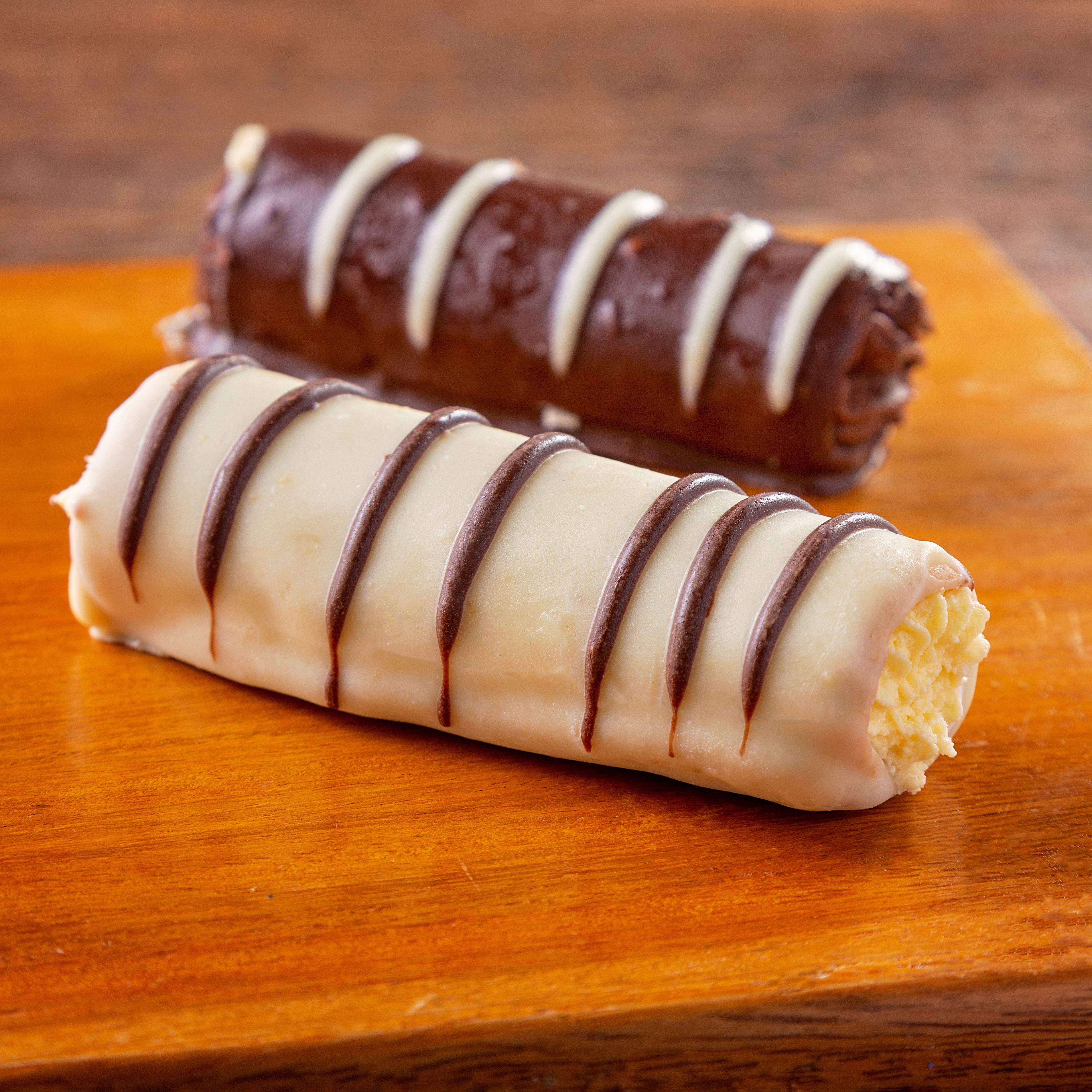
Kohuke is a traditional Estonian curd cheese snack coated in chocolate with added sugar — a combination that makes it fundamentally incompatible with ketogenic eating. The standard form contains significant added sugar both in the chocolate coating and the curd filling, pushing net carbs well above keto limits even for a single piece (typically 20-30g net carbs per bar). While curd cheese itself has moderate carbs from lactose and butter/cream add healthy fats, the added sugar and chocolate coating are the dominant factors here. This is essentially a dessert bar and cannot be consumed on keto without a complete reformulation using sugar-free chocolate and sweetener substitutes.
Kohuke is an Estonian curd cheese snack coated in chocolate. It contains multiple animal-derived ingredients: curd cheese (dairy), butter (dairy), and cream (dairy). These are unambiguously animal products excluded from any vegan diet. There is no plant-based version of this traditional dish that would qualify as vegan.
Kohuke is an Estonian curd cheese snack that is fundamentally incompatible with the paleo diet. Every core component violates paleo principles: curd cheese and cream are dairy products, which are explicitly excluded; sugar is refined and non-paleo; butter is a dairy derivative (unlike ghee, it retains casein and lactose); and the chocolate coating typically contains refined sugar and dairy additives. Vanilla alone would be paleo-compliant, but it cannot redeem a dish that is built entirely on excluded ingredients. This is a highly processed dairy-based confection with no meaningful paleo case to be made.
Kohuke is an Estonian curd cheese snack coated in chocolate, containing added sugar, butter, and cream. While curd cheese (a dairy product) is acceptable in moderation on the Mediterranean diet, the combination of chocolate coating, added sugars, butter as a saturated fat source, and cream makes this a processed, high-sugar, high-saturated-fat snack that clearly contradicts Mediterranean dietary principles. Butter replaces olive oil as the fat source, added sugars are present, and the overall product resembles a confection rather than a whole food. This is not a traditional Mediterranean food and aligns more with Northern/Eastern European snack traditions.
Kohuke is an Estonian curd cheese snack coated in chocolate and sweetened with sugar, making it incompatible with the carnivore diet on multiple fronts. While curd cheese, butter, and cream are animal-derived dairy products (already debated within carnivore), the dish is disqualified primarily by its non-animal ingredients: chocolate is plant-derived (cacao), sugar is a plant-derived sweetener explicitly excluded from carnivore, and vanilla is a plant-based flavoring. This is essentially a dessert confection — heavily processed and sweetened — which violates core carnivore principles regardless of which tier of the diet one follows. Even the most liberal 'animal-based' carnivore practitioners (e.g., Paul Saladino) who include fruit and honey would exclude refined sugar and chocolate. There is no version of carnivore that permits this dish as presented.
Kohuke is an Estonian curd cheese bar that contains multiple Whole30-excluded ingredients. Curd cheese (quark/cottage cheese style) is a dairy product excluded from Whole30. Sugar is explicitly excluded as an added sugar. Chocolate typically contains sugar and dairy. Butter (not ghee/clarified butter) is also excluded dairy. Cream is excluded dairy. This dish fails on nearly every ingredient.
Kohuke is an Estonian curd cheese bar coated in chocolate. The primary ingredient, curd cheese (quark/farmer's cheese), is a fresh, high-lactose dairy product — lactose is a key FODMAP disaccharide. Even a standard single kohuke (typically 45–50g) contains a substantial amount of curd cheese, which at that serving size will be high in lactose. Cream is also a high-lactose ingredient. Chocolate coating, while dark chocolate is low-FODMAP in small amounts (~30g), milk chocolate (commonly used) adds additional lactose. Sugar, butter, and vanilla are generally low-FODMAP. However, the combination of high-lactose curd cheese and cream makes this dish a clear avoid during the FODMAP elimination phase regardless of portion size.
Kohuke is an Estonian curd cheese snack coated in chocolate, with ingredients including sugar, butter, and cream — making it high in saturated fat, added sugar, and calories. The chocolate coating typically contains significant saturated fat and added sugar. Butter and cream further contribute saturated fat, which DASH explicitly limits. Full-fat curd cheese is not the low-fat dairy DASH recommends. The combination of added sugar (chocolate coating + granulated sugar) and saturated fat from multiple sources (chocolate, butter, cream, full-fat curd cheese) places this squarely in the 'avoid' category. While curd cheese itself can be a reasonable protein source, the overall nutritional profile of a Kohuke as commonly prepared and consumed conflicts with core DASH principles on saturated fat, added sugar, and full-fat dairy.
Kohuke is an Estonian curd cheese bar coated in chocolate, typically containing significant amounts of sugar, butter, and cream alongside the base curd cheese. While curd cheese itself can serve as a Zone-compatible protein source (similar to cottage cheese or quark), the overall macro profile of a kohuke is severely imbalanced for Zone purposes. The chocolate coating and added sugar drive a high glycemic load, the combination of butter, cream, and chocolate creates a high saturated fat content with very little monounsaturated fat, and the sugar content makes it nearly impossible to fit into Zone blocks without massively overshooting the carbohydrate block allocation for a snack. A typical kohuke contains roughly 15-25g of sugar per bar, representing multiple unfavorable carb blocks with no fiber offset. The fat profile is dominated by saturated fat from butter and cream rather than the monounsaturated fats Zone prioritizes. As a processed, sugar-sweetened confection, it functions more like a candy bar than a protein snack, making it extremely difficult to incorporate into any Zone-balanced meal or snack without breaking the 40/30/30 ratio entirely.
Kohuke is a traditional Estonian curd cheese snack coated in chocolate with added sugar, butter, and cream. From an anti-inflammatory perspective, this dish is problematic on multiple fronts. The chocolate coating is almost certainly not dark chocolate (>70% cacao) but rather milk chocolate or a compound coating high in sugar and potentially containing partially hydrogenated fats. Added sugar is a direct driver of inflammatory markers including CRP and IL-6. Butter and cream contribute significant saturated fat, which anti-inflammatory guidelines consistently flag as pro-inflammatory when consumed beyond moderate amounts. Full-fat dairy is in the 'limit' category under anti-inflammatory principles, and this dish combines full-fat curd cheese with cream and butter, compounding the saturated fat load. The sugar content is substantial, placing this squarely in the refined/added sugar category that anti-inflammatory frameworks universally discourage. Vanilla is neutral to mildly beneficial. There are no meaningful anti-inflammatory ingredients here — no omega-3s, no polyphenols, no antioxidant-rich vegetables or spices. As an occasional treat it may be tolerable for a generally healthy person, but as a snack it represents a concentration of the food components anti-inflammatory diets most consistently advise limiting or avoiding.
Kohuke is an Estonian curd cheese bar coated in chocolate, typically containing significant amounts of sugar, butter, and cream alongside the curd cheese base. While curd cheese does provide some protein, the overall nutritional profile is poorly suited for GLP-1 patients. The chocolate coating and added butter, cream, and sugar make this a high-fat, high-sugar snack with low fiber and poor nutrient density per calorie. The fat content from butter, cream, and chocolate is likely to worsen GLP-1 side effects including nausea, bloating, and reflux due to slowed gastric emptying. The sugar content contributes empty calories at a time when every calorie needs to count nutritionally. This is essentially a dessert snack masquerading as a dairy product — the protein contribution from the curd cheese is real but insufficient to redeem the overall profile.
Some GLP-1-focused dietitians may note that curd cheese (quark-style) is a legitimate protein source and that a small kohuke could theoretically fit as an occasional treat if portion is strictly controlled; however, the combination of saturated fat from butter and cream with added sugar makes GI tolerance unpredictable, and most obesity medicine practitioners would steer patients toward plain quark or cottage cheese as a far superior alternative that delivers the protein benefit without the drawbacks.
*See how scores were generated at our methodology page.
Nutritional profile
Six traits that cut across every diet.
Fiber & Plants
How much whole-plant food and fiber it delivers.
Healthy Fats
The quality of its fats (unsaturated, omega-3).
Whole / Unprocessed
How close it is to its natural, unprocessed form.
Gut Gentle
How easy it is on digestion (low FODMAP, few irritants).
Low Glycemic
How little it spikes your blood sugar.
Protein Density
How much protein it packs per calorie.
Controversy Index
Higher controversy = more disagreement between diets.