Photo: Vural Yavas / Pexels
The diets react (see scores below)
Common Ingredients
- flour
- yeast
- sugar
- cardamom
- fenugreek
- niter kibbeh
- salt
- water
Specific recipes may vary.
Incompatible with 9 of 11 diets
Diet Ratings
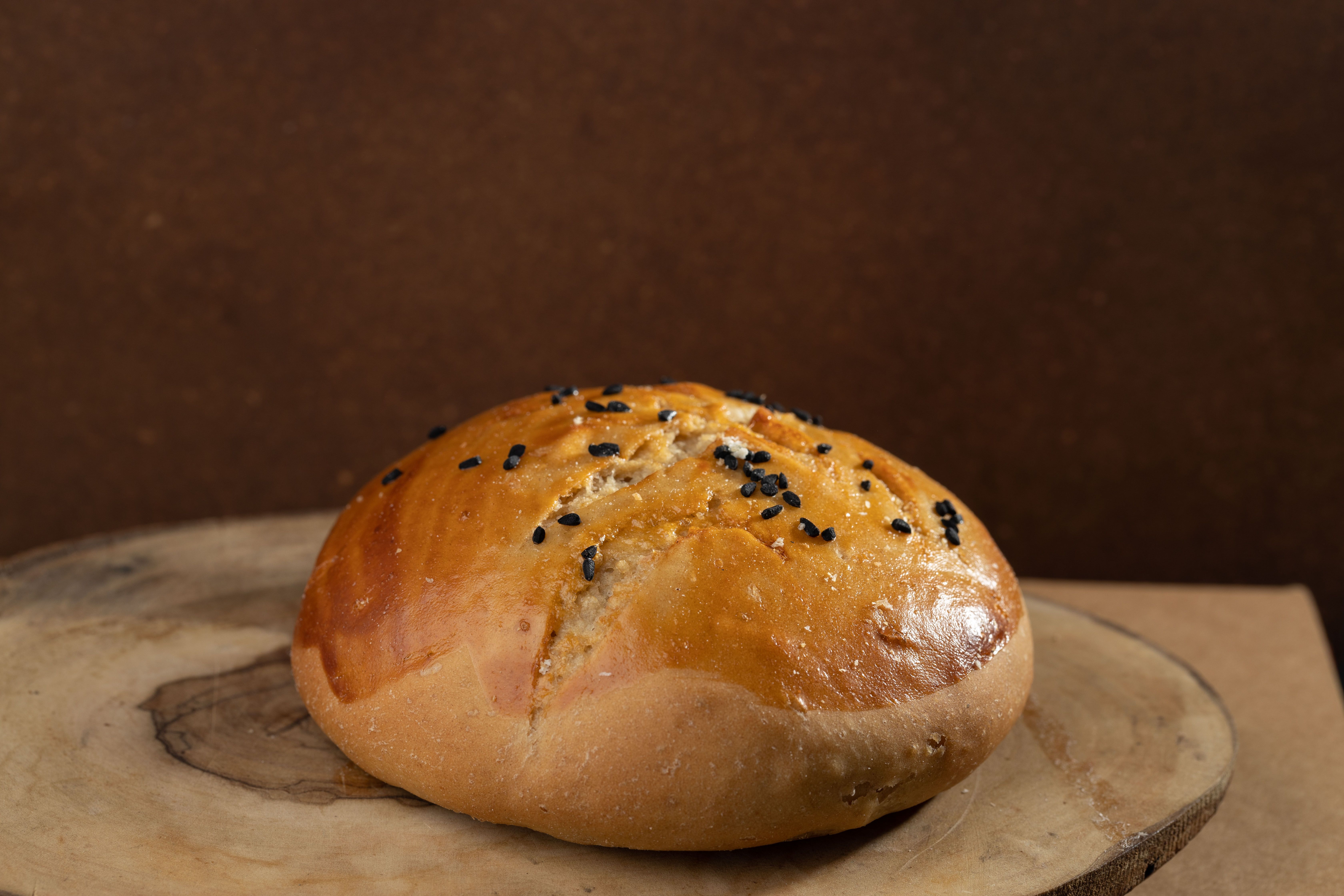
Ambasha is an Ethiopian spiced bread made primarily from wheat flour, with added sugar and yeast. Wheat flour is a high-carb grain that directly violates ketogenic principles, contributing roughly 60-70g of net carbs per 100g. The added sugar compounds the problem further. While niter kibbeh (spiced clarified butter) is keto-friendly, it is a minor component and cannot offset the overwhelming carbohydrate load from the flour and sugar. This dish is fundamentally incompatible with ketosis.
Ambasha is an Ethiopian spiced bread that traditionally contains niter kibbeh, which is a clarified butter infused with spices. Clarified butter is an animal-derived dairy product, making this dish non-vegan. All other ingredients (flour, yeast, sugar, cardamom, fenugreek, salt, water) are plant-based, so the dish could easily be made vegan by substituting niter kibbeh with a plant-based oil or vegan spiced butter alternative, but as listed with traditional niter kibbeh, it must be avoided.
Ambasha is an Ethiopian spiced flatbread that is fundamentally incompatible with the paleo diet. The primary ingredient is wheat flour, a grain that is strictly excluded from paleo. Yeast-leavened bread is a quintessential agricultural-era processed food. Sugar (refined) and added salt are also explicitly excluded paleo foods. Niter kibbeh (Ethiopian spiced clarified butter) is a dairy derivative that is debated in paleo circles, but it is a minor concern here compared to the foundational grain and refined sugar issues. Cardamom and fenugreek are paleo-friendly spices, but they cannot redeem a dish built on non-paleo staples. This dish has no meaningful paleo-compatible pathway.
Ambasha is an Ethiopian spiced bread made primarily from refined white flour, sugar, and niter kibbeh (Ethiopian spiced clarified butter). From a Mediterranean diet perspective, this dish conflicts with core principles on multiple fronts: refined flour is a processed grain lacking fiber and nutrients compared to whole grains; added sugar, even in small amounts, is discouraged; and niter kibbeh is a saturated-fat-heavy clarified butter, whereas extra virgin olive oil is the canonical Mediterranean fat. The spices (cardamom, fenugreek) are positive elements, but they cannot compensate for the problematic base ingredients. Yeast-leavened bread made with whole grain flour and olive oil would be a Mediterranean-compatible alternative.
Some Mediterranean diet interpreters take a broader cultural view, noting that traditional flatbreads and leavened breads have long been part of Mediterranean eating patterns (e.g., pita, focaccia), and occasional consumption of bread — even refined — is not strictly forbidden. If consumed in small portions as a side and the rest of the meal is plant-forward, a more lenient practitioner might rate this 'caution' rather than 'avoid.'
Ambasha is an Ethiopian spiced bread that is entirely plant-based. Its primary ingredient is flour (a grain), which is completely excluded on the carnivore diet. It also contains yeast, sugar, cardamom, and fenugreek — all plant-derived and prohibited. The only animal-derived ingredient is niter kibbeh (Ethiopian spiced clarified butter), but it is a minor component in an otherwise wholly non-carnivore dish. There is unanimous consensus across all carnivore diet tiers that grain-based breads are off the table.
Ambasha is an Ethiopian spiced bread. It contains flour (a grain product) and sugar (added sugar), both of which are explicitly excluded on the Whole30. Furthermore, even if those ingredients were substituted with compliant alternatives, Ambasha is fundamentally a bread — a baked good that falls squarely into the category of foods Whole30 prohibits recreating, regardless of ingredient compliance. Rule 4 explicitly lists bread among the excluded food forms. The inclusion of niter kibbeh (Ethiopian spiced clarified butter) is actually Whole30-compatible as a clarified butter, but it cannot save this dish from its multiple disqualifying components.
Ambasha is a traditional Ethiopian spiced bread made primarily with wheat flour, which is high in fructans — a key FODMAP to avoid during the elimination phase. Wheat flour is the dominant ingredient and fructans cannot be reduced simply by the leavening process (unlike long-fermented sourdough). Niter kibbeh (Ethiopian spiced clarified butter) also typically contains onion, garlic, and other aromatics cooked into the fat. While FODMAPs are water-soluble and don't transfer into fat-based preparations in the same way garlic-infused oil is safe, niter kibbeh is not a pure infused oil — it is a complex spiced butter where solid particulate matter from high-FODMAP aromatics may remain, adding further FODMAP risk. Fenugreek at culinary doses used in spice blends is generally considered low-FODMAP. Cardamom in small culinary amounts is low-FODMAP. Sugar, salt, water, and yeast are low-FODMAP. However, the wheat flour base alone is sufficient to classify this dish as high-FODMAP at any standard bread serving.
Some FODMAP practitioners note that long fermentation with yeast can partially reduce fructan content in wheat breads, but standard Ambasha recipes do not involve extended fermentation times comparable to sourdough, so Monash University's guidance on wheat bread (avoid during elimination) applies. The niter kibbeh component adds uncertainty since it is not a tested item in the Monash database.
Ambasha is a traditional Ethiopian spiced bread made with refined wheat flour, yeast, sugar, aromatic spices, salt, and niter kibbeh (Ethiopian spiced clarified butter). From a DASH perspective, several concerns emerge: (1) Niter kibbeh is a clarified butter product high in saturated fat, which DASH explicitly limits — it acts similarly to butter or ghee; (2) refined white flour lacks the fiber and nutrient density of whole grains emphasized by DASH; (3) added sugar, while modest in this bread, is a component DASH discourages; (4) salt is added, contributing sodium. On the positive side, portions are typically moderate, the spices (cardamom, fenugreek) are beneficial or neutral, and this is not a heavily processed or sodium-dominant food like cured meats or fast food. Fenugreek may even have modest cardiovascular benefits. The dish falls into 'caution' — acceptable occasionally in small portions, but not a DASH staple due to saturated fat from niter kibbeh and refined carbohydrates. A whole-wheat version with reduced butter would score considerably higher.
NIH DASH guidelines clearly limit saturated fat and refined grains, placing niter kibbeh-based breads in a cautionary category. However, some updated DASH-aligned clinicians note that traditional whole-food preparations using clarified butter in modest amounts, combined with beneficial spices like fenugreek, may not meaningfully undermine cardiovascular outcomes when consumed infrequently as part of an otherwise DASH-compliant diet.
Ambasha is a traditional Ethiopian spiced bread made primarily from refined wheat flour with added sugar, leavened with yeast, and enriched with niter kibbeh (spiced clarified butter). From a Zone Diet perspective, this is deeply problematic on multiple fronts. First, refined white flour is a high-glycemic carbohydrate that Sears explicitly classifies as 'unfavorable' — it rapidly spikes blood glucose and insulin, the opposite of Zone's anti-inflammatory goal. Second, added sugar compounds the glycemic load further. Third, niter kibbeh is a saturated fat source (clarified butter), which the Zone Diet discourages in favor of monounsaturated fats like olive oil or avocado. There is no lean protein present, no fiber-rich low-glycemic carbohydrates, and no monounsaturated fat — meaning this food fails all three macronutrient quality criteria simultaneously. While technically one could eat a very small portion and balance it with lean protein and vegetables, the bread's macronutrient profile makes it nearly impossible to use as a Zone block without creating a severely unbalanced meal. The combination of high-glycemic refined carbs, added sugar, and saturated fat places this squarely in 'avoid' territory.
Ambasha is a traditional Ethiopian spiced bread with a mixed anti-inflammatory profile. On the positive side, cardamom and fenugreek are both recognized for anti-inflammatory properties — fenugreek contains anti-inflammatory compounds including flavonoids and saponins, and cardamom has been associated with reduced inflammatory markers in some studies. However, the dish's foundation is refined white flour, which is a refined carbohydrate that spikes blood sugar and can promote inflammatory responses — a key ingredient to limit on anti-inflammatory diets. Niter kibbeh (Ethiopian spiced clarified butter) is a saturated fat that anti-inflammatory frameworks recommend limiting, analogous to regular butter. The added sugar, though likely modest in quantity, adds to the refined carbohydrate load. The spice blend partially offsets these concerns, but the overall profile is dominated by refined starch and saturated fat. This is a culturally important bread best treated as an occasional food rather than a staple in an anti-inflammatory eating pattern.
Some integrative nutrition perspectives note that traditional fermented or yeast-leavened breads — especially when made with whole or less-refined grains — can support gut health and reduce post-meal glucose spikes compared to unleavened refined bread. Additionally, the medicinal spice load in niter kibbeh (often including turmeric, ginger, and cinnamon) may partially counteract the pro-inflammatory effects of the butter base, making this more nuanced than a simple butter comparison.
Ambasha is a traditional Ethiopian spiced bread made primarily from refined wheat flour, sugar, and niter kibbeh (a clarified spiced butter), making it a poor fit for GLP-1 patients on nearly every scoring dimension. It provides negligible protein, minimal fiber (refined flour), and meaningful saturated fat from the niter kibbeh. The sugar content adds empty calories at a time when every calorie must count nutritionally. Refined carbohydrates digest quickly and offer little satiety, which is counterproductive when the goal is to maximize nutrient density per small serving. The spices (cardamom, fenugreek) are benign and even mildly beneficial, but they cannot offset the structural drawbacks of the dish. As a side with no primary protein source, it competes for limited stomach capacity without contributing meaningfully to the 100-120g daily protein target or the 25-30g fiber target. The fat content from niter kibbeh may also worsen GLP-1-related nausea or reflux, particularly in patients still adjusting to the medication.
*See how scores were generated at our methodology page.
Nutritional profile
Six traits that cut across every diet.
Fiber & Plants
How much whole-plant food and fiber it delivers.
Healthy Fats
The quality of its fats (unsaturated, omega-3).
Whole / Unprocessed
How close it is to its natural, unprocessed form.
Gut Gentle
How easy it is on digestion (low FODMAP, few irritants).
Low Glycemic
How little it spikes your blood sugar.
Protein Density
How much protein it packs per calorie.
Controversy Index
Higher controversy = more disagreement between diets.
Diet-Specific Tips
 DASH — 4/10
View tips
- Niter kibbeh (spiced clarified butter) is high in saturated fat, which DASH explicitly limits
- Refined wheat flour lacks the fiber and nutrients of whole grains emphasized by DASH
- Added sugar and salt contribute negatively to DASH compatibility
- Beneficial spices (cardamom, fenugreek) are DASH-neutral or mildly positive
- Not heavily processed or high in sodium like cured/packaged foods
- Portion size is key — small servings are more acceptable than large portions
- Whole-wheat and reduced-butter versions would align better with DASH principles
 Anti-Inflammatory — 4/10
View tips
- Refined white flour is the primary ingredient — a refined carbohydrate linked to blood sugar spikes and inflammatory response
- Niter kibbeh (spiced clarified butter) contributes saturated fat, which anti-inflammatory frameworks recommend limiting
- Fenugreek has documented anti-inflammatory properties including flavonoids and saponins
- Cardamom provides meaningful anti-inflammatory polyphenols and antioxidants
- Added sugar contributes to pro-inflammatory carbohydrate load
- No omega-3 sources, fiber-rich whole grains, or significant antioxidant vegetables present
- Spice-forward preparation partially offsets but does not neutralize the refined flour and saturated fat base