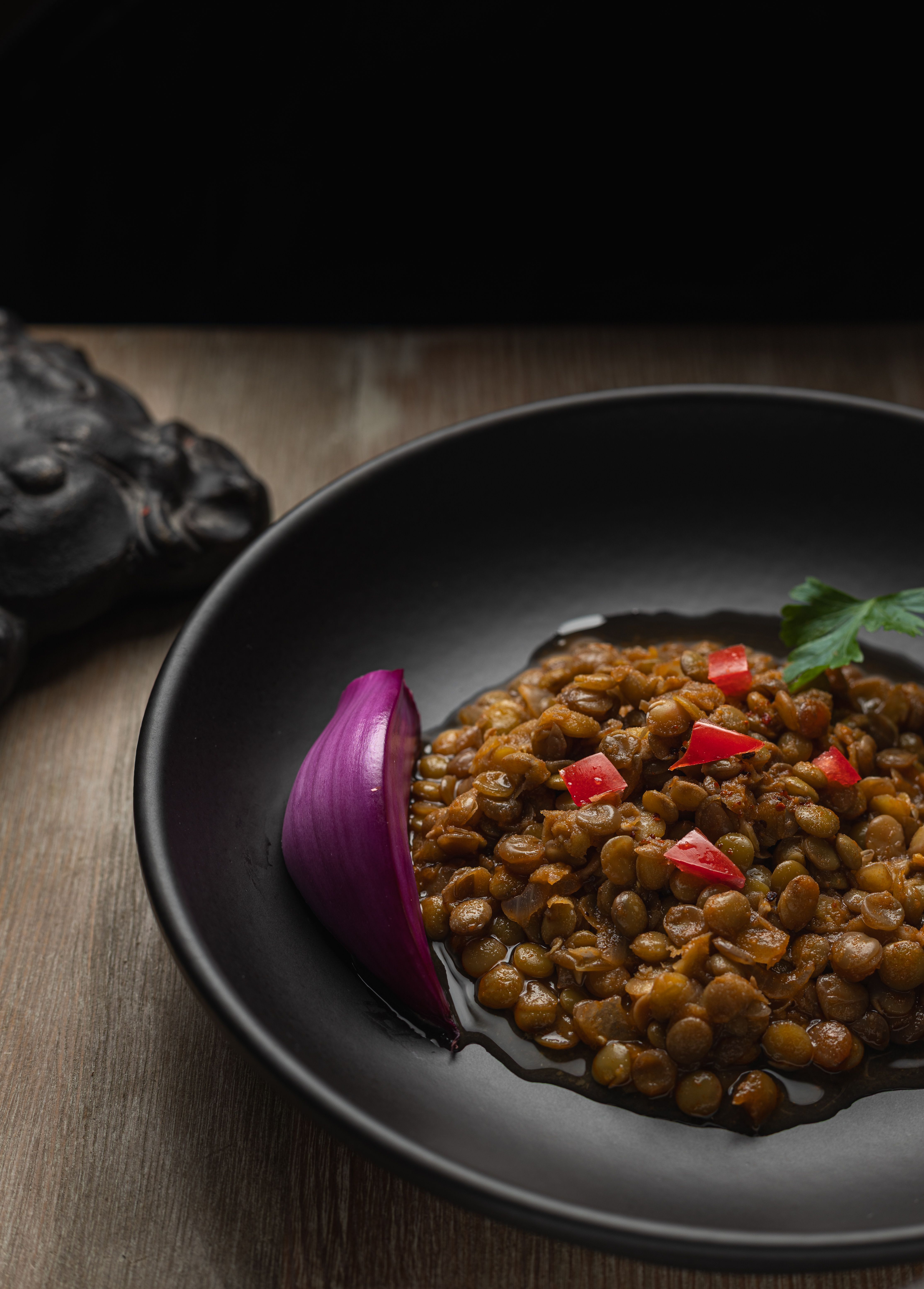
Photo: Vural Yavas / Pexels
Ethiopian
Ful Medames
The diets react (see scores below)
Common Ingredients
- fava beans
- garlic
- tomatoes
- onion
- green chili
- olive oil
- cumin
- lemon
Specific recipes may vary.
Incompatible with 5 of 11 diets
Diet Ratings
Ful Medames is fundamentally incompatible with a ketogenic diet due to fava beans being the primary ingredient. Fava beans are extremely high in net carbohydrates — a single cup of cooked fava beans contains roughly 25-30g of net carbs, which alone can exceed or max out an entire day's keto carb budget. While the supporting ingredients (olive oil, garlic, tomatoes, onion, cumin, lemon) are relatively keto-friendly in small quantities, they cannot offset the massive carb load from the beans. The dish also provides very little fat relative to its carbohydrate content, making its macronutrient profile the inverse of what keto requires. There is no realistic portion size that makes this dish compatible with maintaining ketosis.
Ful Medames is an exemplary whole-food, plant-based dish. Every ingredient — fava beans, garlic, tomatoes, onion, green chili, olive oil, cumin, and lemon — is entirely plant-derived with no animal products or animal-derived ingredients whatsoever. Fava beans provide substantial protein and fiber, making this nutritionally robust. The dish is minimally processed, built around a whole legume as its foundation, and seasoned with whole aromatics and spices. It scores very high on both strict vegan compliance and whole-food plant-based principles. The only minor deduction from a perfect 10 is the inclusion of olive oil, a processed fat, which some whole-food plant-based (WFPB) advocates prefer to minimize or replace with whole food fat sources like tahini or blended nuts.
Ful Medames is built on fava beans, a legume that is explicitly excluded from the Paleolithic diet. Legumes are avoided due to their high content of antinutrients — lectins, phytates, and protease inhibitors — which were largely absent from the Paleolithic diet and are associated with gut irritation and nutrient malabsorption according to paleo doctrine. All other ingredients (garlic, tomatoes, onion, green chili, olive oil, cumin, lemon) are paleo-compliant, but the fava beans are the foundational, primary ingredient of this dish and cannot be omitted or substituted without fundamentally changing the dish. The dish cannot be rescued by its compliant supporting ingredients.
Ful Medames is an exemplary Mediterranean diet dish. Fava beans are a staple legume across the Mediterranean — particularly in Egypt, where ful medames is the national dish and a cornerstone of traditional cuisine. The ingredient list reads like a Mediterranean pantry: extra virgin olive oil as the primary fat, legumes as the protein base, fresh vegetables (tomatoes, onion, garlic, chili), lemon for brightness, and cumin as a traditional spice. The dish is 100% plant-based, minimally processed, high in fiber, protein, and complex carbohydrates, with no refined grains, added sugars, or animal products. Though categorized as Ethiopian cuisine here, ful medames is deeply embedded in Eastern Mediterranean and North African food traditions and fully aligns with Mediterranean dietary principles.
Ful Medames is entirely plant-based and contains zero animal products. Every single ingredient — fava beans, garlic, tomatoes, onion, green chili, olive oil, cumin, and lemon — is explicitly excluded on the carnivore diet. Fava beans are legumes, a category universally rejected by all carnivore practitioners due to their antinutrient content (lectins, phytates, oxalates). The dish also contains plant oils (olive oil), vegetables, spices, and citrus, all of which violate carnivore principles at every tier, including the most lenient 'animal-based' approach. There is no animal-derived component whatsoever to salvage any partial compatibility.
Ful Medames is built on fava beans, which are legumes. Legumes are explicitly excluded on the Whole30 program for the full 30 days. Unlike green beans, sugar snap peas, and snow peas — which are the only legume exceptions the program grants — fava beans are a true legume (seed of the pod) and receive no exception. All other ingredients (garlic, tomatoes, onion, green chili, olive oil, cumin, lemon) are fully Whole30-compliant, but the fava beans as the primary protein and structural base of the dish make this incompatible with the program.
Ful Medames is fundamentally incompatible with the low-FODMAP elimination diet due to multiple high-FODMAP ingredients at standard serving sizes. Fava beans (broad beans) are very high in GOS (galacto-oligosaccharides) and fructans — even a small 40g serving exceeds safe FODMAP thresholds per Monash University, and a standard breakfast portion would be far larger. Garlic is one of the highest-FODMAP foods known, rich in fructans, and is a core flavoring in this dish. Onion is similarly extremely high in fructans and is another foundational ingredient. These three ingredients alone — fava beans, garlic, and onion — make this dish firmly in the 'avoid' category with no reasonable portion modification that would render it low-FODMAP while still resembling the dish. The remaining ingredients (tomatoes at standard serving, olive oil, cumin, lemon, green chili) are generally low-FODMAP and not problematic, but they cannot offset the major FODMAP load from the primary ingredients.
Ful Medames is an excellent DASH-aligned dish. Fava beans are a DASH-emphasized legume rich in fiber, potassium, magnesium, and plant-based protein — all nutrients the DASH diet prioritizes. The remaining ingredients (garlic, tomatoes, onion, green chili, olive oil, cumin, lemon) are vegetables, a heart-healthy unsaturated fat, and spices/acids — all fully compatible with DASH principles. Olive oil is explicitly preferred over saturated fats in DASH. The dish contains no added sodium beyond what may naturally occur in the beans (home-cooked or low-sodium canned fava beans keep sodium minimal), no saturated fat, no added sugar, and no processed ingredients. The lemon and cumin add flavor without sodium, supporting the DASH strategy of using herbs and acids instead of salt. This dish exemplifies DASH's encouragement of legumes (4-5 servings/week), vegetables, and healthy fats. The only minor caution is that canned fava beans can be high in sodium — preparation from dried beans or use of low-sodium canned beans is recommended to keep sodium within DASH targets.
Ful Medames is a nutritionally dense dish that aligns reasonably well with Zone principles but requires careful portioning and macro balancing. Fava beans serve as both the protein and carbohydrate source — a common challenge in Zone for legume-based meals. They provide moderate protein (~7g per 1/2 cup) and a significant carbohydrate load (~20g net carbs per 1/2 cup), meaning they count toward both protein and carb blocks simultaneously. The glycemic index of fava beans is moderate (around 40-50), making them more favorable than high-GI carbs but less ideal than non-starchy vegetables. The olive oil is an excellent monounsaturated fat choice perfectly aligned with Zone fat recommendations. Tomatoes, onion, garlic, and lemon are all favorable low-glycemic carb contributors with anti-inflammatory polyphenol benefits. Cumin adds anti-inflammatory value. The main Zone challenge is that fava beans as the primary protein source don't deliver lean protein as efficiently as animal proteins — to hit 25g protein per meal, the carbohydrate load becomes substantial (~60-70g), making the 40/30/30 ratio hard to achieve without supplementing with lean animal protein or significantly reducing portion size. A practical Zone approach would pair a smaller serving of ful with additional lean protein (egg whites, for example) and ensure the olive oil portion stays within 1-2 fat blocks.
Some Zone practitioners and Sears' later works (The OmegaRx Zone, The Mediterranean Zone) show greater acceptance of legumes as favorable Zone foods due to their high fiber, low glycemic load, and polyphenol content. From this perspective, fava beans' net carb impact is mitigated by their fiber, and their protein content — while not as efficient as animal protein — is still functional within Zone blocks. Mediterranean Zone adherents may rate this dish more favorably (score 7) given its strong alignment with anti-inflammatory, polyphenol-rich eating patterns.
Ful Medames is an exemplary anti-inflammatory dish. Fava beans are rich in fiber, plant protein, folate, and polyphenols that support gut health and reduce inflammatory markers. Garlic contains allicin and organosulfur compounds with well-documented anti-inflammatory and immunomodulatory effects. Tomatoes and green chili contribute lycopene, vitamin C, and capsaicin — all associated with reduced oxidative stress and inflammation. Olive oil provides oleocanthal and monounsaturated fats that mirror ibuprofen-like COX inhibition. Cumin offers antioxidant flavonoids, and lemon juice provides vitamin C that enhances iron absorption from the fava beans while adding anti-inflammatory polyphenols. Onion contributes quercetin, one of the most studied anti-inflammatory flavonoids. The dish is entirely plant-based, contains no refined carbohydrates, added sugars, or pro-inflammatory oils, and aligns closely with the priorities of the Anti-Inflammatory Food Pyramid across multiple food categories simultaneously — legumes, colorful vegetables, herbs and spices, and extra virgin olive oil.
Ful Medames is a strong GLP-1-friendly breakfast overall. Fava beans are the nutritional anchor: they deliver meaningful plant protein (roughly 13g per cup cooked), are exceptionally high in fiber (~9g per cup), and are low in fat. The dish is inherently nutrient-dense per calorie, works well in small portions, and the tomatoes and lemon juice add hydration and micronutrients without empty calories. Olive oil contributes heart-healthy unsaturated fat and is used in modest amounts in a standard preparation. Garlic, cumin, and onion are well-tolerated flavor builders at normal serving sizes. The one caution flag is the green chili: even a small amount of chili can worsen nausea or reflux in GLP-1 patients with active GI side effects, given the slowed gastric emptying that keeps irritants in contact with the stomach lining longer. A standard serving also delivers only moderate protein for a GLP-1 patient's 15-30g per meal target — pairing with a egg or a small portion of cottage cheese would help close that gap. The score is a 7 rather than 8-9 because of the spice concern and the protein ceiling of beans eaten alone.
Some GLP-1-focused dietitians are enthusiastic about legume-based breakfasts like ful medames as a fiber-and-protein vehicle that supports satiety and gut motility, and would score this higher. Others flag that any chili pepper ingredient — even mild green chili — introduces unpredictable GI risk on GLP-1s, particularly in the early dose-escalation phase, and would recommend requesting it omitted or substituted before rating the dish approvable without caveat.
*See how scores were generated at our methodology page.
Nutritional profile
Six traits that cut across every diet.
Fiber & Plants
How much whole-plant food and fiber it delivers.
Healthy Fats
The quality of its fats (unsaturated, omega-3).
Whole / Unprocessed
How close it is to its natural, unprocessed form.
Gut Gentle
How easy it is on digestion (low FODMAP, few irritants).
Low Glycemic
How little it spikes your blood sugar.
Protein Density
How much protein it packs per calorie.
Controversy Index
Higher controversy = more disagreement between diets.
Diet-Specific Tips
 Vegan — 9/10
View tips
- Fava beans are 100% plant-based and a high-quality whole-food protein source
- All aromatics (garlic, onion, tomatoes, green chili) are unambiguously plant-derived
- Cumin and lemon are plant-based spices/fruits with no animal concerns
- Olive oil is plant-derived and vegan-compliant, though strict WFPB advocates prefer whole-food fats
- No animal products, dairy, eggs, or animal-derived additives present
- Dish is minimally processed and nutritionally dense — ideal for vegan whole-food eating
 Mediterranean — 9/10
View tips
- Fava beans are a traditional Mediterranean legume, especially prominent in Egyptian and Levantine diets
- Extra virgin olive oil is the sole fat source — ideal for Mediterranean eating
- All-plant ingredient list with vegetables, legumes, and aromatics
- No processed ingredients, refined grains, or added sugars
- High fiber and plant protein content strongly encouraged by Mediterranean diet guidelines
- Lemon and cumin add flavor without relying on salt or unhealthy additives
- Dish has deep historical roots in Eastern Mediterranean and North African cuisine
 DASH — 8/10
View tips
- Fava beans are a DASH-emphasized legume high in fiber, potassium, and magnesium
- No saturated fat, added sugar, or processed ingredients
- Olive oil is a DASH-preferred heart-healthy fat
- Lemon and cumin provide flavor without added sodium — aligned with DASH salt-reduction strategy
- Tomatoes, onion, and garlic add additional potassium and micronutrients
- Sodium risk if canned fava beans used — dried or low-sodium canned beans strongly preferred
- Excellent plant-based protein source supporting DASH protein goals
 Zone — 6/10
View tips
- Fava beans serve dual role as both protein and carbohydrate block, complicating Zone ratio balancing
- Moderate glycemic index of fava beans (~40-50) — unfavorable compared to vegetables but better than high-GI carbs
- Olive oil is an ideal Zone monounsaturated fat source
- Tomatoes, onion, garlic, lemon, and cumin are all favorable low-glycemic, anti-inflammatory Zone ingredients
- High fiber content of fava beans reduces net carb impact, supporting Zone compatibility
- Supplementing with lean animal protein (e.g., egg whites) would significantly improve Zone balance
- Strong anti-inflammatory and polyphenol profile aligns with Sears' broader wellness framework
 Anti-Inflammatory — 9/10
View tips
- Fava beans: high fiber, polyphenols, and plant protein with anti-inflammatory properties
- Garlic: allicin and organosulfur compounds reduce inflammatory cytokines
- Olive oil: oleocanthal mimics COX-inhibiting anti-inflammatory action
- Cumin: antioxidant flavonoids support reduced oxidative stress
- Tomatoes and green chili: lycopene, vitamin C, and capsaicin reduce inflammation
- Onion: quercetin is one of the most studied anti-inflammatory flavonoids
- Lemon juice: vitamin C boosts iron absorption and contributes polyphenols
- No refined carbs, added sugars, trans fats, or pro-inflammatory oils
 GLP-1 Friendly — 7/10
View tips
- Fava beans provide ~13g plant protein and ~9g fiber per cup — strong dual contribution
- High fiber content directly addresses constipation, a primary GLP-1 side effect
- Low fat profile from beans; olive oil quantity is modest in standard preparation
- Green chili is a reflux and nausea risk given slowed gastric emptying on GLP-1 medications
- Protein per meal target (15-30g) may fall short when eaten alone — pairing recommended
- Tomatoes and lemon juice contribute hydration and micronutrients with minimal calories
- Small-portion friendly: satisfying in a 3/4-cup serving, appropriate for reduced appetite
- Whole food, minimally processed — aligns with nutrient density priority