Photo: Matheus Bertelli / Pexels
The diets react (see scores below)
Common Ingredients
- barley flour
- niter kibbeh
- berbere
- water
- salt
Specific recipes may vary.
Incompatible with 7 of 11 diets
Diet Ratings
Genfo is a thick porridge made primarily from barley flour, which is a grain with extremely high net carbs. A single serving of barley flour contains roughly 60-70g of net carbs per 100g, making even a modest portion of Genfo capable of exceeding the entire daily keto carb limit in one meal. While niter kibbeh (spiced clarified butter) and berbere spice blend are keto-friendly components, they cannot offset the dominant barley flour base. This dish is fundamentally incompatible with ketosis.
Genfo is a traditional Ethiopian porridge made from barley flour, which is inherently plant-based. However, this recipe includes niter kibbeh, which is a spiced clarified butter (ghee) made from cow's milk — a direct animal-derived dairy product. This makes the dish non-vegan. The remaining ingredients (berbere spice blend, water, salt) are entirely plant-based. A vegan version of genfo could be made by substituting niter kibbeh with a plant-based oil or vegan spiced butter.
Genfo is a thick Ethiopian porridge made primarily from barley flour, which is a grain and a clear violation of paleo principles across all major paleo authorities. Grains are excluded from the paleo diet due to their anti-nutrient content (lectins, phytates, gluten) and their absence from the Paleolithic diet. Additionally, salt is excluded from strict paleo, and niter kibbeh — a spiced clarified butter — contains dairy derivatives that are debated or excluded depending on the paleo framework. Berbere spice blend is generally paleo-friendly, but the foundational ingredient (barley flour) makes this dish firmly non-paleo regardless of the other components.
Genfo is an Ethiopian porridge made from barley flour, which is a whole grain and aligns well with Mediterranean diet principles. Barley is actually a staple grain in some traditional Mediterranean cuisines (e.g., Crete) and is rich in fiber and nutrients. However, the dish is centered on niter kibbeh — a spiced clarified butter — as its primary fat source, which diverges from the Mediterranean emphasis on extra virgin olive oil as the canonical fat. Clarified butter is a saturated fat, which Mediterranean guidelines generally discourage in favor of unsaturated plant-based fats. Berbere spice blend is plant-based and nutritionally neutral. Overall, the whole grain base earns points, but the saturated fat from niter kibbeh tempers enthusiasm, placing this dish in the 'acceptable in moderation' category.
Some Mediterranean diet researchers acknowledge regional fat traditions and argue that clarified butter used in modest quantities alongside a high-fiber whole grain base is acceptable, similar to how butter appears occasionally in North African and Eastern Mediterranean cuisines. Modern clinical interpretations, however, consistently prioritize olive oil and would flag niter kibbeh as a less desirable fat choice.
Genfo is a traditional Ethiopian porridge made primarily from barley flour, which is a grain and therefore strictly prohibited on the carnivore diet. The dish is essentially a plant-based porridge with no animal protein. While niter kibbeh (Ethiopian spiced clarified butter) is an animal-derived fat, it is used only as a topping and contains berbere spice blend — itself a plant-based spice mix. Berbere is excluded on strict carnivore. The base of the dish, barley flour, is a carbohydrate-dense grain that is fundamentally incompatible with carnivore principles. There is universal consensus in the carnivore community that grains of any kind are off-limits.
Genfo is an Ethiopian porridge made primarily from barley flour, which is a grain — a category explicitly excluded on Whole30. Barley is a gluten-containing grain and is unambiguously off-limits during the 30-day program. While the other ingredients are largely compliant (niter kibbeh is a spiced clarified butter analogous to ghee and is generally considered Whole30-compatible, berbere spice blend is typically compliant, salt and water are fine), the foundational ingredient — barley flour — makes this dish a clear avoid. Additionally, genfo is essentially a porridge, which falls into the spirit-of-the-program concern around grain-based comfort foods, but the primary disqualifier is simply that barley is a prohibited grain.
Genfo is a thick Ethiopian porridge made primarily from barley flour, which is high in fructans — a key FODMAP that must be avoided during the elimination phase. Barley contains significant fructan levels at standard serving sizes, making it a high-FODMAP grain per Monash University guidelines. The other ingredients are more FODMAP-friendly: niter kibbeh (Ethiopian spiced clarified butter) is essentially a clarified butter/ghee-style fat, which is low-FODMAP as lactose is removed during clarification; berbere spice blend may contain small amounts of onion and garlic powder, which are high-FODMAP even in small quantities as spice blends often concentrate these; water and salt are FODMAP-free. The primary issue is barley flour as the main structural ingredient — it cannot be consumed in only a trace amount, so the fructan load in a standard bowl of genfo would be substantial and problematic during elimination. Berbere as a secondary concern adds additional fructan/FODMAP risk from onion/garlic powder typically present in the blend.
Monash University has not specifically tested barley flour porridge in this preparation; some practitioners note that the fructan content of barley can vary by variety and processing, and a very small portion might theoretically be tolerable for some individuals. However, given that barley flour is the foundational ingredient and standard servings would be large, most clinical FODMAP dietitians would advise avoiding this dish entirely during the elimination phase.
Genfo is an Ethiopian porridge made primarily from barley flour, which is a whole grain and genuinely DASH-friendly — high in fiber, magnesium, and potassium. However, the dish is traditionally served with a well of niter kibbeh (Ethiopian spiced clarified butter) at the center, which is high in saturated fat and thus runs counter to DASH's emphasis on limiting saturated fat and using low-fat dairy. Berbere spice blend contributes bold flavor but also adds moderate sodium, and additional salt further increases the sodium load. The barley base earns strong marks, but the saturated fat from niter kibbeh and combined sodium from salt and berbere pull the score down. With modest portions of niter kibbeh and reduced salt, this dish could score higher.
NIH DASH guidelines clearly restrict saturated fat and emphasize low-fat dairy, placing niter kibbeh (clarified spiced butter) in the 'limit' category. However, some updated clinical interpretations note that recent meta-analyses have questioned whether dairy saturated fat carries the same cardiovascular risk as animal meat saturated fat, and a small serving of niter kibbeh in an otherwise whole-grain, plant-forward meal may be acceptable in a broader DASH-compatible dietary pattern.
Genfo is a thick Ethiopian porridge made primarily from barley flour, topped with niter kibbeh (spiced clarified butter) and berbere spice. From a Zone perspective, this dish has significant structural problems. First, it is essentially all carbohydrate (barley flour) with fat (niter kibbeh) and virtually no protein — the macronutrient ratio is wildly imbalanced relative to the 40/30/30 Zone target. Barley itself is a more favorable grain than wheat or white rice due to its high beta-glucan fiber content and moderate glycemic index, which is a mild Zone positive. However, the dish as served is protein-free, making it impossible to constitute a Zone-balanced meal on its own. Niter kibbeh is clarified butter heavily laden with saturated fat, which the Zone discourages in favor of monounsaturated fats. The berbere spice blend contributes polyphenols, which aligns with Sears' anti-inflammatory emphasis. As a standalone breakfast, Genfo would spike insulin response (despite barley's moderate GI) due to the absence of protein to modulate the hormonal response — a core Zone concern. To even partially Zone-balance this dish, a significant lean protein source would need to be added and the niter kibbeh reduced or substituted with a monounsaturated fat. Scoring at 3 because while barley has some Zone-favorable properties, the complete absence of protein, high saturated fat content, and carb-dominant structure make this extremely difficult to fit into Zone methodology.
Some Zone practitioners might argue that barley's notably low glycemic index (GI ~28 for pearl barley) and very high soluble fiber content make it one of the more 'favorable' grains in Zone terminology, and that Genfo could score higher if paired with a protein source. Dr. Sears' later writings (The OmegaRx Zone, The Mediterranean Zone) place increasing emphasis on polyphenols and anti-inflammatory foods — berbere spice contains significant polyphenolic compounds that align with this evolved framework. A more generous reading might score the dish at 4-5 with the caveat that protein must be added.
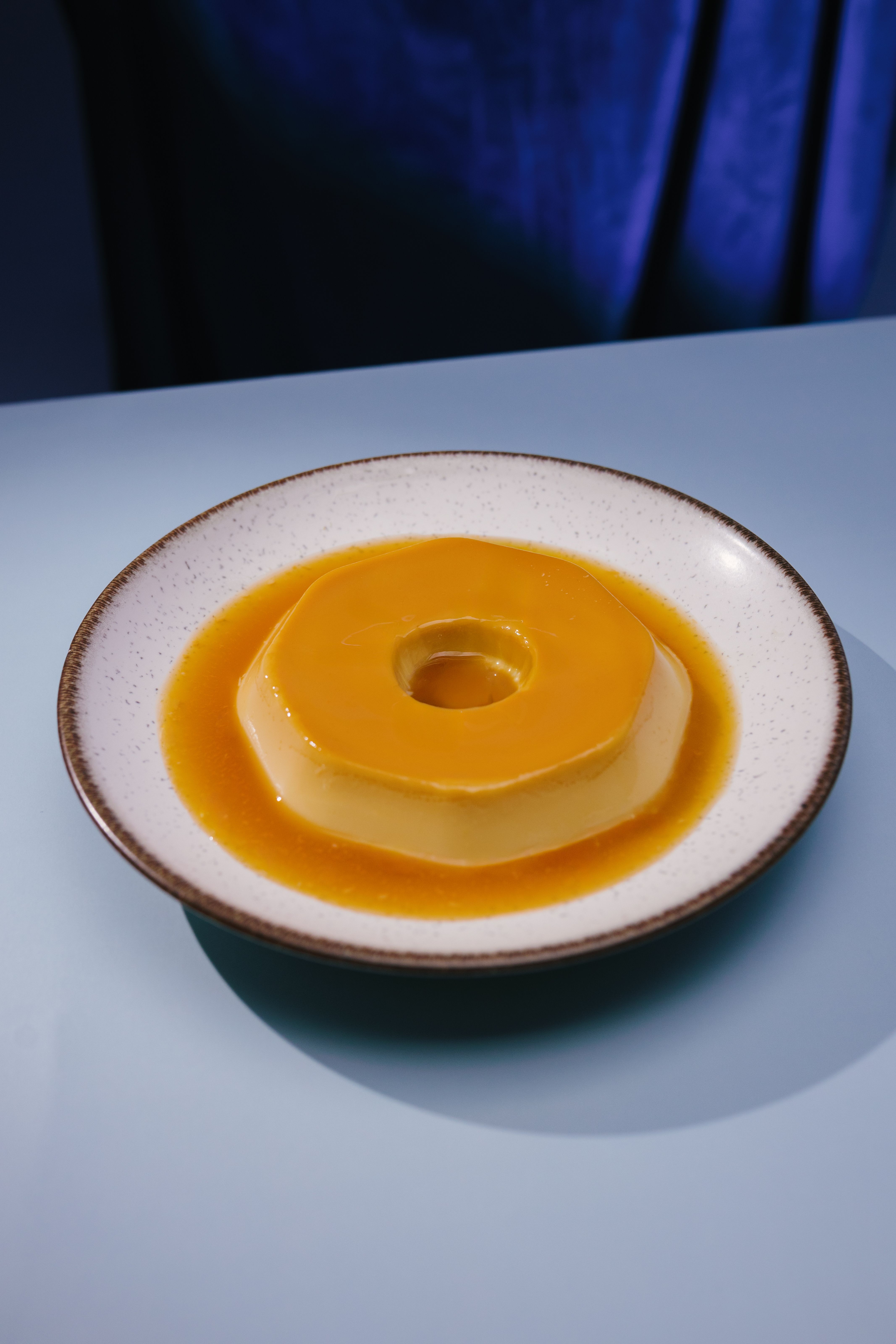
Genfo is a traditional Ethiopian porridge made from barley flour, shaped into a mound with a well filled with niter kibbeh (spiced clarified butter) and berbere spice blend. The dish presents a genuinely mixed anti-inflammatory profile. On the positive side, barley is a whole grain rich in beta-glucan fiber, which has documented anti-inflammatory and cholesterol-lowering effects and is emphasized in anti-inflammatory dietary frameworks. Berbere is a potent spice blend typically containing chili peppers, fenugreek, coriander, ginger, turmeric, black pepper, and other anti-inflammatory spices — making it a significant anti-inflammatory asset. The concern lies primarily with niter kibbeh, which is a spiced clarified butter (ghee) and thus high in saturated fat. Butter and full-fat dairy fat are categorized as 'limit' items in anti-inflammatory frameworks due to their saturated fat content potentially promoting inflammatory pathways. However, niter kibbeh is used as a topping/condiment rather than a base, so the actual quantity consumed may be modest, and the spice infusion (onion, garlic, ginger, turmeric, cardamom) adds some anti-inflammatory value. The net result is a dish with genuinely beneficial components (barley, berbere) offset by a meaningful saturated fat contribution from the clarified butter. This places Genfo firmly in the moderate/caution category — better than refined grain porridges with no anti-inflammatory components, but not approvable due to the saturated fat load.
Some anti-inflammatory researchers and ancestral health advocates, including those influenced by Weston A. Price principles, argue that traditional clarified butter like ghee and niter kibbeh is rich in fat-soluble vitamins (A, D, K2) and butyrate, a short-chain fatty acid with documented anti-inflammatory effects on the gut lining — suggesting the saturated fat concern may be overstated for traditional, unprocessed forms. Conversely, mainstream anti-inflammatory frameworks (Dr. Weil's pyramid, the IF Rating system) consistently categorize butter and full-fat dairy fat as foods to limit due to their saturated fatty acid content and association with elevated inflammatory markers in large epidemiological studies.
Genfo is a thick Ethiopian porridge made from barley flour, heavily dressed with niter kibbeh (a spiced clarified butter) pooled in the center, and seasoned with berbere spice blend. For GLP-1 patients, this dish presents multiple compounding problems. First, it contains virtually no protein — barley flour provides only trace amounts, and there is no listed protein source, making it nearly impossible to meet the 15-30g per-meal protein target. Second, niter kibbeh is a saturated fat-dominant ingredient used in a significant quantity as the primary topping; high dietary fat worsens GLP-1 side effects including nausea, bloating, and delayed gastric emptying, which is already prolonged by the medication. Third, berbere is a relatively spicy and aromatic spice blend that may trigger or worsen reflux and nausea in GLP-1 patients with heightened GI sensitivity. Fourth, while barley does offer meaningful fiber compared to refined grains, the overall nutritional profile is dominated by refined carbohydrates and saturated fat with negligible protein, making it a poor use of limited caloric capacity. The dish is not fried, and barley has a modest glycemic and fiber advantage over white flour porridges, which prevents a score of 1, but the combination of high saturated fat, zero protein, and spice load make it a poor fit for GLP-1 dietary goals.
Some GLP-1-focused dietitians may note that barley has a lower glycemic index than wheat or rice porridges and provides modest soluble fiber (beta-glucan), which supports blood sugar stability and gut health — two relevant goals for this population. The dish could theoretically be modified by substituting niter kibbeh with a small amount of olive oil and adding a protein source such as a boiled egg, which would substantially improve its rating; however, as traditionally prepared, it does not meet GLP-1 dietary priorities.
*See how scores were generated at our methodology page.
Nutritional profile
Six traits that cut across every diet.
Fiber & Plants
How much whole-plant food and fiber it delivers.
Healthy Fats
The quality of its fats (unsaturated, omega-3).
Whole / Unprocessed
How close it is to its natural, unprocessed form.
Gut Gentle
How easy it is on digestion (low FODMAP, few irritants).
Low Glycemic
How little it spikes your blood sugar.
Protein Density
How much protein it packs per calorie.
Controversy Index
Higher controversy = more disagreement between diets.
Diet-Specific Tips
 Mediterranean — 5/10
View tips
- Barley flour is a whole grain with high fiber content, well-regarded in Mediterranean dietary patterns
- Niter kibbeh (spiced clarified butter) is a saturated fat inconsistent with the Mediterranean principle of olive oil as the primary fat
- No olive oil present in the dish
- Berbere spice is plant-based and contributes antioxidant compounds
- No processed ingredients, added sugars, or refined grains
- Dish is plant-forward with no animal protein, which is a positive attribute
 DASH — 4/10
View tips
- Barley flour is a whole grain rich in fiber, potassium, and magnesium — strongly DASH-aligned
- Niter kibbeh (spiced clarified butter) is high in saturated fat, which DASH diet limits
- Berbere spice blend adds moderate sodium
- Added salt increases total sodium load — relevant for both standard and low-sodium DASH targets
- No lean protein or vegetables present, limiting overall DASH nutritional profile
- Reducing niter kibbeh quantity and salt would meaningfully improve DASH compatibility
 Zone — 5/10
View tips
- Zero protein content — critically violates the 40/30/30 Zone ratio requirement
- Barley flour is a relatively favorable grain carbohydrate due to high beta-glucan fiber and moderate glycemic index
- Niter kibbeh (spiced clarified butter) is high in saturated fat, which Zone discourages in favor of monounsaturated fats
- No lean protein source present — cannot form a Zone block meal without significant additions
- Berbere spice contributes anti-inflammatory polyphenols, a positive in Sears' later methodology
- As a standalone breakfast, this dish would produce an unmodulated insulin response due to carb-fat-only macronutrient profile
- Dish is not Zone-compatible as served; would require structural additions to approach Zone balance
 Anti-Inflammatory — 5/10
View tips
- Barley flour: whole grain with high beta-glucan fiber content — anti-inflammatory and gut-health promoting
- Berbere spice blend: contains turmeric, ginger, chili, fenugreek, coriander — strong anti-inflammatory spice profile
- Niter kibbeh (spiced clarified butter): high in saturated fat — categorized as 'limit' in anti-inflammatory frameworks
- No protein source, no omega-3 fatty acids, no colorful vegetables — anti-inflammatory profile is incomplete
- Traditional preparation means no processed additives, trans fats, or refined sugars — a baseline positive
- Portion of niter kibbeh used as a topping may be modest, somewhat mitigating saturated fat impact