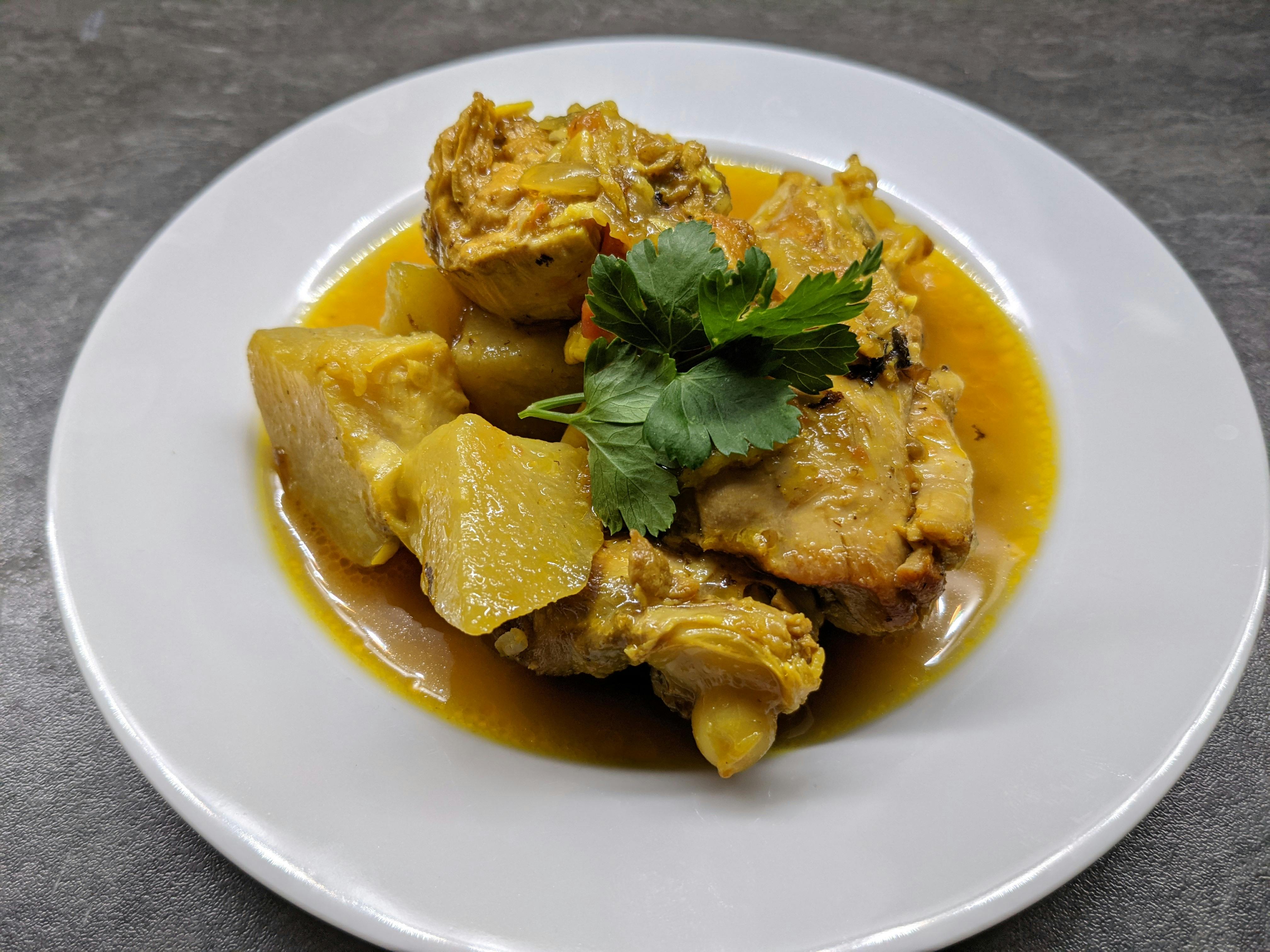
Photo: laurent planson crequer / Pexels
Ethiopian
Tikil Gomen
The diets react (see scores below)
Common Ingredients
- cabbage
- potatoes
- carrots
- onion
- garlic
- ginger
- turmeric
- vegetable oil
Specific recipes may vary.
Incompatible with 4 of 11 diets
Diet Ratings
Tikil Gomen is fundamentally incompatible with ketogenic diets due to its core ingredients. Potatoes are a high-starch vegetable with roughly 15-17g net carbs per 100g, and even a modest serving would blow past a significant portion of the daily keto carb budget. Carrots add additional net carbs (~7g per 100g). Combined with onion (~8g net carbs per 100g), a standard serving of this dish could easily deliver 30-50g+ of net carbs, potentially exceeding the entire daily keto limit in one side dish. While cabbage, garlic, ginger, and the spices are keto-friendly, the potatoes are the dominant ingredient and cannot be portioned down enough to make this dish viable without fundamentally changing the recipe.
Tikil Gomen is a traditional Ethiopian spiced cabbage and vegetable dish composed entirely of whole plant foods. Every ingredient — cabbage, potatoes, carrots, onion, garlic, ginger, turmeric, and vegetable oil — is fully plant-based with no animal products or animal-derived ingredients. It is minimally processed, nutrient-dense, and a staple of Ethiopian cuisine that is naturally vegan. The only minor consideration is the vegetable oil, which is refined/processed, but this does not affect its vegan status and is standard in cooking. This dish scores very highly on both vegan compliance and whole-food quality.
Tikil Gomen contains two significant paleo concerns: white potatoes and vegetable oil. Vegetable oil is a clear avoid under paleo rules — it is a processed seed/vegetable oil excluded across virtually all paleo frameworks. White potatoes occupy a debated gray area, but The Paleo Diet's official guidance discourages them. The remaining ingredients — cabbage, carrots, onion, garlic, ginger, and turmeric — are all paleo-approved vegetables and spices. However, the combination of the non-paleo oil and the contested potatoes tips the dish into avoid territory. If the vegetable oil were replaced with coconut oil, olive oil, or avocado oil and potatoes were swapped for sweet potatoes, the dish could easily reach caution or approve status.
Mark Sisson and the Whole30 program include white potatoes as acceptable, and some modern paleo practitioners would consider this dish salvageable with an oil swap. If vegetable oil is assumed to be a neutral cooking oil rather than a seed oil specifically, a more lenient paleo interpretation might rate this as caution rather than avoid.
Tikil Gomen is a vegetable-forward Ethiopian stew featuring cabbage, carrots, potatoes, onion, garlic, and ginger — all whole, plant-based ingredients that align strongly with Mediterranean diet principles. The dish is high in fiber, micronutrients, and antioxidants. The main caveat is the use of vegetable oil rather than extra virgin olive oil, which is the preferred fat in the Mediterranean diet. If prepared with olive oil, this would score even higher. Potatoes are a starchy ingredient but are whole and unprocessed, fitting well within Mediterranean eating. The spices (turmeric, ginger, garlic) offer anti-inflammatory benefits consistent with Mediterranean dietary values.
Some strict Mediterranean diet interpretations might slightly downgrade this dish due to the use of generic vegetable oil (potentially refined seed oils like sunflower or canola) rather than extra virgin olive oil, which is the canonical fat source. Substituting olive oil would fully align this dish with core Mediterranean principles.
Tikil Gomen is entirely plant-based, containing no animal products whatsoever. Every single ingredient — cabbage, potatoes, carrots, onion, garlic, ginger, turmeric, and vegetable oil — is explicitly excluded from the carnivore diet. Plant vegetables are forbidden, plant-derived oils (vegetable oil) are forbidden, and plant spices (turmeric, ginger, garlic) are forbidden. There is no ambiguity here; this dish is 100% incompatible with the carnivore diet at every level of strictness, from the most lenient practitioner to the strictest Lion Diet adherent.
Tikil Gomen is an Ethiopian spiced cabbage and vegetable dish made entirely from whole, unprocessed, Whole30-compliant ingredients. Cabbage, potatoes, carrots, onion, garlic, and ginger are all vegetables explicitly allowed on Whole30. Turmeric is a compliant spice, and vegetable oil (such as olive oil or coconut oil) is an allowed natural fat. There are no excluded ingredients — no grains, legumes, dairy, added sugars, alcohol, or other disqualifying substances. This dish aligns well with the Whole30 philosophy of eating whole, minimally processed foods.
Tikil Gomen contains three high-FODMAP ingredients that make it unsuitable during the elimination phase: onion (high in fructans at any cooking amount), garlic (high in fructans even in small quantities), and cabbage (high in fructans at typical serving sizes of 75g or more). Potatoes and carrots are low-FODMAP, ginger is low-FODMAP in small amounts, turmeric and vegetable oil are safe. However, onion and garlic are among the highest-FODMAP foods and are foundational flavor ingredients in this dish — they cannot be reduced to safe levels without fundamentally changing the recipe. Cabbage compounds the issue further. This dish is not suitable during the FODMAP elimination phase as traditionally prepared.
Tikil Gomen is an Ethiopian spiced cabbage and vegetable dish composed almost entirely of DASH-friendly whole foods. Cabbage, carrots, and onion are non-starchy vegetables rich in potassium, fiber, and micronutrients. Potatoes contribute potassium and fiber, aligning well with DASH goals. Garlic, ginger, and turmeric are anti-inflammatory spices with no sodium or saturated fat concerns. Vegetable oil (likely canola or similar neutral oil) is acceptable within DASH guidelines as a healthy unsaturated fat. The dish is naturally low in sodium, contains no red meat, no added sugar, no full-fat dairy, and no tropical oils. The primary consideration is portion size of potatoes (starchy vegetable) and the amount of vegetable oil used in cooking — modest oil use keeps this dish firmly in the approve range. Overall, this dish exemplifies DASH principles: plant-forward, vegetable-rich, low-sodium, and free of saturated fat.
Tikil Gomen is a vegetable-forward Ethiopian dish, which aligns with Zone's emphasis on vegetables and anti-inflammatory ingredients like turmeric, garlic, and ginger. However, it has two significant Zone concerns: (1) Potatoes are explicitly listed as an 'unfavorable' high-glycemic carbohydrate in Dr. Sears' Zone system — they raise blood sugar quickly and are one of the few vegetables Sears specifically discourages. (2) The dish contains no protein, making it impossible to form a Zone-balanced meal on its own. The remaining vegetables (cabbage, carrots, onion) are favorable low-glycemic Zone carbs. The vegetable oil is unspecified — if it's a seed oil (corn, sunflower), it conflicts with Zone's omega-6 concerns; if olive oil, it's ideal. As a side dish paired with lean protein and a monounsaturated fat source, the Zone-friendly vegetables can contribute positively, but the potato content and lack of protein mean careful portioning is required. A Zone practitioner would minimize the potato portion or substitute cauliflower, and add lean protein to create a balanced plate.
Some Zone practitioners argue that when potatoes are cooked and cooled (increasing resistant starch) or constitute a small fraction of an otherwise vegetable-heavy dish, their glycemic impact is moderated enough to treat as a moderate-caution rather than strict avoidance. Additionally, Sears' later writings on polyphenols would praise the turmeric, garlic, ginger, and cabbage content as actively anti-inflammatory, potentially softening the verdict if potato portions are kept small.
Tikil Gomen is a traditional Ethiopian vegetable stew built almost entirely on anti-inflammatory ingredients. Cabbage, carrots, and onion provide a strong base of antioxidants, fiber, and polyphenols — cabbage in particular contains sulforaphane and anthocyanins with documented anti-inflammatory effects, while carrots contribute beta-carotene and other carotenoids. Garlic and ginger are well-established anti-inflammatory agents, and turmeric (curcumin) is one of the most studied anti-inflammatory spices in the entire framework. Potatoes add some starch but also supply vitamin C, potassium, and resistant starch (especially when cooled), making them broadly neutral-to-positive. The main uncertainty is the vegetable oil — Ethiopian cooking often uses refined vegetable oils (corn, sunflower, or soybean), which are high in omega-6 fatty acids and debated in anti-inflammatory contexts. If extra virgin olive oil or avocado oil is substituted, the dish scores very high. If a refined seed oil is used, it introduces some pro-inflammatory potential that warrants mild caution. Overall, the dish is strongly plant-based, spice-forward, and fiber-rich — a good fit for anti-inflammatory eating.
The vegetable oil used is the key uncertainty. Most anti-inflammatory protocols (Dr. Weil, IF Rating system) flag refined seed oils like corn, sunflower, and soybean as problematic due to high omega-6 content and oxidation risk during cooking — Ethiopian home cooking and restaurants frequently use these oils. However, mainstream nutrition authorities (AHA, many dietitians) consider these oils acceptable or even heart-healthy, and the amounts used in a vegetable stew are generally modest.
Tikil Gomen is a lightly spiced Ethiopian vegetable stew of cabbage, potatoes, carrots, onion, garlic, and ginger in vegetable oil. It is low in fat (assuming a modest amount of oil), easy to digest, and rich in fiber and micronutrients from the vegetables. Turmeric and ginger are anti-inflammatory and may actually ease mild GI discomfort. However, it contains virtually no protein, making it a poor standalone dish for GLP-1 patients who must prioritize 15–30g protein per meal. Potatoes add starchy carbohydrates with a moderate glycemic load, which is acceptable but not ideal. As a side dish paired with a high-protein main (e.g., lentils, eggs, fish, chicken), it works well. On its own, it fails the protein priority rule decisively. The vegetable oil quantity matters — a heavily oiled version would worsen nausea and bloating, while a lightly oiled version is quite tolerable.
Some GLP-1-focused dietitians would rate this more favorably as a side dish, arguing that the fiber content (cabbage, carrots) and anti-nausea properties of ginger make it an actively supportive choice for patients struggling with GI side effects. Others would caution more strongly about the potato-driven glycemic load in patients with insulin resistance or type 2 diabetes, where blood sugar stability is a co-primary goal alongside weight loss.
*See how scores were generated at our methodology page.
Nutritional profile
Six traits that cut across every diet.
Fiber & Plants
How much whole-plant food and fiber it delivers.
Healthy Fats
The quality of its fats (unsaturated, omega-3).
Whole / Unprocessed
How close it is to its natural, unprocessed form.
Gut Gentle
How easy it is on digestion (low FODMAP, few irritants).
Low Glycemic
How little it spikes your blood sugar.
Protein Density
How much protein it packs per calorie.
Controversy Index
Higher controversy = more disagreement between diets.
Diet-Specific Tips
 Vegan — 9/10
View tips
- All ingredients are whole plant foods
- No animal products or derivatives present
- Naturally vegan dish with no substitutions required
- Minimally processed — spiced vegetables cooked in oil
- Turmeric, ginger, and garlic provide significant nutritional value
- Vegetable oil type unspecified but any plant-based oil is vegan-compliant
 Mediterranean — 8/10
View tips
- Entirely plant-based with no animal products
- Rich in vegetables: cabbage, carrots, onion, garlic — all Mediterranean staples
- Potatoes are whole and unprocessed, acceptable in moderation
- Uses vegetable oil rather than extra virgin olive oil — minor deviation
- Anti-inflammatory spices (turmeric, ginger, garlic) consistent with Mediterranean values
- No added sugars, refined grains, or processed ingredients
 Whole30 — 9/10
View tips
- All ingredients are whole vegetables, spices, and natural fat — fully compliant
- No grains, legumes, dairy, or added sugars present
- Turmeric is an explicitly allowed spice
- Vegetable oil is a compliant fat (assuming a Whole30-compatible oil like olive or coconut oil is used)
- Potatoes are allowed on Whole30 (white potatoes were officially approved in updated guidelines)
- No recreated junk food or baked goods concerns — this is a straightforward vegetable dish
 DASH — 8/10
View tips
- All vegetables (cabbage, carrots, onion, potatoes) are DASH-encouraged whole foods
- Naturally very low in sodium with no processed ingredients
- Rich in potassium and fiber from multiple vegetable sources
- Vegetable oil is an unsaturated fat acceptable under DASH guidelines
- Anti-inflammatory spices (turmeric, ginger, garlic) add flavor without sodium
- Potatoes are starchy and should be portion-controlled within daily grain/starchy vegetable allowances
- Oil quantity in preparation affects total fat and calorie content — moderate use is key
 Zone — 4/10
View tips
- Potatoes are an explicitly 'unfavorable' high-glycemic carbohydrate in Zone methodology
- Cabbage, carrots, and onion are favorable low-glycemic Zone vegetables
- No protein source — cannot form a balanced Zone meal without pairing
- Turmeric, garlic, and ginger align with Sears' anti-inflammatory polyphenol emphasis
- Unspecified vegetable oil may be omega-6-heavy, conflicting with Zone's anti-inflammatory focus
- As a side dish, must be paired with lean protein and monounsaturated fat to approach Zone balance
 Anti-Inflammatory — 8/10
View tips
- Cabbage provides sulforaphane and anthocyanins with anti-inflammatory properties
- Turmeric (curcumin) is a flagship anti-inflammatory spice with strong research support
- Garlic and ginger add synergistic anti-inflammatory polyphenols and bioactive compounds
- Carrots contribute beta-carotene and carotenoids that reduce oxidative stress
- Potatoes are broadly neutral — fiber and micronutrient-rich but starchy
- Vegetable oil type is unspecified — refined seed oils would lower the score; EVOO or avocado oil would raise it
- Entirely plant-based, no saturated fat, no refined sugar, no additives
- High fiber content from multiple vegetables supports gut microbiome and reduced systemic inflammation
 GLP-1 Friendly — 5/10
View tips
- Negligible protein — fails the #1 GLP-1 dietary priority as a standalone dish
- Good fiber content from cabbage, carrots, and onion supports digestion and helps prevent GLP-1-related constipation
- Potatoes contribute starchy carbohydrates with moderate glycemic impact — portion-sensitive
- Ginger and turmeric may actively reduce nausea, a common GLP-1 side effect
- Low to moderate fat if oil is used sparingly — oil quantity significantly affects tolerability
- Excellent as a side paired with a high-protein main; poor as a standalone meal
- Easy to digest — soft-cooked vegetables align well with slowed gastric emptying