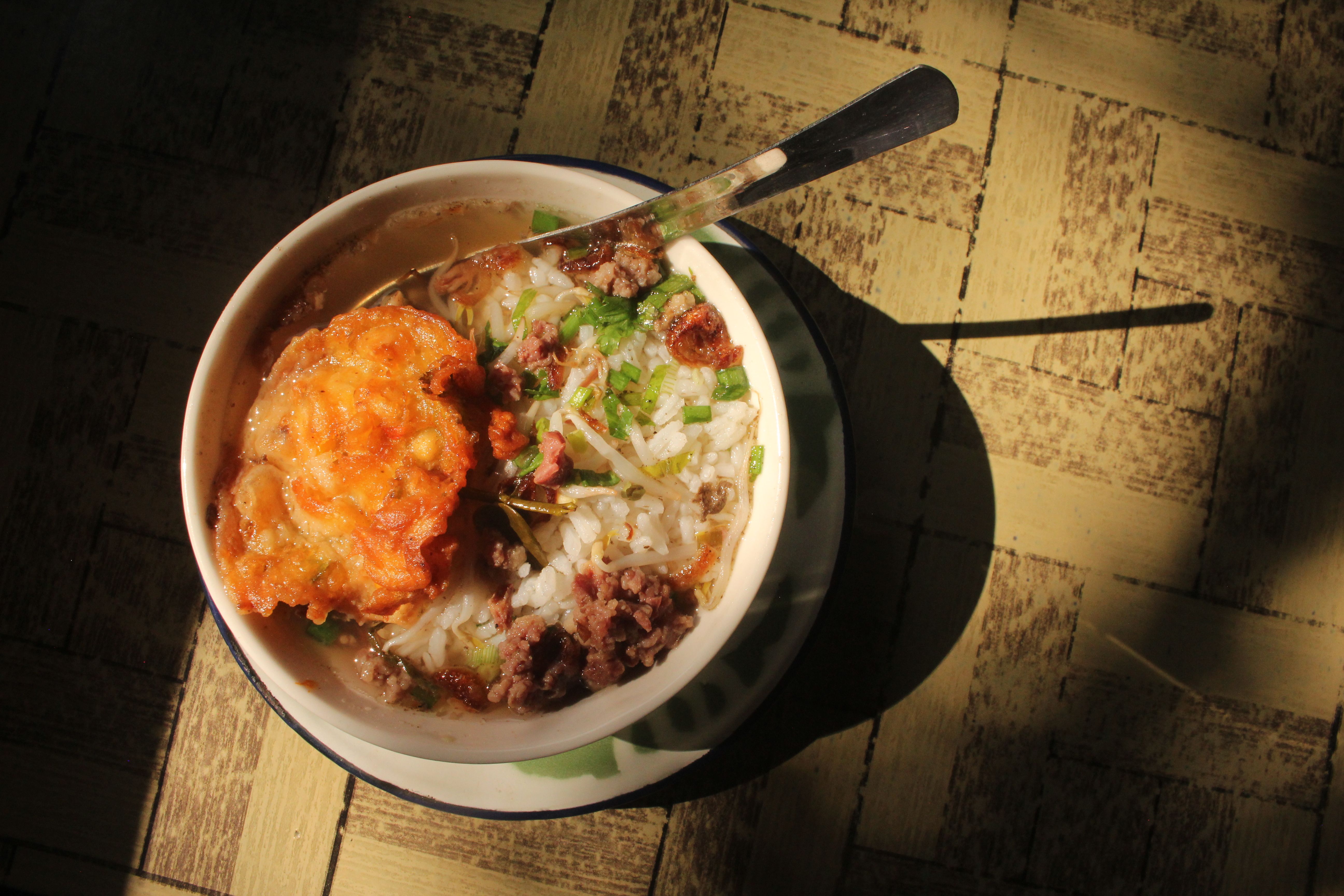
Photo: Jauhar Musthofal Qulub / Pexels
The diets react (see scores below)
Common Ingredients
- egg noodles
- pork
- pork liver
- pork broth
- chicharron
- garlic
- shrimp paste
- scallion
- egg
Specific recipes may vary.
Incompatible with 10 of 11 diets
Diet Ratings
Batchoy is fundamentally built around egg noodles, which are a grain-based, high-carbohydrate ingredient that immediately disqualifies this dish from ketogenic compatibility. A standard serving of egg noodles contributes roughly 30-40g of net carbs on its own, easily exceeding or consuming the entire daily keto carb budget in a single bowl. The remaining ingredients — pork, pork liver, chicharron, pork broth, garlic, shrimp paste, scallions, and egg — are largely keto-friendly or acceptable in moderation, but they cannot offset the disqualifying carb load from the noodles. Pork liver also contains moderate carbohydrates and should be monitored. The dish as traditionally prepared is incompatible with ketosis.
Batchoy contains multiple animal products and is entirely incompatible with a vegan diet. The dish includes pork (meat), pork liver (organ meat), pork broth (animal-derived stock), chicharron (fried pork rinds), shrimp paste (shellfish-derived), and egg — all of which are directly excluded under vegan dietary rules. There is no plant-based component that could redeem this dish in its traditional form.
Batchoy contains multiple non-paleo ingredients that disqualify it outright. Egg noodles are made from wheat (a grain), which is explicitly excluded from the paleo diet. Shrimp paste is a heavily processed, fermented condiment typically containing added salt and preservatives. Chicharron, while made from pork skin, is a processed food often containing added salt. These core components — particularly the egg noodles — make this dish incompatible with paleo principles. The paleo-approved ingredients (pork, pork liver, pork broth, garlic, scallion, and egg) are solid, but they are outweighed by the disqualifying elements.
Batchoy is heavily misaligned with Mediterranean diet principles across multiple dimensions. The dish centers on pork (red meat, limited to a few times per month), pork liver (organ meat, not part of Mediterranean diet), and chicharron (deep-fried pork rinds — a highly processed, saturated fat-heavy food that directly contradicts the diet's principles). The noodles are refined egg noodles rather than whole grains. Shrimp paste is a fermented, high-sodium processed condiment not typical of Mediterranean eating. The broth base is pork-derived rather than vegetable or fish-based. The only redeeming elements are garlic and scallion (plant-based aromatics) and egg (moderate consumption is acceptable). There is no olive oil, no vegetables of substance, no legumes, and no plant-forward composition. Nearly every primary ingredient conflicts with Mediterranean diet guidelines.
Batchoy contains multiple plant-based and non-carnivore ingredients that disqualify it entirely. Egg noodles are a grain-based product (wheat flour), which is a core exclusion on the carnivore diet. Garlic and scallions are plant foods. Shrimp paste, while seafood-derived, is typically fermented with additives and used here as a flavoring agent alongside plant ingredients. The dish structure itself is built around a noodle base. While several individual components are carnivore-compatible — pork, pork liver (an excellent organ meat), pork broth, chicharron (pork rinds, if plain), and egg — the overall dish as traditionally prepared cannot be considered carnivore due to the egg noodles, garlic, scallions, and shrimp paste. A carnivore adaptation stripping the noodles and plant ingredients would leave a respectable pork-and-organ broth, but as served, this dish must be avoided.
Batchoy is a Filipino noodle soup that is fundamentally incompatible with Whole30. The dish's defining ingredient is egg noodles, which are a grain-based pasta explicitly excluded from the Whole30 program. Additionally, shrimp paste (bagoong) typically contains added ingredients that may include non-compliant additives, and chicharron (fried pork rinds) can contain non-compliant seasonings or processing aids. Even setting aside those concerns, the egg noodles alone are a disqualifying grain-based ingredient — there is no compliant workaround that would still produce a recognizable Batchoy. The remaining ingredients (pork, pork liver, pork broth, garlic, scallion, egg) are otherwise Whole30-compatible, but the noodles make this dish an unambiguous avoid.
Batchoy contains multiple high-FODMAP ingredients that make it unsuitable during the elimination phase. Egg noodles are wheat-based (high in fructans), garlic is one of the highest-FODMAP foods (fructans), and shrimp paste (bagoong) typically contains high-sodium fermented shrimp which may also include high-FODMAP additives. These three ingredients alone are sufficient to classify this dish as high-FODMAP. The pork, pork broth (plain), chicharron, scallion greens (tips only are low-FODMAP), egg, and pork liver are generally low-FODMAP at standard servings, but the wheat noodles and garlic are non-negotiable high-FODMAP offenders that cannot be offset by the safe ingredients. There is no realistic way to order or prepare traditional Batchoy in a low-FODMAP compliant manner without fundamentally altering the dish.
Batchoy is fundamentally incompatible with DASH diet principles on multiple fronts. The dish combines several high-sodium, high-saturated fat ingredients that DASH explicitly limits. Shrimp paste (bagoong) is extremely high in sodium, often containing 1,000–2,000mg per tablespoon alone. Pork broth, especially in Filipino-style preparations, is typically high in sodium. Chicharron (fried pork rinds) is high in both saturated fat and sodium. Pork liver, while nutrient-dense, is high in cholesterol. The combination of regular pork and pork liver means this dish is heavy in red meat and organ meat, both of which DASH advises limiting. Together, a single serving of batchoy can easily exceed the entire daily sodium allowance for both standard DASH (2,300mg) and low-sodium DASH (1,500mg) targets. The egg noodles are refined carbohydrates rather than whole grains. There are virtually no redeeming DASH-aligned components in meaningful quantities — the scallions and garlic provide minimal nutritional offset against the cumulative concerns.
Batchoy presents multiple Zone Diet challenges simultaneously. The dish is built around egg noodles as its primary carbohydrate, which are a high-glycemic, refined carb — classified as 'unfavorable' in Zone terminology and likely to spike insulin. The protein sources (pork, pork liver, chicharron) are problematic: pork belly and chicharron are high in saturated fat, pushing the fat ratio toward saturated rather than the preferred monounsaturated. Chicharron in particular is essentially pure saturated fat and renders the fat block composition unfavorable. The pork broth is acceptable, and the egg, scallion, and garlic are Zone-friendly components. Shrimp paste adds sodium but minimal macro impact. There is effectively no low-glycemic vegetable base — the dish lacks the colorful vegetables Zone requires as the primary carbohydrate source. To make this Zone-compatible would require dramatically reducing noodle quantity, eliminating chicharron, substituting leaner pork cuts, and adding significant vegetables — essentially deconstructing the dish. As typically served, the macro ratio skews high in refined carbs and saturated fat, with poor carb quality. It scores a 3 rather than a 1-2 because it does contain some protein and the portions could theoretically be adjusted, but as a standard preparation it is very difficult to fit into Zone blocks.
Batchoy is a pork-heavy Filipino noodle soup with a strongly pro-inflammatory nutritional profile from an anti-inflammatory diet perspective. The dish centers on pork (red meat, high in saturated fat and arachidonic acid), pork liver (organ meat high in arachidonic acid), pork broth (likely high in saturated fat), and chicharron (deep-fried pork rinds — processed, high in saturated fat and often trans fats from frying). Shrimp paste, while not inherently inflammatory, is a highly processed, high-sodium condiment. Egg noodles are refined carbohydrates offering little fiber or micronutrient value. The only anti-inflammatory contributors in the dish are garlic (anti-inflammatory allicin) and scallions (quercetin, antioxidants), but these are minor garnishes relative to the dish's overall composition. The combination of red meat, organ meat, fried processed pork, and refined noodles represents multiple simultaneous anti-inflammatory diet violations: high saturated fat, high arachidonic acid load, processed food, and refined carbohydrates with no meaningful omega-3, polyphenol, or fiber offset.
Batchoy presents multiple significant concerns for GLP-1 patients. The dish is built around high-fat pork components: fatty pork cuts, pork liver (high in cholesterol and fat), and chicharron (deep-fried pork rinds), which is exactly the type of greasy, fried ingredient that worsens GLP-1 side effects including nausea, bloating, and reflux. Slowed gastric emptying on GLP-1 medications means fatty, heavy foods linger in the stomach far longer than usual, amplifying discomfort. Pork broth can be high in sodium and fat depending on preparation. Egg noodles are refined carbohydrates with low fiber and low protein density per calorie. Shrimp paste adds sodium. The chicharron alone is a near-automatic disqualifier — fried, high saturated fat, zero fiber, difficult to digest. While the egg adds some protein value and garlic and scallions are nutritionally benign, these positives are overwhelmed by the fat load and fried components. The dish lacks meaningful fiber, relies on fatty and fried pork as its protein base rather than lean sources, and is likely to trigger or worsen GI side effects in GLP-1 patients.
*See how scores were generated at our methodology page.
Nutritional profile
Six traits that cut across every diet.
Fiber & Plants
How much whole-plant food and fiber it delivers.
Healthy Fats
The quality of its fats (unsaturated, omega-3).
Whole / Unprocessed
How close it is to its natural, unprocessed form.
Gut Gentle
How easy it is on digestion (low FODMAP, few irritants).
Low Glycemic
How little it spikes your blood sugar.
Protein Density
How much protein it packs per calorie.
Controversy Index
Higher controversy = more disagreement between diets.
Diet-Specific Tips
 Zone — 5/10
View tips
- Egg noodles are a high-glycemic, refined carbohydrate — 'unfavorable' in Zone terminology and likely to cause insulin spikes
- Chicharron (fried pork skin) is very high in saturated fat, conflicting with Zone's preference for monounsaturated fats
- Pork and pork liver are not lean proteins; pork liver has a better profile than belly but the overall protein mix is fatty
- No low-glycemic vegetables present as the carbohydrate base — a core Zone requirement
- High sodium from pork broth and shrimp paste is a secondary concern but not the primary Zone issue
- Egg, scallion, and garlic are Zone-favorable but insufficient to redeem the overall macro imbalance
- Macro ratio as served likely skews toward high carb (refined) and high saturated fat, far from the 40/30/30 Zone target