Photo: Muhammad Khawar Nazir / Pexels
Filipino
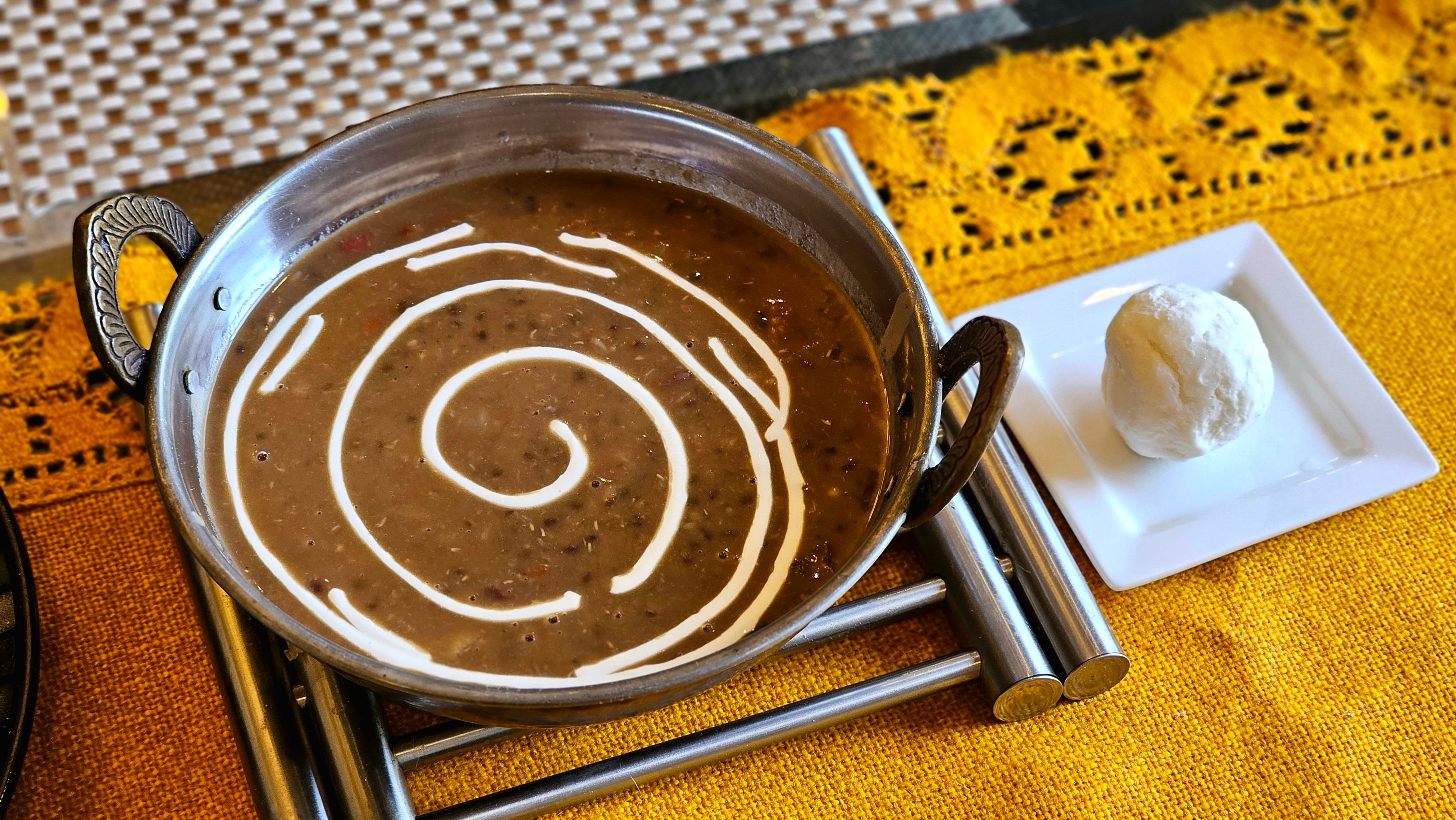
Champorado
The diets react (see scores below)
Common Ingredients
- glutinous rice
- cocoa
- sugar
- milk
- water
- vanilla
Specific recipes may vary.
Incompatible with 10 of 11 diets
Diet Ratings
Champorado is fundamentally incompatible with a ketogenic diet. Its primary ingredient is glutinous rice, one of the highest-glycemic grains available, which alone would deliver an enormous carbohydrate load far exceeding the entire daily keto limit of 20-50g net carbs in a single serving. This is compounded by added sugar as a core ingredient and sweetened milk, making the dish a triple threat of high-carb, high-sugar content. There is no meaningful fat content to offset these carbs, and no fiber to reduce net carbs. A standard bowl of champorado would likely contain 60-90g+ of net carbs, completely destroying ketosis. No amount of portion control makes this dish keto-compatible given its grain base.
Champorado as listed contains milk, which is a dairy product and therefore not vegan. The dish is otherwise largely plant-based — glutinous rice, cocoa, sugar, water, and vanilla are all vegan-compatible ingredients — but the inclusion of dairy milk disqualifies it under vegan standards. A vegan version is straightforward to make by substituting plant-based milk (coconut, oat, almond, or rice milk), which is actually a common adaptation and would result in an approved dish.
Champorado is fundamentally incompatible with the paleo diet. Its base ingredient is glutinous rice, a grain that is strictly excluded from paleo eating. Beyond the grain issue, it also contains refined sugar (a processed sweetener with no place in paleo), and dairy milk (excluded as a post-agricultural food). Multiple core ingredients independently disqualify this dish, making it a clear avoid with high confidence.
Champorado is a Filipino chocolate rice porridge that conflicts with core Mediterranean diet principles on multiple levels. Glutinous rice is a refined, high-glycemic starch with minimal fiber and nutritional value compared to whole grains. Added sugar is a primary ingredient, directly contradicting the Mediterranean diet's emphasis on minimizing added sugars. Cocoa powder itself has some merit, but in this context it is paired with sugar in a dessert-like preparation. The dish contains no olive oil, no vegetables, no legumes, and no meaningful plant-based nutrition beyond empty calories. It is essentially a sweet, starchy porridge built around refined grain and added sugar — two categories the Mediterranean diet explicitly discourages. Milk adds some dairy, which is acceptable in moderation, but it does not redeem the overall nutritional profile of this dish.
Champorado is a Filipino chocolate rice porridge made entirely from plant-based and processed ingredients. Glutinous rice is a grain — one of the most excluded foods on the carnivore diet. Cocoa is a plant-derived product. Sugar is a highly processed plant-derived sweetener. Vanilla is a plant extract. The only marginally acceptable ingredient is milk, which is animal-derived, but it is a minor component surrounded by completely incompatible ingredients. There is no animal protein, no animal fat, and no carnivore-compatible base in this dish. It represents essentially every category of food the carnivore diet explicitly forbids: grains, plant-based sweeteners, plant extracts, and processed sugar.
Champorado contains multiple excluded ingredients that make it clearly non-compliant with Whole30. Glutinous rice is a grain and explicitly excluded. Sugar is an added sweetener, also excluded. Dairy milk is excluded. Even setting aside those violations, this dish is essentially a sweet rice porridge that falls squarely into the 'no recreating junk food or comfort foods' spirit violation. There is no realistic compliant version of this dish, as removing the rice, sugar, and milk would fundamentally change its nature entirely.
Champorado is a Filipino chocolate rice porridge made with glutinous rice, cocoa, sugar, milk, water, and vanilla. Most ingredients are low-FODMAP: glutinous rice is low-FODMAP, cocoa powder is low-FODMAP at small servings (Monash rates 2 tablespoons as safe), sugar (sucrose) is low-FODMAP, water is fine, and vanilla extract is fine. The critical problematic ingredient is milk — regular cow's milk is high in lactose and is high-FODMAP at standard serving sizes (Monash rates over 100ml as high-FODMAP). A typical serving of champorado would use a significant quantity of milk, making the dish high-FODMAP as traditionally prepared. However, the dish can be made low-FODMAP by substituting lactose-free milk or a suitable plant-based milk (such as rice milk or almond milk in limited quantities). Additionally, cocoa powder in larger amounts (over 3–4 tablespoons) can become high-FODMAP due to fructans. The caution rating reflects that the traditional recipe is borderline-to-high FODMAP primarily due to milk, but simple substitutions render it acceptable.
Monash University rates regular cow's milk as high-FODMAP above approximately 100ml due to lactose, meaning traditional champorado with milk is not safe during elimination phase. Clinical FODMAP practitioners would generally advise avoiding this dish as-is or only approving it when made with lactose-free milk — the 'caution' rating hinges heavily on how the milk component is handled.
Champorado is a Filipino chocolate rice porridge made primarily from glutinous rice, cocoa, sugar, and milk. From a DASH perspective, this dish presents several concerns. Glutinous rice is a refined carbohydrate with minimal fiber, lacking the nutritional density of whole grains that DASH emphasizes. The significant added sugar content is a primary DASH concern, as the diet explicitly limits sweets and added sugars. The dish is essentially a dessert-style breakfast with limited protein, little fiber, minimal potassium or magnesium relative to caloric load, and a high glycemic impact. The cocoa itself is not inherently DASH-incompatible (unsweetened cocoa contains some magnesium and antioxidants), but the overall composition — refined starch plus added sugar plus whole milk — does not align with DASH priorities. Sodium is not a major concern here, but the combination of high glycemic refined grain and added sugar makes this a poor DASH choice.
NIH DASH guidelines clearly limit added sugars and refined grains, steering toward whole grains and minimal sweeteners. However, some updated DASH-oriented clinicians note that unsweetened cocoa powder provides magnesium and flavonoids with cardiovascular benefits, and that a portion-controlled serving with reduced sugar and low-fat milk could be made more DASH-compatible — though this would significantly alter the traditional dish.
Champorado is a Filipino chocolate rice porridge built almost entirely from high-glycemic, Zone-unfavorable ingredients. Glutinous rice (sticky rice) has an extremely high glycemic index and glycemic load, making it one of the most problematic carbohydrate sources in Zone methodology — even worse than regular white rice due to its near-total amylopectin starch content. Added sugar compounds the glycemic spike further. The dish contains virtually no protein (no primary protein listed) and essentially no beneficial fat, meaning the 40/30/30 macronutrient ratio is completely absent — this meal is overwhelmingly carbohydrate-dominant, likely 80-90% of calories from carbs. Cocoa powder itself has some Zone-friendly polyphenol value, and milk adds a small amount of protein and fat, but neither is present in quantities sufficient to rebalance the macro profile. There is no practical way to portion-adjust champorado into a Zone-compatible meal without fundamentally deconstructing the dish. This is not a ratio problem that can be corrected with portion control — the core ingredient (glutinous rice with sugar) is precisely what Zone methodology categorizes as a high-glycemic carbohydrate to avoid.
Champorado is a Filipino chocolate rice porridge that presents multiple anti-inflammatory concerns. The base is glutinous (sticky) rice, a refined high-glycemic carbohydrate with virtually no fiber, which promotes rapid blood sugar spikes and can elevate inflammatory markers like CRP and IL-6. Added sugar compounds this glycemic load significantly. The cocoa itself is the only redemptive ingredient — raw or minimally processed cocoa contains flavanols (epicatechin, catechins) with genuine anti-inflammatory properties. However, the cocoa used in traditional champorado is typically sweetened or processed cocoa powder, which substantially reduces flavanol content. Milk adds modest nutritional value but also contributes saturated fat. The overall nutritional profile is dominated by refined starch and added sugar — two of the primary dietary drivers of systemic inflammation. As a breakfast food, this combination delivers a high glycemic hit at the start of the day with minimal fiber, protein, or omega-3 fatty acids to moderate the inflammatory response. There is no meaningful anti-inflammatory offset from the other ingredients.
Champorado is a Filipino chocolate rice porridge made from glutinous rice, cocoa, sugar, and milk. It is almost entirely composed of refined carbohydrates and added sugar, with negligible protein and minimal fiber. Glutinous rice is a high-glycemic refined starch that digests rapidly, causing blood sugar spikes and providing little satiety — particularly problematic for GLP-1 patients whose reduced appetite means every meal must deliver strong nutritional value. A standard serving provides roughly 30-40g of carbohydrates, 5-10g of added sugar, and fewer than 3g of protein, making it one of the least nutrient-dense breakfast options possible. The high sugar content conflicts directly with GLP-1 dietary priorities, and the lack of protein means it contributes nothing toward the critical 100-120g daily protein target. While cocoa does offer some antioxidants and minimal fiber, this does not meaningfully offset the dish's nutritional deficiencies. The sweet, starchy profile also risks stimulating appetite rebound rather than supporting the satiety GLP-1 medications provide. It scores a 2 rather than 1 because it is not fried, not alcoholic, not carbonated, and not high in fat — but its near-zero protein and high refined carbohydrate and sugar content make it a poor fit for GLP-1 patients.
*See how scores were generated at our methodology page.
Nutritional profile
Six traits that cut across every diet.
Fiber & Plants
How much whole-plant food and fiber it delivers.
Healthy Fats
The quality of its fats (unsaturated, omega-3).
Whole / Unprocessed
How close it is to its natural, unprocessed form.
Gut Gentle
How easy it is on digestion (low FODMAP, few irritants).
Low Glycemic
How little it spikes your blood sugar.
Protein Density
How much protein it packs per calorie.
Controversy Index
Higher controversy = more disagreement between diets.
Diet-Specific Tips
 Low-FODMAP — 5/10
View tips
- Regular cow's milk is high-FODMAP due to lactose — the primary concern in this dish
- Glutinous rice is low-FODMAP and safe at standard servings
- Cocoa powder is low-FODMAP at ≤2 tablespoons per serve but can become high-FODMAP in larger amounts due to fructans
- Sucrose (sugar) is low-FODMAP
- Vanilla extract is low-FODMAP
- Dish becomes low-FODMAP if lactose-free milk or suitable plant-based milk is substituted