Photo: Novkov Visuals / Pexels
The diets react (see scores below)
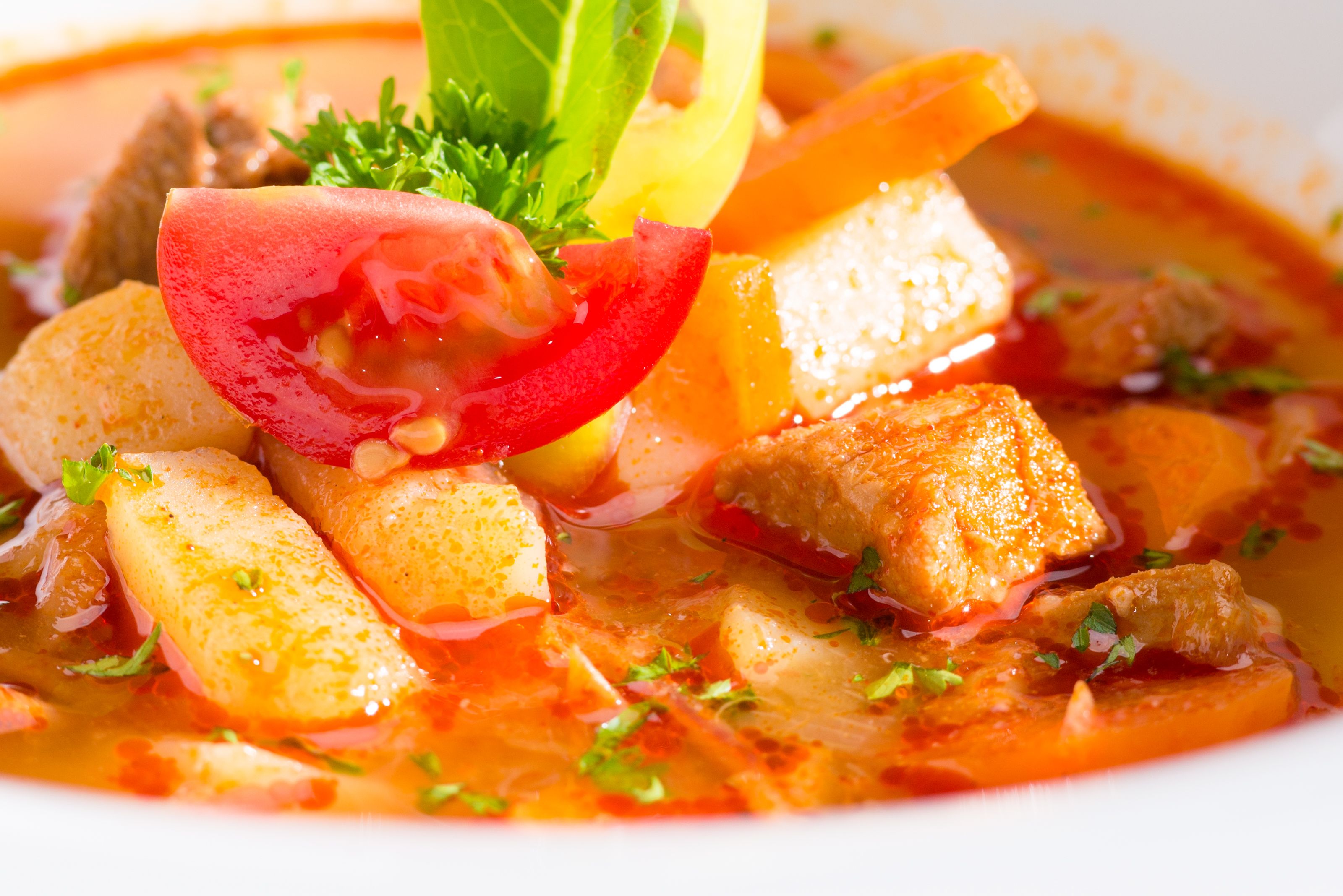
Common Ingredients
- beef
- tomato sauce
- liver spread
- bell pepper
- potato
- carrot
- olives
- cheese
- garlic
- onion
Specific recipes may vary.
Incompatible with 9 of 11 diets
Diet Ratings
Kaldereta is fundamentally incompatible with a ketogenic diet in its traditional form. The dish contains multiple high-carb ingredients that collectively push net carbs far beyond keto limits in a single serving. Potatoes and carrots are starchy vegetables with significant net carbs (potatoes ~15-17g per 100g, carrots ~7g per 100g). Tomato sauce adds additional sugars and carbs, and liver spread (a processed Filipino condiment) contains added fillers and carbohydrates. Even the bell peppers and onions contribute meaningful carbs when combined. A standard serving of Kaldereta could easily deliver 30-50g of net carbs from the starchy vegetables alone, making ketosis impossible to maintain. While beef, olives, garlic, and cheese are keto-friendly components, they are outweighed by the carb-heavy staples that define this dish.
Kaldereta is a Filipino beef stew that contains multiple animal-derived ingredients, making it entirely incompatible with a vegan diet. Beef is a direct animal product (meat). Liver spread is made from animal liver (typically pork or chicken). Cheese is a dairy product derived from animal milk. These three ingredients alone are sufficient to render the dish non-vegan, and there is no ambiguity about any of them within the vegan community.
Kaldereta contains multiple non-paleo ingredients that disqualify it outright. Cheese is a dairy product, clearly excluded from paleo. Liver spread is a processed, canned product typically containing additives, preservatives, and fillers — not paleo. Tomato sauce in its commercial form often contains added sugar, salt, and preservatives. Olives packed in brine contain added salt. While beef, garlic, onion, bell pepper, and carrot are paleo-approved, and potato and liver (in whole form) are debated, the combination of cheese, processed liver spread, and commercially processed tomato sauce and olives makes this dish firmly non-paleo. The dish as traditionally prepared cannot be adapted to paleo without fundamentally changing its character.
Kaldereta is a Filipino beef stew that fundamentally conflicts with Mediterranean diet principles on multiple fronts. Beef is the primary protein, which the Mediterranean diet restricts to only a few times per month. The dish also includes liver spread, a processed meat product high in saturated fat and sodium. Cheese adds additional saturated fat. While several ingredients are Mediterranean-friendly — tomatoes, bell peppers, potatoes, carrots, olives, garlic, and onion — these vegetables cannot offset the core issues of a red meat-centered, processed-ingredient dish. The combination of beef plus processed liver spread places this firmly in the 'avoid' category.
Kaldereta is a Filipino beef stew that, while centered on beef and liver spread (both carnivore-approved animal products), is overwhelmingly disqualified by its extensive plant-based ingredient list. Tomato sauce, bell pepper, potato, carrot, olives, garlic, and onion are all plant-derived foods explicitly excluded from the carnivore diet. The dish is fundamentally a plant-heavy stew with beef in it, not an animal-based meal. Even the cheese, while dairy, cannot redeem a dish where the majority of ingredients and flavor profile are plant-derived. There is no meaningful way to adapt this dish within carnivore guidelines without deconstructing it entirely — at which point it is no longer Kaldereta.
Kaldereta contains two clearly excluded ingredients: cheese (dairy) and liver spread (a processed spread that typically contains dairy, sugar, starch, or other non-compliant additives). These make the dish non-compliant as traditionally prepared. The remaining ingredients — beef, tomato sauce, bell pepper, potato, carrot, olives, garlic, and onion — are generally Whole30-compatible, though canned tomato sauce and olives may require label-checking for added sugar or non-compliant preservatives. However, cheese is a straightforward dairy exclusion with no workaround, and liver spread in its commercial form (e.g., Reno, Argentina brands) commonly contains non-compliant ingredients. The dish cannot be approved as traditionally made.
Kaldereta contains multiple high-FODMAP ingredients that make it unsuitable during the elimination phase. Garlic and onion are the primary offenders — both are very high in fructans and are among the most problematic FODMAPs even in small quantities. These two ingredients are foundational to the dish and cannot be reduced to safe levels without fundamentally changing the recipe. Liver spread (typically made with onion and garlic as flavoring agents) adds further fructan load. Olives can be moderate in polyols depending on quantity and preparation. Bell pepper in small amounts is low-FODMAP, and beef, potato, carrot, tomato sauce (in modest amounts), and hard cheese are generally acceptable. However, the presence of garlic and onion as core aromatics — combined with liver spread — makes this dish a clear avoid during elimination phase regardless of portion size.
Kaldereta is a Filipino beef stew that conflicts with multiple core DASH diet principles. The primary protein is beef (typically fatty cuts like chuck or shank), which DASH classifies as red meat to be limited due to saturated fat and cholesterol content. Liver spread is a processed, high-sodium ingredient with significant saturated fat. Cheese adds additional saturated fat and sodium. Olives, while containing healthy fats, are extremely high in sodium. Tomato sauce (especially canned/commercial) contributes additional sodium. The cumulative sodium load from liver spread, cheese, olives, and commercial tomato sauce likely far exceeds DASH thresholds for a single meal. While some ingredients like bell peppers, potatoes, carrots, garlic, and onions are DASH-friendly vegetables providing potassium, fiber, and magnesium, they do not offset the significant concerns posed by the other components. The combination of red meat, processed meat product (liver spread), full-fat cheese, and high-sodium condiments makes this dish a poor fit for the DASH eating plan as typically prepared.
Kaldereta is a rich Filipino beef stew that presents several Zone Diet challenges. The beef protein is acceptable but often uses fattier cuts (chuck, short ribs) that add saturated fat beyond Zone-friendly lean protein targets. Potatoes are a high-glycemic carbohydrate that Dr. Sears explicitly lists as unfavorable, making them one of the more problematic ingredients. Cheese adds saturated fat on top of the beef's fat content, pushing the fat profile away from preferred monounsaturated sources. Liver spread, while providing iron and nutrients, adds complexity with its fat and possible additives. On the positive side, bell peppers, carrots, tomato sauce, garlic, and onions are favorable low-glycemic Zone carbohydrates with polyphenol benefits. Olives contribute desirable monounsaturated fat. The overall dish can technically be consumed in Zone-portioned servings, but the potato content, fatty beef, and cheese-heavy fat profile make it difficult to hit the 40/30/30 ratio without significant modification — such as reducing potato portions, trimming beef fat, and limiting cheese.
Some Zone practitioners argue that in the context of a full meal, the favorable vegetables (bell pepper, carrot, tomato, garlic, onion) provide enough low-glycemic carbohydrate and polyphenol value to offset the potatoes if portion size is strictly controlled. Sears' later anti-inflammatory writings also acknowledge that occasional saturated fat from whole-food sources like beef and cheese is less concerning than processed omega-6 oils. A small, carefully portioned serving of kaldereta with extra vegetables and reduced potato could fit within a Zone block framework.
Kaldereta is a Filipino beef stew with a mixed inflammatory profile. The dish contains several anti-inflammatory contributors — tomato sauce (lycopene, antioxidants), bell peppers (vitamin C, carotenoids), carrots (beta-carotene), garlic and onion (quercetin, organosulfur compounds), and olives (monounsaturated fats, polyphenols). However, the primary protein is beef, which anti-inflammatory guidelines consistently flag as pro-inflammatory due to saturated fat content and arachidonic acid. Liver spread is a highly processed ingredient with additives, preservatives, and sodium — a clear 'avoid' item under most anti-inflammatory frameworks. Cheese adds saturated fat and falls in the 'limit' category (full-fat dairy). Potatoes are neutral starchy vegetables but contribute little anti-inflammatory benefit. The combination of red meat + processed liver spread + cheese means this dish carries a meaningful pro-inflammatory load that offsets its vegetable components. It can be consumed occasionally, but the processed and red meat elements prevent approval.
Kaldereta is a rich Filipino beef stew that presents multiple challenges for GLP-1 patients. The primary protein is beef — typically a fatty cut such as chuck or short ribs — contributing significant saturated fat per serving. Liver spread adds organ fat and sodium. Cheese is melted into the sauce, layering additional saturated fat and calories. Olives contribute healthy unsaturated fats but also sodium. The combination of high-fat meat, fatty sauce, cheese, and liver spread creates a heavy, greasy dish that directly worsens the most common GLP-1 side effects: nausea, bloating, reflux, and delayed gastric emptying. Potatoes and carrots add some fiber and micronutrients, and tomato sauce provides lycopene, but these positives are overwhelmed by the fat load. The dish is not inherently low in protein, but the protein comes packaged with high saturated fat, which disqualifies it as a primary protein source for GLP-1 patients. Portion control could theoretically reduce the fat burden, but the sauce itself is fat-dense, meaning even a small serving delivers a disproportionate fat hit. This dish is a poor fit for the GLP-1 dietary framework as written.
Some GLP-1-focused dietitians note that kaldereta can be modified — leaning beef (sirloin or round), reduced cheese, and liver spread omitted — which would shift it toward caution territory. The disagreement centers on whether to rate the traditional dish or its modified form; clinicians who work with Filipino patients often prefer to offer modification guidance rather than a blanket avoid, to support cultural dietary adherence.
*See how scores were generated at our methodology page.
Nutritional profile
Six traits that cut across every diet.
Fiber & Plants
How much whole-plant food and fiber it delivers.
Healthy Fats
The quality of its fats (unsaturated, omega-3).
Whole / Unprocessed
How close it is to its natural, unprocessed form.
Gut Gentle
How easy it is on digestion (low FODMAP, few irritants).
Low Glycemic
How little it spikes your blood sugar.
Protein Density
How much protein it packs per calorie.
Controversy Index
Higher controversy = more disagreement between diets.
Diet-Specific Tips
 Zone — 4/10
View tips
- Potatoes are explicitly unfavorable high-glycemic carbs in Zone Diet methodology
- Beef cuts used in kaldereta are typically fatty, exceeding Zone lean protein guidelines
- Cheese adds saturated fat, conflicting with Zone's preference for monounsaturated fat sources
- Bell pepper, carrot, tomato sauce, garlic, and onion are favorable Zone carbohydrates with polyphenol benefits
- Olives contribute desirable monounsaturated fat aligned with Zone principles
- Liver spread is a processed ingredient that may contain additives inconsistent with Zone's anti-inflammatory focus
- Dish can be modified (reduce potato, trim fat, limit cheese) to better fit Zone ratios
 Anti-Inflammatory — 4/10
View tips
- Beef (red meat) — pro-inflammatory; high in saturated fat and arachidonic acid, consistently in the 'limit' category
- Liver spread — processed food with additives and preservatives; falls in the 'avoid' category for anti-inflammatory eating
- Cheese — full-fat dairy adds saturated fat load; in the 'limit' category
- Tomato sauce — anti-inflammatory; rich in lycopene and antioxidants
- Bell peppers and carrots — strong anti-inflammatory vegetables; high in carotenoids and vitamin C
- Garlic and onion — anti-inflammatory; quercetin and organosulfur compounds reduce inflammatory markers
- Olives — beneficial monounsaturated fats and polyphenols
- Overall: vegetable components are positive but outweighed by red meat, processed liver spread, and cheese