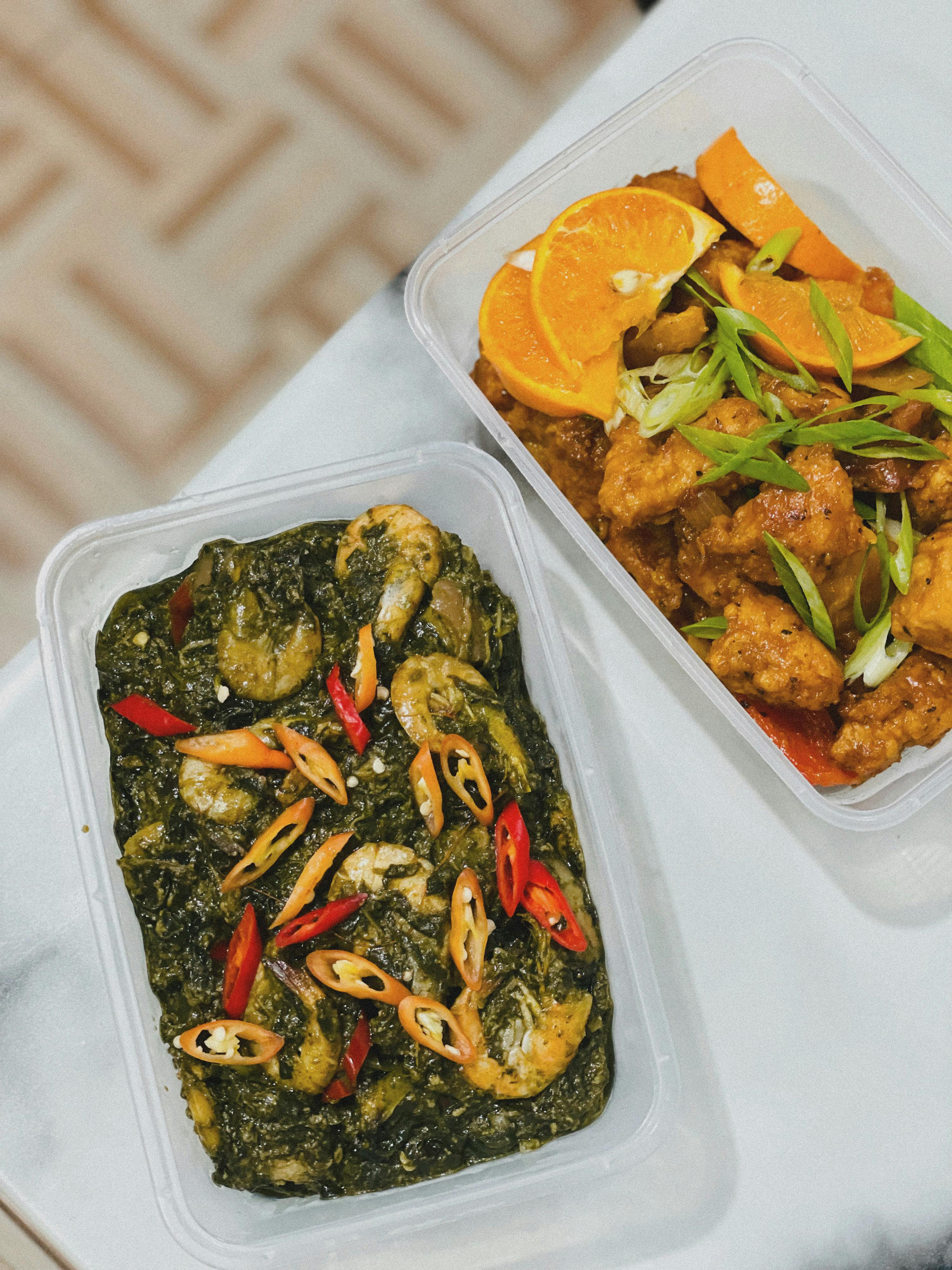
The diets react (see scores below)
Common Ingredients
- taro leaves
- coconut milk
- bagoong
- siling labuyo
- garlic
- ginger
- onion
- pork
Specific recipes may vary.
Incompatible with 7 of 11 diets
Diet Ratings
Laing is a Filipino dish of taro leaves simmered in coconut milk with pork, aromatics, and fermented shrimp paste. The macronutrient profile is largely keto-friendly: full-fat coconut milk provides high healthy fats, pork adds moderate protein, and the aromatics (garlic, ginger, onion) contribute minimal carbs in typical cooking quantities. The primary concern is taro leaves — unlike taro root (which is very high in starch), dried taro leaves are relatively low in net carbs (roughly 3-5g net carbs per cup cooked) and are the form used in authentic Laing. Bagoong (fermented shrimp paste) may contain a small amount of added sugar depending on the variety but is used in small quantities. A standard serving of Laing (~1 cup) is likely within keto limits, but portion control is necessary, and the dish should be evaluated for any added sugar in the bagoong or preparation.
Strict keto practitioners may flag taro leaves entirely due to their classification alongside taro root, or raise concerns about bagoong containing trace sugars and the cumulative carb load when Laing is eaten alongside other Filipino dishes in a meal setting.
Laing as described contains two clear animal-derived ingredients: pork (meat) and bagoong (fermented shrimp or fish paste), both of which are explicitly excluded under vegan dietary rules. While the base of the dish — taro leaves, coconut milk, chilies, garlic, ginger, and onion — is entirely plant-based and would otherwise be vegan-friendly, the inclusion of pork and bagoong makes this dish unequivocally non-vegan. There is no ambiguity here; these are direct animal products, not trace cross-contamination.
Laing is primarily disqualified by bagoong, a fermented shrimp or fish paste that is heavily salted and processed — a core violation of paleo principles due to its high added salt content and processing. While several ingredients are paleo-compliant (taro leaves, coconut milk, siling labuyo, garlic, ginger, onion, and pork are all acceptable), bagoong is a processed, salt-laden condiment with no place in a paleo framework. Taro leaves themselves are generally accepted as a paleo food (a leafy vegetable from a tuber plant), and coconut milk is a paleo staple. The pork adds clean protein. However, the dish as traditionally prepared cannot be considered paleo because bagoong is an essential, defining ingredient — not an optional garnish — and substituting it would fundamentally change the dish into something other than Laing.
Laing presents multiple significant conflicts with Mediterranean diet principles. The dish is coconut milk-based, which is high in saturated fat and entirely absent from traditional Mediterranean cooking, where extra virgin olive oil is the exclusive primary fat. Pork is present as an ingredient, classifying this as a red meat dish, which should be limited to only a few times per month in the Mediterranean pattern. Bagoong (fermented shrimp paste) is a highly processed, extremely high-sodium condiment with no equivalent in Mediterranean traditions. While taro leaves, garlic, ginger, and onion are plant-based positives, and siling labuyo adds beneficial capsaicin, the overall dish framework — saturated fat from coconut milk, red meat, and heavily processed fermented paste — contradicts core Mediterranean diet principles at nearly every level. The vegetable base provides the only redeeming qualities, but they are insufficient to overcome the structural incompatibilities.
Laing is fundamentally incompatible with the carnivore diet. The dish is built around taro leaves as its primary ingredient — a plant food that is entirely excluded on carnivore. Coconut milk is a plant-based fat/liquid (excluded), siling labuyo is a chili pepper (plant), garlic, ginger, and onion are all plant aromatics (excluded). While pork is carnivore-approved and bagoong (fermented shrimp paste) is animal-derived, these are minor components in a dish whose entire identity and bulk is plant-based. No meaningful adaptation could make Laing carnivore-compatible — it would need to be an entirely different dish.
Laing's core ingredients — taro leaves, coconut milk, siling labuyo (bird's eye chili), garlic, ginger, onion, and pork — are all Whole30-compliant. However, bagoong (fermented shrimp paste or fish paste) is a significant concern. Traditional bagoong commonly contains added sugar and sometimes MSG or other additives, making most commercial versions non-compliant. A carefully sourced or homemade bagoong with no added sugar or excluded ingredients could make this dish compliant, but label-reading is essential. Additionally, bagoong's fermented, pungent character is typical of the dish, and without it the dish changes substantially. The pork used should also be plain/unprocessed with no added sugar or prohibited additives.
Some Whole30 practitioners would argue that even a compliant bagoong is a highly processed fermented condiment that tests the spirit of eating whole, minimally processed foods, though official Whole30 guidelines do not explicitly exclude fermented seafood pastes if they contain no prohibited ingredients.
Laing contains multiple high-FODMAP ingredients that make it unsuitable during the elimination phase. Garlic and onion are the primary offenders — both are very high in fructans and are among the most significant FODMAP triggers. Even small amounts of garlic and onion cooked into a dish are problematic because fructans leach into the cooking liquid (coconut milk in this case), distributing FODMAPs throughout the entire dish. Taro leaves (different from taro root) have limited Monash testing data but taro root itself is rated high-FODMAP at standard servings due to GOS and fructans, and the leaves likely carry similar concerns. Coconut milk is low-FODMAP at 1/2 cup per Monash but can become moderate-to-high at larger servings typical in a rich dish like Laing. Bagoong (fermented shrimp paste) is a fermented condiment with uncertain FODMAP status. Siling labuyo (bird's eye chili) and ginger are generally low-FODMAP at culinary amounts. Pork is a protein and is FODMAP-free. Despite some low-FODMAP individual ingredients, the combination of garlic and onion — both cooked into the coconut milk base — makes this dish clearly high-FODMAP with no practical way to modify it while retaining its authentic character.
Laing is a Filipino dish that conflicts with DASH diet principles on multiple fronts. Coconut milk is a tropical oil/fat source high in saturated fat, which DASH explicitly limits. Bagoong (fermented shrimp or fish paste) is extremely high in sodium, potentially contributing thousands of milligrams per serving alone — directly opposing DASH's core sodium restriction of <2,300mg/day (or <1,500mg for low-sodium DASH). Pork, especially as commonly used in Laing (fatty cuts), adds saturated fat and additional sodium. While taro leaves are a nutritious vegetable rich in potassium and fiber (a DASH positive), garlic, ginger, and onion are DASH-friendly aromatics, and siling labuyo adds minimal sodium, these positives are overwhelmed by the high saturated fat from coconut milk and the very high sodium load from bagoong. This dish represents a combination of two separately discouraged ingredients (coconut milk and high-sodium fermented paste) that together make it incompatible with DASH guidelines.
Laing presents a mixed Zone profile. On the positive side, taro leaves are a nutrient-dense leafy green providing polyphenols and fiber, and the aromatic base (garlic, ginger, onion) is anti-inflammatory and Zone-friendly. However, the dish is dominated by coconut milk, which is very high in saturated fat — a significant concern in Zone methodology, which emphasizes monounsaturated fats and discourages heavy saturated fat intake. The pork adds protein but is likely fatty (skin-on or belly cuts in traditional laing), adding more saturated fat rather than lean protein. Bagoong contributes high sodium but negligible macro issues. The overall fat profile skews heavily saturated, and the fat-to-protein ratio is very high, making it difficult to balance into a proper 40/30/30 block structure without significant portion restriction. As a side dish, it could theoretically accompany a lean protein source in small portions, but even then the coconut milk fat load makes Zone balancing challenging.
In Sears' later anti-inflammatory writings (The OmegaRx Zone, The Zone Diet), he acknowledged that medium-chain triglycerides (MCTs) in coconut milk may have some favorable metabolic effects and are not purely equivalent to long-chain saturated fats. Some Zone practitioners in Southeast Asian contexts allow coconut milk in moderate portions, treating it as a contextual fat source rather than an automatic disqualifier. If used in a very small serving alongside lean protein and low-GI vegetables, laing could theoretically fit within a Zone meal.
Laing is a mixed dish from an anti-inflammatory standpoint. On the positive side, taro leaves are rich in antioxidants, vitamins C and E, and polyphenols, making them a strongly anti-inflammatory base ingredient. Garlic, ginger, onion, and siling labuyo (bird's eye chili) are all well-established anti-inflammatory spices and aromatics — ginger and garlic in particular have solid research supporting reduced CRP and IL-6 markers. The chili pepper contains capsaicin, a known anti-inflammatory compound. On the negative side, coconut milk is high in saturated fat (lauric acid), which is a debated concern — while some researchers argue lauric acid behaves differently from other saturated fats, most anti-inflammatory frameworks recommend limiting full-fat coconut milk or using it sparingly. Pork (especially if fatty cuts are used traditionally) is a red/processed meat concern, adding saturated fat load. Bagoong (fermented shrimp paste) is high in sodium and often contains preservatives and additives, which anti-inflammatory protocols generally caution against. The combination of full-fat coconut milk, pork, and bagoong tips this dish toward caution despite its genuinely strong anti-inflammatory ingredients. Preparation method and portion size matter significantly — a smaller portion as a side dish reduces overall inflammatory load.
Coconut milk is the key contested ingredient here. Many anti-inflammatory practitioners and paleo/ancestral health proponents (including those aligned with Dr. Mark Hyman's functional medicine approach) consider coconut milk anti-inflammatory due to lauric acid's potential antimicrobial and immune-modulating properties. However, Dr. Weil's Anti-Inflammatory Pyramid and mainstream anti-inflammatory nutrition generally recommend limiting saturated fat from sources like coconut milk, placing this ingredient in a genuinely ambiguous position.
Laing is a traditional Filipino dish of dried taro leaves slow-cooked in full-fat coconut milk with pork, fermented shrimp paste (bagoong), and hot chili peppers (siling labuyo). This combination is highly problematic for GLP-1 patients. Coconut milk is extremely high in saturated fat — a single cup contains 40-50g of fat, predominantly saturated — and it forms the base of this dish in generous quantities. Pork adds additional saturated fat. Together, these ingredients create a heavy, high-fat meal that is strongly associated with worsening GLP-1 side effects including nausea, bloating, reflux, and prolonged gastric discomfort, as GLP-1 medications already slow gastric emptying significantly. Siling labuyo (bird's eye chili) adds significant heat, which can further irritate the GI tract and worsen reflux. Bagoong is very high in sodium, which can contribute to water retention and cardiovascular strain. While taro leaves do provide some fiber and micronutrients, and garlic, ginger, and onion offer minor digestive benefits, these positives are overwhelmed by the fat load, chili heat, and sodium density. Protein contribution is low relative to fat content. This dish is calorie-dense per small serving with minimal protein payoff, making it a poor nutritional investment for GLP-1 patients eating reduced volumes.
*See how scores were generated at our methodology page.
Nutritional profile
Six traits that cut across every diet.
Fiber & Plants
How much whole-plant food and fiber it delivers.
Healthy Fats
The quality of its fats (unsaturated, omega-3).
Whole / Unprocessed
How close it is to its natural, unprocessed form.
Gut Gentle
How easy it is on digestion (low FODMAP, few irritants).
Low Glycemic
How little it spikes your blood sugar.
Protein Density
How much protein it packs per calorie.
Controversy Index
Higher controversy = more disagreement between diets.
Diet-Specific Tips
 Keto — 5/10
View tips
- Coconut milk is a high-fat, keto-approved base
- Taro leaves (not taro root) have relatively low net carbs per serving
- Pork adds keto-appropriate protein and fat
- Bagoong may contain trace added sugar — check label or recipe
- Garlic, onion, and ginger add minimal carbs in cooking quantities
- Portion control required to stay within daily net carb limits
- Cumulative carb load matters if consumed with other dishes
 Whole30 — 5/10
View tips
- Bagoong (fermented shrimp/fish paste) commonly contains added sugar — most commercial versions are non-compliant
- Compliant bagoong versions exist but require careful label-reading
- Taro leaves, coconut milk, garlic, ginger, onion, and siling labuyo are all Whole30-compliant
- Pork must be plain and unprocessed with no added sugar or prohibited additives
- Fermented condiments like bagoong are not explicitly excluded by Whole30 rules if ingredient-compliant
 Zone — 4/10
View tips
- Coconut milk is very high in saturated fat, conflicting with Zone's emphasis on monounsaturated fats
- Pork in traditional laing is typically fatty (belly/shoulder cuts), compounding saturated fat concerns
- Taro leaves are a polyphenol-rich, fiber-containing leafy green — a Zone-favorable carbohydrate source
- Garlic, ginger, onion, and chili (siling labuyo) are anti-inflammatory aromatics aligned with Zone principles
- High fat-to-protein ratio makes block balancing difficult without very strict portion control
- As a side dish, even small servings carry a large fat block load from coconut milk
- High sodium from bagoong (fermented shrimp paste) is a secondary concern
 Anti-Inflammatory — 4/10
View tips
- Taro leaves: rich in antioxidants, vitamins C and E, polyphenols — strongly anti-inflammatory
- Garlic, ginger, onion, siling labuyo: well-established anti-inflammatory aromatics and spices
- Capsaicin in chili pepper: reduces inflammatory markers in research
- Full-fat coconut milk: high in saturated fat — cautioned in most anti-inflammatory frameworks
- Pork: adds saturated fat load; anti-inflammatory protocols recommend limiting red/fatty meat
- Bagoong (fermented shrimp paste): high sodium, potential additives and preservatives — pro-inflammatory concern
- Portion context: served as a side dish reduces overall inflammatory impact