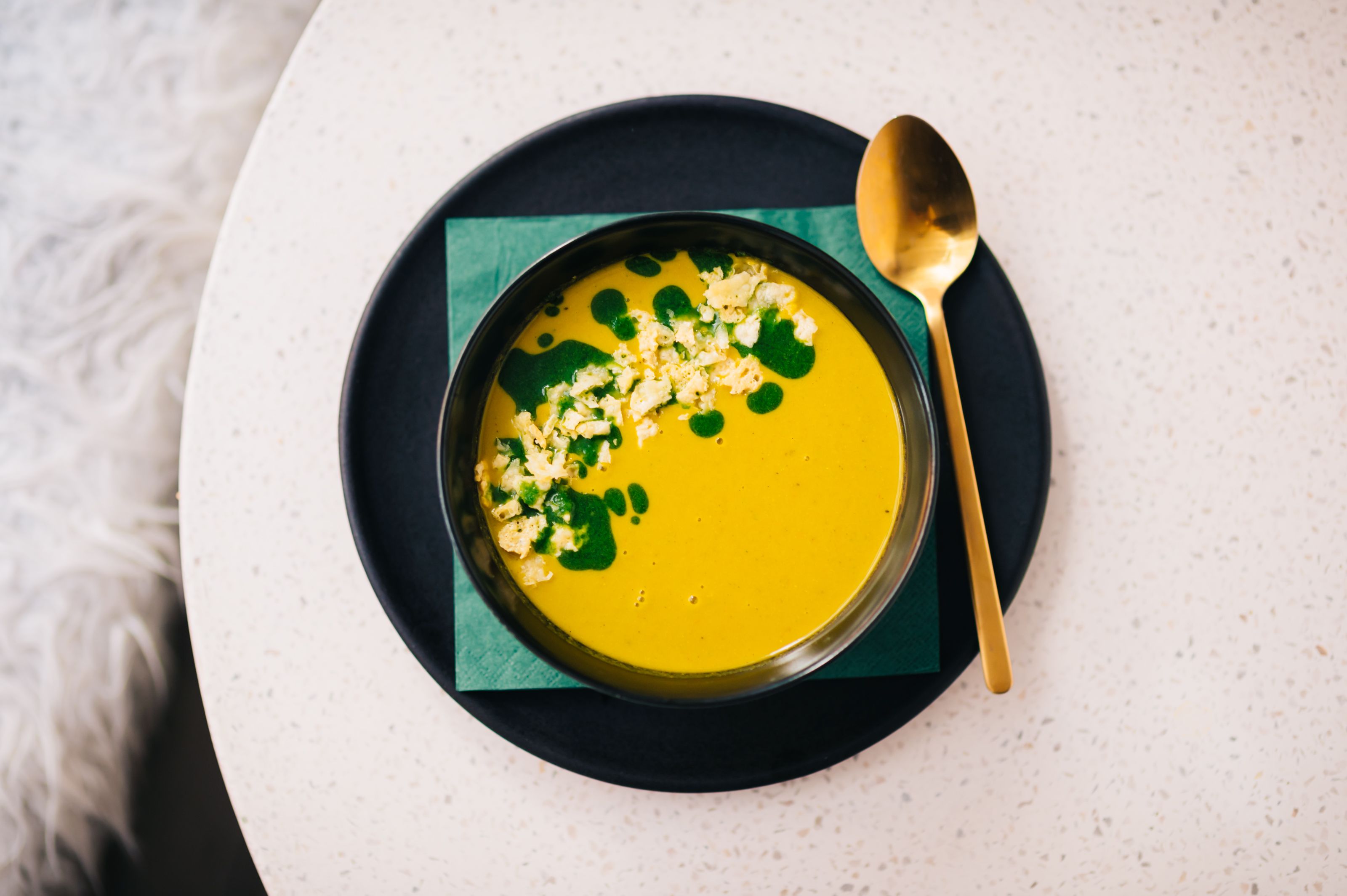
Photo: Novkov Visuals / Pexels
The diets react (see scores below)
Common Ingredients
- green peas
- ham
- onion
- carrot
- mustard
- marjoram
- water
Specific recipes may vary.
Incompatible with 7 of 11 diets
Diet Ratings
Hernekeitto (Finnish pea soup) is fundamentally incompatible with ketogenic dieting. The primary ingredient, green peas, is a legume with very high net carbs — approximately 12-14g net carbs per 100g cooked. A standard serving of this soup (300-400ml) would easily contain 30-50g of net carbs from peas alone, almost certainly exceeding the entire daily keto carb allowance in a single meal. Carrot adds additional net carbs (~6-7g/100g). While ham provides keto-friendly protein and fat, and mustard and marjoram are negligible, the pea base makes this dish a clear avoid. This is not a portion-control situation — the dish cannot be meaningfully modified and still be Hernekeitto.
Hernekeitto is a traditional Finnish pea soup that contains ham as a primary protein ingredient, which is a cured pork product and therefore an animal-derived food. This makes it entirely incompatible with a vegan diet. While the base of the soup (green peas, onion, carrot, mustard, marjoram, water) is fully plant-based, the inclusion of ham is a clear disqualifier under vegan rules.
Hernekeitto is a traditional Finnish pea soup that is fundamentally non-paleo. Green peas are legumes, which are explicitly excluded from the paleo diet due to their lectin and phytate content. Ham is a processed, cured meat product that typically contains added salt, nitrates, and preservatives — all disqualifying factors. Mustard in its common prepared form contains added salt and vinegar and may include non-paleo additives. The onion, carrot, marjoram, and water are all paleo-compliant, but the two primary components of the dish — green peas and ham — are clear violations. This dish cannot be made paleo-compliant without fundamentally changing its character.
Hernekeitto is a traditional Finnish pea soup where the primary protein is ham (cured/processed pork). While green peas, onion, carrot, and marjoram are all Mediterranean-friendly plant ingredients, the dominant protein source is processed pork (ham), which is a cured red meat product. Red meat is limited to a few times per month on the Mediterranean diet, and processed/cured meats are especially discouraged due to high sodium and saturated fat content. The dish also lacks olive oil as a fat source. The legume base is a positive element, but the ham centerpiece undermines the dish's compatibility significantly.
Some Mediterranean diet practitioners argue that a small amount of cured pork used primarily as a flavoring agent in an otherwise legume-heavy soup is acceptable in the spirit of traditional Southern European peasant cooking, where pork scraps were occasionally used to flavor bean and vegetable soups. In this reading, if ham is used sparingly and the pea/vegetable base is dominant, the dish could be considered a cautious occasional choice.
Hernekeitto is a traditional Finnish pea soup that is fundamentally incompatible with the carnivore diet. The dish is built around green peas — a legume — as its primary ingredient, which alone disqualifies it entirely. Additionally, it contains onion and carrot (plant vegetables), mustard (plant-derived condiment), and marjoram (plant-based herb/spice). While ham (pork) is a carnivore-approved protein, it represents only one component of a dish that is overwhelmingly plant-based in composition. The carnivore diet excludes all legumes, vegetables, and plant-derived seasonings without exception. This dish cannot be modified into a carnivore meal without fundamentally changing its identity — removing the peas, onion, carrot, mustard, and marjoram would leave only the ham and water, which would no longer be Hernekeitto.
Hernekeitto (Finnish pea soup) is a traditional dish with mostly Whole30-compatible ingredients: onion, carrot, marjoram, mustard, and water are all fine. The two ingredients requiring scrutiny are green peas and ham. Green peas (mature/dried) are legumes and are NOT among the explicitly excepted legumes (only green beans, sugar snap peas, and snow peas are allowed). Unlike those pod-eaten vegetables, dried/split green peas are the starchy seed of the legume and fall under the standard legume exclusion. Ham is also problematic in its common form — most commercial ham contains added sugar, nitrites, and sometimes other non-compliant additives. A truly compliant, sugar-free and additive-free ham would be needed. The combination of excluded dried peas and likely non-compliant ham makes this dish generally non-compliant as traditionally prepared.
Some Whole30 community members debate whether fresh or frozen green peas (as opposed to dried split peas) might be treated more like the excepted pod vegetables, but official Whole30 guidelines from Melissa Urban are clear that only green beans, sugar snap peas, and snow peas are excepted — mature peas in any form are excluded legumes. If one sourced compliant sugar-free ham and substituted the peas, the dish structure could be adapted.
Hernekeitto (Finnish pea soup) is high-FODMAP due to two major problem ingredients. First, green peas in the quantities used in soup are high in GOS and fructans — Monash rates green peas as low-FODMAP only at very small portions (around 1/4 cup), but a full bowl of pea soup uses peas as the primary bulk ingredient, far exceeding the safe threshold. Second, onion is one of the highest-FODMAP foods tested by Monash, high in fructans at any meaningful quantity, making it a clear 'avoid' during elimination phase. Ham and carrot are generally low-FODMAP, mustard is low-FODMAP in small amounts, and marjoram as a herb is fine. However, the combination of large amounts of peas (the soup's base) and onion makes this dish unsuitable for the elimination phase of the low-FODMAP diet.
Hernekeitto (Finnish pea soup) has a mixed DASH profile. The base ingredients — green peas, onion, carrot, marjoram, and water — are excellent DASH foods, rich in fiber, potassium, magnesium, and plant protein. Green peas in particular are a DASH-friendly legume. However, ham is the primary protein concern: traditional ham used in this dish is cured pork, which is typically high in sodium (400–1,000mg per serving) and contains moderate saturated fat. This directly conflicts with DASH's core mandates to limit both sodium and red/processed meat. The mustard adds minor sodium as well. As commonly prepared, a serving of Hernekeitto can easily contain 800–1,200mg of sodium, making it difficult to fit within DASH's 2,300mg/day limit and nearly impossible under the 1,500mg/day low-sodium DASH target. The dish is not categorically incompatible with DASH — the vegetable-legume base is strong — but the ham component requires significant modification. Using low-sodium, lean ham or substituting with smoked turkey or omitting the meat would substantially improve the score.
NIH DASH guidelines explicitly flag cured and processed meats as high-sodium foods to limit. However, some DASH-oriented clinicians note that when Hernekeitto is prepared with a modest portion of low-sodium ham and consumed as a fiber- and potassium-rich legume soup, it can fit within a DASH meal plan — particularly if the rest of the day's sodium budget is managed carefully.
Hernekeitto (Finnish pea soup) is a nutritionally reasonable dish that can fit into Zone methodology with careful portioning, but requires attention to a few factors. Green peas are classified as 'unfavorable' carbohydrates in Zone terminology due to their moderate glycemic index and starchy nature — they're higher in carbs than non-starchy vegetables but not nearly as problematic as white bread or potatoes. However, peas do count as both a carb AND a protein source in Zone blocks, which partially offsets their carb load. Ham provides lean protein, though processed ham can contain saturated fat and sodium. The addition of carrot adds another moderate-GI carb. On the positive side, the dish contains no added oils or fats beyond what's in the ham, no refined carbohydrates, and includes anti-inflammatory seasonings (mustard, marjoram). The overall fat content of this soup is likely low, which actually creates a Zone ratio challenge — it may need supplemental monounsaturated fat (e.g., a drizzle of olive oil or almonds on the side) to hit the 30% fat target. The protein from ham is lean and Zone-friendly. With controlled portions of peas and added healthy fat, this soup can work as part of a Zone meal.
Some Zone practitioners would rate this more favorably, noting that Dr. Sears acknowledges legumes like peas as a dual protein-carb source with reasonable fiber content (fiber reduces net carbs, lowering effective glycemic load). The high fiber in whole peas means their net carb count is more manageable than their total carb count suggests. Others would caution more strongly, noting that pea soup is typically pea-dominant, making carb ratio control difficult without very small servings.
Hernekeitto (Finnish pea soup) presents a mixed anti-inflammatory profile. On the positive side, green peas are a legume rich in fiber, plant protein, vitamins C and K, and modest antioxidants — all consistent with anti-inflammatory principles. Carrots contribute beta-carotene (a carotenoid with antioxidant properties), and onion provides quercetin, a well-studied anti-inflammatory flavonoid. Marjoram is an herb with polyphenolic compounds, and mustard contains antioxidant isothiocyanates. The soup is water-based, avoiding inflammatory oils or cream. However, ham (cured pork) is the primary protein concern: it is a processed red meat, high in sodium, often containing nitrates/nitrites, and saturated fat — all of which are flagged in anti-inflammatory frameworks. Processed meats are among the more consistently pro-inflammatory foods in the research literature. The overall dish is not inherently harmful, especially given the substantial legume base, but the cured ham meaningfully drags the profile downward. If made with a smaller quantity of ham or substituted with lean unprocessed pork, the dish would score higher.
Some anti-inflammatory practitioners following a more flexible, Mediterranean-influenced framework (such as Dr. Weil's broader dietary philosophy) would view this soup favorably as a whole-food, legume-centered meal with vegetables and herbs, accepting modest amounts of cured pork as an occasional flavor component. Stricter protocols, however, would flag processed/cured meats as consistently pro-inflammatory regardless of quantity, pointing to epidemiological links between nitrate-preserved meats and elevated inflammatory markers.
Hernekeitto (Finnish pea soup) is a nutritionally solid dish for GLP-1 patients with meaningful strengths and one notable concern. Green split peas provide both substantial plant protein and high fiber, supporting the two top dietary priorities. The soup is broth-based and water-rich, aiding hydration — a key concern on GLP-1 medications. It is easy to digest in moderate portions, works well in small servings, and is low in empty calories. Marjoram and mustard are mild condiments unlikely to worsen GI symptoms. The primary drawback is the ham: traditional Finnish hernekeitto uses salted, often fatty pork ham, which introduces saturated fat and high sodium. The fat content of ham can worsen nausea, bloating, or reflux — common GLP-1 side effects. Sodium load is also a concern with reduced food intake, as electrolyte balance matters. However, the ham portion in a typical serving is relatively modest compared to the pea base, and if a lean, lower-sodium ham is used, the dish improves meaningfully. The soup does not reach 'approve' tier primarily because the pork component is a fatty, processed meat, and the dish's protein quality could be improved with a leaner source. A 'caution' rating with a recommendation to use lean ham and reduce portion of meat is appropriate.
Some GLP-1-focused dietitians may rate this higher, arguing that the pea-to-ham ratio makes the saturated fat load manageable per serving and that the combined plant protein plus animal protein is a pragmatic way to reach daily protein targets when appetite is suppressed. Others would flag that GLP-1 patients often develop heightened sensitivity to fatty or salty foods, making even modest amounts of processed pork a meaningful GI risk worth avoiding consistently.
*See how scores were generated at our methodology page.
Nutritional profile
Six traits that cut across every diet.
Fiber & Plants
How much whole-plant food and fiber it delivers.
Healthy Fats
The quality of its fats (unsaturated, omega-3).
Whole / Unprocessed
How close it is to its natural, unprocessed form.
Gut Gentle
How easy it is on digestion (low FODMAP, few irritants).
Low Glycemic
How little it spikes your blood sugar.
Protein Density
How much protein it packs per calorie.
Controversy Index
Higher controversy = more disagreement between diets.
Diet-Specific Tips
 DASH — 5/10
View tips
- Ham is a cured/processed pork product with typically high sodium content (400–1,000mg per serving), conflicting with DASH sodium limits
- Green peas are an excellent DASH legume — high in fiber, potassium, magnesium, and plant protein
- Vegetables (carrot, onion) and herbs (marjoram) are strongly DASH-compatible
- Whole dish sodium can reach 800–1,200mg per serving depending on ham used
- Moderate saturated fat from ham is a secondary DASH concern
- Low-sodium ham or lean turkey substitution would significantly improve DASH compatibility
- No added sugars, tropical oils, or full-fat dairy — favorable factors
 Zone — 6/10
View tips
- Green peas are 'unfavorable' Zone carbs due to moderate glycemic index and starchy nature, but fiber content lowers net carb impact
- Peas count as both a carb and protein source in Zone block system, offering some dual nutritional value
- Ham provides lean protein consistent with Zone guidelines, though sodium and saturated fat content varies by preparation
- Dish is very low in fat — requires addition of monounsaturated fat source to achieve 30% fat ratio target
- No refined carbohydrates, no added sugars, no high-GI ingredients — favorable base composition
- Carrots add modest additional carb load but are low-GI and Zone-acceptable in moderation
- Anti-inflammatory seasonings (mustard, marjoram) align with Sears' polyphenol emphasis
- Portion control of the pea base is critical to maintaining Zone 40/30/30 ratios
 Anti-Inflammatory — 5/10
View tips
- Green peas are a fiber-rich legume with anti-inflammatory properties — a positive anchor of the dish
- Ham is a processed, cured red meat high in sodium and often nitrates — the primary anti-inflammatory concern
- Onion provides quercetin, a well-researched anti-inflammatory flavonoid
- Carrots contribute beta-carotene and other carotenoids with antioxidant activity
- Marjoram and mustard add modest polyphenolic and antioxidant value
- Water-based preparation avoids inflammatory fats
- No refined carbohydrates, added sugars, or seed oils present
 GLP-1 Friendly — 6/10
View tips
- High fiber from split green peas supports digestion and constipation prevention — a key GLP-1 side effect
- Dual protein sources (peas and ham) contribute to daily protein targets, though total protein per serving is moderate
- Ham is a fatty, high-sodium processed pork product — saturated fat can worsen GLP-1 GI side effects (nausea, bloating, reflux)
- Broth-based soup with high water content supports hydration, critical on GLP-1 medications
- Easy to digest in small portions; works well as a small frequent meal
- Mild seasoning (marjoram, mustard) unlikely to trigger reflux or nausea
- Upgrade path: substituting lean turkey or chicken for ham significantly improves the rating