Finnish
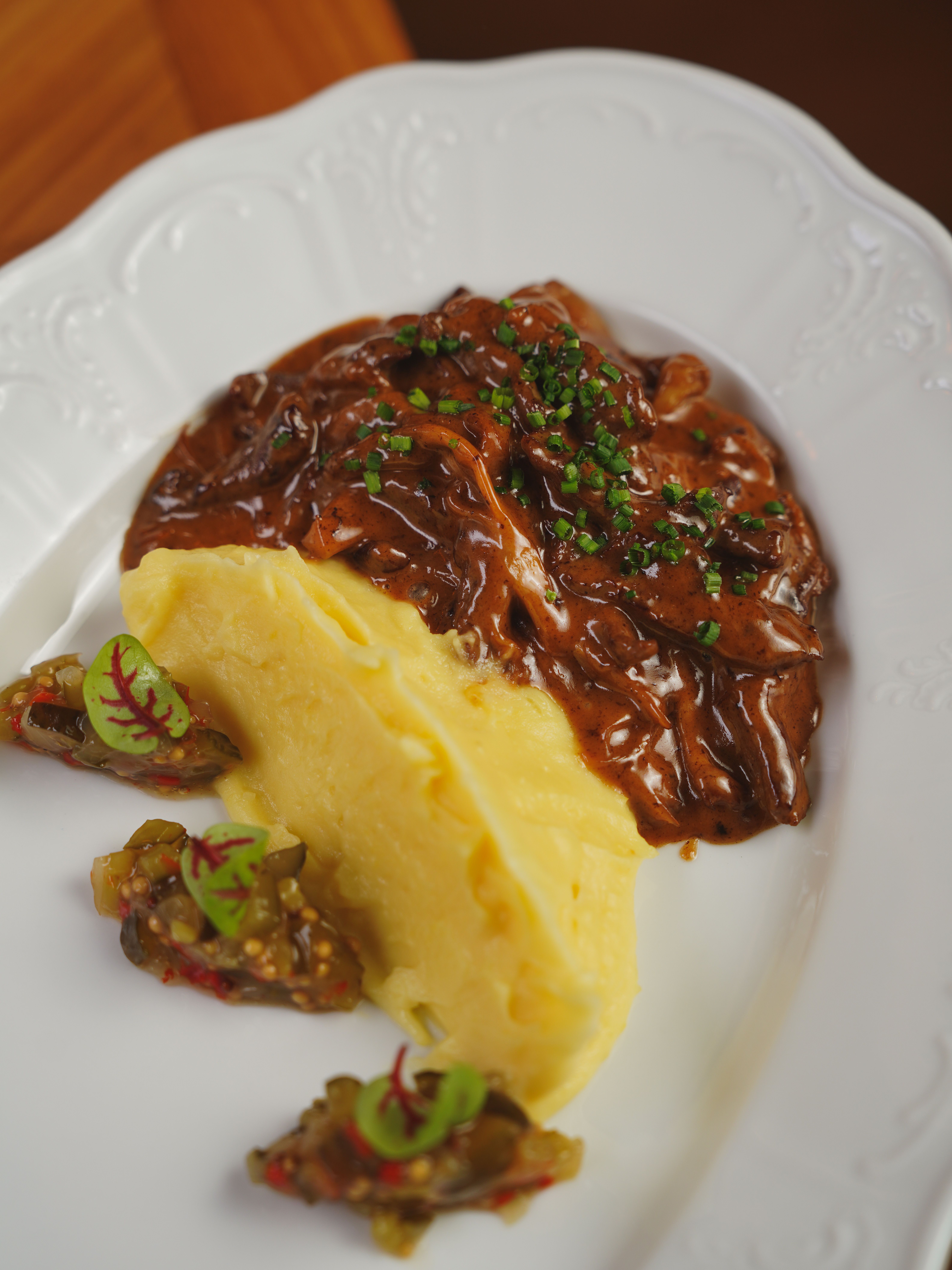
Poronkaristys
The diets react (see scores below)
Common Ingredients
- reindeer
- butter
- onion
- water
- lingonberries
- potatoes
- black pepper
Specific recipes may vary.
Incompatible with 6 of 11 diets
Diet Ratings
Poronkaristys is a traditional Finnish braised reindeer dish that, as traditionally served, includes two major keto-incompatible components: potatoes and lingonberries. Potatoes are a high-starch vegetable with roughly 15-17g net carbs per 100g, and a standard serving easily pushes well past the daily keto carb limit on its own. Lingonberries, while lower in sugar than many fruits, are still a carb-contributing ingredient and are often served sweetened. The reindeer meat itself is excellent for keto — lean game protein cooked in butter is ideal — and the onion and black pepper are fine in typical quantities. However, the dish as traditionally prepared and served cannot be considered keto-compatible due to the potato component. A modified version omitting potatoes and limiting lingonberries could be made keto-friendly, but the traditional dish as described must be avoided.
Poronkaristys is a traditional Finnish sautéed reindeer dish. It contains two clear animal-derived ingredients: reindeer (game meat) and butter (dairy). Both are explicitly excluded under vegan diet rules. There is no ambiguity here — this dish is fundamentally built on animal products and is entirely incompatible with a vegan diet.
Poronkaristys is a traditional Finnish sautéed reindeer dish. Most ingredients are paleo-friendly: reindeer is an excellent wild game protein, onion is a paleo vegetable, water is neutral, lingonberries are a wild fruit firmly in the paleo tradition, and black pepper is an approved spice. However, two ingredients create complications. Butter is a dairy product — excluded by strict Cordain-school paleo, though many modern paleo practitioners accept it, particularly if grass-fed. Potatoes are the more significant issue: white potatoes are discouraged by The Paleo Diet's official guidelines and were originally excluded by Cordain, yet they are now widely accepted by Mark Sisson, Whole30, and much of the modern paleo community. The combination of both debated ingredients (butter + white potatoes) pulls the dish into caution territory rather than approval, even though the core protein and other components are exemplary paleo foods.
Strict Cordain-school paleo would flag both butter (all dairy derivatives excluded) and white potatoes (high glycemic index, excluded in The Paleo Diet's official guide). Conversely, a more permissive modern paleo perspective (Sisson's Primal Blueprint, Whole30) would accept both, potentially rating this dish as an approve given its wild game centerpiece and wild berry accompaniment.
Poronkaristys is a traditional Finnish reindeer dish that conflicts with Mediterranean diet principles on multiple fronts. Reindeer is a red/game meat, placing it in the 'limit to a few times per month' category. Butter is used as the cooking fat rather than olive oil, directly contradicting the Mediterranean diet's primary fat principle. The dish is also inherently non-Mediterranean in its culinary tradition. While potatoes, onion, and lingonberries are plant-based positives, they do not redeem the overall profile. The combination of red/game meat cooked in butter makes this dish a poor fit for regular Mediterranean diet adherence.
Some Mediterranean diet interpreters distinguish wild game from conventionally raised red meat, arguing that reindeer — being lean, wild-caught, and unprocessed — is nutritionally superior to farmed beef or pork. Under this view, occasional consumption of lean wild game could be treated similarly to poultry or moderate red meat allowances, potentially lifting the verdict to 'caution' rather than 'avoid.'
Poronkaristys is a traditional Finnish reindeer stew that, while centered on an excellent carnivore protein (reindeer — a ruminant game meat), is disqualifying due to multiple plant-based ingredients. Onion, lingonberries, potatoes, and black pepper are all plant-derived and excluded on a carnivore diet. Lingonberries and potatoes in particular are significant carbohydrate sources. The dish as prepared is fundamentally incompatible with carnivore principles. The reindeer meat and butter are ideal carnivore foods, but the overall dish cannot be approved in its traditional form.
Poronkaristys is a traditional Finnish sautéed reindeer dish. Most of the ingredients are Whole30-compliant: reindeer (game meat), onion, water, lingonberries, potatoes, and black pepper are all fine. However, the recipe calls for regular butter, which is explicitly excluded on Whole30. Only ghee or clarified butter is permitted as the dairy exception — regular butter is not allowed. If butter were substituted with ghee or a compliant fat (e.g., coconut oil or lard), the dish would be fully compliant.
Poronkaristys contains two significant high-FODMAP ingredients that make it unsuitable during the elimination phase. Onion is one of the highest-FODMAP foods tested by Monash University, containing large amounts of fructans even in small quantities — there is no safe serving size for onion during elimination. Lingonberries are also high in polyols (sorbitol) at typical serving sizes, adding a second FODMAP load. The remaining ingredients are largely low-FODMAP: reindeer meat is a plain protein (low-FODMAP), butter is low-FODMAP (fat, negligible lactose), water is neutral, potatoes are low-FODMAP at a standard ~150g serving, and black pepper is low-FODMAP at culinary amounts. However, the onion alone is sufficient to categorize the dish as avoid — it is a core structural ingredient in Poronkaristys, not a trace seasoning, and cannot realistically be reduced to a FODMAP-safe level within the dish as traditionally prepared. Lingonberries compound the problem. The dish would require substantial reformulation (omitting onion, substituting garlic-infused oil, and limiting or omitting lingonberries) to be considered low-FODMAP.
Poronkaristys (Finnish sautéed reindeer) presents a mixed DASH profile. Reindeer is a lean game meat, lower in saturated fat than beef and rich in protein, making it a better red meat choice — but DASH still emphasizes limiting red meat in general, even lean cuts. The dish includes butter, which adds saturated fat contrary to DASH principles (DASH favors vegetable oils over butter). However, the recipe lacks added sodium beyond natural sources, which is favorable. Lingonberries provide antioxidants and align with DASH's fruit emphasis. Potatoes contribute potassium and fiber, supporting DASH goals. Onion and black pepper are DASH-friendly. The main concerns are the butter (saturated fat) and the red meat classification of reindeer. If butter were replaced with a small amount of canola or olive oil, the score would rise closer to 7. As traditionally prepared, this dish is acceptable in moderate portions but not a core DASH meal.
NIH DASH guidelines broadly categorize red meat (including game) as something to limit, but some DASH-oriented clinicians and updated interpretations note that very lean game meats like reindeer have a fat profile closer to poultry or fish than to beef, and may be treated more permissively in moderate portions. The butter concern is clear under standard DASH, though the quantity used in home preparation varies considerably.
Poronkaristys (Finnish sautéed reindeer) presents a mixed Zone Diet profile. On the positive side, reindeer meat is a very lean game protein, rich in omega-3 fatty acids relative to conventional meats, and aligns well with Zone's preference for lean, anti-inflammatory proteins. However, the dish as traditionally prepared has significant Zone challenges: (1) Potatoes are a high-glycemic carbohydrate explicitly flagged as unfavorable in Zone methodology — they spike blood sugar and are difficult to balance in a Zone block structure. (2) Butter is a saturated fat source, not the preferred monounsaturated fat (olive oil, avocado, almonds). (3) Lingonberries, while low-glycemic and polyphenol-rich (a Zone positive), are a minor redeeming element. The overall dish, as traditionally served with a substantial portion of potatoes and butter, would be carbohydrate-heavy and fat-imbalanced from a Zone perspective. With modifications — reducing potatoes dramatically or substituting with a low-GI vegetable like cauliflower, reducing butter and adding olive oil — the dish could become more Zone-compatible. The reindeer protein itself is genuinely excellent for Zone purposes.
Some Zone practitioners and later Sears writings take a more nuanced view of saturated fat, particularly from natural, pasture-raised or wild animal sources. Reindeer butter fat from traditional Nordic diets may be viewed more favorably in Sears' later anti-inflammatory framework. Additionally, a small portion of potatoes (half a block) could technically fit within a carefully portioned Zone meal, making this dish salvageable with careful measurement rather than a strict avoid.
Poronkaristys is a traditional Finnish slow-cooked reindeer dish with a mixed anti-inflammatory profile. Reindeer (caribou) is a form of lean game meat with a notably favorable fat profile compared to conventional red meat — wild reindeer graze on lichen and forage, giving their meat a higher omega-3 content and a better omega-3:omega-6 ratio than feedlot beef or pork. This positions it more favorably than conventional red meat on the anti-inflammatory spectrum. However, it is still red meat and carries some arachidonic acid, and anti-inflammatory frameworks generally categorize all red meat as 'moderate' or 'limit.' Butter is a saturated fat that anti-inflammatory guidelines recommend limiting. Onion provides quercetin and anti-inflammatory flavonoids (positive). Lingonberries are a genuine anti-inflammatory asset — rich in anthocyanins, polyphenols, and antioxidants, with research suggesting they reduce oxidative stress and inflammatory markers. Potatoes are neutral to mildly positive — whole, unprocessed potatoes provide resistant starch and vitamin C, though they are a nightshade and some AIP-style protocols flag them. Black pepper contains piperine, which has anti-inflammatory properties and enhances absorption of other compounds. Overall, the dish has meaningful anti-inflammatory components (lingonberries, onion, game meat's superior fat profile, black pepper) offset by butter and red-meat classification. It's a 'caution' — acceptable occasionally, better than conventional red meat dishes, but not optimized for anti-inflammatory eating.
Some anti-inflammatory researchers and practitioners, particularly those following the Autoimmune Protocol (AIP) or stricter frameworks, would rate this more negatively due to its red meat classification, butter content, and the nightshade status of potatoes. Conversely, proponents of traditional and ancestral diets (including those influenced by Dr. Paul Saladino's nose-to-tail approach) would argue that wild or semi-wild game like reindeer, with its superior omega-3 content and absence of industrial processing, is meaningfully different from conventional red meat and closer to 'approve' territory.
Poronkaristys (Finnish sautéed reindeer) is a traditional dish with a mixed GLP-1 profile. Reindeer meat is a genuinely lean game protein — leaner than beef and comparable to venison — making it a reasonable protein source that supports the #1 dietary priority. However, the dish is traditionally prepared with a notable amount of butter, which introduces saturated fat that can worsen GLP-1 side effects like nausea, bloating, and reflux. Potatoes provide some fiber and micronutrients but are starchy and moderately calorie-dense with limited protein contribution. Lingonberries add a small fiber and antioxidant benefit. Onion adds minimal fiber. The overall dish is not fried, which is a positive, and the cooking method (slow sauté/braise with water) keeps it more digestible than heavy fried preparations. The main concerns are the butter quantity and the relatively low fiber-to-calorie ratio of the full plate. If prepared with reduced butter (substituting olive oil or reducing fat overall) and served with a smaller potato portion alongside a high-fiber vegetable, this dish improves meaningfully. As traditionally served, it falls in the caution range — acceptable occasionally but not optimized for GLP-1 patients.
Some GLP-1-focused dietitians may rate reindeer-based dishes more favorably given that game meats are among the leanest available red meat proteins, arguing the saturated fat load is modest compared to beef or lamb preparations. Others would flag any butter-forward red meat dish as a consistent GI trigger for GLP-1 patients and recommend avoiding it until side effects stabilize, noting that individual tolerance to fat-cooked red meat varies considerably on these medications.
*See how scores were generated at our methodology page.
Nutritional profile
Six traits that cut across every diet.
Fiber & Plants
How much whole-plant food and fiber it delivers.
Healthy Fats
The quality of its fats (unsaturated, omega-3).
Whole / Unprocessed
How close it is to its natural, unprocessed form.
Gut Gentle
How easy it is on digestion (low FODMAP, few irritants).
Low Glycemic
How little it spikes your blood sugar.
Protein Density
How much protein it packs per calorie.
Controversy Index
Higher controversy = more disagreement between diets.
Diet-Specific Tips
 Paleo — 5/10
View tips
- Reindeer is wild game — an ideal paleo protein source
- Lingonberries are a wild fruit with strong paleo credentials
- Butter is dairy — excluded by strict Cordain paleo, accepted by many modern paleo practitioners
- White potatoes are officially discouraged by The Paleo Diet but accepted by Whole30 and Mark Sisson
- Black pepper and onion are fully paleo-approved
- No grains, legumes, seed oils, or refined sugar present
- Two debated ingredients appearing together shifts verdict to caution
 DASH — 5/10
View tips
- Reindeer is a lean game meat but still classified as red meat under DASH guidelines
- Butter adds saturated fat, which DASH limits — replacing with canola/olive oil would improve compliance
- Low added sodium across ingredients is a significant DASH-positive factor
- Lingonberries contribute fruit servings, antioxidants, and fiber — DASH-aligned
- Potatoes provide potassium and complex carbohydrates, supporting DASH mineral goals
- No processed ingredients or added sugars detected
- Portion size of meat is critical — DASH recommends ≤6 oz lean meat/poultry/fish per day
 Zone — 4/10
View tips
- Reindeer is an excellent lean game protein with favorable omega-3 profile — strong Zone positive
- Potatoes are explicitly unfavorable/high-glycemic carbohydrates in Zone methodology
- Butter is a saturated fat, not the preferred monounsaturated fat source
- Lingonberries are low-glycemic and polyphenol-rich — a Zone-positive element
- Traditional serving portions are likely carbohydrate-heavy relative to Zone 40/30/30 ratio
- Dish can be made Zone-compatible with significant modifications: swap potatoes for low-GI vegetables, reduce butter
 Anti-Inflammatory — 5/10
View tips
- Reindeer is lean game meat with a better omega-3:omega-6 ratio than conventional red meat due to wild/semi-wild foraging diet
- Still classified as red meat — anti-inflammatory frameworks recommend limiting all red meat regardless of source
- Butter contributes saturated fat, which anti-inflammatory guidelines recommend limiting
- Lingonberries are a strong anti-inflammatory asset — high in anthocyanins, polyphenols, and antioxidants
- Onion provides quercetin and flavonoids with documented anti-inflammatory effects
- Black pepper contains piperine, a mild anti-inflammatory compound
- Potatoes are whole and unprocessed — neutral to mildly positive, though flagged by some AIP protocols as a nightshade
- Traditional preparation without processed ingredients, additives, or refined oils is a positive structural feature
 GLP-1 Friendly — 5/10
View tips
- Reindeer is a very lean game meat — lower saturated fat than beef or pork, good protein density
- Butter is a significant source of saturated fat that can worsen GLP-1 nausea and reflux
- Potatoes are starchy with moderate fiber — portion size is important
- Lingonberries add fiber and antioxidants in small amounts
- Braised/sautéed preparation is more GLP-1 friendly than fried, but fat content still a concern
- Dish is low in fiber overall relative to GLP-1 targets of 25–30g daily
- No major avoid-category ingredients (not fried, not spicy, no alcohol, no carbonation)
- Would improve significantly with reduced butter and added non-starchy vegetables