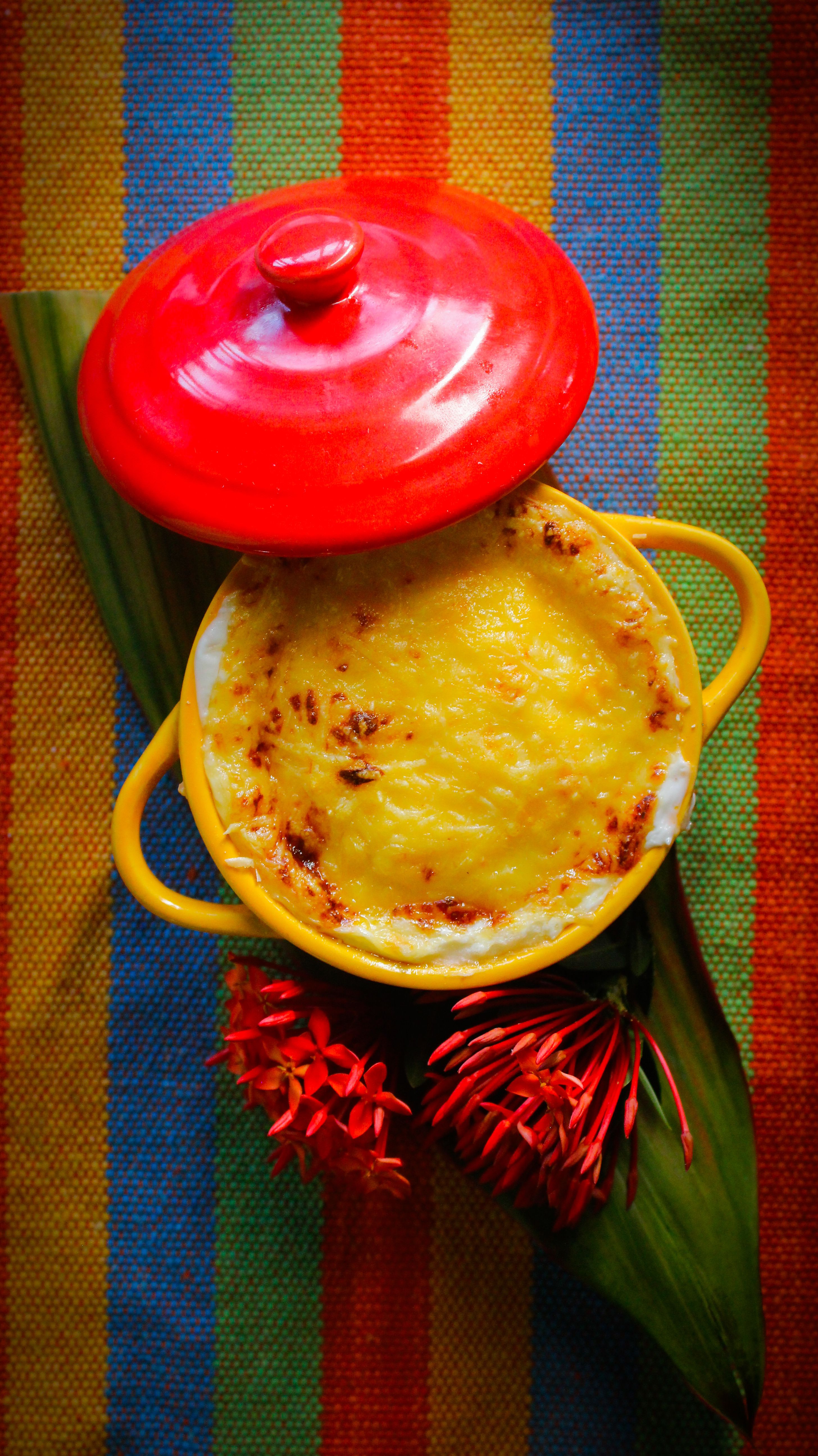
Photo: Caio Niceas / Pexels
The diets react (see scores below)
Common Ingredients
- salt cod
- potatoes
- garlic
- olive oil
- milk
- cream
- lemon
Specific recipes may vary.
Incompatible with 7 of 11 diets
Diet Ratings
Brandade is fundamentally incompatible with ketogenic diets due to the inclusion of potatoes as a primary ingredient. Potatoes are a high-starch vegetable with approximately 15-17g net carbs per 100g. Traditional brandade de morue contains a significant proportion of potatoes blended with the salt cod, easily pushing a single serving well over the 20-50g daily net carb limit. While the salt cod, olive oil, cream, and garlic components are keto-friendly, the potato content is the disqualifying factor. Some modern versions exist that use cauliflower instead of potatoes, but the traditional dish as described here with potatoes is a clear avoid.
Brandade contains multiple animal-derived ingredients that disqualify it entirely from a vegan diet. Salt cod is a fish product, milk and cream are dairy products — all of which are explicitly excluded under any definition of veganism. There is no ambiguity here: this dish is built around animal products as its core components, not as trace additives or processing aids.
Brandade contains multiple non-paleo ingredients that disqualify it clearly. Salt cod introduces added salt, a prohibited additive. Milk and cream are dairy products, excluded across virtually all paleo frameworks. White potatoes are debated but even in their most accepted form they are a gray-area ingredient — here they are compounded by the other violations. The dish as a whole is a processed, emulsified condiment combining dairy, heavily salted fish, and a debated tuber, making it firmly non-paleo regardless of which school of thought is applied. Olive oil, garlic, and lemon are the only fully paleo-compliant components.
Brandade de morue is a traditional Provençal dish built around salt cod (an excellent Mediterranean fish protein), garlic, olive oil, and lemon — all core Mediterranean ingredients. The fish base and olive oil are strongly aligned with Mediterranean principles. However, the inclusion of cream and milk adds significant saturated fat beyond what the diet typically endorses, and potatoes are a neutral starchy base. The dish is also relatively high in sodium due to the salt cod. As a condiment or spread used in moderate portions, it is acceptable and carries genuine Mediterranean culinary heritage, but the dairy fat content prevents a full approval.
Traditional Provençal brandade (particularly the Nîmes version) actually excludes potatoes and uses only salt cod, olive oil, and garlic, which would score higher under strict Mediterranean guidelines. Some modern interpretations argue the cream and milk additions are a French culinary overlay on a fundamentally Mediterranean dish, and that consumed as a condiment in small amounts, the dairy content is negligible.
Brandade is fundamentally incompatible with the carnivore diet. While it does contain salt cod (an acceptable animal protein) and dairy (milk, cream — debated but not disqualifying on their own), the dish is dominated by plant-based ingredients that are strictly excluded: potatoes (starchy vegetable/tuber), garlic (allium vegetable), olive oil (plant-derived oil), and lemon (citrus fruit). The majority of the ingredient list is plant-derived, making this dish a clear avoid regardless of which tier of carnivore eating one follows. Even the most lenient 'animal-based' practitioners would reject potatoes, olive oil, and lemon as core components of a dish.
Brandade contains milk and cream, both of which are dairy products explicitly excluded on the Whole30 program. While the other ingredients — salt cod (fish), potatoes, garlic, olive oil, and lemon — are all Whole30-compliant, the inclusion of dairy disqualifies this dish entirely. There is no ambiguity here: milk and cream are on the excluded list, with the only dairy exception being ghee and clarified butter. A dairy-free version substituting olive oil or compliant plant-based alternatives for the milk and cream could potentially be made compliant.
Brandade contains multiple high-FODMAP ingredients that make it unsuitable during the elimination phase. Garlic is one of the highest-FODMAP foods tested by Monash University, containing significant fructans even in small quantities. Milk and cream both contain lactose, which is a disaccharide FODMAP — cream is lower in lactose than milk but both contribute lactose load in a dish like brandade where they are used in meaningful quantities. The combination of garlic plus lactose-containing dairy makes this dish clearly high-FODMAP. Salt cod itself is low-FODMAP (plain fish is always safe), potatoes are low-FODMAP at a standard serving (Ash potato is low-FODMAP up to 1 medium), olive oil is low-FODMAP, and lemon juice is low-FODMAP. However, the garlic alone disqualifies this dish for elimination phase — it cannot simply be reduced to a 'trace' amount as it is a defining flavor component of the recipe. The dairy content compounds the problem. A modified brandade could theoretically be made FODMAP-safe using garlic-infused oil instead of garlic, and lactose-free cream/milk substitutes, but traditional brandade as described must be avoided.
Brandade is primarily problematic for DASH due to its salt cod base. Salt cod is one of the highest-sodium foods in existence, typically containing 1,500–2,000mg of sodium per 100g even after soaking and desalting — a single serving can easily exceed the entire daily sodium budget on either the standard DASH (2,300mg) or low-sodium DASH (1,500mg) threshold. Beyond sodium, the dish contains cream, which is high in saturated fat and full-fat dairy — both explicitly limited on DASH. While several ingredients are DASH-friendly (olive oil, potatoes, garlic, lemon, even milk in moderation), the twin problems of extreme sodium from the cured fish and saturated fat from cream make this dish incompatible with DASH as typically prepared. The fish component itself (cod) would be excellent for DASH if fresh, but the salt-curing process disqualifies the ingredient here. Low-sodium adaptations using fresh cod instead of salt cod would dramatically change the assessment.
Brandade is a classic Provençal dish that blends salt cod with potatoes, garlic, olive oil, milk, and cream. From a Zone perspective, it has both favorable and unfavorable elements. The salt cod is an excellent lean protein source — Zone-friendly, low-fat, and rich in omega-3s. Olive oil is a preferred monounsaturated fat in the Zone framework. However, potatoes are explicitly classified as an 'unfavorable' high-glycemic carbohydrate by Dr. Sears — they spike insulin and are on the Zone's avoid list for carb sources. The cream adds saturated fat, pushing the fat profile away from the preferred monounsaturated-dominant pattern. As a condiment or spread, portion sizes are typically small, which mitigates the potato and cream concerns somewhat. A small serving alongside favorable Zone carbs (vegetables) could work, but the potato base and cream content make it difficult to use as a primary meal component without disrupting the 40/30/30 ratio. The high sodium content from salt cod is also worth noting for overall health, though Zone doesn't specifically penalize sodium.
Some Zone practitioners in the Mediterranean tradition may view brandade more favorably, noting that the olive oil and fish base align with Sears' anti-inflammatory and omega-3 emphasis in his later writings (The OmegaRx Zone). In small condiment portions, the potato and cream content may be negligible enough that the dish functions acceptably as a flavor element in an otherwise balanced Zone meal. Additionally, Sears' later work placed less absolute emphasis on glycemic index and more on overall eicosanoid balance, under which the omega-3-rich cod and polyphenol-rich olive oil could partially offset the unfavorable carb profile.
Brandade is a classic Provençal dish with a genuinely mixed anti-inflammatory profile. On the positive side: salt cod (bacalao) is a lean white fish that, while not as omega-3-rich as fatty fish like salmon, still provides beneficial protein and some omega-3s. Garlic is a well-documented anti-inflammatory ingredient with allicin and organosulfur compounds. Olive oil is a cornerstone of anti-inflammatory eating, providing oleocanthal and monounsaturated fats. Lemon adds antioxidant vitamin C and flavonoids. Potatoes are a neutral-to-modest whole food carbohydrate. The problematic elements are the cream and milk: cream is a full-fat dairy product with meaningful saturated fat content, which anti-inflammatory guidelines recommend limiting. Traditional brandade recipes can be quite heavy on both olive oil and cream together, pushing the saturated fat load higher. The high sodium from salt cod is also worth noting — while sodium is not directly pro-inflammatory, excess sodium is associated with endothelial stress and may be a concern for some. Overall, the dish sits in the moderate zone: lean fish and olive oil are strong positives, but the cream pulls it toward caution rather than approval. Prepared with less cream and more olive oil — as some versions do — it would score closer to 6-7.
Some anti-inflammatory practitioners, particularly those influenced by Mediterranean diet research, would be more permissive: the dish is fundamentally olive oil, fish, and garlic — core Mediterranean foods — and small amounts of dairy in a traditional recipe context are considered acceptable by Dr. Weil's framework and Mediterranean diet authorities. Conversely, stricter anti-inflammatory protocols (e.g., those targeting autoimmune conditions) would flag both the dairy and the high sodium from salt cod as concerns warranting avoidance.
Brandade is a traditional French preparation of salt cod emulsified with potatoes, olive oil, milk, and cream. The salt cod base is an excellent lean protein source, but the dish is significantly enriched with cream and olive oil during preparation, driving up fat content substantially. A typical serving contains moderate protein (roughly 10-15g depending on cod-to-potato ratio), meaningful saturated fat from cream, and unsaturated fat from olive oil. The potato base adds digestible carbohydrates with low fiber. The emulsified, smooth texture is actually a positive for GLP-1 patients — it is easy to digest and gentle on a slowed GI tract. Sodium content from the salt cod can be high even after soaking, which matters for patients with cardiovascular comorbidities common in the GLP-1 population. The dish is typically served as a spread or dip in small portions, which aligns with small-portion-friendly eating, but the caloric density from fat means those small portions are not particularly nutrient-dense per calorie relative to simpler fish preparations. As a condiment or appetizer in a small amount, it is acceptable. As a primary protein source it underdelivers relative to plain salt cod or other lean fish dishes.
Some GLP-1-focused dietitians may rate this more favorably when portioned as a condiment, noting that the olive oil contributes beneficial unsaturated fats and the fish base provides complete protein — the concern is whether patients can reliably limit to a true condiment portion. Others would flag the cream content as a consistent nausea risk given how GLP-1 medications affect fat digestion tolerance, particularly in the early weeks of treatment.
*See how scores were generated at our methodology page.
Nutritional profile
Six traits that cut across every diet.
Fiber & Plants
How much whole-plant food and fiber it delivers.
Healthy Fats
The quality of its fats (unsaturated, omega-3).
Whole / Unprocessed
How close it is to its natural, unprocessed form.
Gut Gentle
How easy it is on digestion (low FODMAP, few irritants).
Low Glycemic
How little it spikes your blood sugar.
Protein Density
How much protein it packs per calorie.
Controversy Index
Higher controversy = more disagreement between diets.
Diet-Specific Tips
 Mediterranean — 6/10
View tips
- Salt cod is an excellent, traditional Mediterranean fish protein
- Olive oil and garlic are core Mediterranean staples
- Cream adds saturated fat inconsistent with Mediterranean fat profile
- Potatoes are a neutral starch with moderate glycemic impact
- High sodium content from salt cod warrants moderation
- Provençal culinary heritage gives this dish legitimate Mediterranean roots
- Used as a condiment, portion size limits impact of less ideal ingredients
 Zone — 5/10
View tips
- Salt cod is an excellent lean protein source, Zone-favorable
- Olive oil is a preferred monounsaturated fat in Zone methodology
- Potatoes are explicitly 'unfavorable' high-glycemic carbohydrates in Zone
- Cream adds saturated fat, less preferred than monounsaturated sources
- Small condiment portions reduce the impact of unfavorable ingredients
- High sodium from salt cod is a general health consideration
- Dish is protein-forward but carb profile is problematic for Zone balance
 Anti-Inflammatory — 5/10
View tips
- Salt cod provides lean protein with modest omega-3 content — less beneficial than fatty fish but not pro-inflammatory
- Olive oil is a core anti-inflammatory fat, rich in oleocanthal and monounsaturated fatty acids
- Garlic contributes allicin and organosulfur anti-inflammatory compounds
- Cream is a full-fat dairy product high in saturated fat — flagged for limitation in anti-inflammatory guidelines
- High sodium content from salt cod may be a concern for vascular inflammation in sensitive individuals
- Lemon adds modest antioxidant benefit (vitamin C, flavonoids)
- Potatoes are a neutral whole-food carbohydrate with some anti-inflammatory micronutrients (potassium, vitamin C)
- Overall dish balance depends heavily on the cream-to-olive-oil ratio used
 GLP-1 Friendly — 5/10
View tips
- Lean salt cod protein base is GLP-1 positive but protein density per serving is diluted by potato and fat enrichment
- Cream adds saturated fat that may worsen nausea and GI side effects
- Olive oil is a preferred fat source but contributes to high caloric density
- Smooth emulsified texture is easy to digest — positive for slowed gastric emptying
- Very low fiber content from potatoes
- High residual sodium from salt cod even after desalting
- Small condiment portions mitigate risks but limit protein contribution per eating occasion