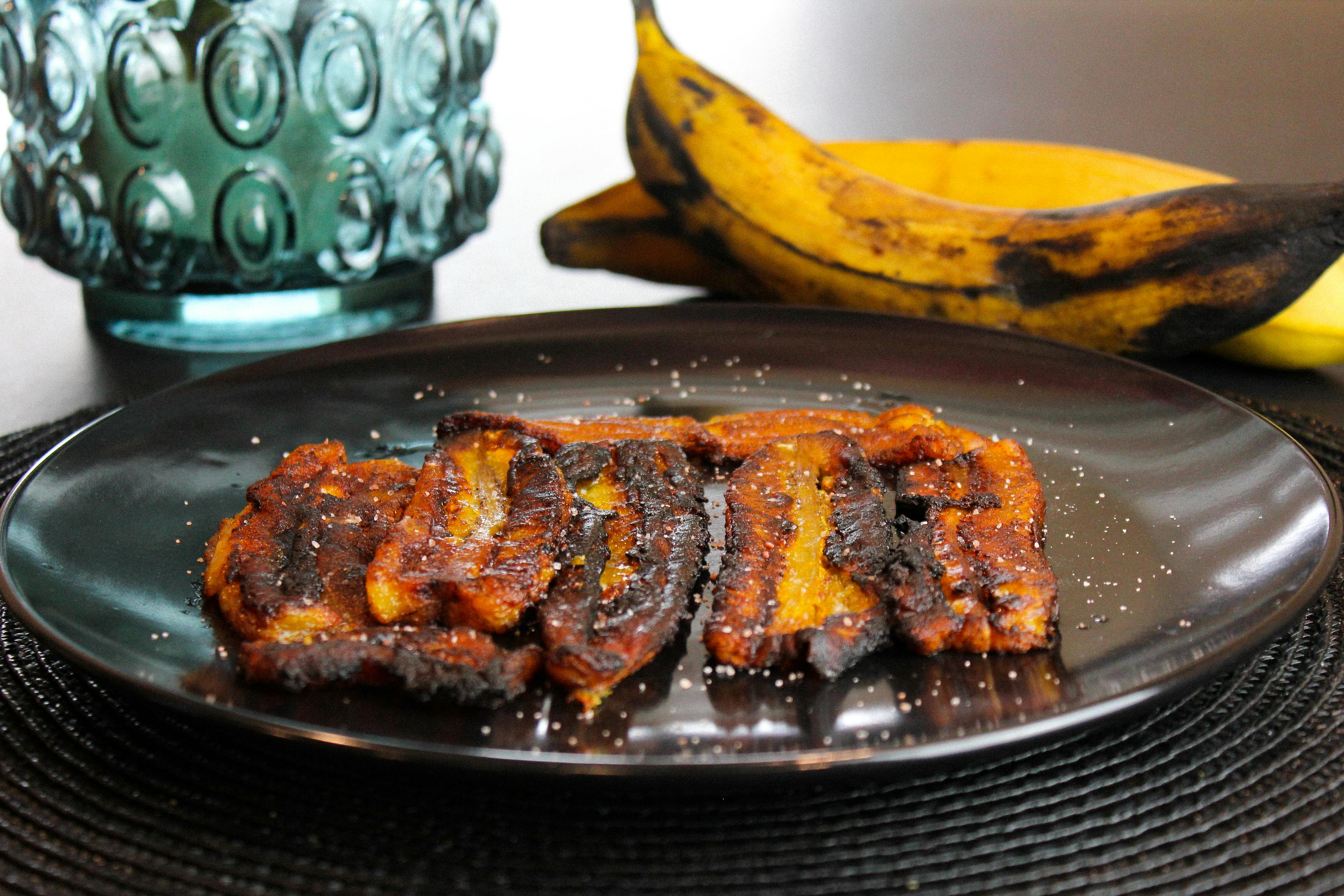
The diets react (see scores below)
Common Ingredients
- ripe plantains
- ginger
- scotch bonnet peppers
- onion
- cloves
- nutmeg
- salt
- vegetable oil
Specific recipes may vary.
Incompatible with 5 of 11 diets
Diet Ratings
Kelewele is a Ghanaian spiced fried plantain snack made primarily from ripe plantains, which are extremely high in net carbs. A single medium ripe plantain contains approximately 50-55g of net carbs — already exceeding the entire daily keto limit in one serving. Ripe plantains are also high in natural sugars (sucrose, glucose, fructose), making them doubly incompatible with ketosis. While the spices (ginger, scotch bonnet, cloves, nutmeg) and frying oil are keto-friendly, the dominant ingredient — ripe plantain — is fundamentally incompatible with a ketogenic diet. There is no portion size small enough to make this snack fit within a 20-50g daily net carb budget while leaving room for any other food intake.
Kelewele is a traditional Ghanaian spiced fried plantain snack made entirely from whole plant foods. Every ingredient — ripe plantains, ginger, scotch bonnet peppers, onion, cloves, nutmeg, and salt — is plant-derived, and the dish is fried in vegetable oil. There are no animal products, animal-derived ingredients, or meaningful ethical concerns associated with this dish. It qualifies as both vegan and whole-food-plant-based, with minimal processing. The score is 9 rather than 10 primarily because deep-frying in oil is a less health-optimal preparation method compared to, say, baking or steaming, but this does not affect its vegan status.
Kelewele contains two clear paleo violations: salt (added salt is excluded from paleo) and vegetable oil (a seed/refined oil that is explicitly avoided in paleo — palm oil or coconut oil would be acceptable substitutes). While the base ingredients — ripe plantains, ginger, scotch bonnet peppers, onion, cloves, and nutmeg — are all paleo-approved whole foods, the combination of added salt and vegetable oil disqualifies this dish as prepared. Ripe plantains themselves are paleo-friendly as a whole fruit/starchy carbohydrate, and the spice blend is excellent from a paleo perspective. However, the cooking medium and seasoning as listed make this a non-compliant dish in its traditional form.
Kelewele is a Ghanaian spiced fried plantain snack made from whole, plant-based ingredients. The core components — ripe plantains, ginger, scotch bonnet peppers, onion, and spices — are all whole foods that align well with Mediterranean diet principles emphasizing vegetables, fruits, and plant-forward eating. Plantains are a nutritious starchy fruit with fiber and micronutrients. However, the dish is deep-fried in vegetable oil rather than olive oil, which is a notable divergence from Mediterranean fat principles. The type of vegetable oil matters: if a neutral refined oil (e.g., palm or sunflower) is used, it lacks the polyphenol benefits of extra virgin olive oil and may introduce less favorable fat profiles. The frying method also increases caloric density and can diminish some nutritional quality. The dish contains no red meat, added sugars, or refined grains, which is positive. Overall, this is a plant-based snack that is acceptable in moderation but not a Mediterranean staple due to frying and non-olive oil use.
Some modern Mediterranean diet interpreters take a broader view, emphasizing the plant-based, whole-food composition over strict adherence to olive oil as the sole fat. From this perspective, Kelewele's all-plant ingredient list, anti-inflammatory spices (ginger, cloves, nutmeg), and absence of processed ingredients could warrant a more favorable 'approve' rating, particularly if prepared with a heart-healthy oil like olive or avocado oil.
Kelewele is a Ghanaian spiced fried plantain snack that is entirely plant-based. Every single ingredient — ripe plantains, ginger, scotch bonnet peppers, onion, cloves, nutmeg, and vegetable oil — is excluded on the carnivore diet. Plantains are a starchy fruit, all the spices and aromatics are plant-derived, and vegetable oil is a seed/plant oil that carnivore practitioners universally reject. There is no animal product whatsoever in this dish. This is as far from carnivore-compatible as a food can get.
Kelewele is a Ghanaian spiced fried plantain snack. All listed ingredients — ripe plantains, ginger, scotch bonnet peppers, onion, cloves, nutmeg, salt, and vegetable oil — are individually Whole30-compliant. There are no excluded ingredients in the recipe itself. However, two considerations push this toward 'caution' rather than a clean approve: (1) Kelewele is a fried snack food that mimics the role of chips or fritters in the diet — the Whole30 program explicitly discourages French fries and similar fried starchy snacks under its 'no junk food recreation' spirit, even when technically compliant ingredients are used. (2) 'Vegetable oil' is a vague ingredient that could include soy oil (excluded due to soy) or other non-compliant oils. Compliant frying oils would be coconut oil, avocado oil, or olive oil. If a clearly compliant oil is used and this is consumed occasionally rather than as a habitual snack replacement, it can be acceptable — but the fried snack nature warrants a caution flag.
The official Whole30 guidelines by Melissa Urban permit all the whole-food ingredients in kelewele, and plantains are simply a starchy vegetable. However, the Whole30 community and spirit of the program discourage fried starchy snacks like this — the program explicitly calls out french fries and chips as off-limits even with compliant oil, and kelewele occupies a similar snack-food niche that some practitioners argue undermines the behavioral reset the program aims to achieve.
Kelewele contains two significant high-FODMAP ingredients that make it problematic during the elimination phase: onion and cloves. Onion is one of the highest-FODMAP foods due to fructans and should be avoided entirely in elimination. Cloves contain moderate-to-high fructans at typical culinary quantities. Ripe plantains are also borderline — Monash data indicates ripe plantain (the sweeter, yellow-to-black variety used in kelewele) becomes high-FODMAP at a standard serving (~75g or roughly 1/2 a medium plantain) due to excess fructose and polyols accumulating as the fruit ripens and starch converts to sugars. Ginger is low-FODMAP in culinary amounts. Scotch bonnet peppers are low-FODMAP in small quantities. Vegetable oil and salt are FODMAP-free. The combination of onion (unavoidable high-FODMAP trigger), cloves (fructan-containing spice used in meaningful quantity), and ripe plantain (borderline at standard serving) makes this dish unsuitable during the elimination phase without significant reformulation.
Monash University confirms onion as a high-FODMAP food regardless of preparation method, but some clinical FODMAP practitioners note that when onion is used in very small quantities purely as a spice, residual FODMAP load may be lower — however, this does not constitute standard practice during elimination. Ripe plantain's FODMAP status is less clearly tested by Monash than common fruits, and some practitioners allow small portions; the ripeness-dependent sugar profile means greener plantains would be safer, but kelewele traditionally uses fully ripe fruit.
Kelewele is a Ghanaian spiced fried plantain snack with several DASH-friendly components alongside meaningful concerns. Ripe plantains are excellent DASH foods — rich in potassium, fiber, and complex carbohydrates, aligning well with the diet's fruit and vegetable emphasis. The spices (ginger, scotch bonnet, cloves, nutmeg, onion) are all DASH-compatible and add flavor without sodium, which is ideal for reducing salt dependence. However, the primary concern is the deep-frying in vegetable oil, which significantly increases total fat content and caloric density. While vegetable oil (likely palm or neutral oil in Ghanaian cooking) is generally preferred over saturated animal fats in DASH, the quantity absorbed during deep-frying is substantial. Salt is added, though the amount is typically modest. The dish contains no lean protein, low-fat dairy, or whole grains — core DASH pillars — but functions reasonably well as an occasional snack. Portion control is essential. If pan-fried or air-fried with minimal oil and reduced salt, the score would rise to 6-7.
NIH DASH guidelines emphasize limiting total fat intake and control of added oils, which would flag deep-fried snacks even with otherwise healthy ingredients. However, updated clinical interpretations note that unsaturated vegetable oils used in moderate frying are far less concerning than saturated fats, and the high potassium content of ripe plantains may partially offset sodium concerns — some DASH-aligned dietitians would permit this as an occasional portion-controlled snack.
Kelewele is a Ghanaian spiced fried plantain snack that presents several Zone Diet challenges. Ripe plantains are high-glycemic carbohydrates — significantly more so than unripe plantains — and are explicitly categorized as 'unfavorable' carbs in Zone terminology due to their high sugar content and glycemic load, similar to bananas. The frying in vegetable oil (typically high in omega-6 polyunsaturated fats) adds fat that is anti-inflammatory in the wrong direction by Zone standards, which strongly favors monounsaturated fats and omega-3s while discouraging omega-6-heavy seed oils. As a snack, Kelewele provides essentially no protein (no primary protein listed), making it impossible to hit the 40/30/30 ratio without radical modification. The spices (ginger, scotch bonnet, cloves, nutmeg) are actually Zone-favorable due to their polyphenol and anti-inflammatory content — a genuine positive. However, the core of the dish is a high-glycemic carb fried in problematic oil with zero protein, which makes Zone balancing nearly impossible in any practical serving. It scores a 3 rather than 1-2 because small portions could theoretically serve as a carb block component within a larger balanced meal, and the spice profile is genuinely favorable.
Kelewele is a Ghanaian spiced fried plantain snack with a genuinely mixed anti-inflammatory profile. On the positive side, the spice blend is impressive: ginger and scotch bonnet peppers contain gingerols/shogaols and capsaicin respectively, both well-documented anti-inflammatory compounds. Cloves are among the highest antioxidant spices measured by ORAC. Nutmeg and onion (quercetin) also carry polyphenol benefits. Ripe plantains provide resistant starch, potassium, vitamin C, and B6, and their fiber supports gut health, which is linked to reduced systemic inflammation. The core concern is the frying in 'vegetable oil,' which in West African cooking typically refers to refined palm oil or generic high-omega-6 seed oils (sunflower, soybean, corn). These oils are flagged under anti-inflammatory rules: seed oils are debated, but regular deep-frying in refined high-omega-6 oils is consistently problematic — it shifts the omega-6:omega-3 ratio adversely and generates oxidized lipids and aldehydes at frying temperatures, which are pro-inflammatory. Ripe plantains are also higher in sugar than unripe ones, raising a moderate glycemic concern, though plantains are a whole food and fiber moderates the response. If prepared with extra virgin olive oil or coconut oil in smaller amounts, the dish would rate higher. As typically prepared with refined vegetable oil at frying temperatures, 'caution' is the appropriate verdict.
Some anti-inflammatory practitioners, particularly those aligned with traditional food advocates, would rate this more favorably, emphasizing the potent spice combination and whole-food plantain base as net beneficial — noting that the quantity of oil absorbed during frying is relatively modest and the vegetable oil concern is overblown. Conversely, strict anti-inflammatory protocols (like Dr. Weil's framework and AIP) would push this toward 'avoid' specifically because of repeated exposure to refined seed oils at high heat, which generates oxidized lipids that reliably elevate inflammatory markers.
Kelewele is a Ghanaian street snack made from ripe plantains deep-fried in vegetable oil and spiced with scotch bonnet peppers, ginger, and aromatic spices. It fails on multiple GLP-1 dietary criteria simultaneously. First, it is deep-fried, which significantly increases fat content and is a known trigger for nausea, bloating, and reflux in GLP-1 patients due to slowed gastric emptying. Second, ripe plantains are high in simple sugars and refined carbohydrates with a high glycemic load, offering minimal fiber relative to their sugar content and essentially no protein. Third, scotch bonnet peppers are among the hottest chili peppers commonly used in cooking and are likely to worsen GLP-1-associated GI side effects including nausea and acid reflux. Fourth, the dish is essentially empty calories from a GLP-1 perspective — high in fat and sugar, low in protein and fiber, with poor nutrient density per calorie. The only modest positives are that plantains contain some potassium and the spices (ginger, cloves, nutmeg) have mild digestive and anti-inflammatory properties, but these are far outweighed by the core drawbacks. This dish is not suitable for GLP-1 patients in its standard preparation.
*See how scores were generated at our methodology page.
Nutritional profile
Six traits that cut across every diet.
Fiber & Plants
How much whole-plant food and fiber it delivers.
Healthy Fats
The quality of its fats (unsaturated, omega-3).
Whole / Unprocessed
How close it is to its natural, unprocessed form.
Gut Gentle
How easy it is on digestion (low FODMAP, few irritants).
Low Glycemic
How little it spikes your blood sugar.
Protein Density
How much protein it packs per calorie.
Controversy Index
Higher controversy = more disagreement between diets.
Diet-Specific Tips
 Vegan — 9/10
View tips
- All ingredients are 100% plant-derived
- Ripe plantains are a whole food staple
- Spice blend (ginger, scotch bonnet, cloves, nutmeg) is fully plant-based
- Vegetable oil is the only processed ingredient and is vegan by definition
- No animal products, dairy, eggs, or animal-derived additives present
- Minimal processing — whole foods dominate the ingredient list
- Deep-frying slightly reduces its standing among whole-food plant-based advocates but does not affect vegan compliance
 Mediterranean — 5/10
View tips
- All ingredients are whole, plant-based foods — strongly positive
- Plantains are a nutritious starchy fruit with fiber and potassium
- Anti-inflammatory spices (ginger, cloves, nutmeg) align with Mediterranean flavor principles
- Deep-frying method increases caloric density and reduces nutritional quality
- Vegetable oil (likely not olive oil) diverges from Mediterranean fat guidelines
- No red meat, added sugars, or refined grains — positive alignment
- Not a traditional Mediterranean dish, but shares plant-forward ethos
 Whole30 — 5/10
View tips
- All individual ingredients are Whole30-compliant whole foods
- Vegetable oil is ambiguous — must be a compliant oil (coconut, avocado, olive) and not soy or corn oil
- Fried starchy snack format conflicts with Whole30's spirit against recreating junk food snacks
- Whole30 explicitly excludes french fries and chips; kelewele occupies a similar dietary role
- Ripe plantains are fully compliant as a fruit/starchy vegetable
- Spices (ginger, scotch bonnet, cloves, nutmeg) are all approved
 DASH — 5/10
View tips
- Ripe plantains are potassium- and fiber-rich, aligning well with DASH diet goals
- Deep-frying significantly increases total fat and caloric content, a DASH concern
- Spices replace salt-based flavor, a DASH-positive cooking approach
- Added salt contributes to sodium load, though likely modest
- No saturated fat sources (no meat, full-fat dairy, or tropical oils specified)
- Lacks core DASH components: lean protein, low-fat dairy, whole grains
- Portion control critical — small servings are more compatible with DASH
- Preparation method (air-frying or pan-frying with minimal oil) would improve DASH compatibility
 Zone — 5/10
View tips
- Ripe plantains are high-glycemic, 'unfavorable' carbs in Zone terminology — similar to bananas, explicitly discouraged
- No protein component — impossible to achieve 40/30/30 ratio as a standalone snack
- Fried in vegetable oil (likely high omega-6), which conflicts with Zone's anti-inflammatory fat emphasis
- Spices (ginger, scotch bonnet, cloves, nutmeg) are polyphenol-rich and genuinely Zone-favorable
- Could theoretically be used as a small carb block within a larger Zone-balanced meal, but this is impractical given the glycemic load and oil type
- Absence of lean protein and monounsaturated fat makes this a poor Zone snack choice
 Anti-Inflammatory — 5/10
View tips
- Ginger contains gingerols/shogaols with well-established anti-inflammatory and NF-κB inhibiting properties
- Scotch bonnet peppers high in capsaicin, a potent anti-inflammatory compound
- Cloves rank among the highest antioxidant spices; nutmeg and onion add polyphenol value
- Ripe plantains provide fiber, resistant starch, potassium, and vitamins B6 and C
- Frying in refined vegetable oil (likely palm or high-omega-6 seed oil) is the primary concern — generates oxidized lipids and skews omega-6:omega-3 ratio
- High frying temperatures degrade oil quality and can produce pro-inflammatory aldehydes
- Ripe plantains are higher in sugars than green plantains, a modest glycemic consideration
- Overall spice profile is strongly anti-inflammatory and partially offsets the oil concern