Indian
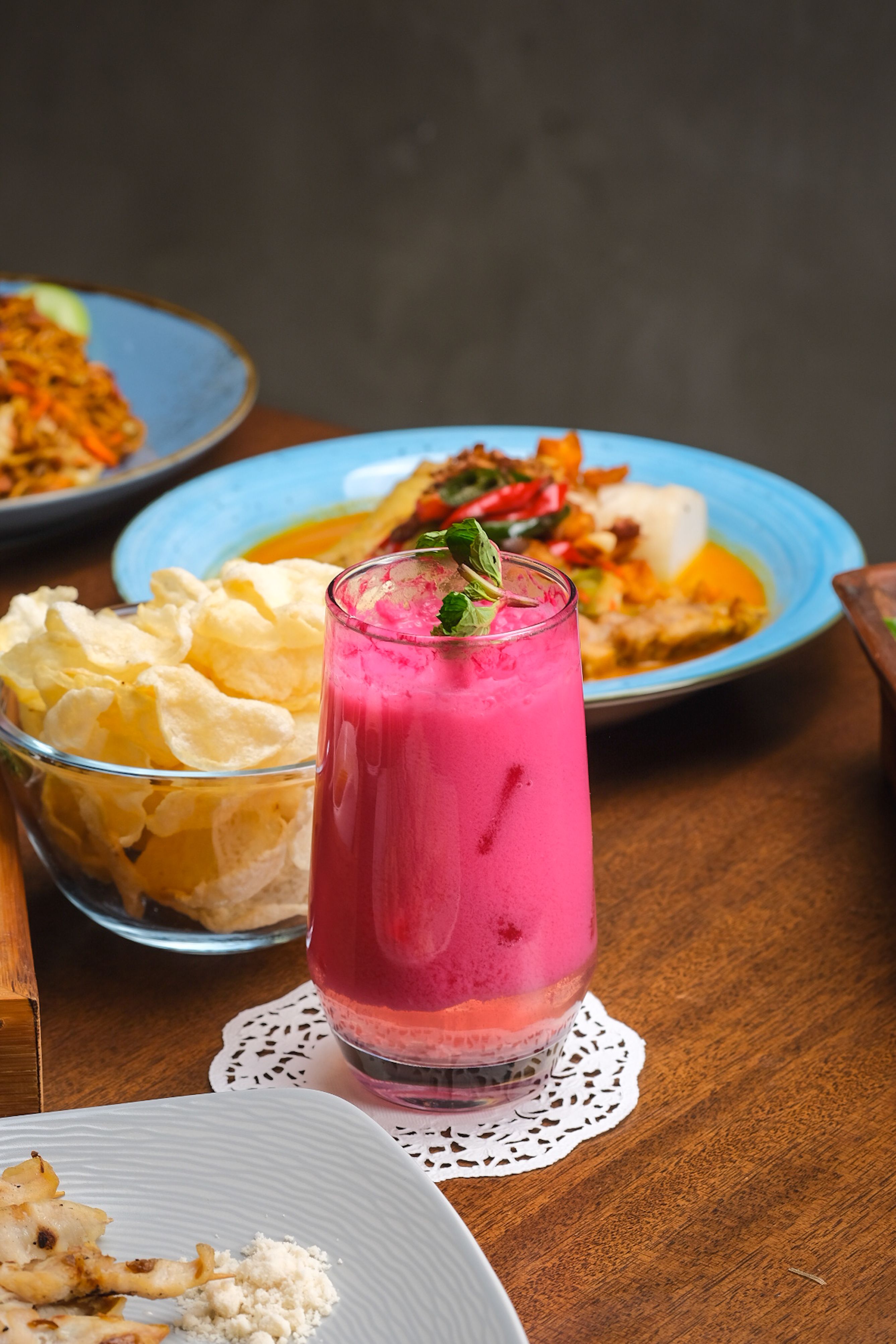
Sol Kadhi
The diets react (see scores below)
Common Ingredients
- kokum
- coconut milk
- garlic
- green chili
- cilantro
- cumin
- salt
Specific recipes may vary.
Incompatible with 3 of 11 diets
Diet Ratings
Sol Kadhi is a traditional Indian digestive drink/soup made primarily from kokum and coconut milk. Coconut milk is keto-friendly, being high in fat and low in net carbs. The spices (garlic, green chili, cumin, cilantro, salt) contribute negligible carbs. The main concern is kokum (Garcinia indica), a sour fruit that contains natural sugars and organic acids. Kokum is typically used in small quantities for its souring effect, contributing roughly 2-4g net carbs per serving depending on quantity used. In a typical serving, the total net carbs likely fall in the 3-6g range, which is manageable within a keto budget. The high-fat coconut milk base is a positive factor. Overall, it can fit into a keto diet with portion awareness, though kokum's carb contribution warrants caution for strict practitioners.
Strict keto practitioners may flag kokum as a fruit-derived ingredient containing natural sugars and argue it should be avoided entirely, as any fruit-based souring agent is incompatible with a zero-tolerance approach to fruit. Conversely, lazy keto adherents would likely approve it given the low overall net carb count per serving.
Sol Kadhi is a traditional Konkani and Maharashtrian digestive drink/soup made entirely from plant-based ingredients. Kokum (a sour tropical fruit) provides the signature pink color and tangy flavor, while coconut milk forms the creamy base. All remaining ingredients — garlic, green chili, cilantro, cumin, and salt — are unambiguously plant-derived. There are no animal products, animal-derived additives, or ethically contested ingredients in this preparation. The dish is also minimally processed, consisting of whole or lightly processed plant foods, which places it at the high end of the approval scale.
Sol Kadhi is disqualified primarily by two ingredients: salt and coconut milk (canned/processed). Added salt is explicitly excluded from the paleo framework. Coconut milk in its traditional homemade form (blended coconut flesh and water) would be paleo-approved, but commercially prepared coconut milk frequently contains additives, emulsifiers, or preservatives, making it a processed product. The remaining ingredients — kokum (a fruit rind used as a souring agent), garlic, green chili, cilantro, and cumin — are all whole, paleo-compliant foods available to hunter-gatherers. If the dish were prepared with homemade coconut milk and no added salt, it would rate much higher, but as traditionally prepared and served, the added salt alone drops it to 'avoid' territory.
Sol Kadhi is a traditional Indian digestive drink/soup made from kokum and coconut milk. Most ingredients align well with Mediterranean principles: kokum is a plant-based fruit rich in antioxidants, garlic is a Mediterranean staple, and spices like cumin, green chili, and cilantro are wholly compatible. The primary concern is coconut milk, which is high in saturated fat and not part of the traditional Mediterranean food tradition, where olive oil is the canonical fat source. However, coconut milk is a whole, minimally processed plant food, and the dish contains no red meat, refined grains, or added sugars. The overall profile is plant-forward and minimally processed, but the saturated fat content from coconut milk pulls it away from core Mediterranean principles.
Some modern Mediterranean diet interpretations accept coconut milk as a whole plant-based food, arguing that its medium-chain triglycerides differ metabolically from animal saturated fats; however, traditional and clinical Mediterranean diet guidelines (e.g., the PREDIMED framework) do not include coconut products and reserve fat sourcing almost exclusively to extra virgin olive oil.
Sol Kadhi is entirely plant-derived with zero animal products. Every single ingredient — kokum (a fruit), coconut milk (plant fat), garlic, green chili, cilantro, cumin, and salt — is either a plant food or a plant-based derivative. Coconut milk, while creamy and fat-rich, is extracted from coconut flesh and is not an animal product. Kokum is a tropical fruit. The remaining ingredients are vegetables, herbs, and spices, all explicitly excluded on the carnivore diet. There is no protein source, no animal fat, no meat, no eggs, no fish, and no animal-derived ingredient of any kind. This dish is fundamentally incompatible with the carnivore diet at every level.
Sol Kadhi is a traditional Indian digestive drink/soup made from kokum (a fruit) and coconut milk, seasoned with garlic, green chili, cilantro, cumin, and salt. Every ingredient in this dish is fully Whole30 compliant. Kokum is a natural fruit souring agent with no excluded ingredients. Coconut milk is an approved natural fat/liquid (provided the purchased version contains no added sugars, thickeners, or non-compliant additives — labels should be checked). Garlic, green chili, cilantro, cumin, and salt are all explicitly allowed herbs, spices, and seasonings. There are no grains, legumes, dairy, added sugars, or other excluded ingredients present.
Sol Kadhi contains two significant FODMAP concerns that make it problematic during the elimination phase. First, garlic is a high-FODMAP ingredient (fructans) and is a core flavoring in this dish — even small amounts of whole garlic or garlic cooked in a water-based medium like this soup will leach fructans into the liquid, making the entire dish high-FODMAP. Second, coconut milk requires careful portion control: Monash rates canned coconut milk as low-FODMAP at 1/2 cup (125ml) but high-FODMAP at larger amounts due to sorbitol content; a full bowl of Sol Kadhi would likely exceed this threshold. Kokum (dried Garcinia indica) has limited Monash testing data but is used in small amounts and is unlikely to be a major FODMAP contributor. Green chili, cilantro, cumin, and salt are low-FODMAP. The dish could theoretically be modified using garlic-infused oil instead of garlic and controlling coconut milk portions, but as traditionally prepared, the garlic alone makes it unsuitable for elimination phase.
Monash University has not specifically tested kokum, leaving some uncertainty about its FODMAP contribution. Additionally, some clinical FODMAP practitioners suggest that garlic cooked in coconut milk (a fat-based medium) may leach fewer fructans than garlic cooked in water-based broths, though this is not well-supported and most practitioners advise avoiding garlic in any cooking medium during strict elimination.
Sol Kadhi is a traditional Indian digestive drink/soup made primarily from kokum and coconut milk. The primary concern for DASH compatibility is coconut milk, which is high in saturated fat — a category DASH explicitly limits. Coconut milk is derived from a tropical source (coconut), and DASH guidelines specifically call out tropical oils and full-fat coconut products as foods to limit due to their saturated fat content. However, the dish also contains beneficial elements: kokum is a fruit rich in antioxidants and hydroxycitric acid, garlic and green chili have cardiovascular-supportive properties, and the overall dish lacks added sugars, refined grains, or red meat. The sodium content depends heavily on how much salt is added — home-prepared versions can be moderate in sodium, but this is preparation-dependent. The dish has no lean protein, whole grains, or low-fat dairy to align with DASH positives. Rated 'caution' because coconut milk's saturated fat is a meaningful DASH concern, but the overall dish is not heavily processed and can be consumed in moderation with reduced coconut milk or light coconut milk substitution.
NIH DASH guidelines explicitly limit saturated fat and call out tropical oils/coconut products as items to reduce. However, some updated DASH-oriented clinicians note that coconut milk consumed in small quantities as part of a dish (rather than as a primary dietary fat source) may not meaningfully impact cardiovascular outcomes, and emerging research on lauric acid's effects on HDL cholesterol has led some practitioners to apply a less restrictive stance on coconut-derived foods in otherwise healthy dietary patterns.
Sol Kadhi is a traditional Indian digestive drink/soup made from kokum and coconut milk. From a Zone perspective, the macronutrient profile is somewhat imbalanced. Coconut milk is the dominant caloric ingredient and is high in saturated fat (primarily medium-chain triglycerides/lauric acid), which the classic Zone framework discourages in favor of monounsaturated fats. However, later Sears writings show more nuance around MCTs and coconut-derived fats. Kokum is a low-calorie, polyphenol-rich souring agent with anti-inflammatory properties — strongly aligned with Zone's anti-inflammatory emphasis. Garlic, green chili, cilantro, and cumin are all favorable Zone spices/flavorings with polyphenol benefits and negligible caloric impact. The dish has virtually no protein, so it cannot stand alone as a Zone meal — it would need to be paired with a lean protein source. The fat content from coconut milk would count toward the fat block, but being saturated rather than monounsaturated puts it in the 'unfavorable' fat category by classic Zone standards. As a small-portion accompaniment or digestive drink alongside a balanced Zone meal, it can fit, but it requires careful portioning of coconut milk and must be supplemented with lean protein and appropriate carbs.
Later Sears anti-inflammatory writings (e.g., 'The Mediterranean Zone') place greater emphasis on polyphenols and are more tolerant of coconut-derived saturated fats (MCTs) than the original Zone books, which strictly favored monounsaturated fats. Some Zone practitioners would view kokum's high polyphenol and anthocyanin content as a significant positive, potentially rating this soup more favorably as a polyphenol-rich condiment. Additionally, the relatively small serving size typical of Sol Kadhi means total saturated fat intake may be modest enough to fit within Zone fat block limits.
Sol Kadhi is a traditional Konkani/Goan digestive drink-soup made from kokum and coconut milk, and its ingredient profile is broadly favorable from an anti-inflammatory standpoint. Kokum (Garcinia indica) is rich in hydroxycitric acid, garcinol, and anthocyanins — polyphenols with demonstrated antioxidant and anti-inflammatory properties in research, including reduction of oxidative stress markers. Garlic contains allicin and organosulfur compounds with well-established anti-inflammatory effects. Green chili provides capsaicin, a known anti-inflammatory compound. Cumin contains cuminaldehyde and thymoquinone with antioxidant properties. Cilantro adds additional polyphenols and flavonoids. The main point of nuance is coconut milk: it contains medium-chain triglycerides (MCTs), particularly lauric acid, which has some evidence for anti-inflammatory effects, but it is also high in saturated fat. Full-fat coconut milk consumed regularly would typically earn a 'caution' flag under most anti-inflammatory frameworks due to saturated fat content. However, Sol Kadhi is consumed in relatively modest portions as a digestive accompaniment, and the coconut milk is diluted. The overall dish is minimally processed, free of refined sugars, trans fats, or additives, and combines multiple anti-inflammatory spices and a uniquely potent fruit (kokum). It earns a solid approve, tempered slightly by the coconut milk saturated fat consideration.
The saturated fat content of coconut milk creates meaningful disagreement: Dr. Andrew Weil's framework and mainstream anti-inflammatory nutrition recommend limiting saturated fat and suggest using coconut milk sparingly, while proponents of ancestral and Ayurvedic dietary frameworks argue that coconut's MCTs (especially lauric acid) have distinct metabolic and anti-inflammatory properties that distinguish it from animal-based saturated fats. For regular, high-volume consumption, some practitioners would downgrade this dish to 'caution.'
Sol Kadhi is a traditional Indian digestive drink/soup made from kokum and coconut milk. Its profile for GLP-1 patients is mixed. On the positive side, kokum is a natural digestive aid with anti-inflammatory properties and reasonable fiber content, and the dish is hydrating, light in volume, and easy to digest — all beneficial for GLP-1 patients dealing with slowed gastric emptying and nausea. Garlic, cumin, and cilantro are GLP-1 friendly in small amounts. However, the primary concern is coconut milk, which is high in saturated fat. A standard serving of Sol Kadhi made with full-fat coconut milk can deliver 7-12g of saturated fat, which conflicts with the low-fat priority for GLP-1 patients and may worsen nausea, bloating, or reflux. The dish also provides virtually no protein, making it nutritionally incomplete as a standalone meal component — it contributes empty calories relative to GLP-1 patients' reduced appetite. Green chili may also trigger mild GI discomfort in sensitive patients. It is acceptable as a small digestive accompaniment rather than a meal component, and is notably improved if made with light or diluted coconut milk. It scores higher on digestibility and hydration than on protein or fat profile.
Some GLP-1-focused dietitians may view Sol Kadhi more favorably as a probiotic-adjacent, gut-supportive digestive drink where the fat from coconut milk is offset by the small serving size typically consumed. Others caution that saturated fat from coconut milk, even in small amounts, is a meaningful concern for patients already experiencing GI side effects, and that the zero-protein profile makes it a low-value use of limited appetite.
*See how scores were generated at our methodology page.
Nutritional profile
Six traits that cut across every diet.
Fiber & Plants
How much whole-plant food and fiber it delivers.
Healthy Fats
The quality of its fats (unsaturated, omega-3).
Whole / Unprocessed
How close it is to its natural, unprocessed form.
Gut Gentle
How easy it is on digestion (low FODMAP, few irritants).
Low Glycemic
How little it spikes your blood sugar.
Protein Density
How much protein it packs per calorie.
Controversy Index
Higher controversy = more disagreement between diets.
Diet-Specific Tips
 Keto — 5/10
View tips
- Coconut milk is high-fat and keto-friendly
- Kokum adds 2-4g net carbs per serving from natural fruit sugars
- Spices and aromatics contribute negligible carbs
- Total net carbs per serving estimated at 3-6g — manageable but not negligible
- No added sugars or grains present
- Portion size is critical; large servings could push carb limits
 Vegan — 9/10
View tips
- Kokum is a plant-based fruit, fully vegan
- Coconut milk is a plant-derived dairy alternative with no animal content
- All aromatics and spices (garlic, green chili, cilantro, cumin) are whole plant foods
- No animal products, by-products, or animal-derived additives present
- Dish is minimally processed — aligned with whole-food plant-based principles
- No contested ingredients such as honey, palm oil, or fortified additives
 Mediterranean — 5/10
View tips
- Coconut milk is high in saturated fat, not aligned with Mediterranean fat sourcing norms
- All other ingredients (kokum, garlic, cumin, chili, cilantro) are plant-based and compatible
- No red meat, refined grains, or added sugars present
- Dish is minimally processed and whole-food based
- Coconut milk is not a traditional Mediterranean ingredient but is a plant-derived whole food
 Whole30 — 6/10
View tips
- Kokum is a natural fruit — fully Whole30 compliant
- Coconut milk is an approved natural fat (check label for no added sugar or non-compliant additives)
- Garlic, green chili, cilantro, and cumin are all compliant spices/aromatics
- Salt is explicitly allowed on Whole30
- No grains, legumes, dairy, or added sugars present
- Dish is a whole-food soup, not a recreation of a banned food category
 DASH — 4/10
View tips
- Coconut milk is high in saturated fat, a nutrient DASH explicitly limits
- DASH guidelines specifically flag tropical oils and coconut-derived products
- Kokum is a fruit with antioxidant properties, a DASH-positive element
- Garlic and spices support cardiovascular health and align with DASH
- No lean protein, whole grains, or low-fat dairy present
- Sodium content is preparation-dependent; home-made versions can be moderate
- Light or reduced-fat coconut milk would improve DASH compatibility
- No added sugars, refined grains, or heavily processed ingredients
 Zone — 5/10
View tips
- Coconut milk is high in saturated fat (lauric acid/MCTs), which is 'unfavorable' fat in classic Zone but more accepted in later Sears anti-inflammatory framework
- Kokum is rich in polyphenols and anthocyanins — strongly aligned with Zone's anti-inflammatory principles
- No protein present — cannot serve as a standalone Zone meal component; must be paired with lean protein
- Garlic, green chili, cilantro, and cumin are favorable Zone spices with negligible caloric impact and anti-inflammatory properties
- Very low carbohydrate content overall, which is Zone-friendly on the carb dimension
- Serving size matters — small portions as a digestive drink limit saturated fat exposure and improve Zone compatibility
 Anti-Inflammatory — 8/10
View tips
- Kokum is rich in garcinol and anthocyanins — potent antioxidant and anti-inflammatory polyphenols
- Garlic provides allicin and organosulfur compounds with strong anti-inflammatory evidence
- Green chili contributes capsaicin, a well-researched anti-inflammatory compound
- Cumin adds antioxidant thymoquinone and cuminaldehyde
- Cilantro provides additional flavonoids and polyphenols
- Coconut milk contains saturated fat (lauric acid) — debated in anti-inflammatory frameworks but MCTs may have neutral-to-beneficial effects at moderate amounts
- No refined sugars, trans fats, seed oils, or artificial additives
- Consumed in modest portions as a digestive, limiting saturated fat load
 GLP-1 Friendly — 4/10
View tips
- Coconut milk is high in saturated fat — worsens nausea, bloating, and reflux risk on GLP-1s
- No meaningful protein content — poor use of limited caloric budget on GLP-1 medications
- Kokum has digestive and anti-inflammatory properties that may support GLP-1 GI side effects
- Light and easy to digest — appropriate for patients with severe nausea or early satiety
- Hydrating and low-volume — aligns with GLP-1 hydration support goals
- Green chili may trigger mild GI irritation in sensitive patients
- Score improves significantly if prepared with light or diluted coconut milk
- Best used as a small digestive accompaniment, not a standalone meal