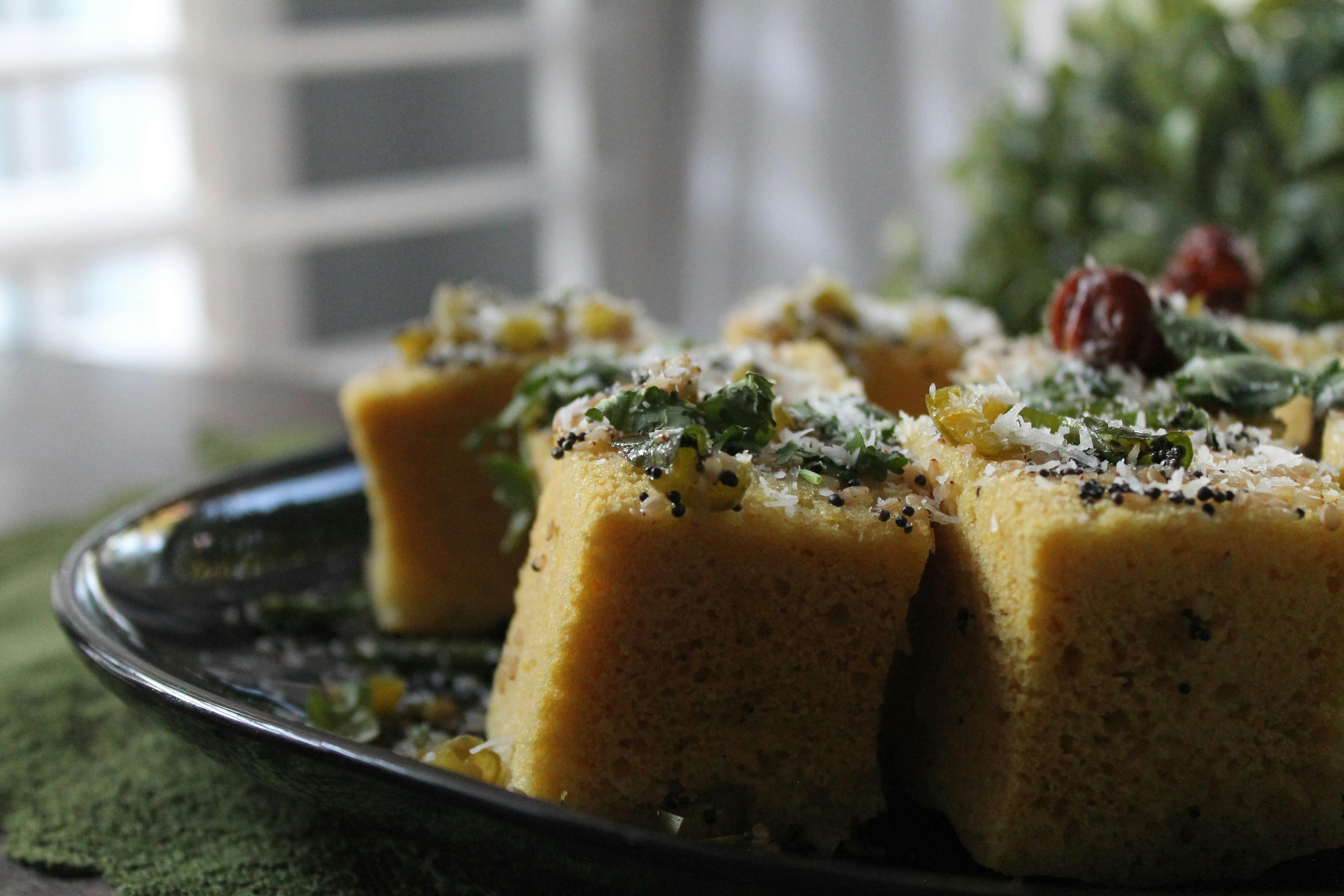
Photo: Nourishment DECODED / Pexels
The diets react (see scores below)
Common Ingredients
- gram flour
- yogurt
- turmeric
- green chili
- ginger
- mustard seeds
- sugar
- lemon
- curry leaves
Specific recipes may vary.
Incompatible with 6 of 11 diets
Diet Ratings
Khaman is fundamentally incompatible with a ketogenic diet. The primary ingredient, gram flour (besan/chickpea flour), is extremely high in carbohydrates — approximately 44-50g net carbs per 100g. A standard serving of khaman (100-150g) would easily exceed the entire daily net carb budget for ketosis. Additionally, sugar is explicitly listed as an ingredient, which is a direct violation of keto rules. The dish is a fermented steamed cake built almost entirely around high-carb legume flour, making it structurally impossible to make keto-compatible without completely replacing its base ingredient. The yogurt and spices are minor components that offer no meaningful offset to the carbohydrate load.
Khaman as listed contains yogurt, which is a dairy product derived from cow's milk. This makes it non-vegan despite the otherwise plant-based ingredient list. Traditional Khaman dhokla recipes do commonly include yogurt as a fermentation and leavening agent. A vegan version is easily achievable by substituting yogurt with a plant-based alternative (e.g., coconut yogurt) or using a combination of water and lemon juice with baking soda to achieve the same fermented tang and rise. All other ingredients — gram flour, turmeric, green chili, ginger, mustard seeds, sugar, lemon, and curry leaves — are fully plant-based.
Khaman is fundamentally incompatible with the paleo diet. Gram flour (besan) is made from ground chickpeas, a legume explicitly excluded from paleo. Yogurt is a dairy product, also excluded. Sugar is a refined sweetener, also excluded. These are not minor or debated ingredients — they are the structural base of the dish. The remaining ingredients (turmeric, green chili, ginger, mustard seeds, lemon, curry leaves) are paleo-friendly, but they cannot redeem a dish whose primary components are all hard paleo violations. There is no meaningful paleo substitution that would preserve the identity of Khaman.
Khaman is a fermented/steamed snack made primarily from gram flour (chickpea/legume-based), which aligns well with the Mediterranean diet's emphasis on legumes as a staple plant protein. The dish is low in saturated fat, rich in plant-based protein and fiber, and uses anti-inflammatory spices like turmeric, ginger, and green chili. Yogurt adds a small amount of dairy, acceptable in moderation. The small amount of added sugar is a minor concern but not disqualifying in this quantity. The dish is steamed rather than fried, keeping fat content low. It is not a traditional Mediterranean food, but its nutritional profile is highly compatible with Mediterranean principles.
Some Mediterranean diet purists might dock points for the added sugar (even in small amounts) and the non-olive-oil fat profile, as traditional Mediterranean guidelines emphasize extra virgin olive oil as the primary fat; the mustard seed tempering in oil (often vegetable oil in Indian cooking) diverges from this. Modern clinical interpretations focused strictly on traditional Mediterranean foods may rate it only 'caution' due to its non-regional origins and refined gram flour base.
Khaman is entirely plant-based and incompatible with the carnivore diet. The primary ingredient is gram flour (chickpea/legume-derived), which is strictly excluded. Every single ingredient — gram flour, yogurt aside, turmeric, green chili, ginger, mustard seeds, sugar, lemon, and curry leaves — is plant-derived. Even the one potentially animal-derived ingredient (yogurt) is a minor component and would not redeem the dish. This is a legume-based fermented snack with no meaningful animal protein content. There is universal consensus in the carnivore community that this dish is completely off-limits.
Khaman contains multiple excluded ingredients that make it non-compliant with Whole30. Gram flour is made from chickpeas, which are legumes — a clearly excluded category. Yogurt is dairy, also explicitly excluded. Sugar is an added sweetener, explicitly excluded. Any one of these three ingredients alone would disqualify the dish, and Khaman contains all three. Additionally, gram flour-based preparations like Khaman are effectively a baked/steamed legume flatbread-style snack, further conflicting with the spirit of the program.
Khaman is made primarily from gram flour (besan/chickpea flour), which is high in GOS (galacto-oligosaccharides) — a key FODMAP. Even a small standard serving of Khaman (2-3 pieces) would contain a significant amount of gram flour, pushing it well into high-FODMAP territory. Additionally, yogurt contributes lactose (a disaccharide FODMAP), compounding the problem. The remaining ingredients — turmeric, green chili, ginger, mustard seeds, lemon, curry leaves, and small amounts of sugar — are generally low-FODMAP at typical culinary quantities and are not the primary concern. However, the two core ingredients (gram flour and yogurt) make this dish unsuitable during the elimination phase of a low-FODMAP diet.
Khaman is a steamed Indian snack made primarily from gram flour (chickpea flour), which is a legume-based ingredient — well aligned with DASH's emphasis on beans and legumes as healthy protein sources. The dish is low in saturated fat, contains no red meat, and uses yogurt (a low-fat dairy source of calcium). Spices like turmeric, ginger, mustard seeds, and curry leaves add anti-inflammatory benefits without sodium concerns. Lemon juice provides vitamin C and potassium. The small amount of sugar used in the tempering is a minor concern but within acceptable DASH limits for moderate consumption. The main caution is sodium: homemade versions can be moderately low in sodium, but restaurant or packaged preparations may add significant salt. Since khaman is typically steamed rather than fried, it avoids excess saturated fat. Overall, this is a DASH-compatible snack when prepared with minimal added salt.
NIH DASH guidelines do not specifically address Indian snack dishes like Khaman, making this assessment an extrapolation from food group principles. Some DASH-oriented clinicians may flag the moderate sugar content and variable sodium in commercial preparations, suggesting the score could drop to 'caution' (5-6) if restaurant-style or packaged versions with added salt and higher sugar are consumed regularly.
Khaman is a steamed chickpea flour (gram flour) cake that presents a mixed Zone Diet profile. The primary ingredient, gram flour (besan), is derived from chickpeas and provides a reasonable protein-to-carb ratio compared to refined grains — it has a moderate glycemic index and contains meaningful fiber, making it more favorable than white flour snacks. However, it is still predominantly a carbohydrate source with limited protein relative to Zone meal targets. The added sugar in the tempering (tadka) is a Zone concern, raising the glycemic load, though the quantity is typically small. Yogurt contributes some lean protein and beneficial probiotics. The spices (turmeric, ginger, green chili, curry leaves, mustard seeds) are strongly anti-inflammatory and align well with Sears' emphasis on polyphenols. The fat content is low and the fat used is generally minimal oil for tempering — acceptable. The main Zone challenge is that Khaman skews heavily carbohydrate with insufficient protein to balance a Zone block ratio. A typical serving would need to be paired with additional lean protein to achieve a 40/30/30 ratio, and the sugar content should be minimized. As a snack in small portions with protein accompaniment, it can work in the Zone, but standalone it is carb-heavy and unfavorable without adjustment.
Some Zone practitioners and Sears' later writings give more credit to legume-based foods because chickpea/gram flour has a lower glycemic response than its carb count suggests, due to resistant starch and fiber content. In this view, Khaman could be rated closer to a 6 with careful portioning, especially if the sugar in the recipe is reduced or eliminated. The anti-inflammatory spice profile (turmeric, ginger) aligns strongly with Sears' post-Enter the Zone anti-inflammatory dietary philosophy.
Khaman is a steamed, fermented snack made primarily from gram flour (chickpea flour), which is a legume-based ingredient rich in plant protein, fiber, and beneficial micronutrients — all consistent with anti-inflammatory principles. The fermentation with yogurt adds probiotics that support gut health and may reduce systemic inflammation. The tempering (tadka) includes potent anti-inflammatory spices: turmeric (curcumin), ginger (gingerols), green chili (capsaicin), mustard seeds (glucosinolates), and curry leaves (carbazole alkaloids and antioxidants) — all strongly endorsed by anti-inflammatory dietary frameworks. Lemon juice provides vitamin C and flavonoids. The small amount of added sugar is a mild concern, though in typical serving quantities it is modest and unlikely to meaningfully drive inflammation. Yogurt, a low-fat dairy product, falls in the 'moderate' category for anti-inflammatory eating. Overall, the dish is predominantly plant-based, legume-centered, spice-rich, and steamed rather than fried — a favorable profile.
Some anti-inflammatory practitioners, particularly those following the Autoimmune Protocol (AIP), would caution against gram flour due to lectin content in legumes, which is argued to contribute to intestinal permeability and inflammation in sensitive individuals. Additionally, the small amount of added sugar, while minor, may be flagged by stricter anti-inflammatory interpretations that emphasize eliminating all refined sugars.
Khaman is a steamed Indian snack made primarily from gram flour (chickpea/besan), which provides moderate protein and decent fiber relative to its calorie count. The yogurt adds a small additional protein boost and supports digestibility. Being steamed rather than fried, it is low in fat and generally easy on the GI tract — a significant advantage for GLP-1 patients. Turmeric, ginger, and lemon are anti-inflammatory and digestive-supportive ingredients. However, khaman contains added sugar (used in the tempering/batter for balance), which is a drawback for GLP-1 patients who should minimize empty sugar calories. The green chili may trigger reflux or nausea in some GLP-1 patients with heightened GI sensitivity. Protein content per serving is moderate but not high — gram flour is not as protein-dense as chicken, eggs, or legumes in whole form, and a typical snack-sized serving may deliver only 6-10g protein. It is not a strong standalone protein source for GLP-1 patients who need 15-30g per meal or snack. As a small, portion-friendly, steamed snack with reasonable fiber and low fat, it earns a caution — acceptable in moderation, especially paired with a higher-protein accompaniment like yogurt dip or paired with a protein-rich meal.
Some GLP-1-focused dietitians may view khaman more favorably as a low-fat, plant-based, steamed snack with digestive-friendly spices and reasonable fiber — particularly for patients struggling with appetite and GI side effects who need gentle, palatable options. Others flag the added sugar and moderate protein density as meaningful limitations for patients who must maximize nutritional value from small meal volumes.
*See how scores were generated at our methodology page.
Nutritional profile
Six traits that cut across every diet.
Fiber & Plants
How much whole-plant food and fiber it delivers.
Healthy Fats
The quality of its fats (unsaturated, omega-3).
Whole / Unprocessed
How close it is to its natural, unprocessed form.
Gut Gentle
How easy it is on digestion (low FODMAP, few irritants).
Low Glycemic
How little it spikes your blood sugar.
Protein Density
How much protein it packs per calorie.
Controversy Index
Higher controversy = more disagreement between diets.
Diet-Specific Tips
 Mediterranean — 7/10
View tips
- Gram flour is legume-based, a Mediterranean diet staple
- Steamed preparation keeps saturated fat very low
- Small amount of added sugar is a minor negative
- Yogurt is an acceptable moderate dairy component
- Anti-inflammatory spices (turmeric, ginger) are beneficial
- Not traditionally Mediterranean but nutritionally compatible
- Fermented preparation may offer additional gut health benefits
 DASH — 7/10
View tips
- Gram flour (chickpea flour) is a legume-based ingredient strongly endorsed by DASH guidelines
- Steamed preparation avoids excess saturated fat from frying
- Low in saturated fat and cholesterol
- Small amount of sugar in tempering is minor but worth noting for DASH adherence
- Sodium content varies significantly — homemade versions with minimal salt are DASH-friendly; restaurant/packaged versions may be high in sodium
- Yogurt contributes calcium and aligns with DASH low-fat dairy recommendations
- Anti-inflammatory spices (turmeric, ginger) are DASH-compatible and nutritionally beneficial
- Rich in plant-based protein and fiber from gram flour
 Zone — 5/10
View tips
- Gram flour is a moderate-GI legume-based carb — more favorable than refined flour but still primarily a carbohydrate block
- Added sugar in tempering raises glycemic load and is a Zone-unfavorable ingredient
- Low fat content means fat balance would need supplementation from monounsaturated sources
- Insufficient standalone protein — needs lean protein pairing to achieve Zone's 30% protein target
- Yogurt contributes modest lean protein, partially improving the protein profile
- Turmeric, ginger, curry leaves, and green chili are strongly anti-inflammatory, aligning with Sears' polyphenol emphasis
- Works best as a small Zone snack (1 block) paired with lean protein, not as a standalone meal
 Anti-Inflammatory — 7/10
View tips
- Gram flour (chickpea) base: legume-derived, high in fiber and plant protein — strongly aligned with anti-inflammatory principles
- Turmeric provides curcumin, one of the most well-researched anti-inflammatory compounds
- Ginger (gingerols) and green chili (capsaicin) add meaningful anti-inflammatory phytochemicals
- Mustard seeds and curry leaves contribute antioxidant and anti-inflammatory compounds
- Fermentation with yogurt supports gut microbiome and may reduce systemic inflammation
- Steamed preparation avoids pro-inflammatory frying and oxidized oils
- Small amount of added sugar is a minor concern but unlikely to negate overall benefits in typical portions
- Yogurt is a moderate-category dairy item, acceptable in anti-inflammatory eating
 GLP-1 Friendly — 6/10
View tips
- Steamed preparation — low fat, easy to digest, GLP-1 side effect friendly
- Gram flour provides moderate protein and fiber but is not a high-protein-density food
- Contains added sugar — a drawback for GLP-1 dietary goals
- Green chili may worsen nausea or reflux in sensitive GLP-1 patients
- Yogurt ingredient adds small protein and probiotic benefit
- Ginger and turmeric support digestion and reduce inflammation
- Portion-friendly as a snack but insufficient as a standalone protein source — best paired with higher-protein accompaniment
- Overall nutrient profile is better than most processed snacks but falls short of GLP-1 ideal