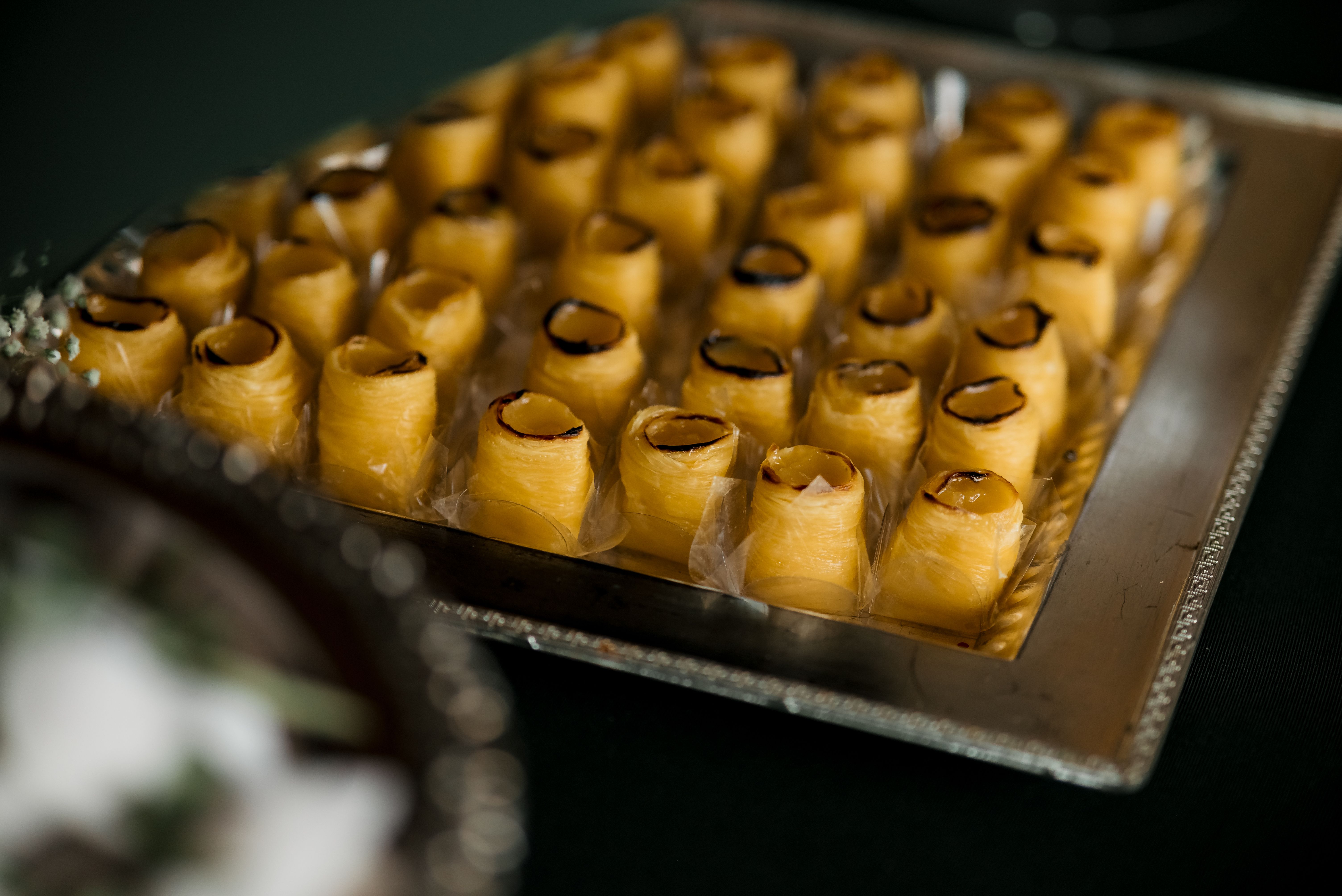
Photo: Jonathan Borba / Pexels
The diets react (see scores below)
Common Ingredients
- gram flour
- yogurt
- turmeric
- ginger
- green chili
- mustard seeds
- curry leaves
- coconut
- cilantro
Specific recipes may vary.
Incompatible with 6 of 11 diets
Diet Ratings
Khandvi is fundamentally incompatible with a ketogenic diet. Its primary ingredient, gram flour (besan/chickpea flour), is extremely high in net carbs — approximately 44g net carbs per 100g. A typical serving of Khandvi (6-8 rolls, ~100-150g) would easily exceed the entire daily carb allowance for ketosis. Yogurt adds a modest additional carb load. While the spices, coconut, and curry leaves are keto-friendly, they cannot offset the dominant high-carb base. This dish is essentially a steamed chickpea flour roll, and no reasonable portion size makes it compatible with maintaining ketosis.
Khandvi contains yogurt, which is a dairy product derived from cow's milk. Dairy is excluded under all definitions of veganism. The rest of the ingredients — gram flour, turmeric, ginger, green chili, mustard seeds, curry leaves, coconut, and cilantro — are entirely plant-based. However, the presence of yogurt as a core structural ingredient (it is essential to the dish's texture and cooking chemistry) makes this dish non-vegan in its traditional form. A vegan version can be made by substituting yogurt with plant-based alternatives such as coconut yogurt or a mixture of lemon juice and water, which is increasingly common.
Khandvi is fundamentally incompatible with the paleo diet. Its two primary ingredients — gram flour (besan, made from chickpeas) and yogurt — are both strictly excluded. Gram flour is a legume-derived product, and legumes are universally rejected in paleo due to their lectin and phytate content. Yogurt is dairy, which is also excluded across all mainstream paleo frameworks. The remaining ingredients (turmeric, ginger, green chili, mustard seeds, curry leaves, coconut, cilantro) are paleo-friendly herbs, spices, and aromatics, but they cannot redeem a dish whose structural base is entirely non-paleo. This is not a gray-area case — both disqualifying ingredients are core, load-bearing components of the dish, not trace additives.
Khandvi is a plant-based Indian snack made primarily from gram flour (chickpea flour), a legume-derived ingredient that aligns strongly with Mediterranean dietary principles emphasizing legumes. The yogurt tempering adds modest dairy, acceptable in moderation. The spice blend (turmeric, ginger, green chili, mustard seeds, curry leaves) and herbs (cilantro) are anti-inflammatory and whole-food additions. Coconut adds some saturated fat, which is the main concern, but in the small quantities typical of a garnish it is unlikely to be problematic. The dish is minimally processed, contains no refined grains, added sugars, or red meat, and is protein-rich from legume sources. It maps well onto Mediterranean principles despite being non-Mediterranean in origin.
Some strict Mediterranean diet interpretations may flag the coconut garnish, as coconut is not a traditional Mediterranean ingredient and contains saturated fat, which the diet seeks to minimize in favor of monounsaturated fats from olive oil. Additionally, gram flour, while legume-derived, is a refined flour product rather than a whole legume, which some modern clinical guidelines would rate slightly lower than whole chickpeas or lentils.
Khandvi is entirely plant-based and incompatible with the carnivore diet at every level. The primary ingredient is gram flour (besan), a legume-derived product made from chickpeas — legumes are among the most excluded foods on carnivore due to antinutrients like lectins and phytates. Yogurt is the only animal-derived ingredient, but it is completely overshadowed by the dominant plant-based base. The remaining ingredients — turmeric, ginger, green chili, mustard seeds, curry leaves, coconut, and cilantro — are all plant-derived spices, seeds, and produce. There is no meaningful animal protein in this dish, and its entire structure is built around a plant protein source (lentils/gram flour). This dish fails every criterion of the carnivore diet.
Khandvi contains two excluded ingredients: gram flour (chickpea flour), which is a legume-based product and therefore excluded on Whole30, and yogurt, which is dairy and also excluded. These are both core ingredients that cannot be substituted without fundamentally changing the dish. Whole30 excludes all legumes (including chickpeas/garbanzo beans) and all dairy products (except ghee/clarified butter). The remaining ingredients — turmeric, ginger, green chili, mustard seeds, curry leaves, coconut, and cilantro — are all compliant, but the foundational components of Khandvi make it incompatible with the program.
Khandvi contains two significant high-FODMAP ingredients that make it problematic during the elimination phase. Gram flour (besan/chickpea flour) is high in GOS (galacto-oligosaccharides) and is high-FODMAP even at small servings — Monash rates chickpea flour as high-FODMAP at typical serving sizes. Yogurt contains lactose, which is a disaccharide FODMAP; while lactose-free yogurt exists, standard yogurt used in Khandvi is high-FODMAP in the quantities required for this dish (typically 1 cup or more). The combination of two high-FODMAP ingredients makes this dish essentially unavoidable during elimination. Other ingredients are generally low-FODMAP: turmeric, ginger, green chili (in small amounts), mustard seeds, curry leaves, fresh coconut (small amounts), and cilantro are all acceptable. However, the foundational ingredients of Khandvi — gram flour and yogurt — are the dish's core components and cannot be reduced to low-FODMAP serving sizes while still making a recognizable dish.
Monash University has not specifically tested Khandvi as a prepared dish, and some FODMAP practitioners note that the cooking process (steam-setting the batter) and relatively thin serving portions might reduce effective FODMAP load. However, most clinical FODMAP dietitians would advise avoiding gram flour entirely during elimination regardless of preparation method, as GOS content remains significant.
Khandvi is a traditional Gujarati snack made primarily from gram flour (besan) and yogurt, which aligns well with DASH principles — legume-based protein, low-fat dairy, and anti-inflammatory spices like turmeric and ginger. Gram flour is rich in fiber, potassium, and magnesium, all nutrients emphasized by DASH. The yogurt component ideally uses low-fat or fat-free versions, consistent with DASH dairy guidelines. However, two ingredients introduce caution: (1) Coconut — used as a garnish — is a tropical oil/fruit high in saturated fat, which DASH explicitly limits. Even in small amounts as a topping, it adds saturated fat that DASH de-emphasizes. (2) Salt is typically added during preparation (not listed but virtually always present), and sodium content depends heavily on how much is used. Traditional Khandvi recipes can carry moderate sodium. The mustard seed and curry leaf tempering adds minimal nutritional concern. Overall, this is a moderately DASH-compatible snack when prepared with low-fat yogurt, minimal salt, and coconut used sparingly — but it does not fully align due to the coconut and variable sodium.
NIH DASH guidelines explicitly limit saturated fat and identify tropical oils/coconut as foods to limit. However, updated clinical interpretations note that coconut used as a garnish in small quantities (1-2 tbsp shredded) contributes relatively little saturated fat per serving, and some DASH-oriented dietitians consider such incidental use acceptable within an otherwise nutrient-dense dish.
Khandvi is a Gujarati snack made primarily from gram flour (besan) and yogurt, cooked into thin rolls. From a Zone perspective, it has some favorable qualities and some challenges. Gram flour (chickpea flour) is a moderate-glycemic carbohydrate with meaningful protein content — besan is roughly 22% protein by weight, which helps the carb-to-protein ratio compared to refined grains. The yogurt contributes both protein and some fat. Anti-inflammatory spices (turmeric, ginger) and the tempering of mustard seeds, curry leaves, and green chili are all Zone-friendly flavor enhancers with polyphenol benefits. Coconut adds saturated fat, which Zone traditionally limits (especially in Dr. Sears' earlier writing). The main Zone concern is that gram flour is still a starchy carbohydrate with moderate glycemic load, and khandvi is essentially a pure-carb-dominant snack — the protein contribution from besan is helpful but may not be sufficient to hit the 30% protein target without supplementation. The dish lacks a clear lean protein source beyond what besan itself provides, making it an 'unfavorable' carb-leaning snack in Zone terminology. As a snack paired with a lean protein (e.g., low-fat yogurt dip or a few egg whites), it could fit into a Zone block structure. Portion control is critical.
Some Zone practitioners would rate khandvi more favorably because gram flour is lower glycemic than refined wheat flour and carries meaningful protein, making it structurally closer to a Zone-balanced food than typical starchy snacks. Dr. Sears' later anti-inflammatory writing also views legume-based foods positively for their polyphenol content. Conversely, strict early-Zone practitioners would flag it as too carbohydrate-dominant without a distinct lean protein pairing, pushing it closer to a 4.
Khandvi is a traditional Gujarati snack made from gram flour (chickpea flour) and yogurt, steamed and rolled, then tempered with mustard seeds and curry leaves. The ingredient profile is strongly anti-inflammatory overall. Gram flour (besan) is made from chickpeas — a legume high in fiber, plant protein, and resistant starch that supports gut health and reduces inflammatory markers. Turmeric contains curcumin, one of the most well-documented anti-inflammatory compounds in nutrition research. Ginger contains gingerols with established anti-inflammatory and antioxidant activity. Mustard seeds contain glucosinolates and omega-3 alpha-linolenic acid. Curry leaves are rich in antioxidants including carbazole alkaloids. Coconut (likely fresh/shredded) provides medium-chain triglycerides and is used in small amounts as a garnish. Cilantro adds polyphenols and antioxidants. Yogurt (low-fat) falls in the 'moderate' category — its probiotic content supports gut-associated immune regulation, which is consistent with anti-inflammatory goals. Green chili adds capsaicin, a known anti-inflammatory compound. The dish is minimally processed, plant-forward, and free of refined carbohydrates, added sugars, seed oils, or trans fats. The only mild considerations are the saturated fat in coconut (used in small amounts) and the dairy in yogurt, both of which are contextualized as acceptable in moderate anti-inflammatory frameworks.
Yogurt from full-fat dairy could be flagged by stricter anti-inflammatory protocols that limit saturated fat, though most anti-inflammatory guidance (including Dr. Weil's) accepts low-fat or fermented dairy in moderation. Coconut's saturated fat content is debated — some anti-inflammatory practitioners (particularly those aligned with AHA guidelines) caution against coconut-derived saturated fats, while others in functional medicine consider medium-chain triglycerides metabolically distinct and acceptable.
Khandvi is a steamed Indian snack made from gram flour (besan) and yogurt, giving it a modest protein and fiber profile relative to its calorie count. It is low in fat, easy to digest, and served in small portions — all positives for GLP-1 patients. The gram flour provides some plant-based protein and fiber, and yogurt adds a small protein boost and probiotics. However, the protein density per serving is relatively low (a typical 4-6 piece serving delivers roughly 5-8g protein), making it insufficient as a standalone protein source for GLP-1 patients who need 15-30g per meal. The green chili and ginger are mild GI irritants for some GLP-1 patients, and the coconut garnish adds a small amount of saturated fat. The mustard seeds and curry leaves are fine in typical garnish quantities. It is not a high-protein, high-fiber food in the quantities it is realistically consumed, but it is far from harmful — it is a nutrient-reasonable, easy-to-digest snack that works best paired with a higher-protein component or as a small between-meal snack rather than a main protein vehicle.
Some GLP-1-focused dietitians would rate Khandvi more favorably, noting that gram flour is a legume-based flour with meaningful protein and fiber relative to refined-grain snacks, and that its steamed preparation and small-portion format align well with GLP-1 tolerability. Others would flag the relatively low protein-per-serving and the chili content as concerns for patients with active nausea or reflux, particularly in the early weeks of GLP-1 therapy.
*See how scores were generated at our methodology page.
Nutritional profile
Six traits that cut across every diet.
Fiber & Plants
How much whole-plant food and fiber it delivers.
Healthy Fats
The quality of its fats (unsaturated, omega-3).
Whole / Unprocessed
How close it is to its natural, unprocessed form.
Gut Gentle
How easy it is on digestion (low FODMAP, few irritants).
Low Glycemic
How little it spikes your blood sugar.
Protein Density
How much protein it packs per calorie.
Controversy Index
Higher controversy = more disagreement between diets.
Diet-Specific Tips
 Mediterranean — 8/10
View tips
- Gram flour is legume-derived, aligning with Mediterranean emphasis on legumes
- Minimally processed, whole-food ingredients throughout
- Yogurt is acceptable as a moderate dairy inclusion
- Coconut adds small amounts of saturated fat but is used as a garnish
- No red meat, refined grains, or added sugars
- Rich in anti-inflammatory spices and herbs
- Plant-forward snack consistent with Mediterranean eating patterns
 DASH — 6/10
View tips
- Gram flour is legume-based, rich in fiber, potassium, and magnesium — core DASH nutrients
- Low-fat yogurt aligns with DASH low-fat dairy recommendations
- Coconut topping contains saturated fat from a tropical source, which DASH limits
- Sodium content is preparation-dependent — traditional recipes may add significant salt
- Spices (turmeric, ginger, green chili) are DASH-neutral and anti-inflammatory
- Small portion size of this snack mitigates concerns about saturated fat from coconut
- No added sugars, no red meat, no trans fats — generally aligned with DASH principles
 Zone — 5/10
View tips
- Gram flour provides moderate glycemic carbs with some inherent protein — better than refined flour but still carb-dominant
- Yogurt contributes protein and fat, improving the macronutrient ratio slightly
- Coconut adds saturated fat, which Zone traditionally limits (unfavorable fat source)
- No distinct lean protein source beyond besan's intrinsic protein — difficult to meet 30% protein target alone
- Anti-inflammatory spices (turmeric, ginger) and polyphenol-rich herbs align with Zone's anti-inflammatory focus
- Mustard seeds and curry leaves are Zone-neutral flavorings with no glycemic impact
- Best used as a partial carb block in a Zone snack, paired with a lean protein to rebalance ratios
- Portion control essential — small serving size (2-3 rolls) limits glycemic load
 Anti-Inflammatory — 8/10
View tips
- Gram flour (chickpea): high-fiber legume base with anti-inflammatory and gut-health benefits
- Turmeric: curcumin is a gold-standard anti-inflammatory compound in nutrition research
- Ginger: gingerols provide well-documented anti-inflammatory and antioxidant effects
- Mustard seeds: contain omega-3 ALA and antioxidant glucosinolates
- Curry leaves: rich in carbazole alkaloids with antioxidant properties
- Yogurt: probiotic fermented dairy supports gut-immune regulation; acceptable in moderation
- Coconut: used in small garnish amounts; saturated fat content is debated but minimal at typical serving
- No refined carbohydrates, added sugars, trans fats, or seed oils
- Minimally processed, traditionally steamed cooking method
 GLP-1 Friendly — 6/10
View tips
- Low fat and steamed preparation — well tolerated by GLP-1 patients
- Modest protein per serving (~5-8g for a typical snack portion) — insufficient alone for a meal protein target
- Gram flour provides some plant-based protein and fiber but not at high density
- Yogurt contributes a small protein and probiotic benefit
- Green chili may irritate GI tract in patients with active nausea or reflux
- Coconut garnish adds minor saturated fat — acceptable in typical quantities
- Small-portion format is GLP-1 friendly
- Best used as a between-meal snack rather than a primary protein source