The diets react (see scores below)
Common Ingredients
- malanga
- garlic
- scotch bonnet
- scallion
- flour
- parsley
- baking powder
Specific recipes may vary.
Incompatible with 6 of 11 diets
Diet Ratings
Akra are Haitian malanga fritters that are fundamentally incompatible with a ketogenic diet. Malanga (taro-like root vegetable) is a high-starch tuber containing approximately 25-35g of net carbs per 100g. Compounding this, the recipe also includes wheat flour and baking powder, adding further carbohydrates. Together, these two primary ingredients — a starchy root vegetable and grain-based flour — make a single serving of akra capable of exceeding the entire daily net carb allowance for ketosis. The aromatics (garlic, scotch bonnet, scallion, parsley) are keto-friendly in small amounts but are irrelevant given the dominant carb load from malanga and flour.
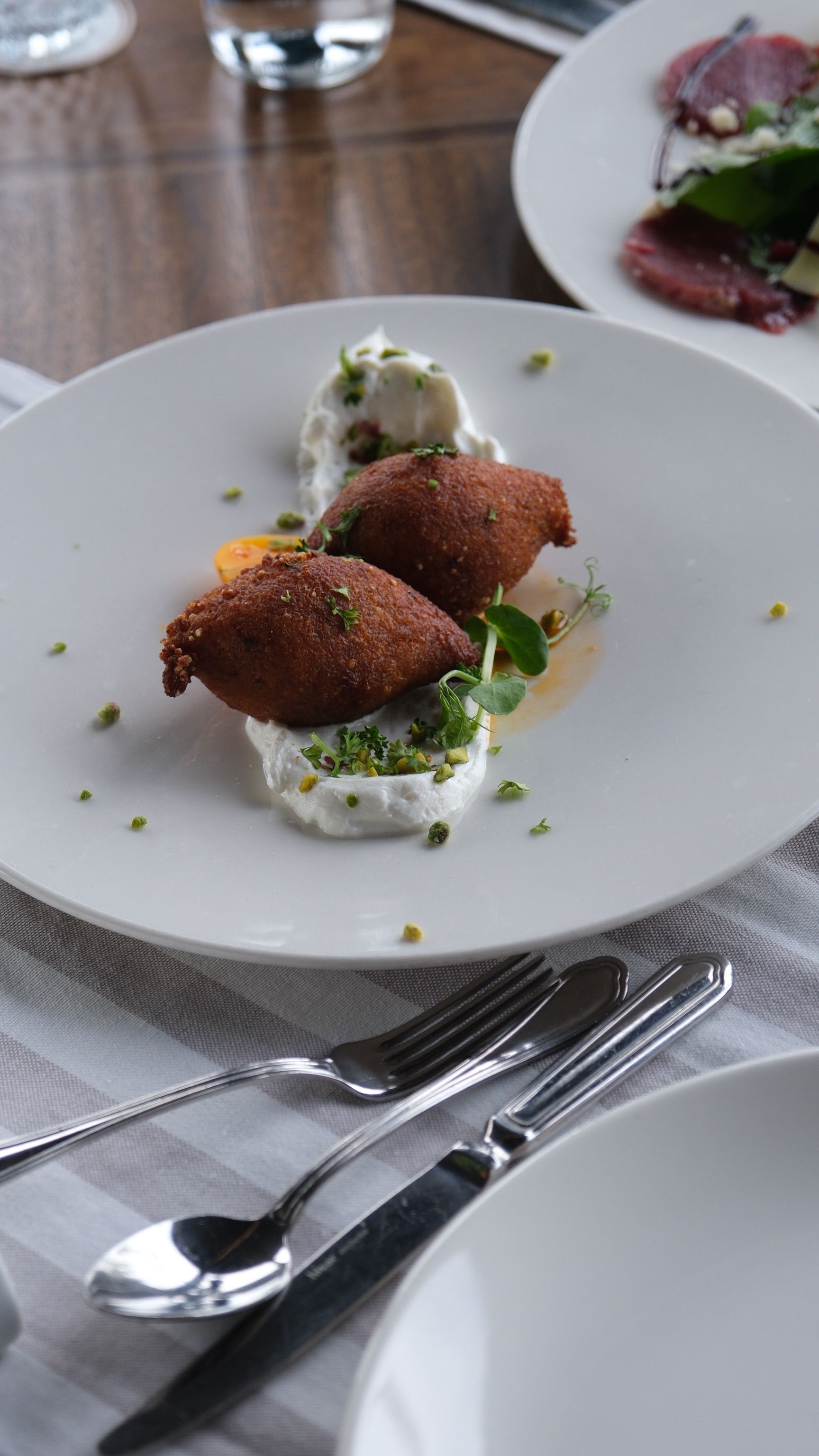
Akra is a Haitian fritter made from grated malanga (taro-like root vegetable) combined with aromatics and leavening agents. Every ingredient listed — malanga, garlic, scotch bonnet pepper, scallion, flour, parsley, and baking powder — is entirely plant-based with no animal products or animal-derived ingredients. Traditional akra is fried, which is incidental to its vegan status (assuming frying oil is plant-based, as is standard). This is a whole-food-forward snack anchored by a root vegetable, making it score near the top of the approval range.
Akra is a Haitian fritter made primarily from malanga (a paleo-approved root vegetable) with garlic, scotch bonnet, scallion, and parsley — all paleo-compliant. However, the recipe includes wheat flour and baking powder, both of which are strictly excluded from the paleo diet. Wheat flour is a grain-derived product and one of the clearest 'avoid' items in paleo philosophy. Baking powder typically contains cornstarch (a grain) and sodium bicarbonate with added salt components, making it non-paleo as well. These two ingredients are not incidental — they are structural to the fritter batter and cannot be considered minor additives. The dish as traditionally prepared is incompatible with paleo guidelines.
Akra (malanga fritters) is primarily made from whole plant-based ingredients — malanga (a root vegetable), garlic, scallions, parsley, and scotch bonnet — which are all Mediterranean diet-friendly. However, the preparation method involves deep-frying, which contradicts the Mediterranean diet's emphasis on olive oil used for sautéing or dressing rather than deep-frying large quantities of food. The small amount of refined flour and baking powder are minor concerns. If shallow-fried or baked in olive oil, this would score higher. The vegetable-forward ingredient list is a clear positive.
Some Mediterranean diet practitioners argue that occasional frying in high-quality olive oil is consistent with traditional Mediterranean cooking practices (as seen in Spanish and Italian fritter traditions like buñuelos or frittelle), and could upgrade this dish to an 'approve' if prepared that way. The whole-food, plant-based base is strongly aligned with Mediterranean principles regardless of cooking method.
Akra is a Haitian fritter made entirely from plant-based ingredients. Malanga (a starchy root vegetable) forms the base, combined with flour, garlic, scotch bonnet pepper, scallions, parsley, and baking powder. There is not a single animal-derived ingredient in this dish. Every component is explicitly excluded on a carnivore diet: root vegetables, grains (flour), alliums, peppers, and herbs are all plant foods. This dish is fundamentally incompatible with carnivore eating principles.
Akra (Haitian malanga fritters) contains flour, which is a grain-based ingredient explicitly excluded on Whole30. Additionally, baking powder typically contains corn starch, another excluded ingredient. Even if compliant versions of these ingredients could be sourced, Akra is a fritter — a fried snack food that falls squarely into the 'no recreating junk food/snack food' rule (analogous to chips or fritters). The dish is fundamentally a fried starchy snack cake, which violates the spirit of the Whole30 program regardless of ingredient substitutions.
Akra (Haitian malanga fritters) contains multiple high-FODMAP ingredients that make it unsuitable during the elimination phase. Garlic is one of the highest-FODMAP foods tested by Monash, rich in fructans, and should be avoided entirely. Scallions (green onions) — if the white bulb portion is used — are high in fructans, though the green tops are low-FODMAP. Regular wheat flour is high-FODMAP due to fructans. Malanga (taro-like root) has limited Monash testing data, adding uncertainty. Scotch bonnet pepper and parsley are generally low-FODMAP in typical culinary amounts, and baking powder is not a FODMAP concern. The combination of garlic and wheat flour alone is sufficient to classify this dish as high-FODMAP.
Malanga lacks robust Monash University testing data, so its individual FODMAP status is uncertain — some practitioners treat it cautiously as an untested root vegetable. Even setting malanga aside, the garlic and wheat flour make this dish a clear avoid during elimination; there is little practical controversy on that conclusion, though a modified version using garlic-infused oil, gluten-free flour, and green scallion tops only could potentially be made low-FODMAP.
Akra (Haitian malanga fritters) contains several DASH-friendly ingredients — malanga is a nutrient-dense root vegetable rich in potassium, fiber, and magnesium, and aromatics like garlic, scallion, and parsley align well with DASH principles. However, the primary concern is preparation method: akra is traditionally deep-fried, which significantly increases total fat content and caloric density, pushing this snack away from DASH ideals. The flour and baking powder add refined carbohydrates with minimal nutritional benefit. While the ingredient list itself is relatively clean (no high-sodium processed ingredients, no added sugar, no saturated-fat-heavy components), the deep-frying process adds vegetable oil that can substantially raise total fat intake. Sodium content depends heavily on how much salt is added during preparation, which is a variable not captured in the listed ingredients. As a snack, portion size is also a concern — multiple fritters can contribute meaningfully to daily fat intake. Baking or air-frying akra instead of deep-frying would make this a more DASH-compatible choice.
NIH DASH guidelines do not specifically address fried root vegetable fritters, creating some interpretive room. Some DASH-oriented clinicians note that when fried in heart-healthy unsaturated oils (e.g., canola or sunflower) and consumed in small portions, the overall nutritional profile — driven by malanga's potassium, fiber, and magnesium content — may still support DASH goals, particularly when the rest of the day's diet is sodium- and fat-controlled.
Akra are Haitian malanga (taro-like root vegetable) fritters, deep-fried with aromatics and flour. The primary macronutrient concern is the dominant carbohydrate load from malanga combined with flour, with essentially no protein and fat coming primarily from frying oil (likely omega-6-heavy vegetable/seed oil). Malanga is a starchy root vegetable with a moderate-to-high glycemic index — it falls into the 'unfavorable carb' category in Zone terminology, similar to potatoes, though it has somewhat more fiber and a lower GI than white potato. The added flour further increases the glycemic load. The absence of any protein source means akra cannot serve as a standalone Zone-balanced snack without pairing it with a significant lean protein and replacing the frying fat with a monounsaturated alternative. Additionally, deep-frying typically uses seed oils high in omega-6 fatty acids, which Sears explicitly discourages due to pro-inflammatory effects. As a snack, it is essentially a dense carbohydrate block with no protein blocks and unfavorable fat. It could be incorporated into a Zone meal as a small carb block component (1-2 blocks) paired with lean protein and a source of monounsaturated fat, but it requires very careful portioning and pairing to balance macros.
Some Zone practitioners note that malanga has a lower glycemic index than white potato and contains more resistant starch and fiber, making it a borderline 'unfavorable' rather than outright 'avoid' carb. In small portions (1 block equivalent), akra could function as a carb component of a balanced Zone snack if paired with lean protein (e.g., grilled chicken) and the frying oil were swapped for a monounsaturated fat preparation. The aromatics (garlic, scallion, parsley, scotch bonnet) are all Zone-favorable polyphenol-rich additions.
Akra (Haitian malanga fritters) presents a mixed anti-inflammatory profile. On the positive side, the ingredient list features several genuinely anti-inflammatory components: garlic (allicin, organosulfur compounds with well-documented anti-inflammatory effects), scotch bonnet pepper (capsaicin, carotenoids, and high vitamin C — a potent anti-inflammatory spice), scallions (quercetin, flavonoids), and parsley (apigenin, luteolin, vitamin C, and beta-carotene). Malanga (taro-like root vegetable) is a whole-food, gluten-free complex carbohydrate with some resistant starch and is relatively low on the glycemic index compared to refined starches. However, the preparation method is the key concern: akra are deep-fried fritters. Traditional recipes fry in oil — often neutral seed oils high in omega-6 fatty acids — which undermines the anti-inflammatory value of the whole ingredients. Deep frying also generates advanced glycation end products (AGEs) and oxidized lipids, both of which are pro-inflammatory. The addition of refined flour and baking powder are minor neutral-to-slightly-negative factors. If fried in extra virgin olive oil or avocado oil in small quantities, the dish becomes more favorable, but the standard preparation makes this a 'caution' food best consumed occasionally rather than regularly.
A more lenient reading emphasizes that akra's core ingredients — malanga, garlic, scotch bonnet, parsley — are whole, unprocessed, and rich in phytonutrients, and that occasional moderate consumption of fried foods is acceptable within an anti-inflammatory lifestyle (Dr. Weil's framework is a pattern, not a strict protocol). A stricter reading, aligned with AIP or anti-inflammatory protocols that emphasize eliminating refined flour and fried foods, would rate this closer to 'avoid.'
Akra are Haitian malanga fritters — grated malanga root mixed with aromatics, flour, and baking powder, then deep-fried. The preparation method is the primary disqualifier: deep-frying dramatically increases fat content and makes these difficult to digest, directly worsening the nausea, bloating, and reflux that GLP-1 medications already predispose patients to via slowed gastric emptying. The base ingredient (malanga) is a starchy root vegetable with moderate fiber but negligible protein. The addition of refined flour adds empty refined carbohydrates without meaningful nutritional payoff. Scotch bonnet pepper is one of the hotter chili varieties and may worsen GLP-1-related reflux and nausea, particularly on sensitive stomachs. The dish provides no meaningful protein, is fried, contains a very spicy pepper, and is made with refined flour — it fails on three to four of the core GLP-1 dietary priorities simultaneously. Even as an occasional small snack, the fried format alone places it firmly in the avoid category for GLP-1 patients.
*See how scores were generated at our methodology page.
Nutritional profile
Six traits that cut across every diet.
Fiber & Plants
How much whole-plant food and fiber it delivers.
Healthy Fats
The quality of its fats (unsaturated, omega-3).
Whole / Unprocessed
How close it is to its natural, unprocessed form.
Gut Gentle
How easy it is on digestion (low FODMAP, few irritants).
Low Glycemic
How little it spikes your blood sugar.
Protein Density
How much protein it packs per calorie.
Controversy Index
Higher controversy = more disagreement between diets.
Diet-Specific Tips
 Vegan — 9/10
View tips
- Malanga is a plant-based root vegetable — the primary ingredient
- All aromatics (garlic, scotch bonnet, scallion, parsley) are fully plant-based
- Flour and baking powder contain no animal derivatives
- No eggs, dairy, or animal-based binders present
- Dish is naturally vegan in its traditional Haitian form
 Mediterranean — 5/10
View tips
- Malanga is a whole, unprocessed root vegetable — plant-forward positive
- Garlic, scallions, parsley, and scotch bonnet are all Mediterranean-compatible aromatics
- Deep-frying method conflicts with Mediterranean fat-usage principles
- Small amount of refined flour is a minor negative
- No meat, dairy, or added sugars — strong ingredient profile
- Cooking oil type and method are critical but unspecified
 DASH — 4/10
View tips
- Malanga is rich in potassium, fiber, and magnesium — core DASH nutrients
- Traditional deep-frying significantly increases total fat content
- No high-sodium processed ingredients listed, but added salt during prep is likely
- Refined flour and baking powder reduce overall nutritional quality
- DASH-friendly aromatics (garlic, scallion, parsley) are positive elements
- Baking or air-frying would substantially improve DASH compatibility
- Portion control is essential — multiple fritters can exceed fat allowances
 Zone — 4/10
View tips
- Malanga is a starchy root vegetable with moderate-to-high glycemic index — 'unfavorable' carb in Zone terminology
- Flour addition increases glycemic load further
- Deep-frying introduces omega-6-heavy seed oils, which Sears explicitly discourages for their pro-inflammatory effects
- No protein source present — macro ratio is severely imbalanced (heavy carb, no protein)
- Cannot function as a Zone snack without pairing with substantial lean protein
- Aromatics (garlic, scallion, parsley, scotch bonnet) are Zone-favorable polyphenol-rich ingredients
- Small portions could be incorporated as a carb block but portioning discipline is critical
 Anti-Inflammatory — 5/10
View tips
- Garlic provides allicin and organosulfur compounds with strong anti-inflammatory evidence
- Scotch bonnet pepper is rich in capsaicin and carotenoids — potent anti-inflammatory compounds
- Parsley and scallions contribute quercetin, apigenin, and vitamin C
- Malanga is a whole-food complex carbohydrate with resistant starch — preferable to refined starch
- Deep-frying method generates AGEs and oxidized lipids, undermining the anti-inflammatory ingredients
- Frying oil type is critical — seed oils high in omega-6 would worsen the profile
- Refined flour is a minor negative factor (refined carbohydrate)