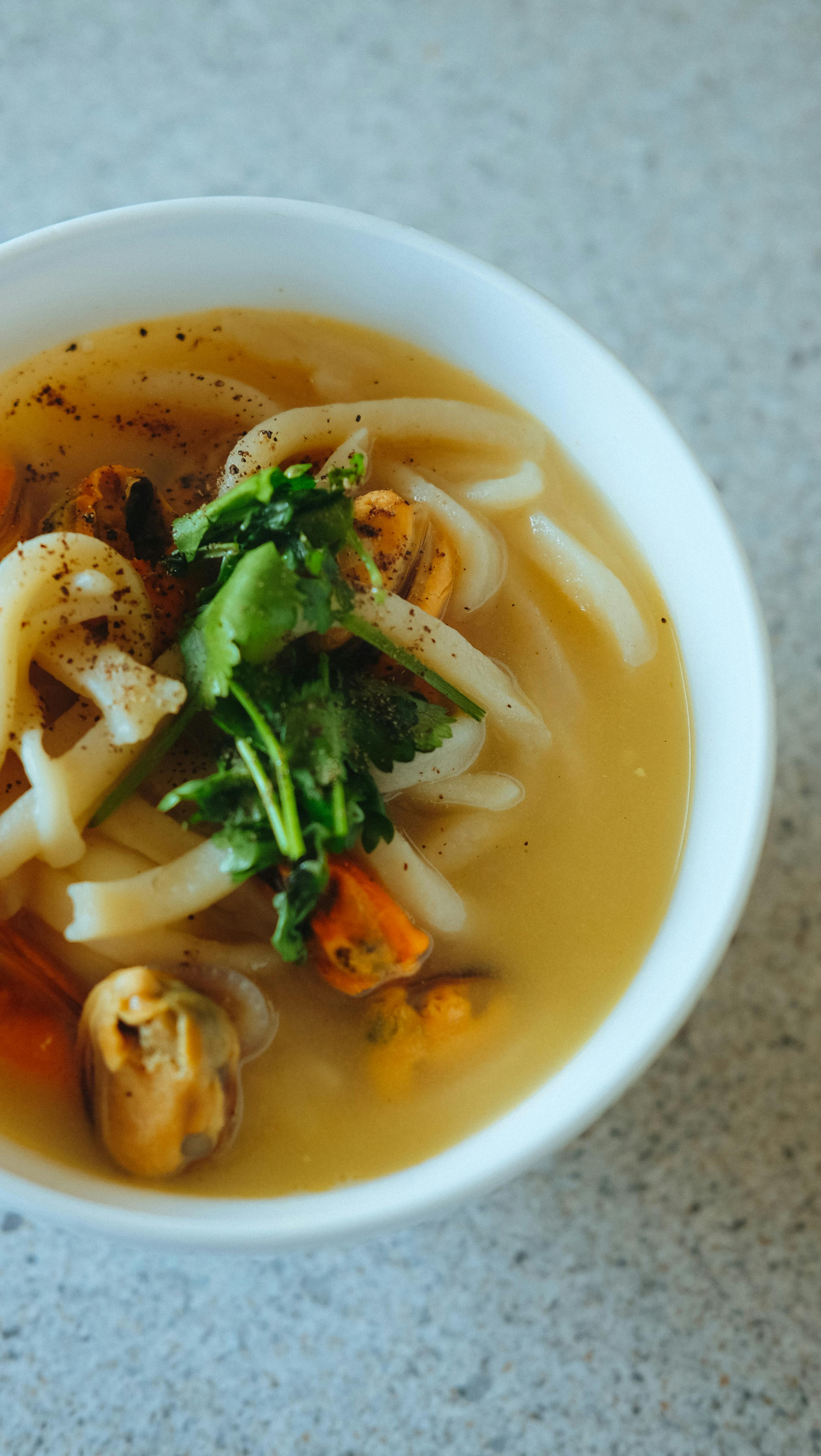
Photo: Phuong NGUYEN Nguyen / Pexels
The diets react (see scores below)
Common Ingredients
- beef
- plantain
- yam
- malanga
- cabbage
- spinach
- dumplings
- carrot
- scotch bonnet
Specific recipes may vary.
Incompatible with 6 of 11 diets
Diet Ratings
Haitian Bouillon is fundamentally incompatible with a ketogenic diet. The dish contains multiple high-carbohydrate ingredients that would collectively far exceed the daily 20-50g net carb limit in a single serving. Plantains are very high in starch and sugar (roughly 25-30g net carbs per half cup), yam and malanga are both starchy root vegetables with similarly high carb counts, dumplings are flour-based and essentially pure refined carbs, and carrots add additional sugars. Even a modest portion of this soup would likely contain 60-100g or more of net carbs. The beef and spinach/cabbage components are keto-friendly, but they are overwhelmed by the carbohydrate load from the starchy vegetables and dumplings. Scotch bonnet peppers are fine in small amounts. This dish cannot be made keto-compatible without fundamentally altering its character by removing most of its defining ingredients.
Haitian Bouillon is a hearty meat-based soup with beef listed as its primary protein. Beef is an animal product and is explicitly excluded under vegan dietary rules. The dish's non-vegan status is unambiguous regardless of the otherwise plant-rich ingredient list (plantain, yam, malanga, cabbage, spinach, carrot, scotch bonnet). The dumplings may also contain eggs depending on preparation, but beef alone is sufficient to classify this as non-vegan.
Haitian Bouillon is a hearty beef and vegetable soup that contains several paleo-compliant ingredients — beef, plantain, yam, malanga, cabbage, spinach, carrot, and scotch bonnet are all acceptable or debated-but-common paleo foods. However, the dish is traditionally made with dumplings (boule), which are flour-based (typically wheat flour), making them a grain-based ingredient that is clearly excluded from the paleo diet. The presence of dumplings is not incidental — they are a defining, structural component of Haitian Bouillon. Because the dish as traditionally prepared contains a core non-paleo ingredient, the overall dish must be rated avoid. Without the dumplings, the remaining ingredients would yield a caution-to-approve rating.
Haitian Bouillon is a nutrient-dense vegetable-forward soup with a wide array of Mediterranean-compatible ingredients: cabbage, spinach, carrot, scotch bonnet, plantain, yam, and malanga provide substantial fiber, vitamins, and plant diversity. However, the primary protein is beef, which Mediterranean diet guidelines restrict to a few times per month or once weekly at most. The dumplings are likely made from refined flour, adding refined grains. The large quantity and variety of vegetables partially offset these concerns, making this a borderline dish — acceptable occasionally but not a Mediterranean staple due to the red meat base and refined grain dumplings.
Some Mediterranean diet interpreters, particularly those emphasizing traditional peasant cooking patterns, might view a modest amount of lean beef in a heavily plant-loaded broth as acceptable, noting that bone-in beef was historically used sparingly for flavor in vegetable-dominant soups rather than as the dietary focus. Conversely, stricter modern clinical guidelines (e.g., Willett et al., 2016 Mediterranean diet pyramid) would push this toward 'avoid' if beef is consumed frequently.
Haitian Bouillon is almost entirely incompatible with the carnivore diet. While beef is the protein base and is fully approved, the dish is dominated by plant foods: plantain, yam, malanga, cabbage, spinach, carrot, scotch bonnet pepper, and flour-based dumplings. These ingredients represent starchy root vegetables, leafy greens, cruciferous vegetables, and grain-based dumplings — all strictly excluded on the carnivore diet. The plant ingredients are not incidental garnishes but structural, calorie-dense components of the dish. The beef itself would be compliant in isolation, but as prepared in this dish it cannot be separated from the overwhelmingly non-carnivore ingredients.
Haitian Bouillon is a hearty beef and vegetable soup that contains many Whole30-compliant ingredients — beef, plantain, yam, malanga, cabbage, spinach, carrot, and scotch bonnet are all allowed. However, the traditional recipe includes dumplings (known as 'boule' or flour dumplings), which are made from wheat flour, a grain that is explicitly excluded on the Whole30 program. This single ingredient disqualifies the dish as traditionally prepared. All other ingredients are fully compliant and nutritious choices.
Haitian Bouillon contains several ingredients that are individually manageable on a low-FODMAP diet, but the combination and typical serving sizes introduce meaningful risk. Beef is low-FODMAP and safe. Plantain (unripe) is low-FODMAP at ~75g; ripe plantain becomes moderate at larger servings. Yam is low-FODMAP at standard servings (~75g). Malanga (taro) is low-FODMAP at small servings (~75g per Monash) but can accumulate polyols at larger amounts. Cabbage is low-FODMAP at 75g but high-FODMAP at larger portions due to GOS. Spinach is low-FODMAP in small amounts (75g) but contains polyols at larger quantities. Scotch bonnet peppers are low-FODMAP in small amounts. The most significant concern is the dumplings — in Haitian cuisine, dumplings (boules) are typically made from wheat flour, making them high-FODMAP due to fructans. This single ingredient likely pushes the dish into problematic territory during elimination. The cumulative FODMAP load from multiple moderate-risk vegetables in a typical bowl-sized serving also creates stacking risk.
Monash University rates many of the individual vegetables here as low-FODMAP at controlled portions, and some FODMAP practitioners may suggest this dish is manageable if dumplings are omitted and vegetable portions are carefully moderated. However, most clinical FODMAP dietitians would caution against a dish with this many borderline ingredients in a single serving, as cumulative FODMAP load ('stacking') can trigger symptoms even when each ingredient individually passes the threshold.
Haitian Bouillon is a nutrient-dense root vegetable and leafy green soup with a strong DASH-compatible vegetable base (spinach, cabbage, carrot, yam, malanga, plantain). These ingredients are rich in potassium, magnesium, fiber, and vitamins — core DASH nutrients. However, several factors limit a full approval: (1) Beef is the primary protein; DASH emphasizes lean poultry and fish, and depending on the cut, beef can be high in saturated fat. Traditional bouillon often uses tougher, fattier bone-in cuts for flavor. (2) Dumplings (boules) are typically made from refined white flour, not a DASH-preferred whole grain. (3) Sodium is the critical wildcard — bouillon-style soups are typically high in salt through added seasoning cubes (Maggi, Knorr) and salted seasonings common in Haitian cooking, which can easily push sodium to 800–1,200mg+ per serving, conflicting with DASH's 1,500–2,300mg/day limit. The dish has excellent potential if prepared with lean beef (or swapped for skinless chicken), minimal added salt, no seasoning cubes, and whole-grain or reduced dumplings — but as commonly prepared, it warrants caution.
NIH DASH guidelines would flag this soup primarily for its sodium load from seasoning cubes and its use of red meat and refined-flour dumplings. However, updated clinical interpretations note that the exceptional vegetable diversity (multiple root vegetables, leafy greens) provides outstanding potassium, magnesium, and fiber content, and that home-prepared versions with lean beef and no added cubes can be genuinely DASH-aligned — some DASH-oriented dietitians would approve a modified version outright.
Haitian Bouillon is a nutrient-rich soup with a mix of Zone-favorable and Zone-unfavorable ingredients. On the positive side, beef provides lean protein (though the cut matters — if fatty, saturated fat increases), and vegetables like cabbage, spinach, carrot, and scotch bonnet are all Zone-favorable low-glycemic carbs loaded with polyphenols and fiber. However, the dish is heavily loaded with high-glycemic, starchy carbohydrates: plantain, yam, malanga (taro), and dumplings (flour-based). These are all classified as 'unfavorable' carbs in Zone terminology due to their high glycemic index and rapid glucose impact. Together, they would dramatically skew the 40/30/30 ratio toward carbohydrates — likely pushing carb calories to 60-70% of the dish. The dumplings add refined flour, which Sears specifically discourages. To Zone-ify this dish, one would need to eliminate or drastically reduce the plantain, yam, malanga, and dumplings, while amplifying the lean beef and vegetable content. As traditionally prepared, it is difficult to balance within Zone blocks without significant modification.
Some Zone practitioners argue that whole-food starches like yam and plantain — while unfavorable — are far preferable to processed carbs like white bread or sugar, and their fiber content moderates glycemic response somewhat. In Sears' later anti-inflammatory writings, he emphasizes polyphenol-rich, whole-food diets, and a vegetable-heavy soup like Bouillon aligns with that spirit even if the starch load is high. A smaller serving of Bouillon as a side rather than a main could be workable within a Zone meal.
Haitian Bouillon is a nutrient-dense, vegetable-heavy soup with a genuinely mixed anti-inflammatory profile. On the positive side, it features an impressive array of anti-inflammatory ingredients: scotch bonnet pepper contains capsaicin, a well-documented anti-inflammatory compound; spinach and cabbage are rich in antioxidants, vitamin K, and polyphenols; carrots provide beta-carotene; plantain, yam, and malanga offer fiber and resistant starch that support gut health and reduce systemic inflammation. The broth-based preparation is inherently healthier than fried or heavily processed cooking methods. The limiting factor is beef as the primary protein — red meat is in the 'limit' category under anti-inflammatory guidelines due to its saturated fat content and association with elevated inflammatory markers (CRP, IL-6) in epidemiological research. The dumplings (likely flour-based) add refined carbohydrates, which are mildly pro-inflammatory. The balance tilts toward neutral-to-cautiously positive: the dish is overwhelmingly vegetables and broth, with beef as a component rather than the centerpiece. Preparation matters — lean cuts with minimal added fat would improve the profile. This is a culturally rich, whole-food soup that compares favorably to many Western meat dishes.
Some anti-inflammatory practitioners (including guidelines influenced by Dr. Weil's pyramid) would argue that the volume of colorful vegetables, fiber-rich tubers, and capsaicin-rich peppers makes this dish net anti-inflammatory despite the beef — particularly if a lean cut is used and portion size is moderate. Conversely, stricter anti-inflammatory and autoimmune protocol (AIP) advocates would flag the refined flour dumplings and red meat together as a meaningful inflammatory burden, potentially rating this closer to a 4.
Haitian Bouillon is a nutrient-dense, vegetable-rich broth-based soup with meaningful upsides for GLP-1 patients, but several factors pull it into caution territory. On the positive side, the broth base is easy to digest, high in water content (supporting hydration), and the vegetable load — cabbage, spinach, carrot — adds meaningful fiber and micronutrients. Beef provides protein, though the cut matters significantly: traditional bouillon often uses bone-in, fattier cuts (short ribs, oxtail) which increase saturated fat and fat-per-serving beyond what is ideal for GLP-1 patients. Plantain, yam, and malanga are starchy, moderate-glycemic carbohydrates that add caloric density without much protein — acceptable in small portions but they displace protein-dense ingredients in an already small-appetite context. Dumplings (typically made from refined flour) are low-fiber, low-protein refined carbs that add further starch load. The scotch bonnet pepper is a meaningful concern: it is one of the hottest peppers used in cooking and is a known irritant for GLP-1 patients prone to reflux, nausea, and GI sensitivity due to slowed gastric emptying. If the scotch bonnet is used whole for flavor and removed before serving (common in Haitian cooking), the heat impact is reduced significantly — but if blended in or left in, it could worsen GI side effects. Overall protein per serving may fall short of the 15-30g per meal target depending on beef quantity and cut. This dish can work for GLP-1 patients with modifications: lean beef cuts (chuck, sirloin), reduced or removed scotch bonnet, smaller portions of starchy vegetables, and increased protein volume.
Some GLP-1-focused dietitians would rate a broth-based soup like this more favorably, emphasizing that the high water content, vegetable diversity, and warm liquid format can ease nausea and support hydration — areas where many GLP-1 patients struggle. The disagreement centers on whether the starchy vegetable and dumpling load is a meaningful concern at typical serving sizes, given that reduced appetite naturally limits total intake; others maintain that every calorie must prioritize protein and fiber density, making the starch-heavy composition a genuine drawback.
*See how scores were generated at our methodology page.
Nutritional profile
Six traits that cut across every diet.
Fiber & Plants
How much whole-plant food and fiber it delivers.
Healthy Fats
The quality of its fats (unsaturated, omega-3).
Whole / Unprocessed
How close it is to its natural, unprocessed form.
Gut Gentle
How easy it is on digestion (low FODMAP, few irritants).
Low Glycemic
How little it spikes your blood sugar.
Protein Density
How much protein it packs per calorie.
Controversy Index
Higher controversy = more disagreement between diets.
Diet-Specific Tips
 Mediterranean — 5/10
View tips
- Beef as primary protein contradicts Mediterranean red meat guidelines (limited to a few times/month)
- Exceptional vegetable diversity — cabbage, spinach, carrot, plantain, yam, malanga strongly align with plant-forward principles
- Dumplings likely made from refined flour, a negative factor
- No olive oil noted as cooking fat, missing a Mediterranean cornerstone
- Soup/broth format is compatible with Mediterranean culinary traditions
- Overall dish is nutrient-dense and whole-food-based despite the red meat concern
 DASH — 5/10
View tips
- High vegetable diversity: plantain, yam, malanga, cabbage, spinach, carrot — rich in DASH-priority nutrients (potassium, magnesium, fiber)
- Beef as primary protein is less preferred by DASH vs. lean poultry or fish; fatty cuts common in traditional preparation increase saturated fat
- Refined-flour dumplings not DASH-preferred; whole-grain alternative would score higher
- Sodium is the primary concern — traditional seasoning with Maggi/Knorr cubes and salt can push per-serving sodium well above DASH limits
- Scotch bonnet pepper adds negligible nutritional concern and may support cardiovascular health
- Home preparation allows significant DASH optimization: lean beef, low-sodium seasoning, reduced or whole-grain dumplings
 Zone — 4/10
View tips
- Plantain is a high-glycemic 'unfavorable' carb in Zone methodology
- Yam and malanga (taro) are starchy root vegetables that spike blood sugar and are Zone-unfavorable
- Dumplings are made from refined flour — a strongly unfavorable carb source Sears advises against
- Beef protein is Zone-compatible but cut determines fat profile; fatty cuts add saturated fat
- Cabbage, spinach, carrot, and scotch bonnet are Zone-favorable vegetables and polyphenol sources
- Overall carbohydrate load is disproportionately high, breaking the 40/30/30 ratio
- Dish would require significant modification (removing or reducing starches) to fit Zone blocks
 Anti-Inflammatory — 5/10
View tips
- Beef (red meat) is in the 'limit' category due to saturated fat and pro-inflammatory potential
- Scotch bonnet pepper provides capsaicin, a potent anti-inflammatory compound
- Spinach offers vitamin K, folate, and antioxidants with documented anti-inflammatory effects
- Cabbage is rich in glucosinolates and polyphenols with anti-inflammatory properties
- Plantain, yam, and malanga provide fiber and resistant starch supporting gut microbiome health
- Carrots deliver beta-carotene and other carotenoids linked to reduced inflammation
- Flour-based dumplings add refined carbohydrates, a mild pro-inflammatory element
- Broth-based soup preparation is inherently healthier than fried or high-fat cooking methods
- Overall vegetable-to-meat ratio is favorable for anti-inflammatory scoring
 GLP-1 Friendly — 5/10
View tips
- Beef cut is unknown — fattier traditional cuts (oxtail, short ribs) significantly worsen the fat profile
- Scotch bonnet pepper is very high heat and a GI irritant — risk depends on preparation method
- Broth base is positive: high water content, easy to digest, supports hydration
- Starchy vegetable trio (plantain, yam, malanga) plus dumplings creates high refined/starch load with low protein contribution
- Vegetable variety (cabbage, spinach, carrot) adds fiber and micronutrients — a genuine positive
- Protein per serving likely insufficient for GLP-1 targets unless beef portion is generous and lean
- Small-bowl serving of broth-heavy soup is portion-friendly and may reduce nausea risk