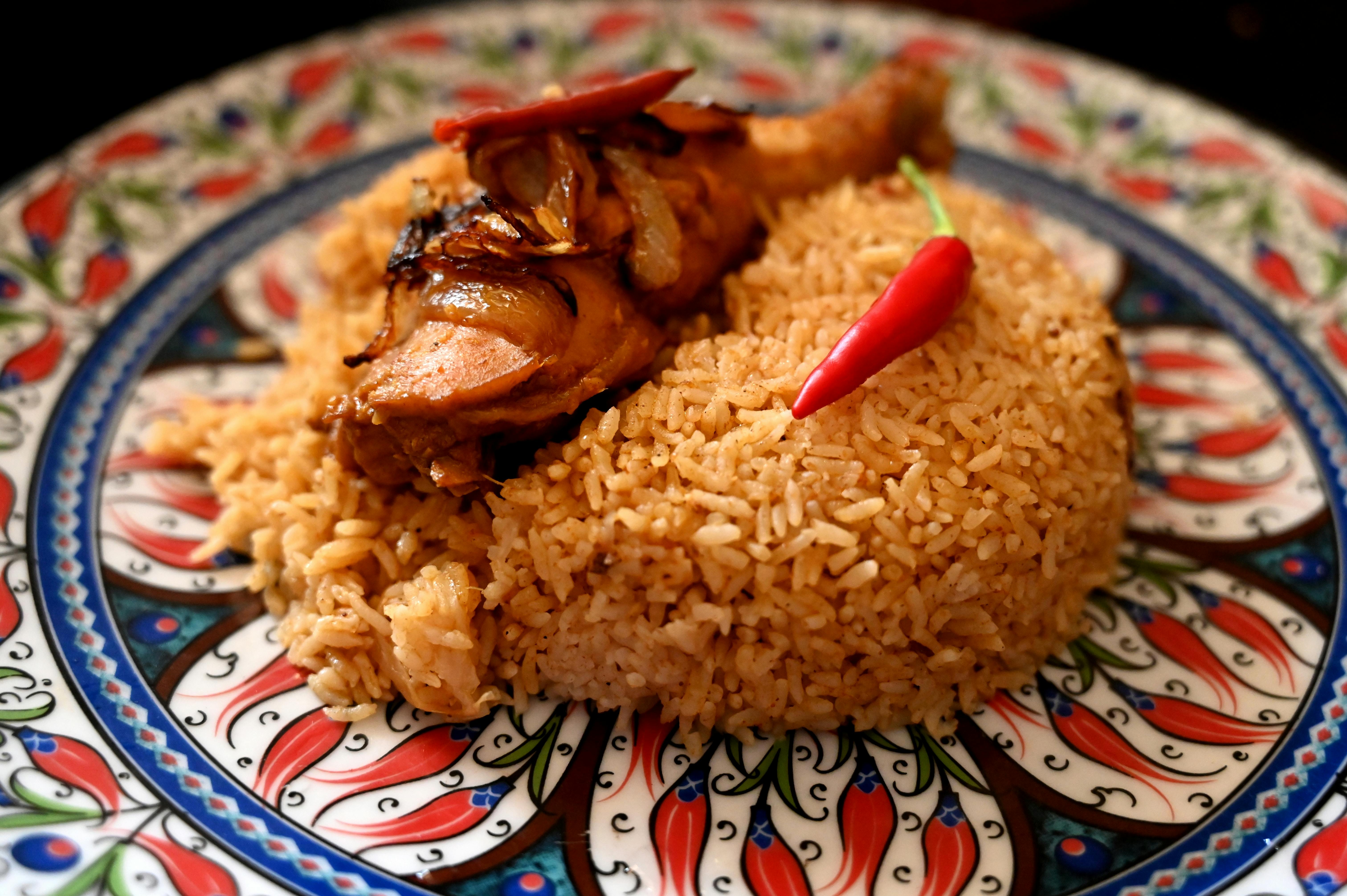
Photo: Mumtahina Tanni / Pexels
The diets react (see scores below)
Common Ingredients
- rice
- kidney beans
- coconut milk
- garlic
- thyme
- shallot
- scotch bonnet
- clove
Specific recipes may vary.
Incompatible with 5 of 11 diets
Diet Ratings
Diri Kole is fundamentally incompatible with a ketogenic diet. Rice is a high-glycemic grain that delivers approximately 45g of net carbs per cooked cup, and kidney beans add another 20-30g of net carbs per half-cup serving. Together, a single standard serving of this dish would far exceed the entire daily net carb allowance of 20-50g. While coconut milk and the aromatics (garlic, thyme, shallot, scotch bonnet, clove) are keto-friendly, they cannot offset the massive carbohydrate load from rice and beans, which form the bulk of the dish. There is no realistic portion size that makes this dish compatible with ketosis.
Diri Kole (Haitian rice and beans) is composed entirely of whole plant-based ingredients. Rice, kidney beans, coconut milk, garlic, thyme, shallot, scotch bonnet pepper, and clove are all plant-derived with no animal products or animal-derived ingredients present. Coconut milk is a plant-based fat source, and kidney beans provide substantial protein and fiber. This is a nutrient-dense, minimally processed whole-food dish that aligns excellently with vegan dietary principles.
Diri Kole is a classic Haitian rice and beans dish that contains two major paleo-excluded food groups as its primary ingredients. Rice is a grain and kidney beans are a legume — both are firmly off-limits in the paleo framework due to their anti-nutrient content (lectins, phytates, and saponins) and their absence from the Paleolithic diet. The remaining ingredients — coconut milk, garlic, thyme, shallot, scotch bonnet, and clove — are all paleo-approved, but they cannot redeem a dish built on two foundational non-paleo staples. This is not a borderline case.
Diri Kole is a wholesome dish built around legumes (kidney beans) and aromatic vegetables (garlic, shallot, thyme, scotch bonnet, clove), which are all Mediterranean-friendly ingredients. Kidney beans are an excellent plant-based protein and fiber source strongly encouraged in the Mediterranean diet. However, two components temper the rating: white rice is a refined grain (modern Mediterranean guidelines prefer whole grains, though it appears in traditional Mediterranean cuisines in moderation), and coconut milk introduces saturated fat from a non-olive-oil source that is not part of traditional Mediterranean dietary patterns. The dish contains no red meat, no added sugars, and no highly processed ingredients, making it far from an 'avoid.' The bean-forward profile and vegetable aromatics pull it toward approval, but the white rice and coconut milk keep it in cautious moderation territory.
Some Mediterranean diet practitioners would rate this more favorably, noting that legume-and-grain combinations are a cornerstone of traditional Mediterranean eating (e.g., Greek fasolada, Levantine mujaddara with white rice), and that the saturated fat content from coconut milk in a single serving is modest. Others following stricter clinical guidelines (e.g., Predimed-style protocols) would flag the white rice and coconut fat as departures from core principles.
Diri Kole ak Pwa is a traditional Haitian rice and beans dish that is entirely plant-based. Every single ingredient — rice, kidney beans, coconut milk, garlic, thyme, shallot, scotch bonnet pepper, and clove — is plant-derived. There are zero animal products present. This dish is the antithesis of the carnivore diet, combining two of the most excluded food categories (grains and legumes) with plant oils, vegetables, and spices. Kidney beans in particular contain lectins and antinutrients that carnivore proponents specifically cite as reasons to avoid plant foods. There is unanimous consensus across all carnivore tiers and protocols that this dish is completely incompatible.
Diri Kole contains two excluded ingredient categories: rice (a grain, explicitly excluded on Whole30) and kidney beans (a legume, explicitly excluded on Whole30). Unlike green beans, sugar snap peas, or snow peas — which are specifically excepted despite being legumes — kidney beans have no such exception and are firmly on the avoid list. The remaining ingredients (coconut milk, garlic, thyme, shallot, scotch bonnet, clove) are all compliant, but the two core structural ingredients disqualify this dish entirely.
Diri Kole (Haitian rice and beans) contains multiple high-FODMAP ingredients that make it unsuitable during the elimination phase. Kidney beans are high in GOS (galacto-oligosaccharides), which are a major FODMAP group — even canned kidney beans contain significant GOS and are rated high-FODMAP by Monash University. Garlic is one of the highest-FODMAP foods tested, rich in fructans, and is not safe at any culinary quantity. Shallots are also high in fructans and behave similarly to onion. Coconut milk can be low-FODMAP at small servings (up to 1/2 cup per Monash) but is commonly used in larger quantities in this dish, adding polyol risk. Rice and thyme are low-FODMAP. Scotch bonnet pepper is low-FODMAP. Clove is used in tiny amounts and is generally considered low-FODMAP at culinary doses. However, the combination of kidney beans, garlic, and shallots creates a high-FODMAP load that makes this dish unsuitable for the elimination phase regardless of portion size.
Diri Kole (Haitian rice and beans) contains several DASH-positive elements: kidney beans provide excellent potassium, fiber, magnesium, and plant protein — all core DASH nutrients. Garlic, thyme, shallot, and scotch bonnet are DASH-friendly aromatics that add flavor without sodium. Rice (likely white in the traditional preparation) is a refined grain rather than the whole grain DASH emphasizes, though it is not prohibited. The primary concern is coconut milk, which is high in saturated fat from a tropical oil source — a category DASH explicitly limits. A typical serving of coconut milk-based dishes can deliver 4-8g of saturated fat depending on portion and whether full-fat or light coconut milk is used. Cloves are a beneficial spice with no DASH concerns. The dish is naturally low in sodium if no salt is added, which is a significant positive. Overall, this is a nutritious dish pulled down by the coconut milk's saturated fat content, landing it in 'caution' territory rather than 'avoid' because the remaining ingredients are broadly DASH-compatible.
NIH DASH guidelines explicitly restrict coconut milk as a tropical oil/saturated fat source, which would push this dish toward 'avoid' if made with full-fat coconut milk regularly. However, updated clinical interpretations note that the plant-based saturated fats in coconut (medium-chain triglycerides) may behave differently metabolically, and when light coconut milk is substituted, the saturated fat burden drops significantly — some DASH-aligned dietitians accept this dish in moderation, especially given its strong bean-based nutrient profile.
Diri Kole (Haitian rice and beans with coconut milk) presents significant Zone Diet challenges. White rice is the dominant carbohydrate source and is classified as an 'unfavorable' high-glycemic carb in Zone terminology — it spikes insulin and provides little fiber. Kidney beans offer some redemption as they contain both protein and lower-glycemic carbohydrates with good fiber content, and are a recognized Zone-friendly protein source. However, the protein-to-carbohydrate ratio in this dish is heavily skewed toward carbs, making it difficult to achieve the 40/30/30 balance without radical portioning. Coconut milk adds saturated fat rather than the preferred monounsaturated fat (olive oil, avocado, almonds), which conflicts with Zone's anti-inflammatory fat emphasis. The aromatics (garlic, thyme, shallot, scotch bonnet, clove) are all favorable — low-calorie, anti-inflammatory polyphenol sources. As a side dish, a small portion (about 1/3 cup) could technically be incorporated into a Zone meal if balanced with a large lean protein source and a monounsaturated fat, but the dish as typically served is carbohydrate-heavy, coconut fat-heavy, and protein-light. It requires very careful portioning and pairing.
Diri Kole (Haitian rice and beans) has a genuinely mixed anti-inflammatory profile. On the positive side, kidney beans are an excellent source of fiber, plant protein, and polyphenols (anthocyanins) with well-established anti-inflammatory properties. Garlic, thyme, and scotch bonnet pepper contribute meaningful anti-inflammatory compounds — allicin, rosmarinic acid, and capsaicin respectively — and clove is one of the most antioxidant-rich spices available. Shallots add quercetin and other flavonoids. However, two ingredients introduce meaningful concern: coconut milk is high in saturated fat (lauric acid), which is debated but generally flagged as a 'limit' item in anti-inflammatory frameworks, and white rice is a refined carbohydrate that raises blood glucose without significant fiber or micronutrient benefit, which can promote glycation and low-grade inflammation, especially in larger portions. The dish is not processed and contains no trans fats, seed oils, added sugars, or artificial additives, which keeps it from falling into 'avoid' territory. The overall picture is a traditional whole-food dish with genuinely beneficial ingredients offset by white rice and coconut milk — solidly in the 'caution/moderate' zone.
Dr. Andrew Weil's framework and many anti-inflammatory practitioners are more permissive about coconut milk, viewing medium-chain triglycerides (particularly lauric acid) as metabolically neutral or even beneficial, which would push this dish closer to 'approve.' Conversely, stricter anti-inflammatory protocols concerned with saturated fat and glycemic load would emphasize that the white rice + full-fat coconut milk combination warrants real caution, particularly for individuals with metabolic syndrome or elevated CRP.
Diri Kole is a traditional Haitian rice and beans dish cooked with coconut milk, aromatics, and scotch bonnet pepper. The kidney beans contribute meaningful fiber and plant-based protein, and the garlic, thyme, and shallot add micronutrients with minimal caloric cost. However, several factors pull it into caution territory for GLP-1 patients. Coconut milk is high in saturated fat, which can worsen nausea, bloating, and reflux — common GLP-1 side effects — especially when gastric emptying is slowed. White rice is a refined grain with low fiber and low protein density per calorie, diluting the nutritional value of an already small portion. The protein contribution from kidney beans alone is modest (roughly 7-8g per half-cup serving of cooked beans), making it difficult to hit the 15-30g per meal protein target without a significant addition like grilled chicken or fish. The scotch bonnet pepper is a meaningful concern: it is one of the hottest commercially used peppers and may worsen reflux, nausea, and GI irritation in GLP-1 patients who are already sensitive to spicy foods. As a side dish, Diri Kole can fit into a GLP-1-friendly meal when paired with a lean protein and eaten in a modest portion, but it should not anchor a meal on its own.
Some GLP-1-focused dietitians accept coconut milk in small amounts as part of a culturally appropriate meal pattern, arguing that the fiber and protein from kidney beans and the satiety value of the dish justify inclusion; others flag the saturated fat content of coconut milk and the spice level of scotch bonnet as consistent enough triggers for GI side effects that the dish warrants modification (e.g., light coconut milk, reduced pepper) before recommending it to GLP-1 patients.
*See how scores were generated at our methodology page.
Nutritional profile
Six traits that cut across every diet.
Fiber & Plants
How much whole-plant food and fiber it delivers.
Healthy Fats
The quality of its fats (unsaturated, omega-3).
Whole / Unprocessed
How close it is to its natural, unprocessed form.
Gut Gentle
How easy it is on digestion (low FODMAP, few irritants).
Low Glycemic
How little it spikes your blood sugar.
Protein Density
How much protein it packs per calorie.
Controversy Index
Higher controversy = more disagreement between diets.
Diet-Specific Tips
 Vegan — 6/10
View tips
- All eight ingredients are fully plant-based
- Kidney beans provide plant protein and fiber
- Coconut milk is plant-derived, not dairy
- Whole-food preparation with no processed substitutes
- Aromatic herbs and spices (thyme, garlic, shallot, scotch bonnet, clove) are all vegan
- No animal-derived additives, thickeners, or flavorings involved
 Mediterranean — 5/10
View tips
- Kidney beans are a strongly approved Mediterranean protein and fiber source
- Aromatic vegetables (garlic, shallot, thyme, scotch bonnet, clove) are entirely Mediterranean-compatible
- White rice is a refined grain; whole grains are preferred in Mediterranean guidelines
- Coconut milk adds saturated fat not aligned with extra-virgin olive oil as the primary fat
- No red meat, processed ingredients, or added sugars
- Overall plant-based profile is positive despite non-traditional fat source
 DASH — 5/10
View tips
- Kidney beans are a DASH superstar: high in potassium, magnesium, fiber, and plant protein
- Coconut milk is a tropical oil high in saturated fat, explicitly limited by DASH guidelines
- White rice is a refined grain — DASH prefers whole grains (brown rice would improve score)
- No inherently high-sodium ingredients; dish can be very low-sodium if salt is minimized
- Aromatics (garlic, thyme, shallot, scotch bonnet, clove) are all DASH-friendly flavor enhancers
- Using light/reduced-fat coconut milk would improve the DASH compatibility meaningfully
 Zone — 4/10
View tips
- White rice is a high-glycemic 'unfavorable' carbohydrate in Zone — primary concern
- Kidney beans provide some protein and fiber, partially offsetting the glycemic load of rice
- Coconut milk contributes saturated fat, not the preferred monounsaturated fat
- Carbohydrate-to-protein ratio is heavily imbalanced toward carbs, disrupting 40/30/30 target
- Aromatic ingredients (garlic, thyme, scotch bonnet, clove) are anti-inflammatory polyphenol sources — Zone-positive
- Small, carefully portioned servings paired with lean protein could fit within Zone block system
 Anti-Inflammatory — 6/10
View tips
- Kidney beans: high in fiber, plant protein, and anthocyanins — strongly anti-inflammatory
- Garlic, thyme, clove, scotch bonnet: potent anti-inflammatory spice and allium profile
- Coconut milk: high in saturated fat (lauric acid) — flagged as 'limit' in most anti-inflammatory frameworks
- White rice: refined carbohydrate with high glycemic load — neutral to mildly pro-inflammatory
- No trans fats, seed oils, added sugars, or artificial additives — a clean whole-food base
- Scotch bonnet (capsaicin): well-researched anti-inflammatory and antioxidant compound
 GLP-1 Friendly — 5/10
View tips
- Kidney beans provide fiber and moderate plant protein, supporting two top GLP-1 priorities
- Coconut milk adds significant saturated fat, which can worsen nausea, bloating, and reflux on GLP-1 medications
- White rice is a refined grain — low fiber, low protein density, contributes empty starch calories
- Scotch bonnet is extremely spicy and a meaningful reflux and nausea risk for GLP-1 patients
- Protein per serving is insufficient to meet per-meal targets without a lean protein addition
- Dish works best as a small side paired with a high-protein lean protein main
- Cultural food value is real — modification (light coconut milk, reduced scotch bonnet) is preferable to elimination