Photo: Sylwester Ficek / Pexels
Hawaiian
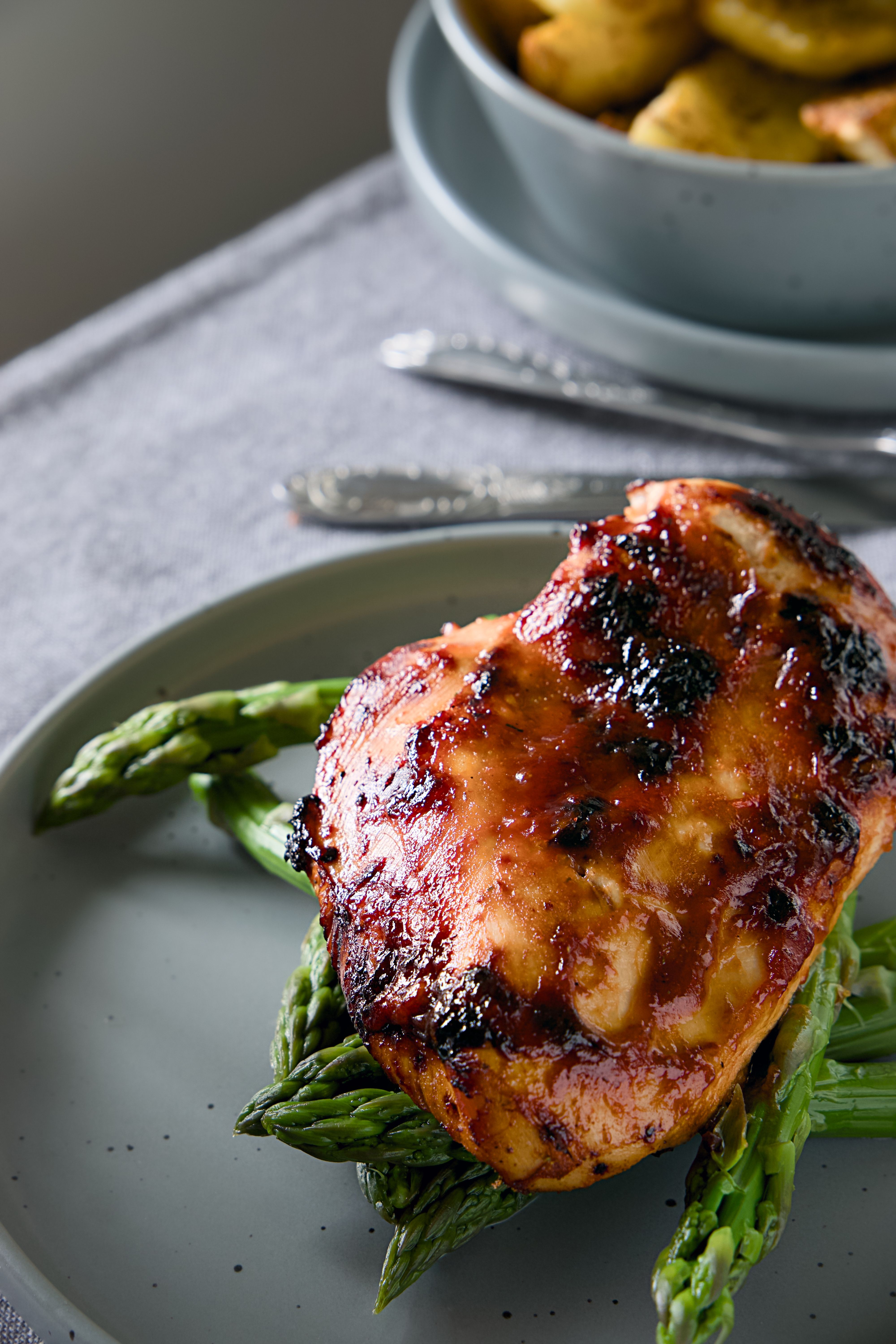
Huli Huli Chicken
The diets react (see scores below)
Common Ingredients
- chicken
- soy sauce
- brown sugar
- pineapple juice
- ketchup
- ginger
- garlic
- sesame oil
Specific recipes may vary.
Incompatible with 7 of 11 diets
Diet Ratings
Huli Huli Chicken is fundamentally incompatible with ketogenic diet principles. The marinade is built on multiple high-sugar ingredients: brown sugar is pure sucrose, pineapple juice is dense with fructose (roughly 25-30g carbs per 1/2 cup), and ketchup contains added sugars. Together, these ingredients load the dish with significant net carbs that would almost certainly exhaust or exceed a full day's keto carb allowance in a single serving. While the chicken itself is keto-friendly and sesame oil, garlic, and ginger are acceptable, the core flavor profile of this dish is defined by its sweet, sugar-forward glaze. There is no practical portion size that makes this dish keto-compatible without fundamentally altering the recipe.
Huli Huli Chicken is unambiguously non-vegan. The primary protein is chicken, a direct animal product that is categorically excluded under all vegan frameworks. No version of this dish can be considered vegan while retaining chicken as an ingredient. The remaining ingredients (soy sauce, brown sugar, pineapple juice, ketchup, ginger, garlic, sesame oil) are plant-based, but the presence of chicken makes the dish incompatible with a vegan diet regardless of how the other components are sourced.
Huli Huli Chicken contains multiple non-paleo ingredients that make it clearly incompatible with the diet. Soy sauce is a soy-based legume product and also contains wheat (a grain), making it doubly excluded. Brown sugar is refined sugar, explicitly forbidden. Ketchup is a processed condiment typically containing refined sugar, added salt, and preservatives. Sesame oil is a seed oil on the excluded list. While chicken, pineapple juice, ginger, and garlic are paleo-approved, the majority of the marinade ingredients are firmly in the 'avoid' category. This is not a borderline case — the dish as traditionally prepared cannot be considered paleo-compatible without a complete marinade overhaul.
Huli Huli Chicken is a Hawaiian dish that conflicts with Mediterranean diet principles on multiple fronts. While chicken itself is acceptable in moderation, the marinade is built around brown sugar (added sugar), ketchup (processed condiment with added sugar and sodium), and soy sauce (high sodium, processed condiment not part of Mediterranean tradition). The sauce is essentially a sweet, sticky glaze — high in added sugars and refined condiments. Pineapple juice adds further sugar load. Sesame oil, while a plant-based fat, replaces the foundational Mediterranean fat (extra virgin olive oil). The overall dish profile — sweet, processed marinade with no vegetables, legumes, or whole grains — is far removed from Mediterranean dietary patterns.
Huli Huli Chicken is heavily incompatible with the carnivore diet. While chicken itself is an animal product, the marinade is dominated by plant-derived and processed ingredients: soy sauce (fermented soy — a legume), brown sugar (refined plant sugar), pineapple juice (fruit juice), ketchup (processed tomato product with sugar), ginger (plant root), garlic (plant bulb), and sesame oil (plant seed oil). The majority of this dish by ingredient count and flavor profile is plant-based and processed. Only the chicken itself qualifies. This dish would score near-zero on any carnivore compatibility scale.
Huli Huli Chicken as traditionally prepared contains multiple Whole30-excluded ingredients. Soy sauce is a soy product (legume-derived) and is explicitly excluded; coconut aminos would be the compliant substitute. Brown sugar is added sugar, which is explicitly excluded. Ketchup typically contains added sugar as well. These are not minor or debatable violations — soy sauce and brown sugar are core components of the marinade and cannot simply be omitted without changing the dish entirely. Even if coconut aminos replaced soy sauce, the brown sugar and sugary ketchup would still disqualify this dish in its standard form.
Huli Huli Chicken contains multiple high-FODMAP ingredients that make it unsuitable during the elimination phase. Garlic is one of the highest-FODMAP foods tested by Monash University, rich in fructans, and must be avoided entirely. Pineapple juice, when used in marinade quantities, delivers excess fructose and fructans beyond safe thresholds. Brown sugar in larger amounts can contribute to excess fructose loads. Ketchup often contains onion and garlic derivatives, adding further fructan burden. While chicken, soy sauce (in small amounts), ginger, and sesame oil are individually low-FODMAP, the combination of garlic and pineapple juice as core marinade ingredients makes this dish high-FODMAP in any standard serving. There is no realistic way to consume a standard portion of this dish without significant FODMAP exposure from garlic alone.
Huli Huli Chicken centers on grilled chicken, which is a DASH-friendly lean protein. However, the marinade is the primary concern: soy sauce is extremely high in sodium (one tablespoon contains ~900-1,000mg), and the combination of brown sugar, ketchup, and pineapple juice adds significant amounts of added sugar. Together, these ingredients push the dish well outside DASH ideals for a single serving. Sesame oil is an acceptable vegetable oil in small amounts, and ginger and garlic are DASH-positive. The chicken itself is a core DASH protein, but as commonly prepared, the marinade could contribute 600-1,000mg+ of sodium per serving and meaningful added sugar — both problematic for DASH. The dish is rated 'caution' rather than 'avoid' because the base protein is sound and modifications (low-sodium soy sauce or coconut aminos, reduced sugar) can make it more DASH-compatible. Confidence is medium because NHLBI DASH guidelines don't address this specific dish; the verdict requires applying DASH principles to the ingredient profile.
NIH DASH guidelines flag high-sodium condiments like soy sauce as problematic and limit added sugars, which would push a strict reading toward 'avoid' for this marinade profile. However, updated clinical interpretations note that if low-sodium soy sauce is substituted and sugar is reduced, the chicken-based dish aligns reasonably well with DASH lean protein goals — some DASH-oriented dietitians would approve a modified version without categorically rejecting the dish.
Huli Huli Chicken features a lean protein base (chicken) that is ideal for Zone meals, but the marinade/glaze introduces significant Zone challenges. Brown sugar, pineapple juice, and ketchup are all high-glycemic carbohydrate sources that spike insulin — exactly what the Zone Diet aims to avoid. These ingredients are 'unfavorable' carbs in Zone terminology. The sesame oil adds omega-6 fat rather than the preferred monounsaturated fat (olive oil, avocado, almonds), and while not as problematic as trans fats, it's not ideal from an anti-inflammatory standpoint. Soy sauce contributes minimal macros but adds sodium. The dish can technically fit within Zone ratios if the marinade is used sparingly (small amounts of the sugary components), the chicken portion is sized to ~3 oz (25g protein), and it is paired with a large serving of low-glycemic vegetables and a monounsaturated fat source. However, as typically prepared with a generous sweet glaze, the carbohydrate load from the sugary marinade is difficult to balance into a proper 40/30/30 block meal. The dish lands in 'caution' territory: the protein base is strong, but the sweet glaze requires careful portion control and mindful pairing.
Some Zone practitioners argue that the marinade quantities per serving are small enough that the glycemic impact is limited — particularly if the chicken is not drowning in glaze. Dr. Sears' later work (The OmegaRx Zone, The Mediterranean Zone) places more emphasis on overall meal context and anti-inflammatory polyphenols (ginger and garlic here are positive contributors) rather than ruling out any single ingredient. From this perspective, a modest glaze on a well-portioned piece of chicken paired with Zone-favorable sides could be considered acceptable, pushing the score closer to 6.
Huli Huli Chicken presents a mixed anti-inflammatory profile. On the positive side, chicken is a lean protein (moderate tier), and ginger and garlic are well-established anti-inflammatory spices with meaningful bioactive compounds (gingerols, allicin). Sesame oil contains sesamin and sesamolin with modest antioxidant properties. However, the dish's signature marinade is heavily reliant on pro-inflammatory ingredients: brown sugar adds significant refined sugar load, ketchup contributes added sugar plus potential high-fructose corn syrup (depending on brand), and pineapple juice — while containing bromelain — delivers a high glycemic sugar hit in sauce quantities. Soy sauce is a sodium-dense processed condiment. The cumulative added sugar content from pineapple juice, brown sugar, and ketchup is the primary concern, as excess sugar is a well-established driver of inflammatory markers like CRP and IL-6. The anti-inflammatory contributions from ginger and garlic are real but insufficient to offset the sugar-heavy glaze. This dish sits firmly in the 'acceptable occasionally' zone rather than as a regular anti-inflammatory meal.
Huli Huli Chicken has a solid foundation in lean chicken protein, which is a GLP-1 priority, but the marinade is a significant concern. Brown sugar, pineapple juice, and ketchup combine to create a high-sugar glaze that adds empty calories and can spike blood sugar — counterproductive for GLP-1 patients who need nutrient-dense calories. The sesame oil and soy sauce are present in small amounts typical of marinades and are less problematic, but the sugar load from the glaze is meaningful. Traditionally this dish is grilled, which is preferable to frying, and the chicken itself delivers good protein per serving. The ginger and garlic are GLP-1-friendly and may even support digestion. However, the sweet glaze reduces overall nutrient density per calorie and introduces a sugar hit that is inconsistent with GLP-1 dietary priorities. A modified version with reduced sugar, sugar-free pineapple juice or a splash of real juice, and a smaller glaze application would score considerably higher. As served in a standard preparation, this sits firmly in caution territory.
Some GLP-1-focused dietitians would argue the protein benefit of grilled chicken outweighs the moderate sugar in the marinade, particularly if the glaze is light and the portion is controlled — the sugar per serving may be less significant than it appears in the ingredient list. Others flag that even moderate added sugar can undermine satiety and blood sugar stability in GLP-1 patients, especially when appetite is already suppressed and every calorie needs to earn its place nutritionally.
*See how scores were generated at our methodology page.
Nutritional profile
Six traits that cut across every diet.
Fiber & Plants
How much whole-plant food and fiber it delivers.
Healthy Fats
The quality of its fats (unsaturated, omega-3).
Whole / Unprocessed
How close it is to its natural, unprocessed form.
Gut Gentle
How easy it is on digestion (low FODMAP, few irritants).
Low Glycemic
How little it spikes your blood sugar.
Protein Density
How much protein it packs per calorie.
Controversy Index
Higher controversy = more disagreement between diets.
Diet-Specific Tips
 DASH — 4/10
View tips
- Soy sauce is very high in sodium (~900-1,000mg per tablespoon), potentially exceeding a large portion of the DASH daily sodium budget in one dish
- Brown sugar and pineapple juice add significant added sugars, which DASH limits
- Ketchup contributes additional sodium and sugar
- Chicken is a lean DASH-approved protein
- Sesame oil is an acceptable unsaturated vegetable oil in small quantities
- Ginger and garlic are DASH-positive flavor enhancers with no sodium concerns
- Low-sodium soy sauce substitution would meaningfully improve DASH compatibility
- As commonly prepared, total sodium per serving likely exceeds 500-800mg from marinade alone
 Zone — 5/10
View tips
- Lean chicken protein is a strong Zone-favorable base
- Brown sugar and pineapple juice are high-glycemic 'unfavorable' carbs that spike insulin
- Ketchup adds additional sugar and glycemic load
- Sesame oil is omega-6 dominant, not the preferred monounsaturated fat
- Ginger and garlic are Zone-positive polyphenol/anti-inflammatory contributors
- Dish can fit Zone ratios only with very sparing use of glaze and careful pairing with low-GI vegetables
- As typically prepared, the sweet glaze makes macro balancing difficult
 Anti-Inflammatory — 4/10
View tips
- High added sugar load from brown sugar, pineapple juice, and ketchup — primary pro-inflammatory concern
- Ginger and garlic provide genuine anti-inflammatory benefit (gingerols, allicin)
- Chicken is a lean protein, acceptable in anti-inflammatory framework
- Ketchup may contain high-fructose corn syrup depending on brand
- Sesame oil offers modest antioxidant compounds but is omega-6 dominant
- Bromelain in pineapple juice is anti-inflammatory but negligible in sauce quantities
 GLP-1 Friendly — 5/10
View tips
- Good lean protein source from chicken — supports the #1 GLP-1 dietary priority
- High sugar marinade (brown sugar + pineapple juice + ketchup) reduces nutrient density per calorie
- Grilled preparation is preferable to fried — avoids worsening GI side effects
- No meaningful fiber contribution
- Sesame oil adds some unsaturated fat but in small marinade quantities is unlikely to be problematic
- Ginger and garlic are digestion-supportive ingredients
- Portion-sensitive: a smaller serving with less glaze significantly improves the profile
- Added sugar is a concern for blood sugar stability and empty calorie load in reduced-appetite patients