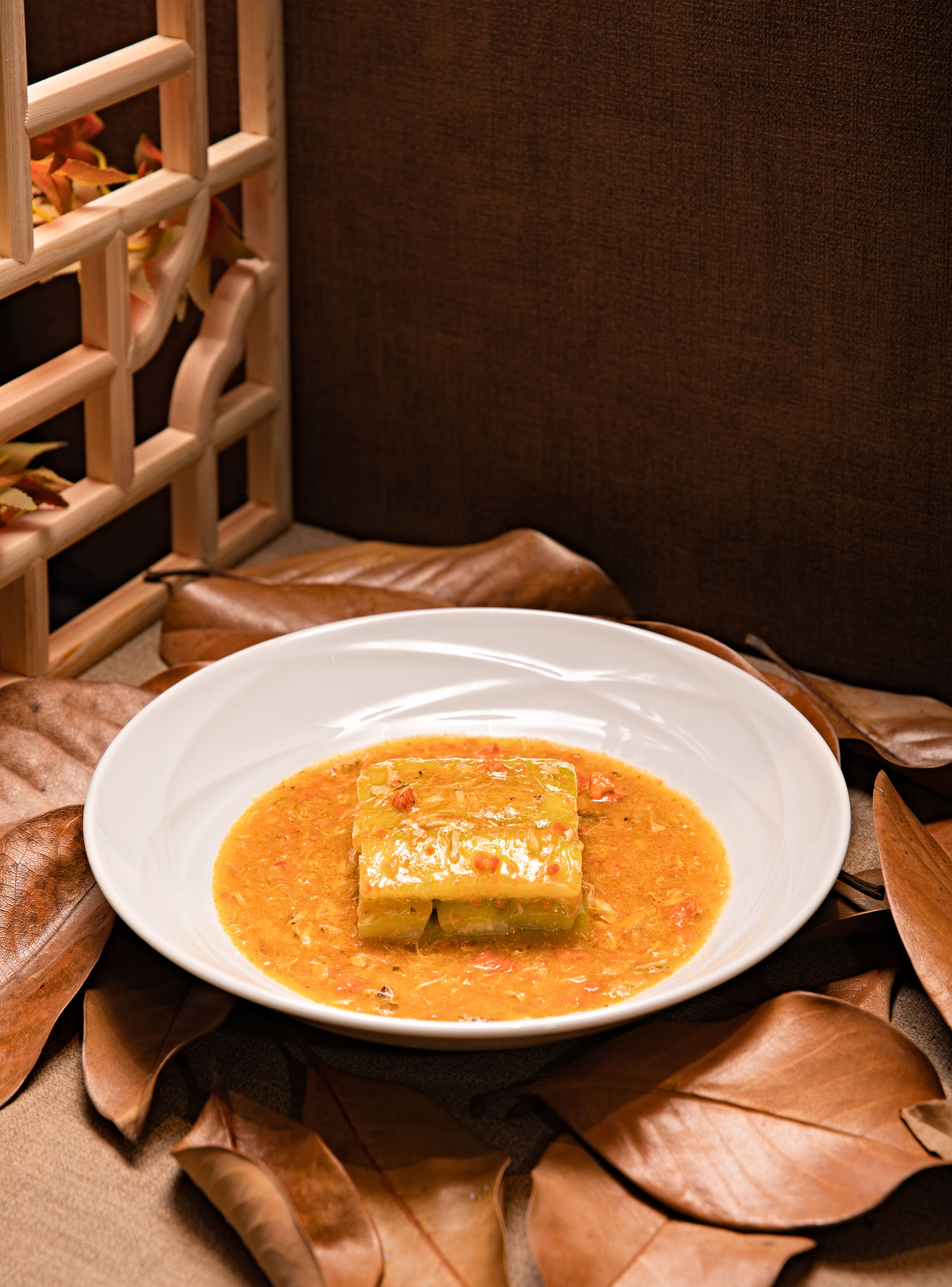
Photo: Change C.C / Pexels
The diets react (see scores below)
Common Ingredients
- fermented tofu
- chile sauce
- garlic
- pickled chiles
- soy sauce
- scallions
- cilantro
- sesame oil
Specific recipes may vary.
Incompatible with 4 of 11 diets
Diet Ratings
Chou Doufu (stinky tofu) is fermented tofu, which is generally low in net carbs and moderate in protein and fat — broadly compatible with keto. The accompanying ingredients (chile sauce, pickled chiles, soy sauce, scallions, cilantro, sesame oil, garlic) are mostly keto-friendly in small amounts. However, several concerns arise: soy sauce contains a small amount of carbs and wheat in most traditional versions; chile sauce and pickled chiles often contain added sugars; and fermented tofu itself may contain residual carbohydrates from the fermentation medium. The snack format also typically involves frying, adding fat that is keto-positive. In moderate portions, this dish is likely manageable within a 20-50g daily net carb budget, but the hidden sugars in condiments and sauces require attention. Strict keto practitioners may want to verify sauce ingredients carefully.
Strict keto practitioners argue that traditional soy sauce (containing wheat) and commercial chile sauces with added sugar make this dish too risky due to hidden carbs and potential insulin-spiking additives, recommending avoidance unless every condiment is verified sugar-free and tamari is substituted for soy sauce.
Chou Doufu (stinky tofu) is fundamentally plant-based, made from fermented tofu with vegan-friendly condiments and aromatics. However, the fermentation process is a key variable: traditional stinky tofu brines often include shrimp paste, dried shrimp, milk, or other animal-derived ingredients to develop the characteristic pungent flavor. The dish as listed uses only plant-based ingredients, but the 'fermented tofu' component warrants scrutiny — if fermented in a traditional brine containing animal products, it would not be vegan. Assuming the fermented tofu listed is a purely plant-based version (which exists and is widely available), all other ingredients — chile sauce, garlic, pickled chiles, soy sauce, scallions, cilantro, and sesame oil — are fully vegan. The caution rating reflects the practical ambiguity around how the fermented tofu was produced, not the ingredient list as written.
Some vegans would approve this outright, arguing the listed ingredients are unambiguously plant-based and that vegan fermented tofu (using vegetable-based brines) is the appropriate assumption for evaluation. Others in the community would flag that traditional Chou Doufu recipes commonly use animal-derived brine ingredients, making the default preparation non-vegan without explicit verification.
Chou Doufu (stinky tofu) is fundamentally incompatible with the paleo diet. The primary protein is tofu, which is a soy-based legume product — one of the clearest exclusions in paleo. Beyond tofu itself, soy sauce is a double violation: it contains both soy (a legume) and wheat (a grain), making it strictly off-limits. Sesame oil is a seed oil, also excluded under paleo guidelines. The dish is further processed through fermentation in a way that involves non-paleo ingredients. While garlic, scallions, cilantro, and chile-based ingredients are paleo-approved, they cannot redeem a dish built on multiple core paleo violations. This is not a gray-area case — tofu and soy sauce alone are sufficient to categorically exclude this dish.
Chou Doufu (stinky tofu) is a fermented tofu snack with a broadly plant-based profile. Tofu and legume-derived foods are generally encouraged in the Mediterranean diet, and fermented foods align with gut-health principles embraced in modern Mediterranean diet interpretations. Garlic, scallions, cilantro, and chiles are all vegetable-forward additions. However, several factors temper a full approval: sesame oil is not a Mediterranean staple fat (extra virgin olive oil is canonical), soy sauce adds significant sodium, the dish is typically deep-fried in street-food form (adding refined oil and potential processed elements), and it is not a traditional Mediterranean food. The fermentation process is a positive, but the overall preparation style and non-Mediterranean fat sources place it in the caution range.
Some modern Mediterranean diet researchers emphasize fermented plant foods broadly as beneficial for the microbiome, which could push fermented tofu toward a more favorable view. Conversely, stricter traditional Mediterranean diet frameworks (e.g., the original Seven Countries Study model) would view this dish skeptically due to its non-Mediterranean origins, high sodium content, and frying method.
Chou Doufu (stinky tofu) is entirely plant-based and contains no animal products whatsoever. Tofu is a soy-derived product — a legume — which is explicitly excluded from the carnivore diet. Every single ingredient in this dish is plant-derived: fermented tofu (soy), chile sauce, garlic, pickled chiles, soy sauce, scallions, cilantro, and sesame oil. Soy in particular is one of the most problematic plant foods from a carnivore perspective due to its phytoestrogens, antinutrients, and lectins. This dish is incompatible with carnivore at every level.
Chou Doufu (stinky tofu) is a fermented tofu dish, and tofu is a soy product — soy is explicitly excluded on the Whole30 program. The dish's primary protein and base ingredient is tofu (fermented tofu), which falls squarely within the excluded legume/soy category. Additionally, soy sauce is listed as an ingredient, which is another soy-based excluded item. Even if soy sauce were substituted with coconut aminos, the foundational ingredient — fermented tofu — cannot be made Whole30-compliant. There is no exception for tofu or soy-based foods in the Whole30 program, making this dish a clear avoid.
Chou Doufu (stinky tofu) contains multiple high-FODMAP ingredients that make it unsuitable during the elimination phase. Garlic is one of the highest-FODMAP foods tested by Monash University, containing significant fructans even in small amounts. Scallions (green onion bulbs/white parts) are also high in fructans, though the green tops are low-FODMAP. Fermented tofu differs from regular firm tofu — the fermentation process and added ingredients (often including garlic, chiles, and other flavorings) introduce additional FODMAP concerns beyond plain tofu. Chile sauce and pickled chiles frequently contain garlic and onion as primary ingredients. While soy sauce is low-FODMAP in standard portions (2 tablespoons), sesame oil is low-FODMAP, and cilantro is low-FODMAP, the presence of garlic alone is sufficient to classify this dish as avoid. The combination of garlic, potentially high-FODMAP fermented tofu preparation, and scallion bulbs makes this dish clearly high-FODMAP during elimination.
Chou Doufu (stinky tofu) is a fermented tofu dish that has a mixed DASH profile. On the positive side, tofu is a lean plant-based protein that DASH explicitly endorses as part of its nuts/seeds/legumes/beans group, and ingredients like garlic, scallions, and cilantro are DASH-friendly aromatics with negligible sodium impact. However, the dish as commonly consumed presents significant sodium concerns: fermented tofu itself is high in sodium due to the fermentation/brining process, soy sauce adds substantial additional sodium, pickled chiles contribute more salt, and chile sauce often contains added sodium. The cumulative sodium load from these multiple high-sodium components is the primary DASH concern. Sesame oil is an acceptable vegetable oil under DASH guidelines. The dish is not inherently high in saturated fat or added sugar, which is a point in its favor, but the sodium burden places it firmly in the caution category. A modified version using low-sodium soy sauce and rinsed or reduced fermented ingredients could improve the score.
NIH DASH guidelines focus on sodium reduction and do not specifically address fermented soy foods. Some DASH-oriented clinicians note that fermented soy products like tofu may offer cardiovascular and gut microbiome benefits that partially offset sodium concerns, and that the overall sodium load depends heavily on portion size and preparation — a small snack portion with low-sodium soy sauce could be considered acceptable within a DASH day's sodium budget.
Chou Doufu (stinky tofu) is a fermented tofu snack that has some Zone-compatible features but requires careful consideration. Tofu is a recognized Zone protein source, and fermented tofu provides the protein block foundation. The accompanying ingredients — garlic, scallions, cilantro, pickled chiles — are all low-glycemic and Zone-favorable. Sesame oil contributes fat, though it is higher in omega-6 than the preferred monounsaturated fats (olive oil, avocado oil) emphasized in the Zone. The chile sauce and soy sauce add sodium and potentially sugar, which should be monitored. The main challenge is achieving the 40/30/30 ratio in a snack context: fermented tofu is moderate in protein but also contains fat, and as a standalone snack it likely lacks sufficient protein to form a complete Zone block without additional lean protein. The fermentation process is actually a positive from an anti-inflammatory and polyphenol standpoint, aligning with Sears' later writings. However, the sesame oil's omega-6 content and the sodium-heavy condiments push this into caution territory. As a snack, it could work if portioned to match Zone block ratios, but it's not an ideal Zone building block.
Some Zone practitioners following Sears' later anti-inflammatory framework (Toxic Fat, The Anti-Inflammation Zone) would view the fermented nature of the tofu positively, as fermented foods support gut health and reduce inflammatory markers. Additionally, sesame oil contains some sesamol polyphenols with anti-inflammatory properties, partially offsetting its omega-6 content. In this view, a small portion of Chou Doufu could be a reasonable Zone snack if paired with additional lean protein to complete the block.
Chou Doufu (stinky tofu) is a fermented tofu dish with a nuanced anti-inflammatory profile. On the positive side, fermented tofu retains the core benefits of whole soy foods — isoflavones, plant protein, and anti-inflammatory phytoestrogens — and fermentation adds probiotics and bioactive peptides that may reduce inflammatory markers. The accompanying ingredients are largely anti-inflammatory: garlic and chiles (allicin, capsaicin), cilantro and scallions (polyphenols, vitamin K), and sesame oil (sesamol, sesamin — lignans with antioxidant properties). Chile sauce and pickled chiles add further capsaicin, which has documented anti-inflammatory effects. However, several factors temper the rating: soy sauce contributes significant sodium, which in excess can promote endothelial inflammation and hypertension-related inflammatory pathways. Sesame oil, while containing beneficial lignans, is also relatively high in omega-6 fatty acids (linoleic acid), which is a concern under strict anti-inflammatory frameworks, though cold-pressed sesame is generally better regarded than refined seed oils. The fermentation process introduces beneficial microbiota but the specific bacterial strains in traditional stinky tofu are less studied than, say, miso or tempeh. The dish is also typically a street-food snack prepared with variable oils (sometimes deep-fried versions exist), though this evaluation assumes the sauce-dressed, non-fried form. Overall, the anti-inflammatory positives of fermented soy, garlic, and spices are real, but high sodium and omega-6 concerns from soy sauce and sesame oil prevent a full approval.
Some fermentation-focused practitioners (e.g., those aligned with Dr. David Perlmutter's gut-health framework) would rate fermented tofu more favorably, emphasizing its probiotic and short-chain fatty acid contributions as meaningfully anti-inflammatory via the gut-brain axis. Conversely, stricter anti-inflammatory and autoimmune protocol (AIP) advocates may flag soy itself as a potential allergen and gut irritant, and raise concerns about the high sodium content of soy sauce as cardiovascularly pro-inflammatory at typical serving quantities.
Chou Doufu (stinky tofu) is fermented tofu — the base ingredient is a reasonable plant-based protein source, but several factors complicate its GLP-1 suitability. Fermented tofu is typically deep-fried in street food preparations, which significantly raises fat content and digestive burden — a major concern given GLP-1-slowed gastric emptying. The chile sauce and pickled chiles introduce significant spice and acidity, both of which can worsen GLP-1-associated nausea and reflux. Sesame oil adds saturated and unsaturated fat; while the quantity per serving is small, it contributes to digestive load. Soy sauce adds meaningful sodium. On the positive side, tofu provides plant protein and fermentation adds probiotic benefit that may support gut health — relevant given GLP-1-associated constipation risk. Garlic, scallions, and cilantro are low-concern aromatics. This dish is rated caution rather than avoid because if prepared without deep-frying (e.g., steamed or baked fermented tofu), the profile improves substantially — but the typical street-food version is fried and spicy, pushing it toward the lower end of caution.
Some GLP-1-focused dietitians view fermented soy foods favorably for their probiotic content and plant protein, and may approve a non-fried version with mild chile; others flag the spice load and high-fat frying method as reliable GLP-1 side effect triggers regardless of preparation, making individual GI tolerance the deciding factor.
*See how scores were generated at our methodology page.
Nutritional profile
Six traits that cut across every diet.
Fiber & Plants
How much whole-plant food and fiber it delivers.
Healthy Fats
The quality of its fats (unsaturated, omega-3).
Whole / Unprocessed
How close it is to its natural, unprocessed form.
Gut Gentle
How easy it is on digestion (low FODMAP, few irritants).
Low Glycemic
How little it spikes your blood sugar.
Protein Density
How much protein it packs per calorie.
Controversy Index
Higher controversy = more disagreement between diets.
Diet-Specific Tips
 Keto — 5/10
View tips
- Fermented tofu is low in net carbs and protein-moderate, broadly keto-compatible
- Traditional soy sauce contains wheat and small carbs — tamari is a safer keto substitute
- Chile sauce and pickled chiles frequently contain added sugars that can accumulate
- Sesame oil and frying medium add healthy fats, which is keto-positive
- Garlic, scallions, and cilantro contribute minimal carbs at typical serving sizes
- Portion control is critical; condiment carbs can compound quickly in larger servings
 Vegan — 6/10
View tips
- Fermented tofu base is plant-derived but traditional fermentation brines may contain shrimp paste, dried shrimp, or dairy
- All listed condiments and aromatics (chile sauce, garlic, soy sauce, sesame oil, scallions, cilantro) are fully plant-based
- Vegan versions of stinky tofu exist using vegetable-based fermentation brines
- Dish as written contains no explicit animal ingredients
- Practical verification of fermentation method is necessary for strict vegan compliance
 Mediterranean — 5/10
View tips
- Tofu is a legume-derived plant protein, broadly compatible with Mediterranean principles
- Fermented foods support gut health, recognized in contemporary Mediterranean diet guidance
- Sesame oil replaces extra virgin olive oil as the fat source, diverging from Mediterranean canon
- Soy sauce contributes high sodium, inconsistent with Mediterranean dietary patterns
- Street-food version is typically deep-fried, adding processed fat and calories
- Garlic, chiles, scallions, and cilantro are positive plant-forward ingredients
- Dish is culturally non-Mediterranean, requiring interpretive flexibility to assess
 DASH — 4/10
View tips
- Fermented tofu is high in sodium due to brining/fermentation process
- Soy sauce is a major sodium contributor — one tablespoon contains ~900mg sodium
- Pickled chiles add further sodium from pickling brine
- Chile sauce typically contains added sodium
- Multiple high-sodium ingredients create a compounding sodium burden inconsistent with DASH sodium limits (<2,300mg/day standard, <1,500mg/day low-sodium)
- Tofu base is a DASH-approved lean plant protein (beans/legumes group)
- Sesame oil is an acceptable vegetable oil under DASH
- No significant saturated fat or added sugar concerns
- Low-sodium soy sauce and reduced fermented tofu quantity would significantly improve DASH compatibility
 Zone — 5/10
View tips
- Tofu is a Zone-recognized vegetarian protein source, but fermented tofu's exact protein density per block varies and may be lower than fresh tofu
- Sesame oil is omega-6 dominant, which conflicts with Zone's preference for monounsaturated fats and anti-inflammatory omega-3 emphasis
- Low-glycemic accompaniments (garlic, scallions, chiles, cilantro) are Zone-favorable carbohydrate components
- High sodium from soy sauce, pickled chiles, and fermentation — not a direct Zone concern but a health consideration
- Fermentation aligns with Sears' later anti-inflammatory dietary principles
- As a snack, achieving proper 40/30/30 block balance is difficult without intentional portioning and possible protein supplementation
- Chile sauce may contain added sugar, increasing glycemic load
 Anti-Inflammatory — 5/10
View tips
- Fermented tofu provides isoflavones and probiotic activity — both anti-inflammatory
- Garlic and chiles contribute allicin and capsaicin, well-documented anti-inflammatory compounds
- Soy sauce adds significant sodium, which can promote inflammation at high intake levels
- Sesame oil contains beneficial lignans (sesamol, sesamin) but is moderate-to-high in omega-6 linoleic acid
- Cilantro and scallions add polyphenols and antioxidants
- Whole soy foods are explicitly emphasized in Dr. Weil's anti-inflammatory framework
- Fermentation enhances bioavailability of beneficial phytonutrients in soy
- Dish is a small snack portion, which limits dose-dependent concerns from sodium and omega-6
 GLP-1 Friendly — 4/10
View tips
- Typically deep-fried — high fat, worsens GLP-1 GI side effects
- Significant spice from chile sauce and pickled chiles — risk of nausea and reflux
- Fermented tofu base provides moderate plant protein
- Fermentation may offer probiotic benefit supporting gut motility
- Sesame oil and soy sauce add fat and sodium
- Non-fried preparation would meaningfully improve the rating
- Small snack portion size is appropriate for GLP-1 eating pattern