Chinese
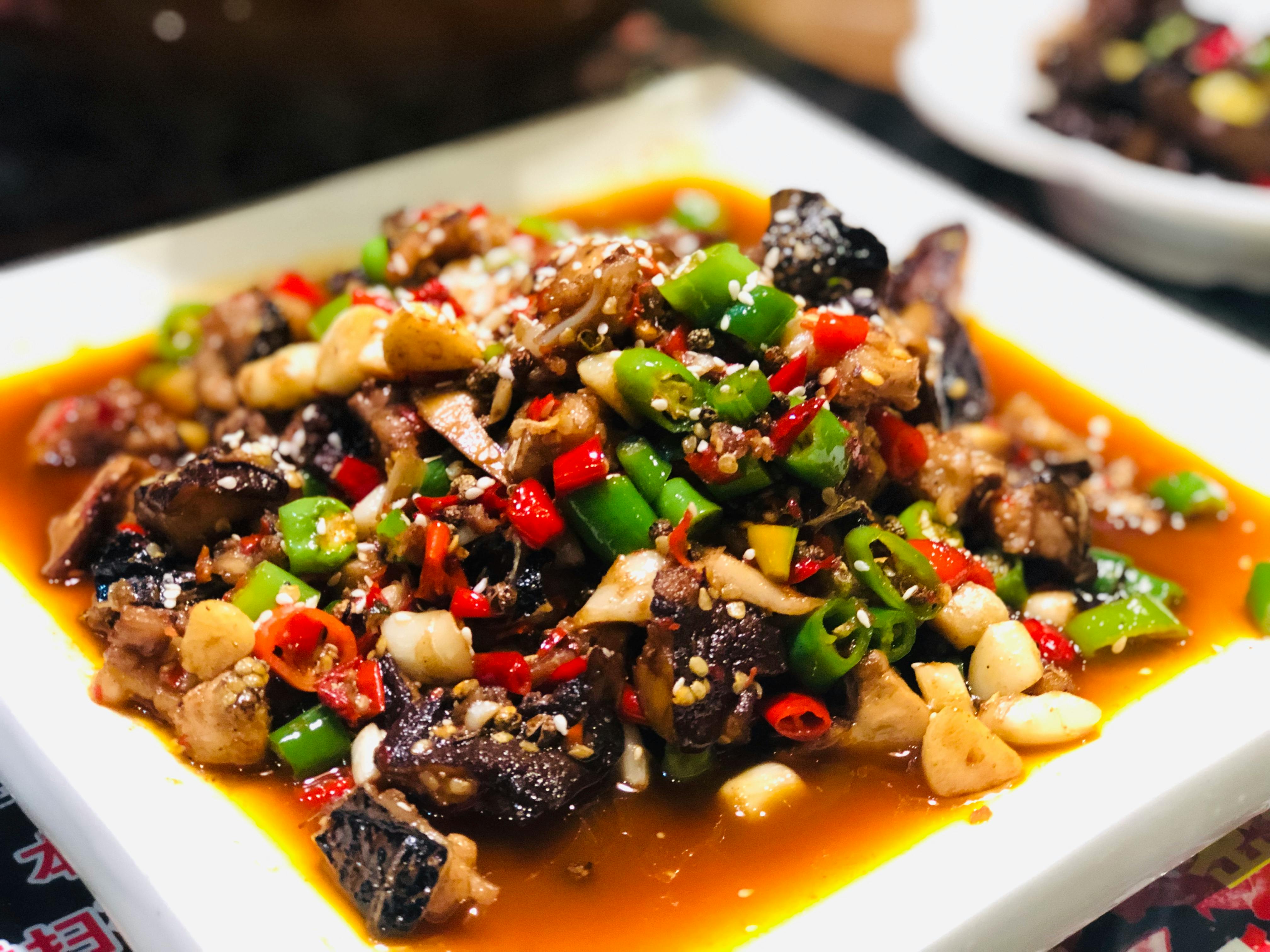
Dong An Chicken
The diets react (see scores below)
Common Ingredients
- chicken
- rice vinegar
- dried chilies
- sichuan peppercorns
- ginger
- scallions
- garlic
- shaoxing wine
- chicken stock
Specific recipes may vary.
Incompatible with 5 of 11 diets
Diet Ratings
Dong An Chicken is primarily a protein dish with keto-friendly base ingredients (chicken, ginger, garlic, scallions, dried chilies, Sichuan peppercorns), but two ingredients introduce meaningful carb and keto-compatibility concerns. Shaoxing wine contains residual sugars and carbohydrates (roughly 4-5g carbs per tablespoon), and while rice vinegar is low-carb, the Shaoxing wine is a notable issue. Chicken stock is generally fine if unsweetened. The dish is not inherently high-carb but traditional preparation uses a non-trivial amount of Shaoxing wine. With substitutions (dry sherry or omitting the wine, or using a small amount), this dish can fit keto well. As traditionally prepared, it sits in caution territory due to the Shaoxing wine's sugar content and the cumulative carb load across multiple ingredients.
Strict keto practitioners would flag Shaoxing wine as a non-starter due to its sugar and grain-alcohol content, arguing any amount disrupts ketosis and the dish should be avoided without substitution. More permissive lazy keto adherents may approve it outright given the small per-serving carb contribution from the wine when diluted across a full recipe.
Dong An Chicken contains multiple animal products that are explicitly excluded from a vegan diet. The primary protein is chicken (poultry), and the dish also uses chicken stock, which is an animal-derived broth. These ingredients alone make this dish entirely incompatible with veganism. There is no ambiguity here — this is a meat-based dish at its core.
Dong An Chicken contains two clear non-paleo ingredients: Shaoxing wine (a fermented grain-based rice wine, derived from glutinous rice and wheat — a grain product) and chicken stock (commercially prepared stocks almost universally contain added salt and often additives/preservatives). The core protein (chicken) and aromatics (ginger, scallions, garlic, dried chilies, Sichuan peppercorns) are paleo-approved, and rice vinegar, while derived from rice, is borderline — but Shaoxing wine is an unambiguous grain-derived alcohol that the paleo community consistently excludes. These disqualifying ingredients prevent approval of the dish as traditionally prepared.
Dong An Chicken is a Hunanese dish featuring poultry as its primary protein, which aligns with Mediterranean diet principles at moderate consumption levels (a few servings per week). The ingredient profile is largely favorable: aromatics like ginger, garlic, and scallions are plant-based and health-supportive; rice vinegar adds acidity without calories; dried chilies and Sichuan peppercorns provide anti-inflammatory phytonutrients. Shaoxing wine and chicken stock are minor additions. The dish notably lacks olive oil as the cooking fat (a core Mediterranean requirement) and is prepared in a distinctly non-Mediterranean culinary tradition. There are no red flags like red meat, added sugars, refined grains, or heavy processing. The main concerns are the absence of olive oil as the fat source and the non-traditional preparation context, keeping this in moderate/caution territory rather than approval.
Some modern Mediterranean diet interpreters focus on the overall dietary pattern and nutrient profile rather than strict culinary tradition, and would note that a lean poultry dish rich in aromatics and low in saturated fat is broadly compatible; the fat source could be adapted to olive oil without significantly changing the dish's character.
Dong An Chicken is incompatible with the carnivore diet. While chicken itself is an acceptable animal protein, the dish is heavily defined by multiple plant-based ingredients that are strictly excluded: dried chilies, Sichuan peppercorns, ginger, scallions, garlic, and rice vinegar (plant-derived). Shaoxing wine is a fermented grain alcohol, also excluded. The chicken stock may be acceptable if pure, but the overall dish as prepared is dominated by plant-derived aromatics, spices, and condiments that carnivore categorically eliminates. This is not a borderline case — the dish cannot be meaningfully prepared or identified without its plant-based components.
Dong An Chicken contains Shaoxing wine, which is a rice wine (alcohol) and therefore excluded on the Whole30 program. Alcohol is explicitly prohibited for the full 30 days, regardless of whether it is used as a cooking ingredient or consumed as a beverage. The rest of the ingredients — chicken, rice vinegar, dried chilies, Sichuan peppercorns, ginger, scallions, garlic, and chicken stock — are all Whole30 compatible, but the Shaoxing wine disqualifies the dish as traditionally prepared. A compliant version could substitute coconut aminos or additional chicken stock for the Shaoxing wine.
Dong An Chicken contains two significant high-FODMAP ingredients that make it unsuitable during the elimination phase: garlic and scallion bulbs (white parts). Garlic is one of the highest-FODMAP foods tested by Monash University, containing very high levels of fructans even in tiny amounts (1/2 clove is enough to cause issues). Scallions/green onions are low-FODMAP in their green tops only — the white bulb portions are high in fructans similar to onion. In traditional Dong An Chicken preparation, both garlic cloves and whole scallions (including white parts) are used as core aromatics, not incidental garnishes, making avoidance or meaningful reduction unlikely without fundamentally altering the dish. The remaining ingredients are generally low-FODMAP: chicken is safe, rice vinegar is low-FODMAP in typical cooking quantities, dried chilies and Sichuan peppercorns are low-FODMAP as spices, ginger is low-FODMAP at standard culinary amounts, Shaoxing wine is used in small quantities and considered low-FODMAP in cooking doses, and plain chicken stock (if homemade or low-FODMAP certified) is generally safe. However, the garlic alone is sufficient to classify this dish as high-FODMAP during the elimination phase.
Dong An Chicken is a Hunanese dish centered on lean chicken, which is a DASH-approved protein. Several ingredients align well with DASH principles: rice vinegar adds flavor without sodium, ginger, garlic, and scallions are DASH-friendly aromatics, and dried chilies and Sichuan peppercorns are low-sodium spice options. However, Shaoxing wine and chicken stock are the key concerns — both can be significant sources of sodium depending on preparation. Commercial chicken stock typically contains 400-900mg sodium per cup, and Shaoxing wine adds additional sodium. The dish's overall sodium load, as commonly prepared in restaurants or with standard commercial ingredients, likely pushes it into moderate-to-high sodium territory. At home, using low-sodium chicken stock and limiting Shaoxing wine would substantially improve the DASH compatibility. The cooking method (typically simmered or lightly stir-fried) does not require added saturated fats, and the dish lacks added sugars or heavy sauces, which is a positive. The dish is not DASH-incompatible by design, but sodium control is the pivotal variable.
NIH DASH guidelines emphasize keeping sodium under 2,300mg/day (or 1,500mg for stricter adherence), flagging standard chicken stock and Shaoxing wine as concerns. However, updated clinical interpretations note that home-prepared versions using low-sodium stock and reduced Shaoxing wine can align well with DASH targets, and some DASH-oriented dietitians would approve this dish with those substitutions given its lean protein, spice-forward flavor profile, and absence of saturated fat or added sugar.
Dong An Chicken is a strong Zone Diet candidate. The primary protein is chicken, a lean protein that is explicitly favored in Zone methodology. The supporting ingredients — rice vinegar, dried chilies, Sichuan peppercorns, ginger, scallions, garlic, Shaoxing wine, and chicken stock — are predominantly aromatic and low-calorie, contributing negligible carbohydrate load and no significant fat. Rice vinegar and Shaoxing wine add small amounts of carbohydrates but in typical cooking quantities these are minor. The dish is naturally low in saturated fat (assuming skin-off chicken), contains anti-inflammatory polyphenols from chilies, ginger, and garlic (aligned with Sears' anti-inflammatory focus), and has no added sugars, seed oils, or high-glycemic starches. The dish would need to be paired with a Zone-appropriate carbohydrate source (e.g., steamed vegetables or a small portion of low-GI carbs) to complete the 40/30/30 block structure, but as a protein anchor for a Zone meal it is excellent. The fat block would need supplementation (e.g., a drizzle of olive oil or side of avocado) since the dish itself is very lean. Overall, this is a favorable Zone protein dish requiring only standard block-balancing companions.
Dong An Chicken is a Hunanese dish with a genuinely mixed anti-inflammatory profile. On the positive side, it features several potent anti-inflammatory spices: dried chilies (capsaicin reduces CRP and NF-κB signaling), ginger (gingerols and shogaols are well-documented anti-inflammatory compounds), garlic (allicin, quercetin), and Sichuan peppercorns (hydroxy-alpha-sanshool, antioxidant alkaloids). Rice vinegar adds acidity without sugar load and may support gut health. Scallions and ginger further contribute polyphenols and flavonoids. Chicken as the primary protein is classified as 'moderate' — lean poultry is acceptable in anti-inflammatory frameworks, though it lacks the omega-3 advantage of fatty fish. The main concerns are Shaoxing wine (alcohol, which most updated anti-inflammatory guidelines limit or avoid) and chicken stock (quality-dependent; commercial stocks may carry sodium and additives). The dish is notably free of refined carbohydrates, added sugars, trans fats, and seed oils. Overall, the spice profile is meaningfully anti-inflammatory, but the alcohol content in Shaoxing wine and the use of lean poultry rather than an omega-3-rich protein keep this in 'caution' territory — a health-conscious, moderately anti-inflammatory choice rather than a standout.
Some anti-inflammatory practitioners (particularly those following stricter alcohol-elimination protocols) would flag Shaoxing wine as a concern even in cooking, since residual alcohol and fermentation byproducts may trigger inflammatory responses in sensitive individuals. Others, including Dr. Weil's broader framework, would view the alcohol as negligible in culinary quantities and focus instead on the dish's rich spice profile as a net positive, potentially rating this an approve.
Dong An Chicken is a Hunan-style poached or lightly braised chicken dish built on a lean protein base with a bright, acidic sauce using rice vinegar, ginger, scallions, and garlic — all GLP-1 friendly elements. Chicken is an excellent high-protein, low-fat protein source that aligns well with GLP-1 dietary priorities. The cooking method (poaching or light braising in stock) avoids frying and keeps fat low, which is a significant advantage. However, two ingredients create meaningful concern for GLP-1 patients: dried chilies and Sichuan peppercorns. Both are potent GI irritants that can worsen nausea, reflux, and gastric discomfort — side effects already common on GLP-1 medications. Shaoxing wine contains alcohol, though the amount per serving after cooking is small and largely burns off; it is unlikely to be a clinically meaningful concern in a restaurant portion. The dish is low in fiber and would benefit from pairing with a high-fiber side (vegetables, legumes, or whole grain rice). Overall, the dish has a strong nutritional foundation but the spice load is a real practical concern for many GLP-1 patients, particularly in the first several months on the medication.
Some GLP-1-focused dietitians would approve this dish outright for patients who have established good GI tolerance, arguing that the lean protein and low-fat cooking method are the dominant factors and that spice sensitivity is highly individual. Others would rate it avoid during the early dose-escalation phase when nausea and reflux are most pronounced, upgrading it only once side effects stabilize. The disagreement centers on individual GI tolerance rather than the dish's core nutritional profile.
*See how scores were generated at our methodology page.
Nutritional profile
Six traits that cut across every diet.
Fiber & Plants
How much whole-plant food and fiber it delivers.
Healthy Fats
The quality of its fats (unsaturated, omega-3).
Whole / Unprocessed
How close it is to its natural, unprocessed form.
Gut Gentle
How easy it is on digestion (low FODMAP, few irritants).
Low Glycemic
How little it spikes your blood sugar.
Protein Density
How much protein it packs per calorie.
Controversy Index
Higher controversy = more disagreement between diets.
Diet-Specific Tips
 Keto — 5/10
View tips
- Chicken is a keto-approved protein source
- Shaoxing wine contains residual sugars and carbs — primary concern
- Rice vinegar is low-carb but adds minor carbs
- Garlic and scallions contribute small net carbs cumulatively
- No starches, grains, or sugars explicitly added beyond the wine
- Dish can be made fully keto with Shaoxing wine substitution or omission
- No thickening agents listed, which is favorable
 Mediterranean — 5/10
View tips
- Chicken is an acceptable moderate protein in Mediterranean diet (poultry category)
- No olive oil as cooking fat — a core Mediterranean principle is not met
- Aromatic vegetables (garlic, ginger, scallions, chilies) are plant-forward positives
- No red meat, processed ingredients, added sugars, or refined grains
- Shaoxing wine is a minor, non-problematic ingredient
- Dish is not Mediterranean in tradition, lacking staple elements like legumes, whole grains, or olive oil
 DASH — 5/10
View tips
- Lean chicken is a DASH-approved protein source
- Shaoxing wine contains moderate sodium and should be used sparingly
- Commercial chicken stock is a significant sodium source; low-sodium stock recommended
- Rice vinegar, ginger, garlic, scallions, and spices are DASH-friendly
- No saturated fat, heavy sauces, or added sugars in the ingredient list
- Sodium content highly variable depending on stock and wine quantities used
- Home preparation with low-sodium substitutions would rate higher (score 7)
 Zone — 8/10
View tips
- Chicken is a top-tier Zone lean protein source
- No high-glycemic carbohydrates in the ingredient list
- Anti-inflammatory spices (ginger, garlic, chilies) align with Sears' polyphenol emphasis
- Shaoxing wine adds minimal carbohydrates in cooking quantities
- Dish is very low in fat — monounsaturated fat must be added via accompaniments to meet Zone fat block
- No problematic seed oils, saturated fat, or processed ingredients
- Needs Zone-favorable carbohydrate pairing (vegetables) to complete the 40/30/30 ratio
 Anti-Inflammatory — 6/10
View tips
- Dried chilies: capsaicin is a well-documented anti-inflammatory compound (reduces NF-κB, CRP)
- Ginger: gingerols and shogaols have strong anti-inflammatory and antioxidant activity
- Garlic: allicin and quercetin contribute meaningful anti-inflammatory benefit
- Sichuan peppercorns: contain antioxidant alkaloids and hydroxy-alpha-sanshool
- Chicken (lean poultry): acceptable in anti-inflammatory diet, moderate category
- Shaoxing wine: alcohol content is a mild concern; most anti-inflammatory guidelines limit alcohol beyond red wine
- No refined carbohydrates, added sugars, trans fats, or inflammatory seed oils
- Rice vinegar: benign, may support gut microbiome
 GLP-1 Friendly — 5/10
View tips
- High-quality lean protein from chicken supports the 100-120g daily protein target
- Poaching or braising method keeps fat content low — favorable for GLP-1 GI side effects
- Dried chilies and Sichuan peppercorns are significant GI irritants that may worsen nausea and reflux common on GLP-1 medications
- Rice vinegar and ginger are well-tolerated and may mildly support digestion
- Shaoxing wine alcohol content is minimal after cooking and unlikely to be clinically significant at serving quantities
- Low fiber — should be paired with vegetables or legumes to support the 25-30g daily fiber target
- Small-portion friendly due to the protein density of chicken
- Spice tolerance is highly individual and dose-escalation phase significantly affects risk