Photo: César O'neill / Pexels
American
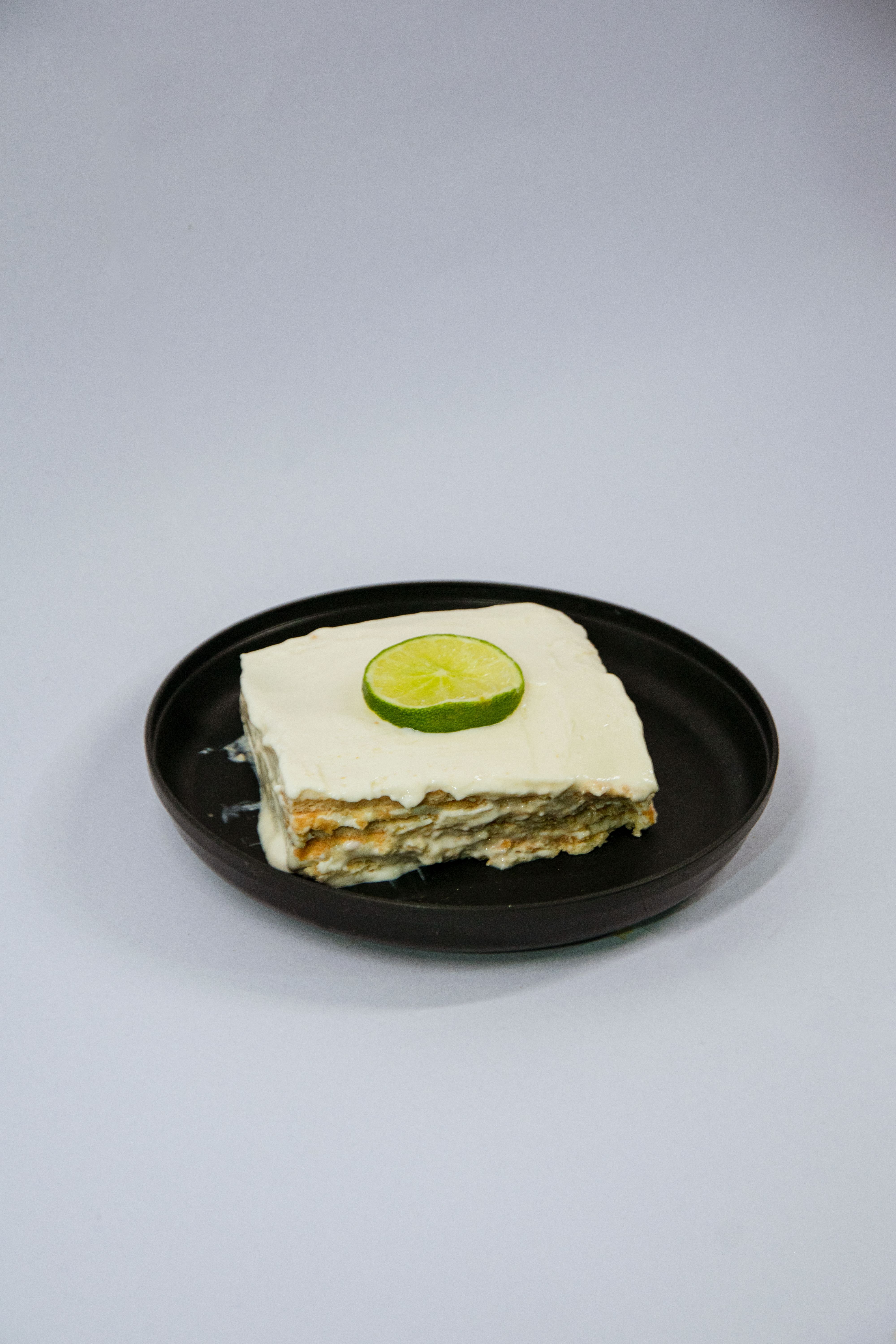
Icebox Cake
The diets react (see scores below)
Common Ingredients
- chocolate wafers
- heavy cream
- powdered sugar
- vanilla extract
Specific recipes may vary.
Incompatible with 11 of 11 diets
Diet Ratings
Icebox Cake is fundamentally incompatible with a ketogenic diet. The primary structural ingredient — chocolate wafers — are grain-based cookies loaded with refined flour and sugar, contributing the bulk of the dish's net carbs. Powdered sugar added to the whipped cream further compounds the sugar load. A single serving of traditional icebox cake can easily contain 30-50g of net carbs, which alone meets or exceeds the entire daily keto carb allowance. While heavy cream and vanilla extract are keto-friendly components, they are overwhelmed by the high-carb, high-sugar elements. This is a dessert built around grains and added sugars — two categories with zero tolerance in ketogenic eating.
Icebox cake as traditionally made contains heavy cream, which is a dairy product derived from cow's milk — a clear animal product excluded by all vegan standards. Chocolate wafers in their standard commercial form (e.g., Nabisco Famous Chocolate Wafers) may also contain dairy ingredients. Both heavy cream and potentially the wafers make this dish incompatible with a vegan diet. A vegan version could be constructed using coconut cream or aquafaba-based whipped topping and dairy-free chocolate wafers, but the traditional recipe as listed is not vegan.
Icebox Cake is fundamentally incompatible with the Paleo diet. Chocolate wafers are grain-based processed foods (wheat flour), which are strictly excluded. Heavy cream is a dairy product, excluded by Paleo principles. Powdered sugar is refined sugar, one of the most clearly prohibited ingredients in Paleo. Vanilla extract, while generally acceptable, cannot redeem a dish where every other ingredient violates core Paleo rules. This dish has no Paleo-compliant foundation whatsoever.
Icebox cake is a classic American dessert with no meaningful alignment with Mediterranean diet principles. The ingredient list is dominated by heavily processed refined foods: chocolate wafers are refined grain products with added sugar, and heavy cream whipped with powdered sugar is high in saturated fat and added sugar. None of the core Mediterranean staples — olive oil, vegetables, fruits, whole grains, legumes, fish, or nuts — appear. This dish is essentially a sugar-and-saturated-fat confection that directly contradicts the diet's emphasis on whole, minimally processed foods and its strict limits on added sugars and refined grains.
Icebox Cake is almost entirely incompatible with the carnivore diet. Chocolate wafers are a grain-based, heavily processed plant food containing flour, sugar, and cocoa. Powdered sugar is a refined plant-derived sweetener. Vanilla extract is plant-derived. The only carnivore-adjacent ingredient is heavy cream, a dairy product that many practitioners include — but it represents a minor fraction of this dish and is surrounded by multiple explicitly excluded foods. This dessert is a plant-heavy, sugar-laden processed snack with no meaningful animal protein and no redeeming carnivore qualities.
Icebox Cake contains multiple excluded ingredients. Chocolate wafers are grain-based (wheat flour) and contain added sugar. Heavy cream is a dairy product, which is excluded. Powdered sugar is an added sugar. Even setting aside the excluded ingredients individually, this dish is essentially a dessert/junk food recreation that violates the spirit of Whole30's Rule 4 prohibition on recreating baked goods and sweets. There is no compliant version of this dish possible within Whole30 guidelines.
Icebox cake is problematic for the low-FODMAP elimination phase primarily due to the chocolate wafers. Standard chocolate wafer cookies (such as Nabisco Famous Chocolate Wafers) are made with wheat flour, making them high in fructans — a key FODMAP. A typical icebox cake serving involves multiple wafers layered with cream, so even if one wafer might be marginal, the quantity used in a standard serving pushes fructan intake well above elimination-phase thresholds. The remaining ingredients are more favorable: heavy cream is low-FODMAP (it is very low in lactose due to its high fat content), powdered sugar is low-FODMAP at normal amounts, and vanilla extract is low-FODMAP. However, the wheat-based wafers are the dominant structural ingredient and cannot be avoided in this dish as traditionally prepared. A low-FODMAP version could be made using gluten-free chocolate cookies, which would make the dish largely safe.
Icebox cake is fundamentally incompatible with the DASH diet. Heavy cream is a full-fat dairy product high in saturated fat, directly opposed to DASH's emphasis on fat-free or low-fat dairy. Chocolate wafers are a processed, refined-grain product with added sugar and moderate sodium. Powdered sugar contributes significant added sugar with no nutritional value. The combination results in a dessert that is high in saturated fat, high in added sugar, low in fiber, potassium, calcium, magnesium, and essentially devoid of any DASH-recommended nutrients. This dish conflicts with DASH restrictions on saturated fat, added sugars, sweets, and full-fat dairy simultaneously.
Icebox cake is composed almost entirely of Zone-unfavorable ingredients. Chocolate wafers are refined, high-glycemic carbohydrates with added sugar — exactly the type of processed carb Sears explicitly flags as unfavorable. Heavy cream is extremely high in saturated fat with essentially no protein. Powdered sugar is pure high-glycemic sugar. Vanilla extract is negligible nutritionally. The macronutrient profile is deeply out of Zone balance: the dish is predominantly fat (saturated) and high-glycemic carbohydrates, with virtually zero protein. There is no lean protein block, no monounsaturated fat, no low-glycemic vegetable or fruit carbohydrate, and no anti-inflammatory contribution. Even with strict portioning, the remaining macro ratio would be impossible to bring into Zone balance without essentially building an entirely different meal around a negligible portion of icebox cake. This is one of the rare cases where the food's composition makes Zone integration genuinely impractical rather than merely requiring careful portioning.
Icebox cake as traditionally made is a highly pro-inflammatory dessert with virtually no redeeming anti-inflammatory properties. Heavy cream is high in saturated fat, which is explicitly limited in anti-inflammatory frameworks and associated with elevated inflammatory markers (CRP, IL-6) at regular consumption. Powdered sugar is refined sugar — a primary driver of inflammatory response and a food category explicitly flagged as pro-inflammatory across all major anti-inflammatory diet protocols. Chocolate wafers, while containing trace cocoa, are a processed food product typically made with refined flour, added sugars, and potentially partially hydrogenated oils or palm oil — all firmly in the 'avoid' category. Vanilla extract is benign but contributes nothing meaningful nutritionally. This dish is essentially a trifecta of pro-inflammatory ingredients: saturated fat, refined sugar, and processed carbohydrates. It bears no resemblance to dark chocolate (>70% cacao), which is the anti-inflammatory-approved form of chocolate. There is no meaningful anti-inflammatory component to offset these concerns.
Icebox cake is a poor fit for GLP-1 patients across nearly every rating dimension. The primary components are heavy cream (very high saturated fat) and chocolate wafers (refined carbohydrates, low fiber, minimal nutritional value). There is no meaningful protein source — the dish is listed with 'none' as primary protein, and none of the ingredients contribute appreciably. Powdered sugar adds concentrated simple sugars with zero nutritional value. Heavy cream is one of the highest-fat dairy products available and is known to worsen GLP-1 side effects including nausea, bloating, and reflux due to its fat load combined with slowed gastric emptying. The dish is essentially empty calories: high in fat, high in sugar, low in protein, low in fiber, and low in micronutrient density. It offers nothing that helps GLP-1 patients meet their nutritional priorities and actively works against several of them.
*See how scores were generated at our methodology page.
Nutritional profile
Six traits that cut across every diet.
Fiber & Plants
How much whole-plant food and fiber it delivers.
Healthy Fats
The quality of its fats (unsaturated, omega-3).
Whole / Unprocessed
How close it is to its natural, unprocessed form.
Gut Gentle
How easy it is on digestion (low FODMAP, few irritants).
Low Glycemic
How little it spikes your blood sugar.
Protein Density
How much protein it packs per calorie.
Controversy Index
Higher controversy = more disagreement between diets.